
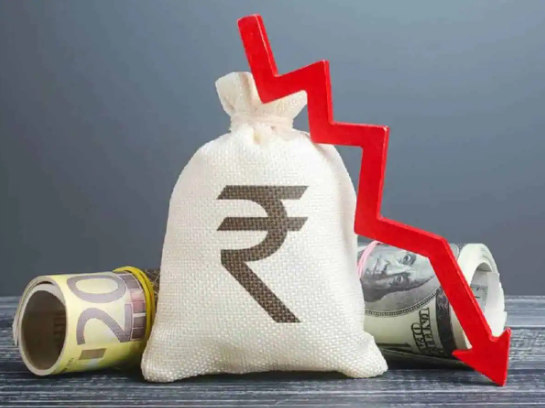
The Fall
The Indian rupee has tumbled past the ₹90 per US dollar mark, closing at ₹90.25 on December 3, 2025. This is the weakest level ever recorded, marking a significant psychological and economic milestone.
Why It Happened
- Foreign investor exits: Persistent outflows from equity and debt markets have drained liquidity.
- Trade deal uncertainty: Ongoing delays in the India–US trade agreement have dampened confidence.
- Dollar demand: Importers’ strong need for dollars has added pressure.
- Weak exports: Sluggish trade flows and widening deficits have accelerated depreciation.
- Global trends: Despite a softer US dollar index, global investors continue to favor the greenback.
RBI’s Response
The Reserve Bank of India (RBI) has intervened repeatedly to stabilize the currency, but its measures have only slowed—not stopped—the slide. Analysts say the RBI faces limits in defending the rupee against global capital movements.
Impact on Economy
- Inflation risk: Costlier imports, especially oil and electronics, may push prices higher.
- Overseas expenses: Students and travelers abroad will face heavier financial burdens.
- Corporate earnings: Exporters may benefit, but import-heavy industries will suffer margin hits.
- Investor sentiment: Weak currency often triggers caution among foreign investors.
The Road Ahead
Experts warn that ₹90 could become the “new normal” unless trade flows improve and foreign investments return. Much depends on the outcome of India–US trade talks, RBI’s policy stance, and global dollar trends.
Summary: The rupee’s slide to ₹90 per dollar reflects deep structural challenges—weak exports, investor outflows, and global uncertainty. While exporters may gain, ordinary citizens and import-reliant sectors will feel the pinch.