
Political Crisis in Bangladesh
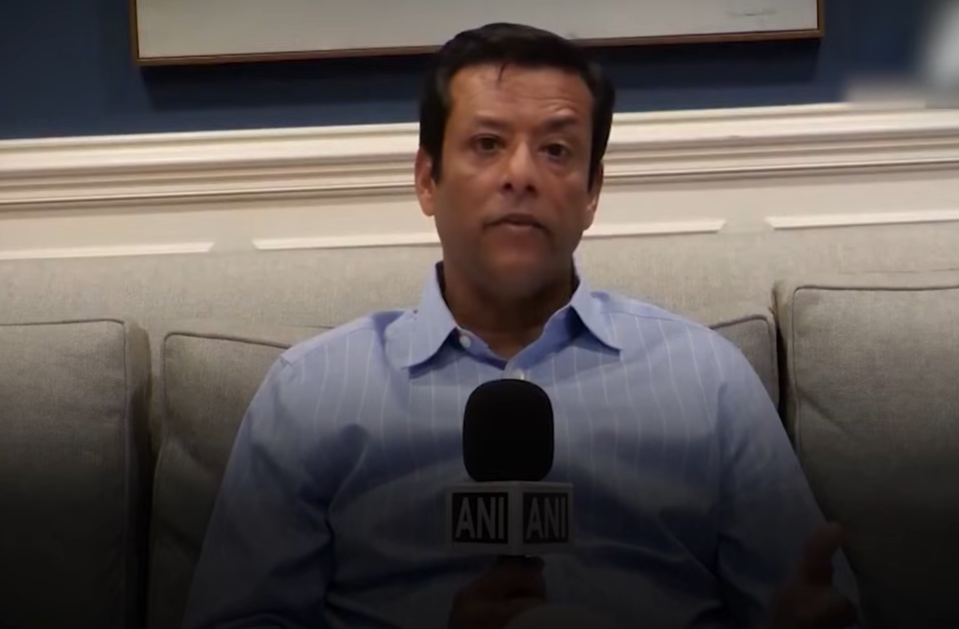
Bangladesh faces a deepening political crisis as Sajeeb Wazed Joy, son of former Prime Minister Sheikh Hasina, accuses Nobel laureate Muhammad Yunus, the current Chief Advisor of Bangladesh’s caretaker government, of attempting to bring Islamist forces to power via rigged polls. Wazed’s remarks have ignited debate across South Asia, raising concerns about democracy, extremism, and regional stability.
Allegations Against Muhammad Yunus
According to Wazed, the Bangladesh caretaker government under Yunus has deliberately barred the Awami League from contesting the upcoming February 2026 elections, thereby tilting the political landscape in favor of Islamist parties. He alleges that Yunus is manipulating the electoral process, suppressing opposition voices, and undermining Bangladesh’s secular foundations.
Islamist Threat and Regional Security
Wazed warns that a Yunus-led transition could pave the way for an Islamist regime in Bangladesh, posing a “very real threat” to India’s national security. He highlighted risks of cross-border extremism, terrorist camps, and destabilization of the Bay of Bengal region, stressing that India cannot ignore the implications of Bangladesh sliding into Islamist dominance.
India’s Concerns Over Rigged Polls
India has already expressed alarm, summoning Dhaka’s envoy to protest extremist activities targeting its High Commission. Wazed urged New Delhi to mobilize the international community to safeguard democracy in Bangladesh and prevent Islamist consolidation. Keywords such as India–Bangladesh relations, Islamist politics, and rigged elections dominate the discourse.
Strategic Implications of the Bangladesh FTA Crisis
Bangladesh has long been a crucial partner for India in counterterrorism, trade, and connectivity. A shift toward Islamist governance could disrupt regional cooperation, weaken democratic institutions, and embolden extremist networks. Wazed’s warning underscores the fragility of South Asian democracies and the dangers of manipulated elections.
Challenges for the Caretaker Government
While Yunus insists his administration is committed to free and fair elections, critics argue that excluding the Awami League undermines credibility. The Nobel laureate’s global reputation contrasts sharply with accusations of enabling authoritarianism and Islamist influence.
Conclusion
Sajeeb Wazed’s allegations against Muhammad Yunus highlight a pivotal moment in Bangladesh’s political trajectory. By accusing the caretaker government of rigging polls to empower Islamists, Wazed has drawn global attention to the risks facing both Bangladesh and India. As elections near, the outcome will determine whether Bangladesh upholds its secular democratic traditions or succumbs to Islamist dominance—an issue with profound regional security implications.