
Jay Shah T20 World Cup Decision
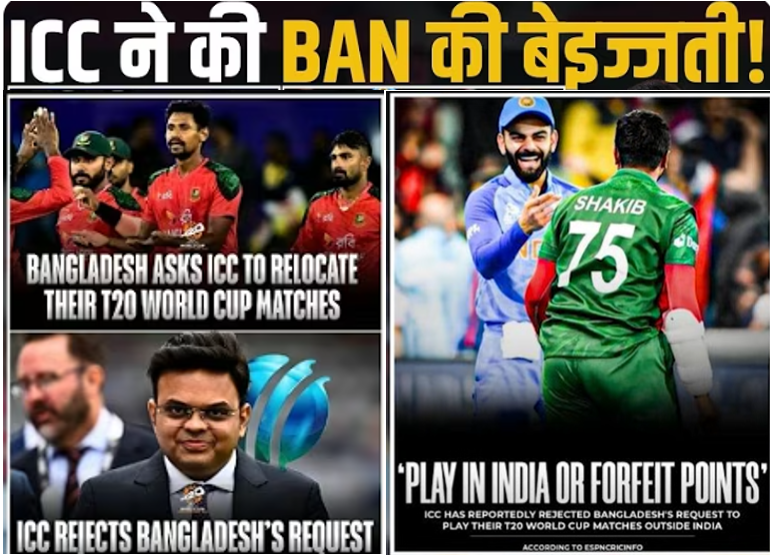
Jay Shah, ICC Chairman, has firmly blocked Bangladesh Cricket Board’s (BCB) attempt to shift its T20 World Cup 2026 matches out of India. The BCB had requested that its fixtures be moved to Sri Lanka, citing security concerns and political tensions. However, Shah’s decisive stand ensures that India’s hosting rights for the ICC T20 World Cup remain intact, sending a strong message about the authority of the ICC and India’s central role in global cricket.
Bangladesh T20 World Cup Controversy
- BCB Request: Bangladesh formally asked the ICC to relocate its matches from India to Sri Lanka.
- Underlying Issues: The move followed tensions after Bangladesh banned IPL telecasts domestically, linked to pacer Mustafizur Rahman’s IPL stint.
- Scheduled Fixtures: Bangladesh is set to play against West Indies, Italy, England, and Nepal in India, with matches in Kolkata and Mumbai.
Jay Shah Blocks Bangladesh’s Bid
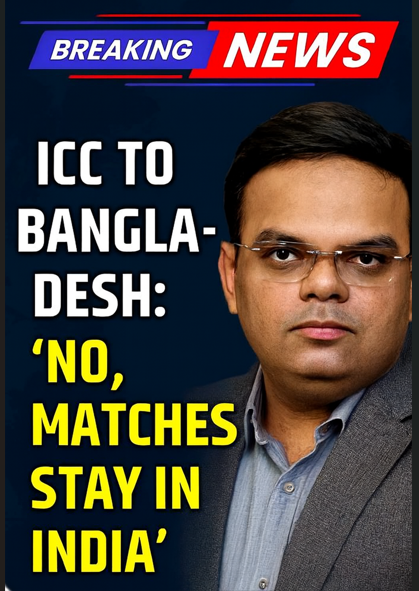
Jay Shah’s rejection of Bangladesh’s request highlights several key points:
- The ICC will not allow individual boards to dictate venue changes.
- Bangladesh must play its scheduled matches in India or risk forfeiting points.
- India’s infrastructure and security arrangements are fully capable of hosting high-profile matches.
This firm stance reinforces India’s dominance in cricket administration and ensures the T20 World Cup 2026 proceeds without disruption.
Impact on India Hosting T20 World Cup
For India, Jay Shah’s decision is a major victory:
- Hosting Rights Protected: India retains its central role as co-host of the ICC T20 World Cup.
- Security Validation: The ICC’s rejection indirectly validates India’s ability to provide world-class security.
- Political Significance: Blocking Bangladesh’s move shields India from potential embarrassment and disruption on the global stage.
Impact on Bangladesh Cricket
The decision puts Bangladesh in a difficult position:
- Risk of Forfeiture: Refusal to play in India could mean losing points and damaging their campaign.
- Domestic Pressure: Fans and players may criticize the board for prioritizing politics over cricket.
- Strained Relations: Cricketing ties with India may worsen, especially after the IPL telecast ban.
ICC T20 World Cup Power Dynamics
This controversy reflects broader themes in international cricket:
- India’s Influence: Jay Shah’s leadership underscores India’s growing power in ICC decisions.
- Precedent Setting: The ICC’s rejection sets a precedent against venue changes based on unilateral concerns.
- Commercial Stakes: With India being cricket’s largest market, shifting matches away would have had major financial consequences.
Challenges Ahead for T20 World Cup 2026
- Bangladesh’s Response: If the BCB escalates its protest, logistical and diplomatic hurdles may arise.
- Player Concerns: Lingering doubts about safety could affect morale.
- Fan Sentiment: Bangladeshi fans may view the ICC’s decision as heavy-handed, fueling nationalist rhetoric.
Conclusion – Jay Shah Protects India’s T20 World Cup Hosting
Jay Shah’s firm rejection of Bangladesh’s request is more than an administrative ruling—it is a statement of authority and protection of India’s T20 World Cup hosting rights. By blocking Bangladesh’s attempt, Shah has safeguarded India’s prestige, reinforced ICC credibility, and ensured the tournament’s smooth conduct.
The episode highlights how cricket is deeply intertwined with politics, economics, and national pride. As the ICC T20 World Cup 2026 approaches, the spotlight will remain on Bangladesh’s compliance and India’s continued dominance in world cricket.