
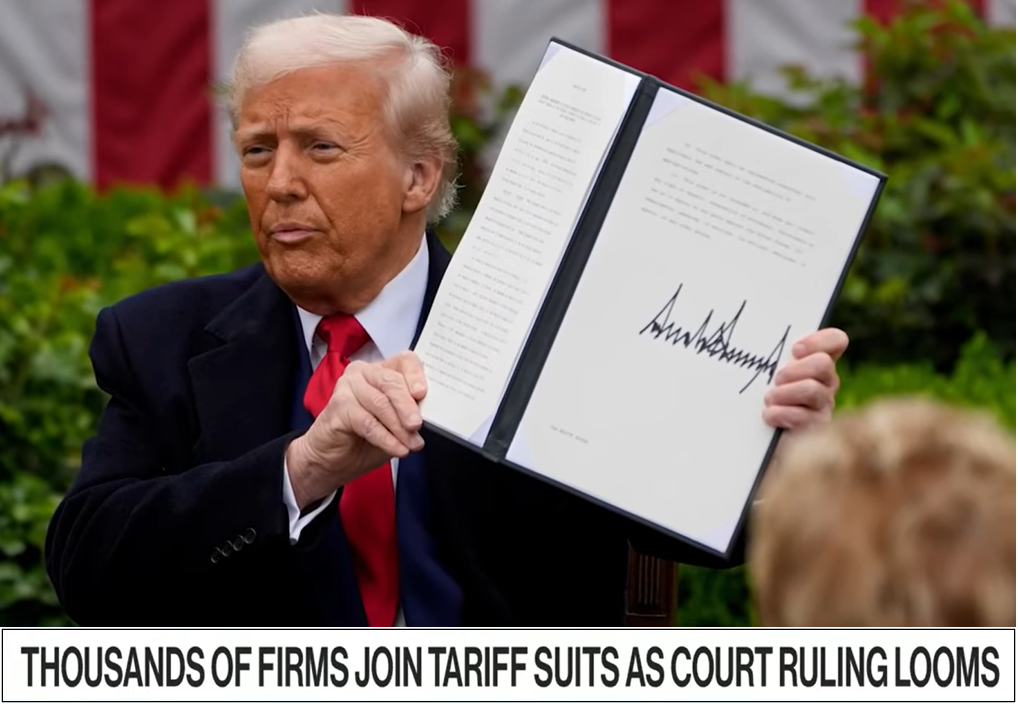
Trump Tariffs Lawsuit Background
The Trump tariffs lawsuit stems from duties imposed in 2018 under the International Emergency Economic Powers Act (IEEPA). Former President Donald Trump used emergency powers to levy tariffs on imports from China, India, Canada, and Mexico, claiming unfair trade practices.
Companies argue these tariffs were unconstitutional because trade disputes do not qualify as “national emergencies.” The case has now reached the U.S. Supreme Court, where justices will decide whether Trump exceeded his authority.
Companies Suing Trump Over Tariffs
More than 1,000 companies are suing Trump for billions in tariff refunds. Plaintiffs include:
- Costco Wholesale Corp – Retail giant hit by higher import costs.
- Goodyear Tire & Rubber Co – Manufacturing firm facing inflated raw material prices.
- EssilorLuxottica SA – Eyewear leader disrupted by tariffs on imported frames.
- Dole Fresh Fruit Co – Agricultural exporter hurt by retaliatory tariffs.
- J. Crew Group LLC – Apparel retailer burdened by clothing import duties.
- Revlon – Cosmetics brand facing rising production costs.
- Kawasaki Motors – Automotive manufacturer impacted by tariffs on parts and vehicles.
These companies claim the tariffs raised costs, reduced competitiveness, and forced price hikes for consumers.
Supreme Court Tariffs Case: Key Issues
The Supreme Court tariffs case centers on whether a president can use emergency powers to impose trade duties without congressional approval.
- If upheld: Trump’s authority expands, allowing future presidents to bypass Congress in trade disputes.
- If struck down: The tariffs collapse, triggering refund claims worth $133 billion.
Trump has warned that refunds would be “catastrophic” for U.S. finances, while businesses argue relief is essential for survival.
Economic Impact of Trump Tariffs Lawsuit
The economic impact of Trump tariffs lawsuit has been significant:
- Retail sector: Costco and J. Crew faced higher costs, leading to consumer price hikes.
- Manufacturing: Goodyear and Kawasaki struggled with expensive inputs, reducing profit margins.
- Agriculture: Dole Fresh Fruit Co saw exports decline due to retaliatory tariffs.
- Consumers: Everyday goods like clothing, electronics, and cosmetics became more expensive.
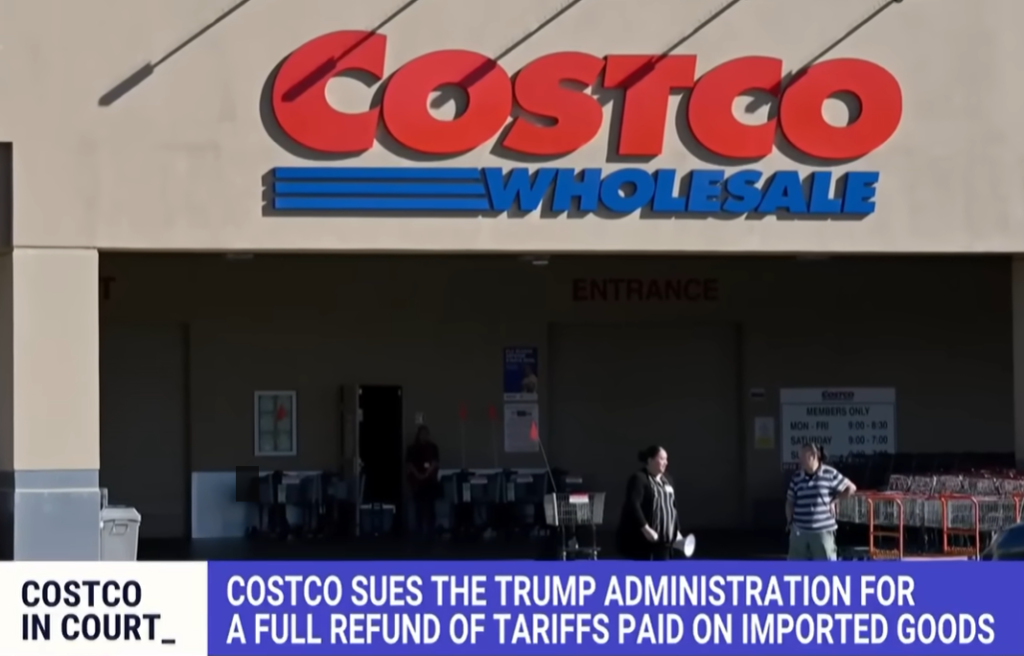
Economists argue tariffs intended to protect U.S. industries often backfired, raising domestic costs and straining global trade relations.
Table: Companies Suing Trump Over Tariffs
| Company | Sector | Reason for Lawsuit | Impact of Tariffs |
|---|---|---|---|
| Costco Wholesale | Retail | Higher import costs, reduced competitiveness | Price hikes for consumers |
| Goodyear Tire & Rubber | Manufacturing | Increased raw material costs | Lower profit margins |
| EssilorLuxottica | Eyewear | Tariffs on imported frames | Supply chain disruption |
| Dole Fresh Fruit Co | Agriculture | Export losses due to retaliatory tariffs | Farmer income decline |
| J. Crew Group LLC | Apparel | Higher clothing import duties | Reduced sales |
| Revlon | Cosmetics | Tariffs on beauty products | Rising production costs |
| Kawasaki Motors | Automotive | Tariffs on parts and vehicles | Reduced competitiveness |
Broader Implications of Trump Tariffs Lawsuit
The Trump tariffs lawsuit implications extend beyond corporate refunds:
- Trade relations: Countries like China and India retaliated, escalating trade tensions.
- Political stakes: Trump’s “America First” agenda faces a major test.
- Business confidence: Companies warn unpredictable tariff policies discourage investment.
- Legal precedent: The ruling will define presidential limits in economic emergencies.
Conclusion: Trump Tariffs Lawsuit Could Reshape U.S. Trade Policy
The Trump tariffs lawsuit is one of the largest corporate challenges in U.S. trade history. With over 1,000 companies demanding refunds, the Supreme Court’s decision will determine not only billions in duties but also the future balance of power between the executive branch and Congress.
If the Court rules against Trump, businesses could see relief, but the government faces staggering financial liability. If Trump prevails, presidential authority in trade disputes will expand dramatically, setting a precedent for future administrations.