

Drishti-10 Starliner UAV Induction
The Drishti-10 Starliner, India’s latest Medium Altitude Long Endurance (MALE) UAV, has been officially inducted into the Indian Navy, marking a major milestone in indigenous defence capability. Developed by Adani Defence & Aerospace, the UAV is designed for maritime surveillance, intelligence gathering, and reconnaissance missions across the Indian Ocean Region.
Design and Development
- Manufacturer: Adani Defence & Aerospace, Hyderabad facility.
- Technology Base: Derived from Israel’s Hermes 900 UAV, adapted for Indian requirements.
- Category: Medium Altitude Long Endurance (MALE) UAV.
- Operational Altitude: Up to 30,000 feet.
- Endurance: More than 36 hours continuous flight.
Drishti-10 Starliner Features and Capabilities
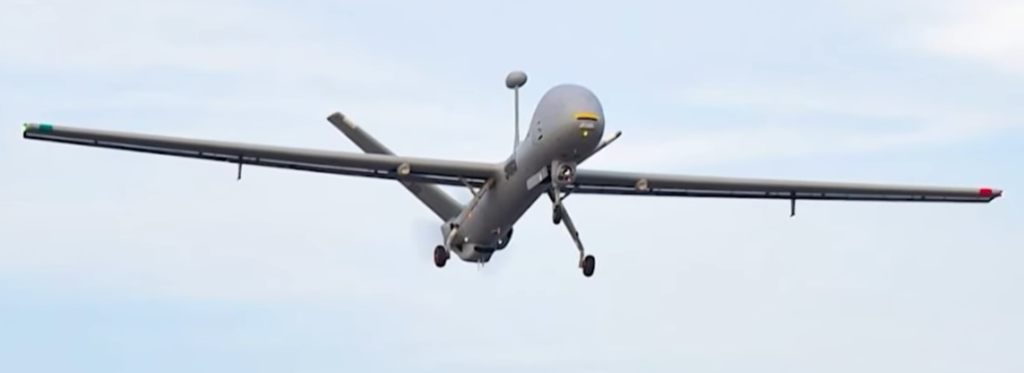
The Drishti-10 Starliner UAV stands out with advanced specifications that make it a force multiplier for India’s maritime security:
- Endurance: Over 36 hours continuous flight.
- Operational Altitude: Up to 30,000 feet.
- Payloads: Electro-optical sensors, Synthetic Aperture Radar (SAR), and Signals Intelligence systems.
- Coverage: Capable of monitoring vast stretches of coastline and Exclusive Economic Zones (EEZs).
These features ensure persistent surveillance and real-time intelligence, critical for safeguarding India’s maritime interests.
Strategic Importance of Drishti-10 Starliner
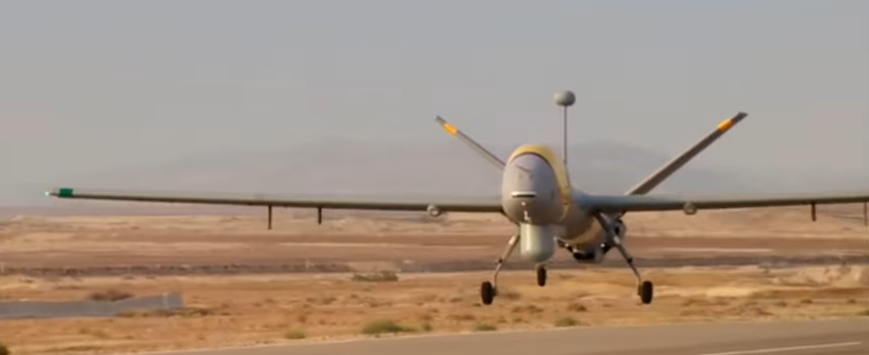
The induction of the Drishti-10 Starliner UAV enhances India’s maritime domain awareness (MDA) and strengthens naval deterrence. With a coastline of over 7,500 km, India requires continuous monitoring of shipping lanes, choke points, and potential infiltration routes. The UAV provides:
- Early threat detection of hostile vessels and submarines.
- Support for search and rescue operations.
- Intelligence sharing across Army, Navy, and Air Force platforms.
Drishti-10 Starliner vs Global UAVs
| UAV | Endurance | Altitude | Role |
|---|---|---|---|
| Drishti-10 Starliner | 36+ hours | 30,000 ft | ISR, maritime patrol |
| MQ-9 Reaper (USA) | 27 hours | 50,000 ft | ISR + strike |
| Wing Loong II (China) | 20 hours | 30,000 ft | ISR + strike |
| Hermes 900 (Israel) | 36 hours | 30,000 ft | ISR |
Unlike the Reaper or Wing Loong II, the Drishti-10 Starliner is non-weaponized, focusing purely on surveillance and intelligence, aligning with India’s defensive posture in the Indian Ocean Region.
Indigenous Defence Push with Drishti-10 Starliner
The Drishti-10 Starliner UAV reflects India’s Atmanirbhar Bharat (self-reliant India) vision in defence manufacturing. By producing advanced UAVs domestically, India reduces dependency on foreign suppliers and builds sovereign capabilities. The project also opens avenues for exports to friendly nations seeking reliable surveillance drones.
Future Prospects of Drishti-10 Starliner
While the current fleet strengthens naval ISR capabilities, future upgrades may include:
- AI-driven analytics for faster threat detection.
- Expanded fleet size beyond the initial induction.
- Land-based ISR missions for Army and Air Force.
- Armed variants for precision strike roles.
Conclusion
The Drishti-10 Starliner UAV is a strategic asset that enhances India’s maritime surveillance, strengthens deterrence, and showcases indigenous defence innovation. With its long endurance, advanced sensors, and domestic production, the UAV positions India as a serious player in global UAV technology. As the Indian Navy deploys these drones across its maritime frontier, the Drishti-10 Starliner will serve as a vigilant guardian of the seas.