
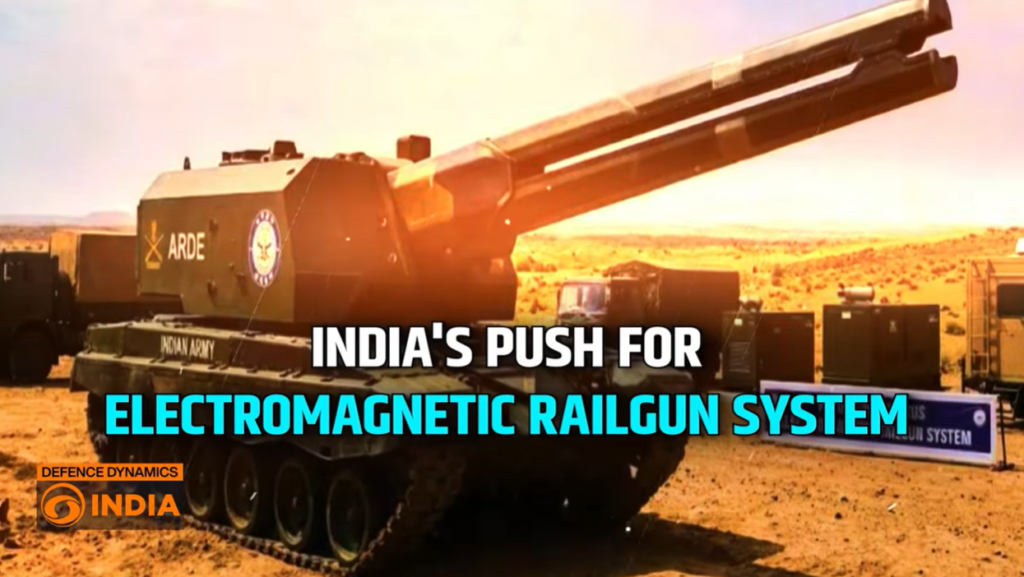
India’s Electromagnetic Railgun: The Future of Artillery-
Introduction: India’s Electromagnetic Railgun Development
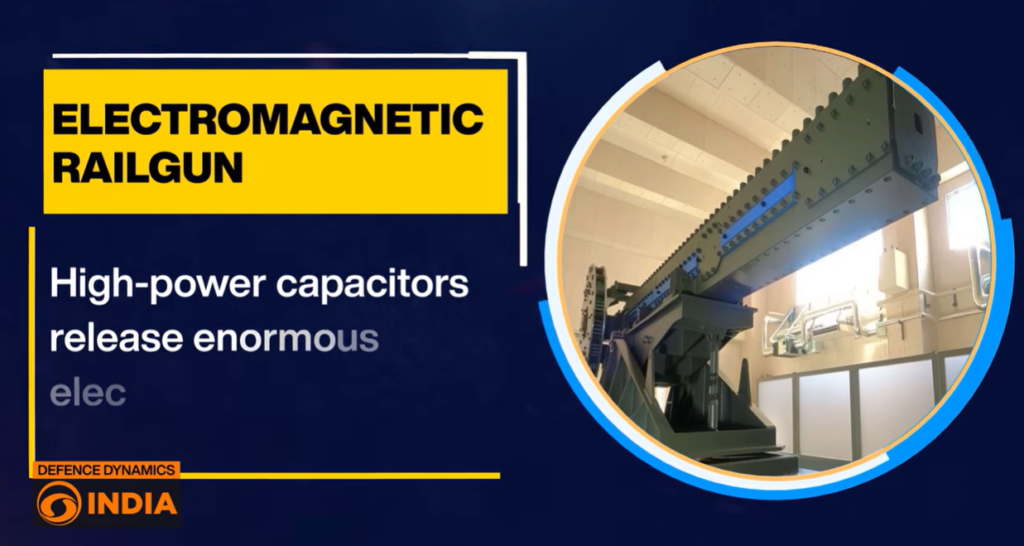
The India Electromagnetic Railgun project is one of the most ambitious defense initiatives undertaken by the Defence Research and Development Organisation (DRDO). Designed to fire projectiles at Mach 6 speeds over ranges exceeding 200 kilometers, the railgun represents the future of artillery. Unlike conventional guns that rely on chemical propellants, the electromagnetic railgun uses magnetic force and electricity to launch projectiles, making it safer, faster, and more cost-effective.
What is India’s Electromagnetic Railgun?
The India Electromagnetic Railgun is a cutting-edge weapon system that uses electromagnetic energy to accelerate projectiles.
- Speed: Capable of firing at Mach 6 (7,400 km/h).
- Range: Up to 200 km, far beyond traditional artillery.
- Payload: Launches a 50 kg projectile using pure kinetic energy.
- Safety: Eliminates explosives, reducing storage and transport risks.
This makes the railgun a revolutionary step in India’s future artillery systems.
India’s Railgun Development Journey
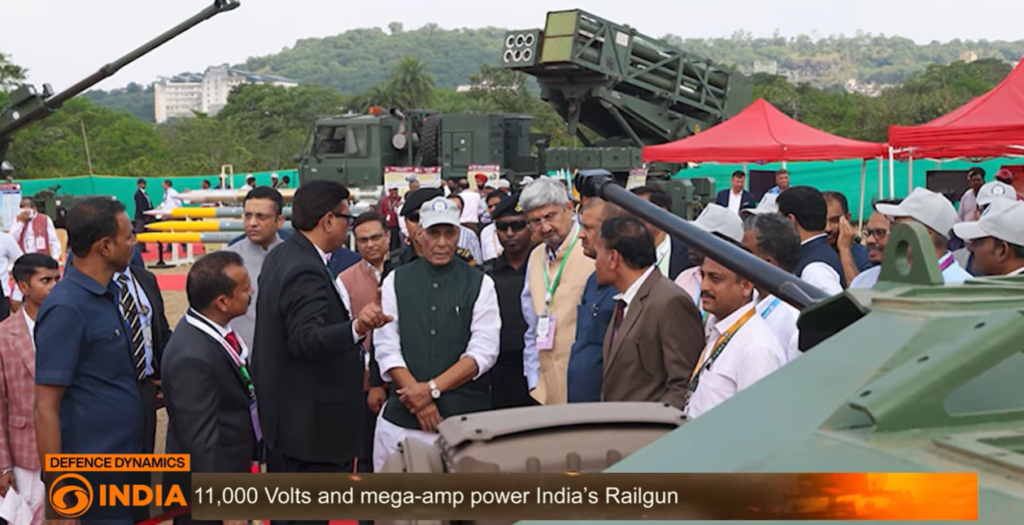
DRDO and ARDE’s Role
The Armament Research and Development Establishment (ARDE), a DRDO lab in Pune, is spearheading the India Electromagnetic Railgun development. Their prototypes include compact, trailer-mounted railguns designed for battlefield mobility.
Milestones Achieved
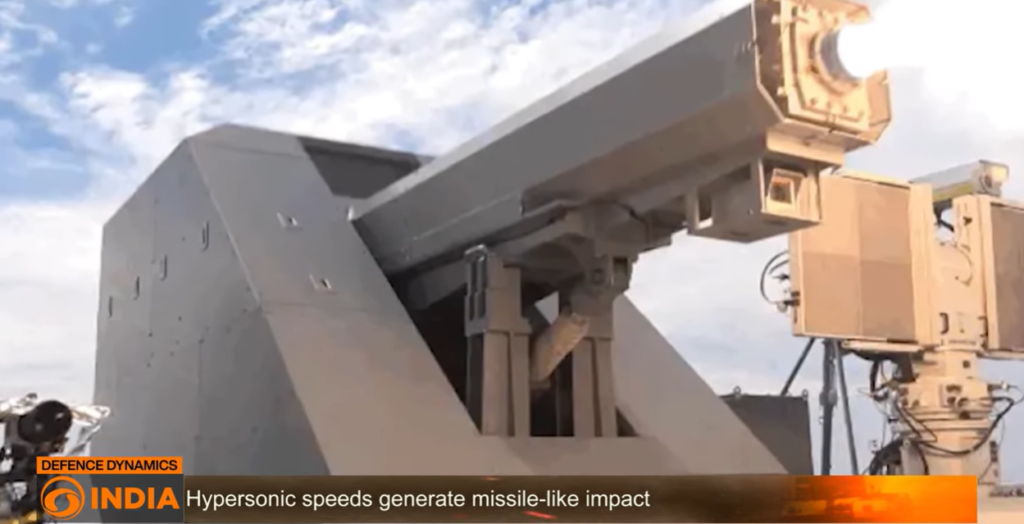
- 2025: DRDO showcased a working prototype at Aero India, signaling readiness for trials.
- 2026: Reports confirmed successful test firings at hypersonic speeds, validating India’s entry into next-generation artillery.
Strategic Advantages of India’s Electromagnetic Railgun
Extended Range and Speed
The India Electromagnetic Railgun offers ranges up to 200 km, compared to 30–40 km for conventional artillery. This allows deep-strike capability without relying on missiles.
Cost Efficiency
By using electricity instead of chemical propellants, the railgun reduces operational costs and logistics complexity.
Safety and Logistics
No explosives mean safer storage and transport, minimizing risks in forward bases.
Multi-Role Applications
- Naval Warfare: Mounted on warships for long-range precision strikes.
- Land-Based Artillery: Mobile units for battlefield dominance.
- Air Defense: Potential to intercept high-speed aerial threats.
Economic and Strategic Impact
The India Electromagnetic Railgun project aligns with the Make in India defense initiative, boosting indigenous R&D and reducing reliance on imports.
- Defense Self-Reliance: Strengthens India’s position as a global defense innovator.
- Export Potential: Future railgun systems could be marketed to friendly nations.
- Strategic Edge: Provides India with unmatched long-range strike capability in South Asia.
Challenges in India’s Railgun Development
Despite its promise, the India Electromagnetic Railgun faces challenges:
- Power Requirements: Railguns demand massive electrical energy, requiring advanced power systems.
- Material Durability: Extreme stress and heat can damage rails, demanding cutting-edge alloys.
- Integration Issues: Adapting railguns into existing military platforms requires redesign.
- Global Competition: The U.S. and China are also pursuing railgun technology, making this a race for supremacy.
Global Context of Electromagnetic Railguns
India joins a select group of nations experimenting with railguns. The U.S. Navy has tested prototypes, while China has reportedly mounted railguns on warships. India’s indigenous push reflects its ambition to match global military innovation and establish itself as a leader in future artillery systems.
Future Outlook: India’s Electromagnetic Railgun as the Future of Artillery
The India Electromagnetic Railgun project is more than a weapon—it is a statement of technological self-reliance. If successful, it could:
- Transform India’s artillery doctrine.
- Strengthen Make in India defense initiatives.
- Provide a strategic edge in regional conflicts.
By the early 2030s, India could field operational railguns, redefining its long-range strike capabilities and cementing its place in the future of artillery warfare.
Conclusion
The India Electromagnetic Railgun represents a revolutionary leap in defense technology. With its promise of hypersonic speed, extended range, cost efficiency, and safety, it could reshape the future of artillery for the Indian Armed Forces. While challenges remain, India’s progress signals a future where electricity replaces gunpowder, and artillery becomes faster, safer, and more lethal.