
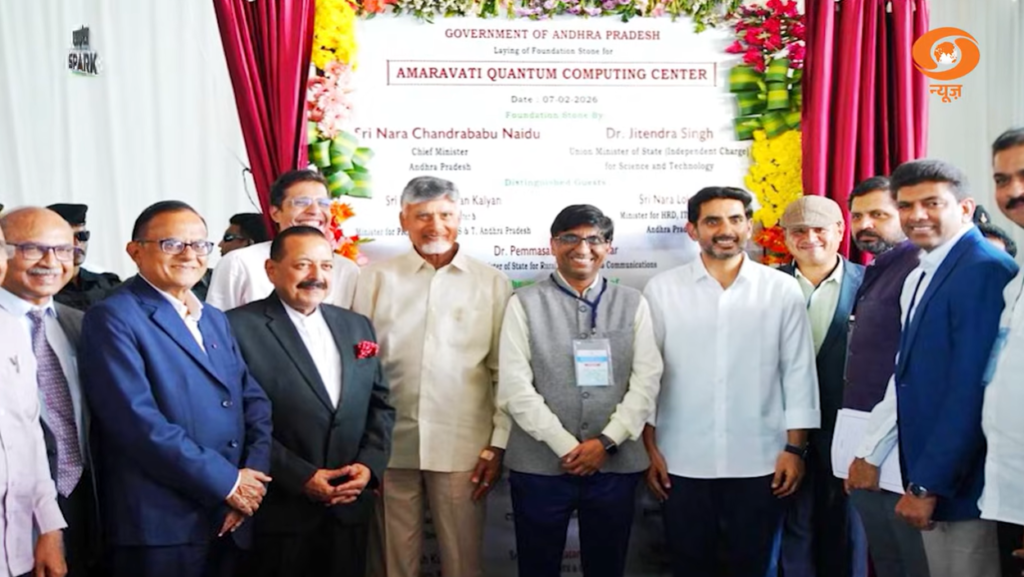
India Launches First Quantum Valley in Amaravati: A Milestone in Quantum Computing and Innovation
India has taken a historic leap into the future of technology with the launch of its first Quantum Valley in Amaravati, Andhra Pradesh. This landmark initiative, part of the National Quantum Mission, positions India as a rising global leader in quantum computing, secure communication, and advanced research.
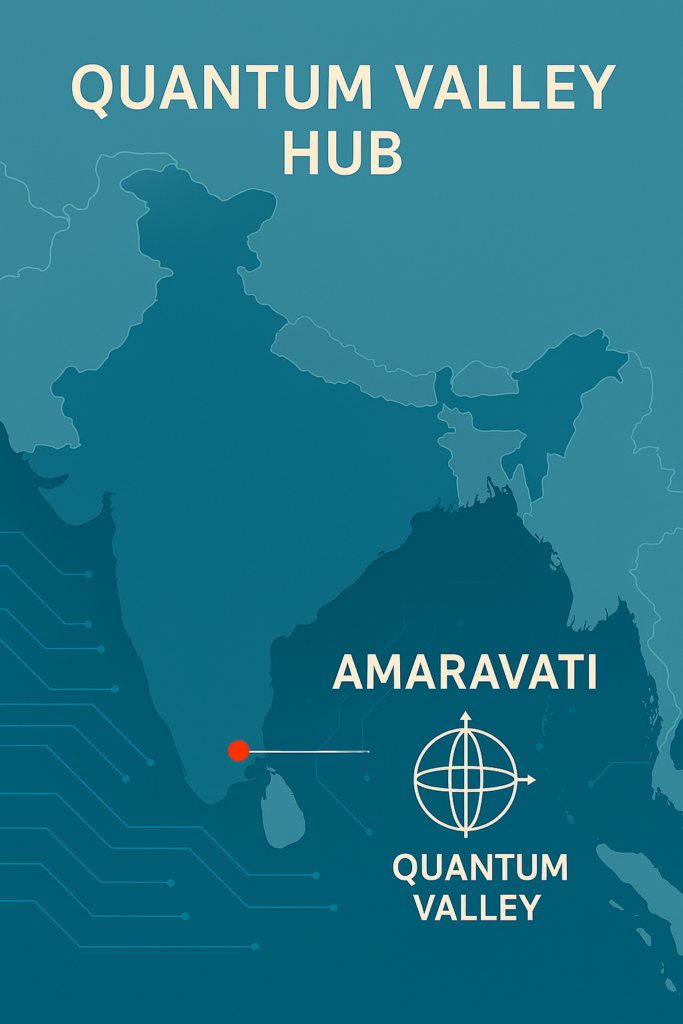
What is Quantum Valley Amaravati?
The Quantum Valley Amaravati is envisioned as a 50-acre integrated ecosystem dedicated to quantum hardware, software, research, and industrial applications. It will serve as a hub where academia, industry, and government collaborate to accelerate breakthroughs in quantum technologies.
Quantum Computing: Why It Matters
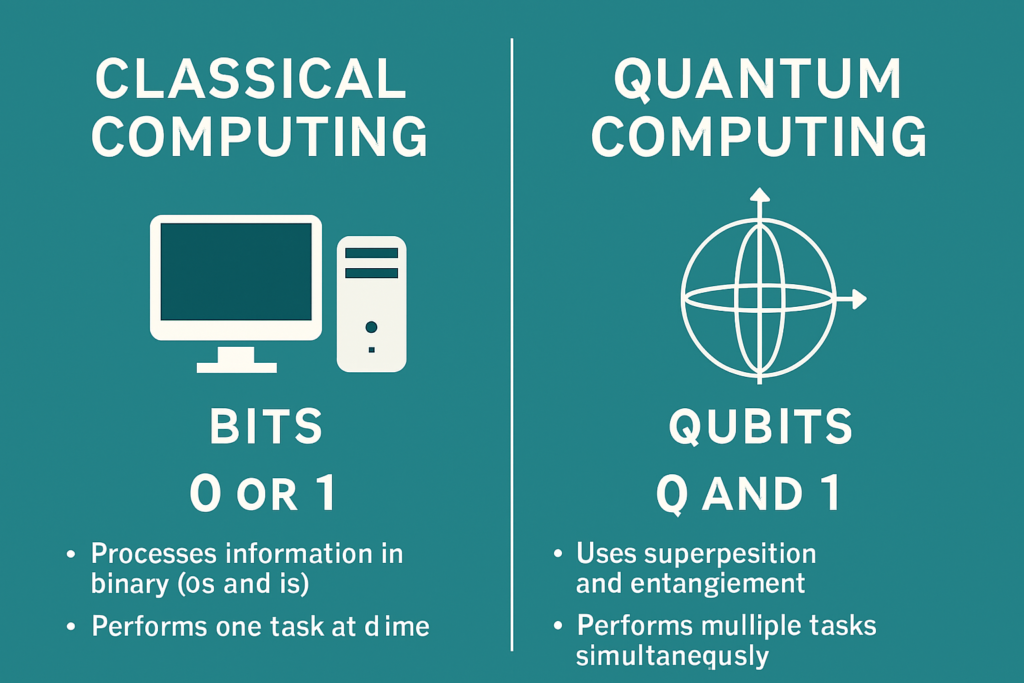
Quantum computing harnesses qubits, which can exist in multiple states simultaneously, unlike classical bits. This enables quantum machines to solve complex problems exponentially faster.
Applications include:
- Cybersecurity: Quantum encryption for unbreakable communication.
- Healthcare: Drug discovery and personalized medicine.
- Finance: Risk modeling and fraud detection.
- Defence: Secure networks and intelligence systems.
- AI & Machine Learning: Faster optimization and predictive analytics.
Key Features of India’s First Quantum Valley
- 133-qubit quantum computer – India’s first large-scale quantum machine.
- Secure quantum communication network – Targeting a 2,000 km quantum-secure backbone.
- Industry partnerships – Collaborations with IBM, TCS, and L&T.
- Talent development programs – Training scientists, engineers, and students.
- Innovation hub for startups – Supporting deep-tech ventures in AI, drones, and aerospace.

National Quantum Mission: The Bigger Picture
The National Quantum Mission (NQM) aims to transform India into a deep-tech powerhouse. Its goals include:
- Developing quantum computers with up to 1,000 qubits.
- Establishing secure quantum communication networks nationwide.
- Building advanced quantum sensors for healthcare and defence.
- Positioning India as a global hub for quantum innovation.

Economic and Strategic Impact
The Quantum Valley will:
- Boost India’s competitiveness against global leaders like the US and China.
- Create jobs in research, manufacturing, and software development.
- Strengthen national security with quantum-encrypted communication.
- Attract global investment in deep-tech startups and multinational collaborations.
Challenges Ahead
Despite its promise, India must overcome:
- Talent shortage – Need for specialized quantum scientists and engineers.
- Infrastructure demands – Advanced cooling systems and stable labs.
- Global competition – Rivals investing billions in quantum research.
- Commercial viability – Translating research into market-ready products.
A Vision for the Future
Chief Minister N. Chandrababu Naidu has described Amaravati Quantum Valley as a world-class quantum technology centre that will redefine India’s role in global innovation. The project is not just about building machines—it is about creating an ecosystem where research, industry, and education converge to unlock the full potential of quantum technologies.
Conclusion
The launch of India’s first Quantum Valley in Amaravati is a milestone in quantum computing and innovation. It symbolizes India’s ambition to leapfrog into the future, ensuring economic growth, national security, and scientific leadership. While challenges remain, the Quantum Valley marks the beginning of a transformative journey that could place India at the forefront of global quantum research.