
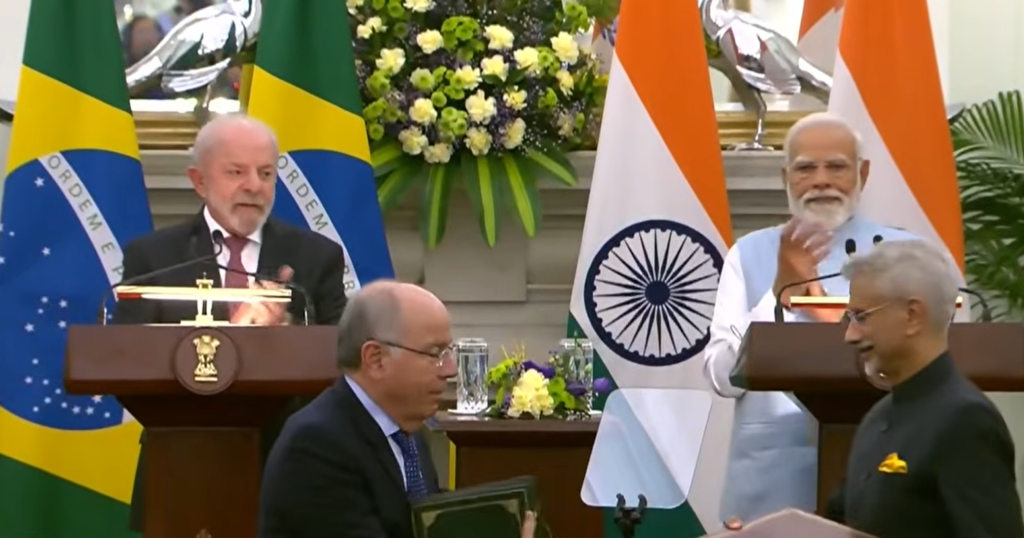
India–Brazil Trade Deal 2026: Strategic Partnership to Boost Bilateral Trade Beyond $20 Billion marks a decisive moment in South–South cooperation, signaling a new era of economic diplomacy between two of the world’s largest emerging economies. As an experienced trade and geopolitics correspondent, I see this agreement not merely as a commercial arrangement but as a strategic recalibration of global trade dynamics.
With both nations aiming to push bilateral trade beyond the $20 billion mark, the agreement strengthens economic resilience, expands export markets, and enhances geopolitical influence across Asia and Latin America.
India–Brazil Trade Deal 2026: Strategic Partnership to Boost Bilateral Trade Beyond $20 Billion – Key Highlights
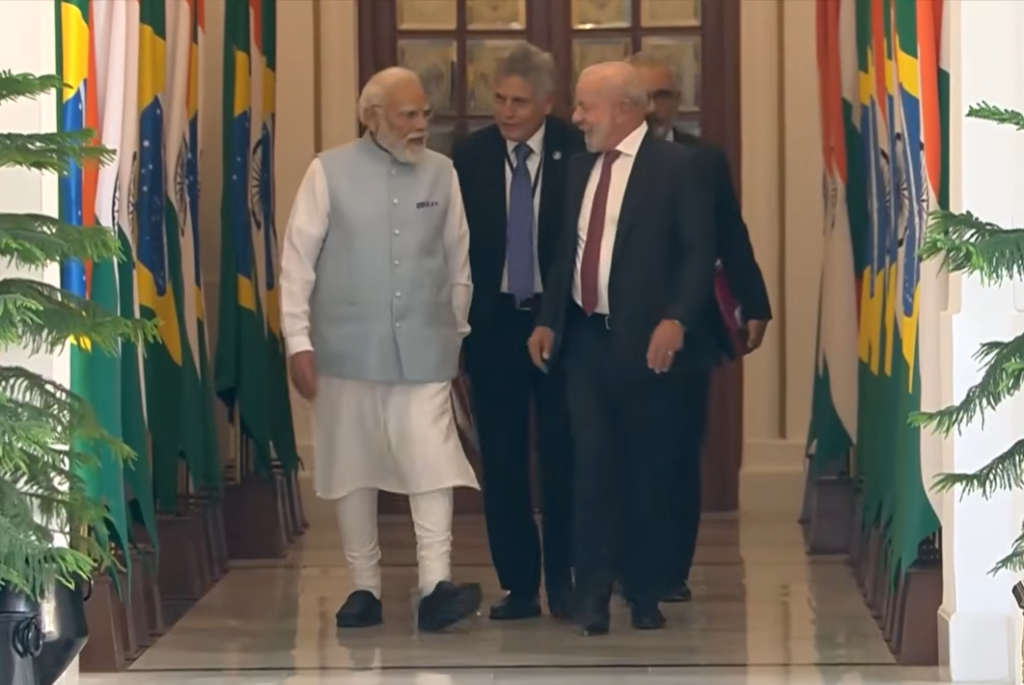
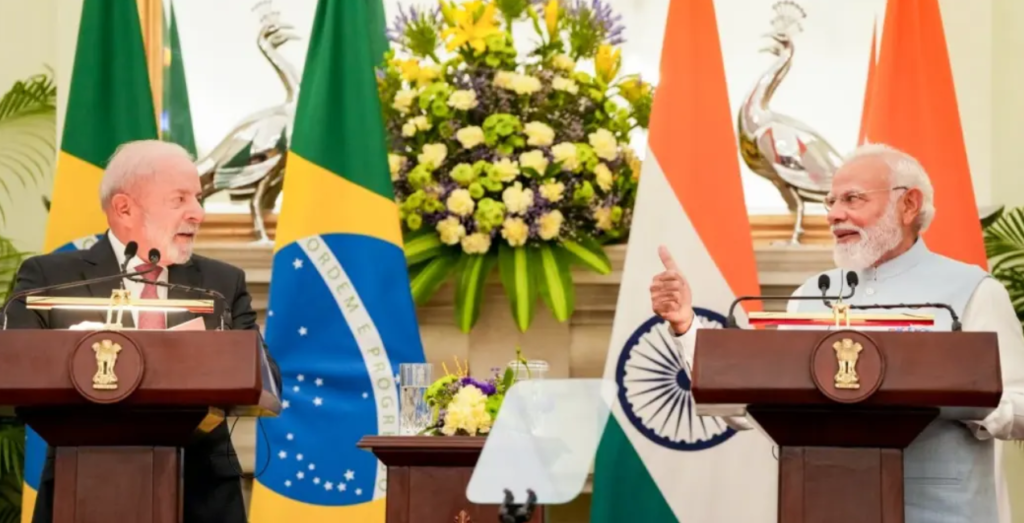
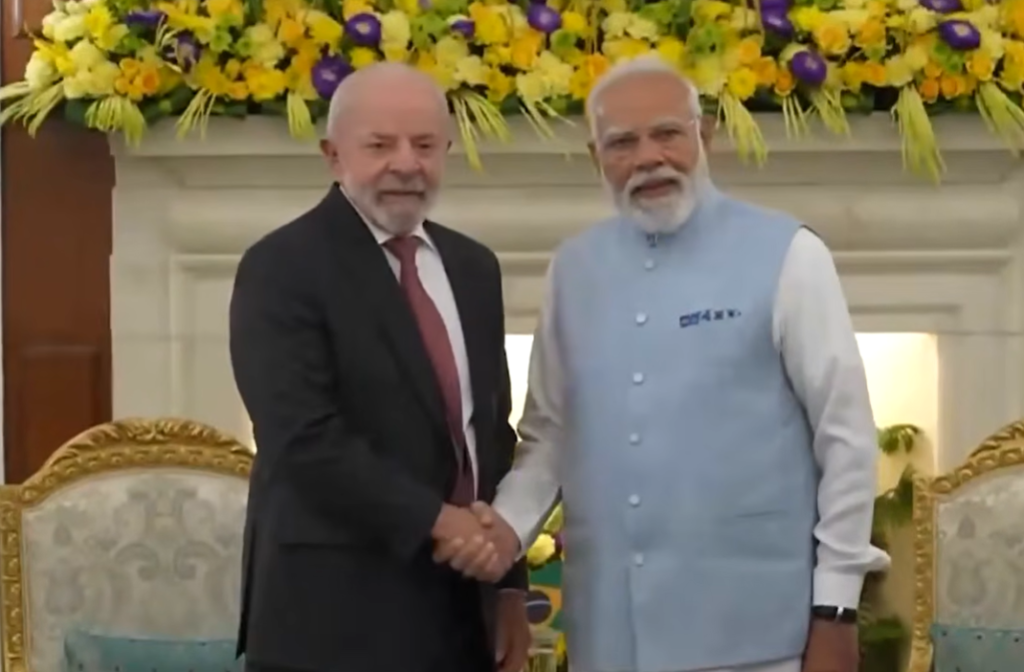
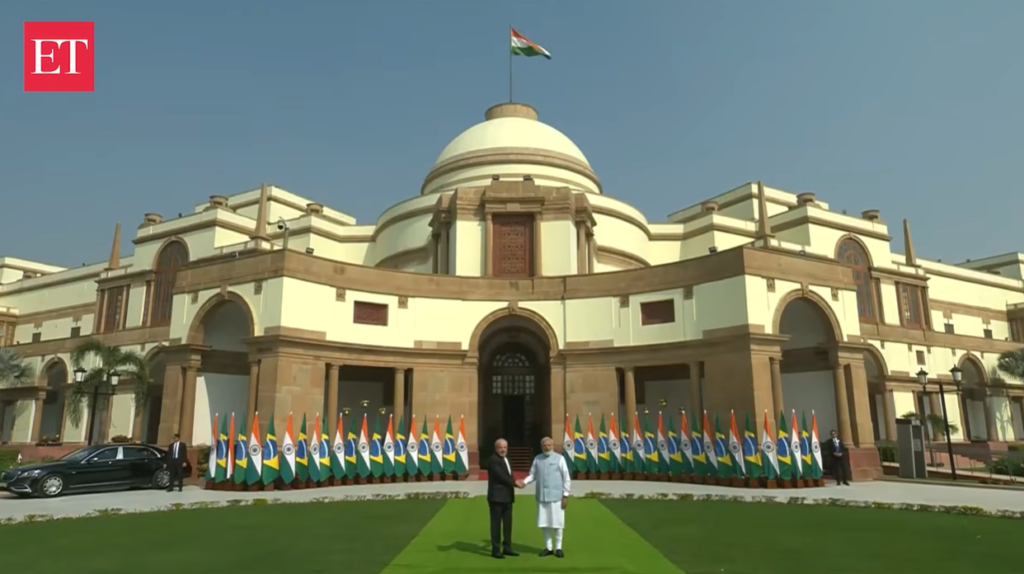
The India–Brazil Trade Deal 2026 was formalized following high-level discussions between Indian Prime Minister Narendra Modi and Brazilian President Luiz Inácio Lula da Silva. The agreement focuses on:
- Expanding trade in pharmaceuticals, agriculture, energy, and technology
- Reducing tariffs on select goods
- Encouraging investment flows and joint ventures
- Strengthening supply chain resilience
Both leaders emphasized their shared commitment within platforms like BRICS and the G20, underlining the strategic depth of this partnership.
India–Brazil Trade Deal 2026: Strategic Partnership to Boost Bilateral Trade Beyond $20 Billion in Key Sectors
1. Pharmaceuticals and Healthcare
India, often dubbed the “pharmacy of the world,” is poised to expand generic medicine exports to Brazil. Reduced regulatory barriers and tariff adjustments will accelerate access to affordable medicines across Latin America.
2. Agriculture and Food Security
Brazil is a global agricultural powerhouse. Under the India–Brazil Trade Deal 2026, soybean, sugar, and meat exports to India are expected to rise, while Indian processed food and spices gain improved access to Brazilian markets.
3. Energy Cooperation
Energy security remains central to the agreement. Brazil’s biofuel expertise complements India’s renewable energy ambitions. Collaborative ventures in ethanol production and green hydrogen could redefine clean energy trade.
4. Technology and Digital Economy
Both countries aim to boost cooperation in fintech, AI, and digital infrastructure. Cross-border startup investments and technology transfer agreements form a critical pillar of this strategic partnership.
India–Brazil Trade Deal 2026: Strategic Partnership to Boost Bilateral Trade Beyond $20 Billion – Why It Matters Globally
The India–Brazil Trade Deal 2026: Strategic Partnership to Boost Bilateral Trade Beyond $20 Billion is more than a bilateral arrangement—it reflects a broader shift in global economic power.
Strengthening South–South Trade
India and Brazil represent over 1.6 billion people combined. Deeper economic ties enhance trade diversification and reduce dependency on Western markets.
Supply Chain Diversification
In a world shaped by geopolitical tensions and protectionism, diversified supply chains are crucial. This deal ensures alternative sourcing routes in pharmaceuticals, food, and energy.
Enhanced Political Leverage
Both nations seek a stronger voice in global governance. By expanding economic cooperation, they reinforce their bargaining power in multilateral negotiations.
Economic Impact of the India–Brazil Trade Deal 2026
Current bilateral trade hovers around the mid-teens (in billions). Crossing the $20 billion threshold is both symbolic and strategic. Economists predict:
- Increased export revenue for Indian SMEs
- Job creation in manufacturing and agriculture
- Expanded Brazilian market penetration in Asia
- Stronger foreign direct investment flows
Indian exporters in Gujarat, Maharashtra, and Tamil Nadu are expected to benefit significantly, while Brazilian agribusiness firms gain new long-term contracts.
Challenges Ahead for the India–Brazil Trade Deal 2026: Strategic Partnership to Boost Bilateral Trade Beyond $20 Billion
No trade agreement is without hurdles. Logistics bottlenecks, currency fluctuations, and regulatory harmonization remain critical challenges. Additionally, balancing domestic industry protection with liberalized trade requires careful policy calibration.
However, the political will demonstrated by both governments suggests sustained commitment to overcoming these barriers.
Conclusion
The India–Brazil trade deal marks a pivotal moment in the evolution of bilateral relations between two major emerging economies. By setting a bold target of $20 billion in trade, focusing on critical sectors like mining, agriculture, and technology, and emphasizing sustainability, both nations are signaling their intent to play a larger role in shaping global economic dynamics.
This partnership is not just about numbers—it is about building resilience, fostering innovation, and strengthening South–South cooperation. If successfully implemented, the India–Brazil trade deal could serve as a model for other emerging economies seeking to collaborate for mutual growth and global stability.