
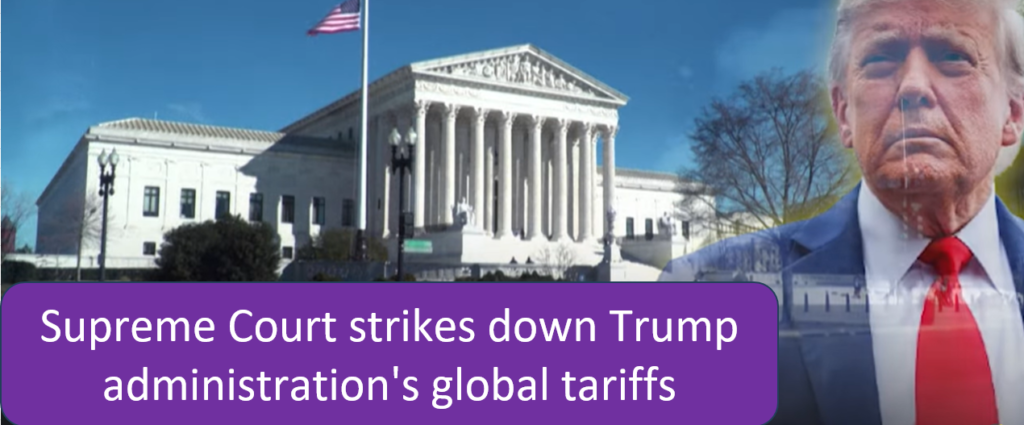
India and China Gain After U.S. Court Blocks Trump Tariffs in a landmark legal decision that could reshape global trade flows and economic diplomacy. The ruling by the Supreme Court of the United States has triggered fresh debate over protectionism, free trade, and the future of international supply chains. For major manufacturing economies like India and China, the development signals renewed opportunity and strategic leverage.
As an experienced observer of global trade politics, I can confidently say this decision may mark a turning point in the prolonged tariff battles initiated during the presidency of Donald Trump.
India, China Gain After U.S. Court Blocks Trump Tariffs: Why the Ruling Matters
The Trump-era tariffs, imposed largely under Section 301 investigations, targeted billions of dollars’ worth of imports — primarily from China, but with ripple effects felt by multiple economies.
With the court blocking these tariffs, markets responded positively. Asian indices saw gains, and export-oriented sectors showed renewed confidence.
Why this ruling is significant:
- Reduces trade uncertainty
- Strengthens global supply chains
- Encourages cross-border investment
- Signals judicial checks on executive trade power
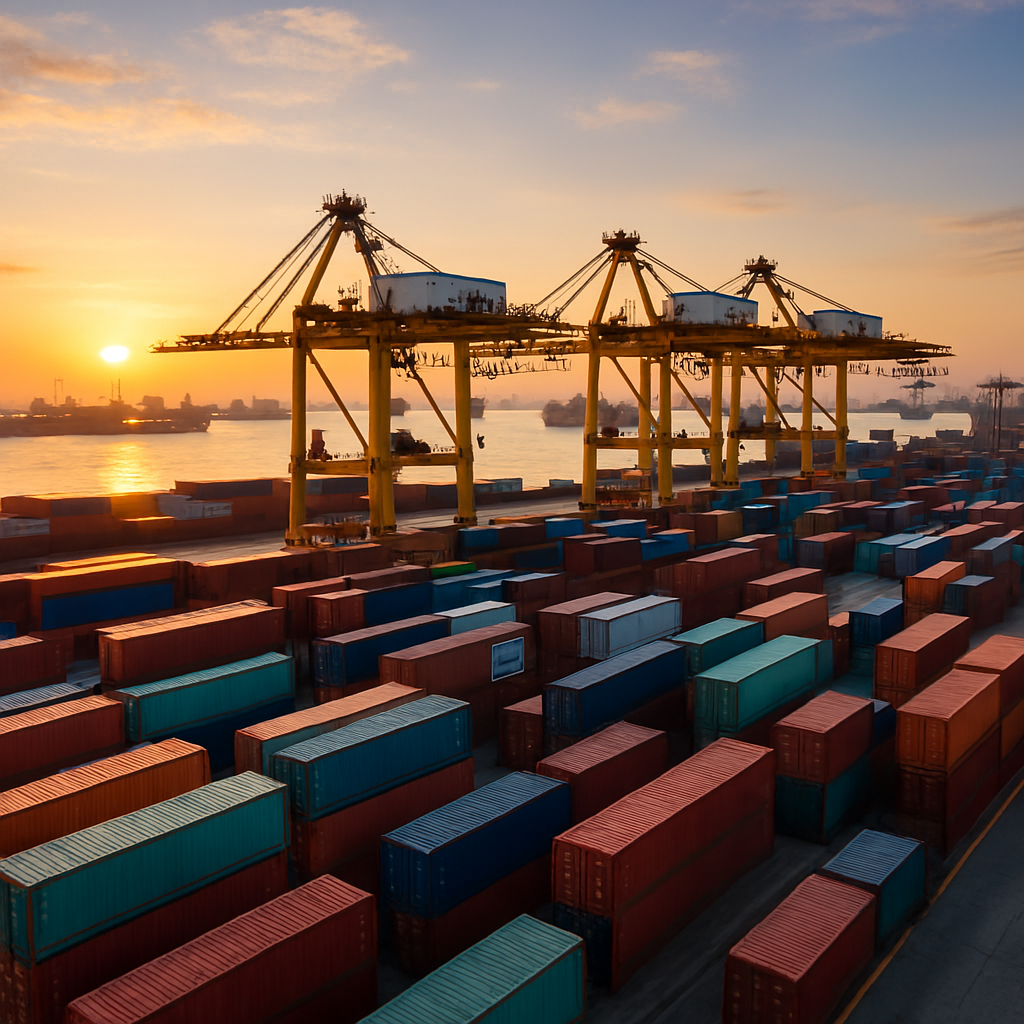
India, China Gain After U.S. Court Blocks Trump Tariffs:
Impact on India
For India, the implications are substantial. Over the past few years, New Delhi strategically positioned itself as an alternative manufacturing hub amid U.S.-China tensions. However, tariff instability created indirect disruptions in global demand patterns.
Now, with tariffs blocked:
- Indian pharmaceutical and IT exporters may benefit from improved U.S. trade sentiment.
- Textile and engineering goods sectors could see renewed demand.
- Investor confidence in India’s manufacturing push under the Production Linked Incentive (PLI) schemes may rise.
The ruling also aligns with India’s broader ambition to become a trusted global supply chain partner.
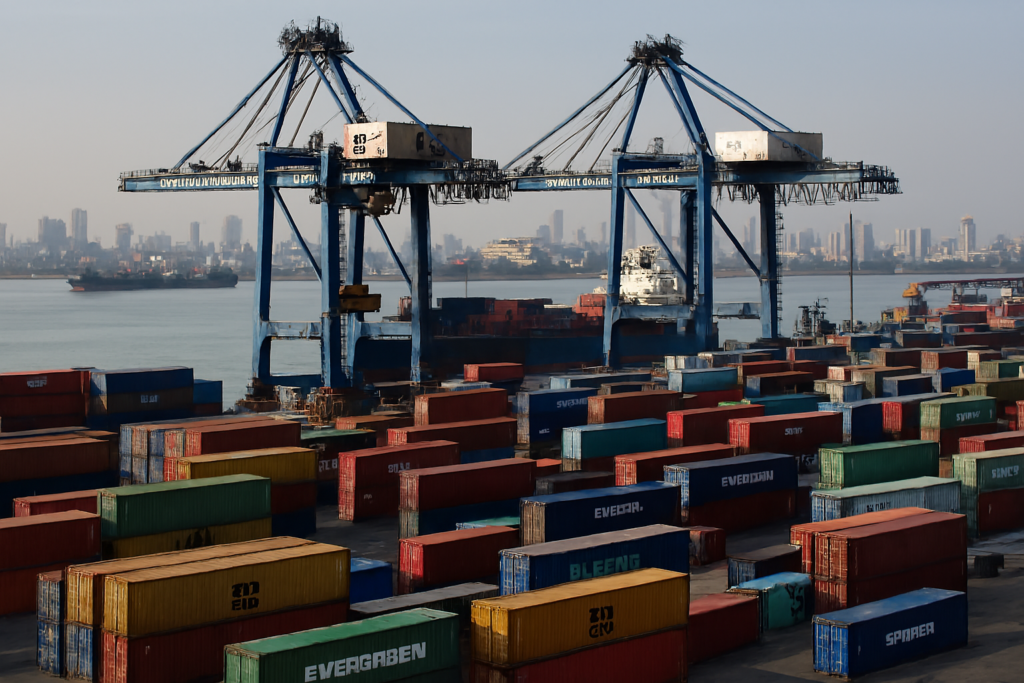
India, China Gain After U.S. Court Blocks Trump Tariffs: What It Means for China
For China, the development is even more direct. The tariffs originally targeted Chinese goods worth hundreds of billions of dollars. Blocking them eases cost pressures on Chinese exporters and American importers alike.
Key implications for China:
- Improved export competitiveness
- Reduced trade friction with U.S. buyers
- Strengthened yuan stability
- Boosted investor confidence in Chinese manufacturing
The decision may also open space for diplomatic recalibration between Washington and Beijing.
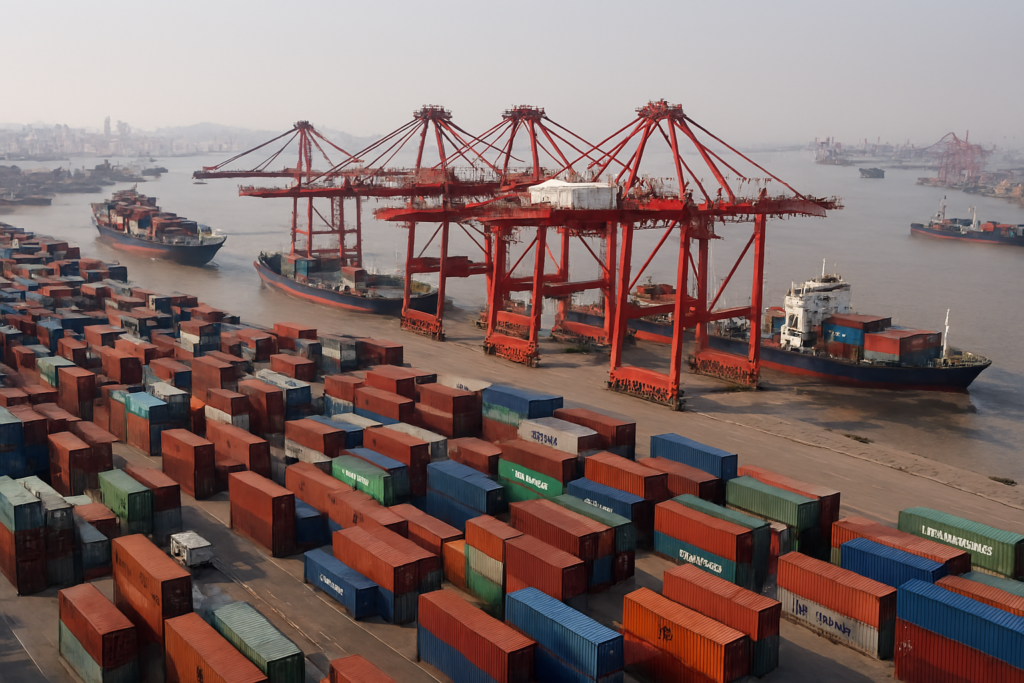
Global Trade Reaction and Market Outlook
The India, China Gain After U.S. Court Blocks Trump Tariffs ruling has implications beyond bilateral trade. The decision reinforces the idea that protectionist policies face institutional checks.
Global markets reacted cautiously optimistic:
- Asian markets edged higher
- U.S. importers welcomed cost relief
- European trade analysts called it a “reset moment”
However, policy uncertainty remains. Trade disputes are rarely settled permanently; they evolve with political leadership and economic priorities.
Strategic Implications for Emerging Economies
Emerging economies now see a window of opportunity. If trade flows normalize, countries integrated into global value chains — including Vietnam and Mexico — could benefit from improved demand conditions.
For India specifically, the combination of stable policy, demographic strength, and manufacturing incentives positions it well in a post-tariff environment.
India, China Gain After U.S. Court Blocks Trump Tariffs:
Conclusion
India and China Gain After U.S. Court Blocks Trump Tariffs is more than just a headline — it represents a structural shift in trade politics. The court’s decision reaffirms the importance of institutional balance in shaping economic policy.
The Supreme Court’s decision marks a turning point in U.S. trade policy. For now, India and China are celebrating a rare win, but Trump’s proposed global tariff suggests the battle over trade barriers is far from over. Exporters must remain cautious as U.S. trade policy continues to evolve.
For India, this is a moment to accelerate export competitiveness. For China, it offers breathing room in a tense geopolitical climate. For global markets, it restores a measure of predictability — something businesses crave in uncertain times.
As trade winds shift once again, policymakers and investors alike will watch closely to see whether this ruling marks a lasting change or merely the next chapter in an ongoing economic rivalry.