
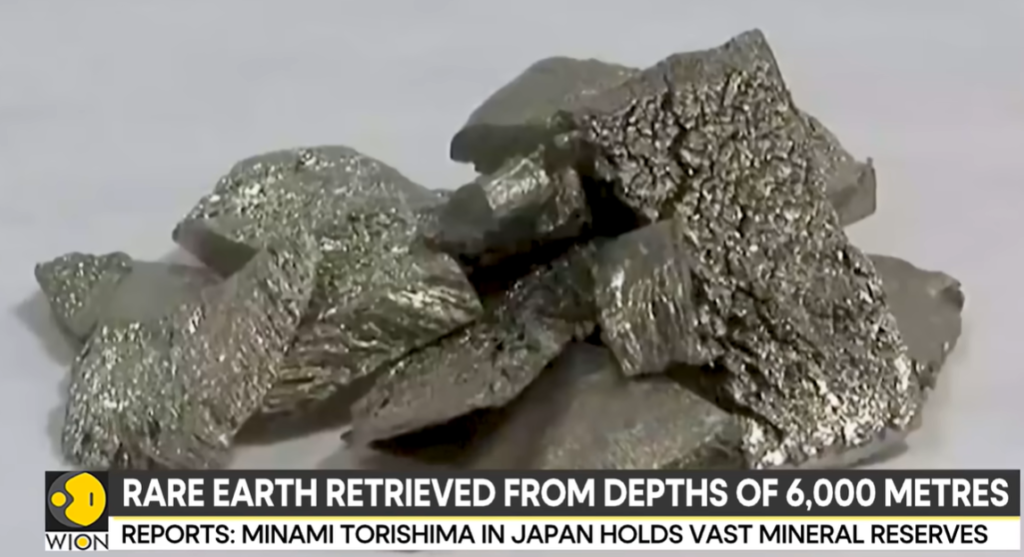
Japan’s Rare Earth Ocean Find Could Power 700 Years is not just a headline—it’s a potential turning point in global energy, technology supply chains, and geopolitics. As demand for rare earth elements surges due to electric vehicles, renewable energy systems, and advanced electronics, this discovery beneath the Pacific Ocean could redefine how the world sources critical minerals.
The Discovery
- Location: Minamitorishima, a remote Japanese island in the Pacific Ocean.
- Depth: 6,000 meters below sea level.
- Deposit Size: Over 16 million tons of rare earth oxides.
- Key Elements: Yttrium, dysprosium, and other rare earths essential for electronics, renewable energy, and defense technologies.
- Retrieval: Conducted by Japan’s deep-sea drilling vessel Chikyu, in collaboration with the University of Tokyo.
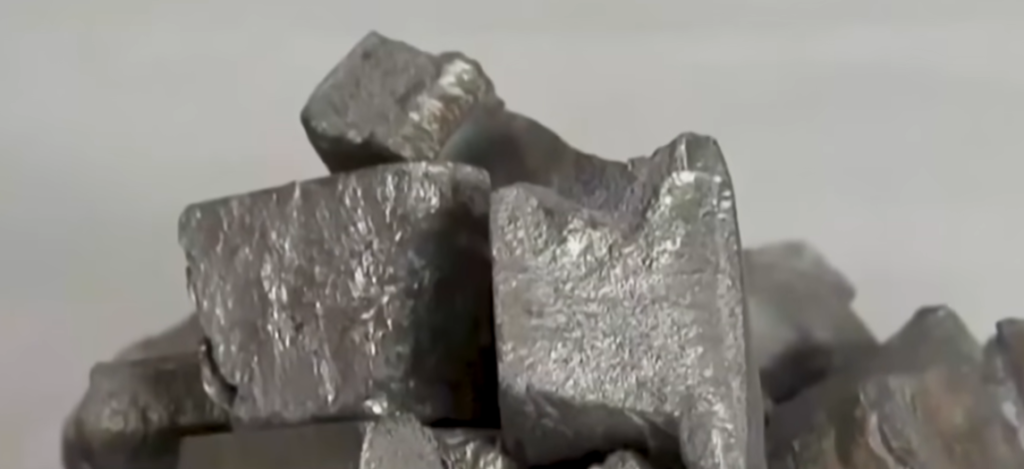
Japan’s Rare Earth Ocean Find Could Power 700 Years: What Was Discovered?
In a groundbreaking development, scientists in Japan have identified vast deposits of rare earth elements deep beneath the ocean floor near Minamitorishima Island. These deposits are found in seabed mud and are estimated to contain enough materials to meet global demand for centuries.
Rare earth elements such as neodymium, dysprosium, and yttrium are essential for manufacturing:
- Electric vehicle motors
- Wind turbines
- Smartphones and semiconductors
- Defense technologies
The scale of this discovery is staggering—experts suggest it could supply the world’s needs for up to 700 years.

Japan’s Rare Earth Ocean Find Could Power 700 Years: Why It Matters Globally
Currently, the global rare earth supply chain is heavily dominated by China, which controls a significant portion of mining and processing. This has created geopolitical dependencies and supply risks.
Japan’s discovery could:
- Reduce reliance on a single dominant supplier
- Stabilize global prices
- Strengthen supply chains for clean energy industries
- Enhance national security for countries dependent on these materials
This is particularly important as nations accelerate their transition to green energy and digital infrastructure.
Japan’s Rare Earth Ocean Find Could Power 700 Years: Technological Challenges
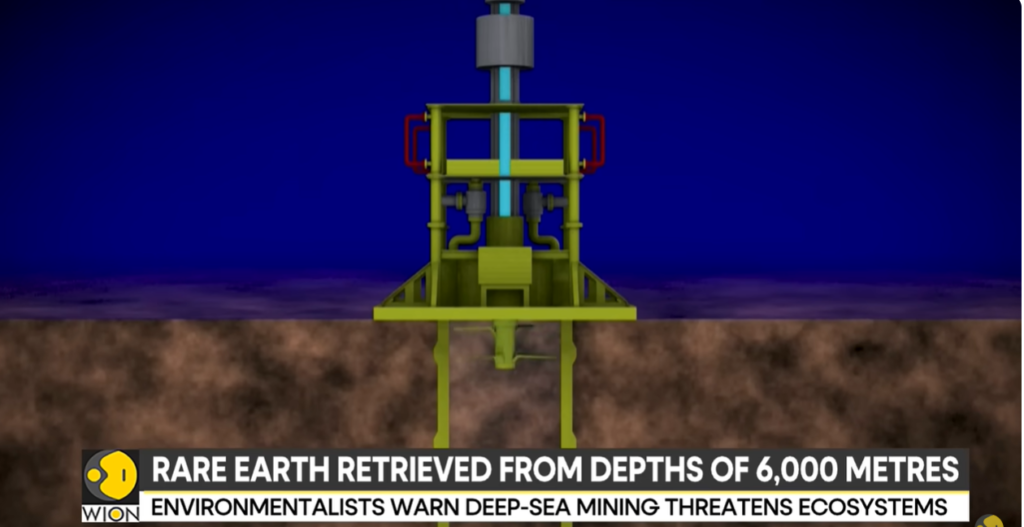
While the discovery is promising, extracting rare earth elements from deep-sea environments is not simple. The deposits lie thousands of meters below the ocean surface, requiring advanced underwater mining technologies.
Key challenges include:
- High extraction costs
- Environmental concerns related to marine ecosystems
- Need for specialized robotics and processing systems
Japanese researchers and companies are actively developing innovative solutions, including autonomous underwater vehicles and eco-friendly extraction techniques.

Japan’s Rare Earth Ocean Find Could Power 700 Years: Environmental Concerns
Environmentalists have raised concerns about the impact of deep-sea mining on fragile ecosystems. The ocean floor is home to unique biodiversity, much of which remains unexplored.
Potential risks include:
- Disruption of marine habitats
- Sediment plumes affecting ocean life
- Long-term ecological damage
Balancing economic benefits with environmental sustainability will be critical as Japan moves forward with this project.
Japan’s Rare Earth Ocean Find Could Power 700 Years: Impact on Clean Energy Future
Rare earth elements are the backbone of clean energy technologies. With this discovery, Japan could become a key player in the global transition toward sustainability.
Industries that stand to benefit:
- Electric vehicle manufacturing
- Renewable energy (wind & solar)
- Energy storage systems
- Advanced electronics
This could accelerate innovation and reduce costs, making green technologies more accessible worldwide.

Japan’s Rare Earth Ocean Find Could Power 700 Years: Economic and Strategic Implications
The economic implications are enormous. Japan could:
- Become a major exporter of rare earth materials
- Strengthen its manufacturing sector
- Reduce import dependency
- Gain strategic leverage in global markets
This discovery also signals a shift toward resource independence, a critical factor in today’s uncertain geopolitical climate.
Quick Comparison: Current vs. Future Supply
| Factor | Current Situation (2026) | With Japan’s Deposit |
|---|---|---|
| Global Supply Control | China ~75% | Japan could rival China |
| Longevity of Supply | Decades at best | ~700 years estimated |
| Environmental Risk | Land mining pollution | Deep-sea ecosystem disruption |
| Strategic Impact | China leverage | Japan gains global influence |
Conclusion
Japan’s Rare Earth Ocean Find Could Power 700 Years represents a monumental breakthrough with far-reaching consequences. While challenges remain in extraction and environmental protection, the potential benefits for global supply chains, clean energy, and economic stability are undeniable.
As the world watches closely, Japan’s next steps could determine how this discovery reshapes industries and powers the future for generations to come.