
Introduction
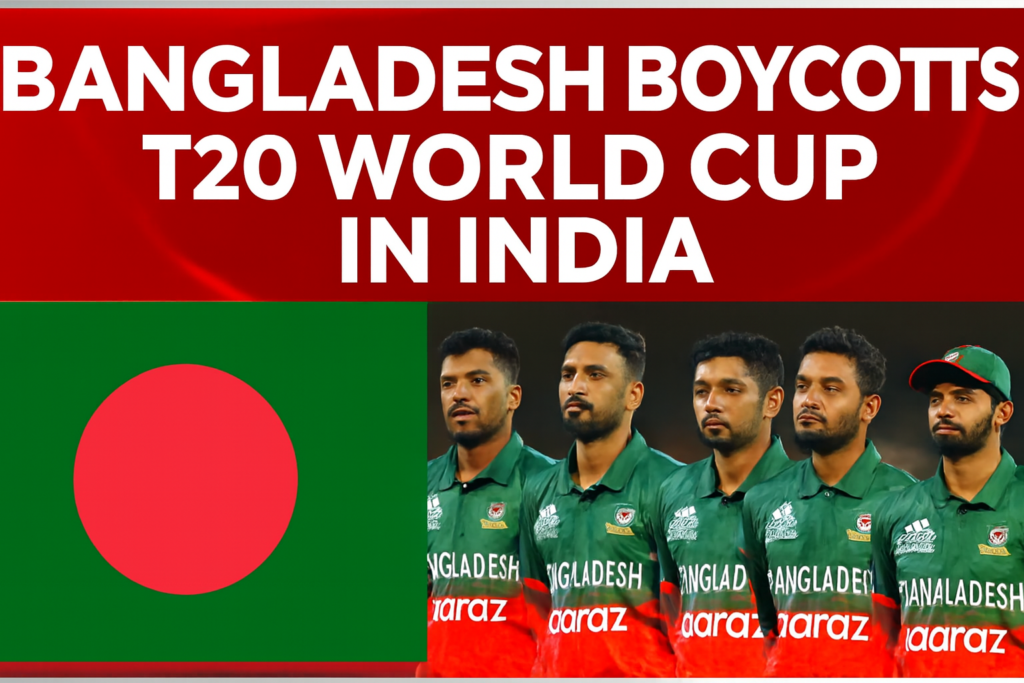
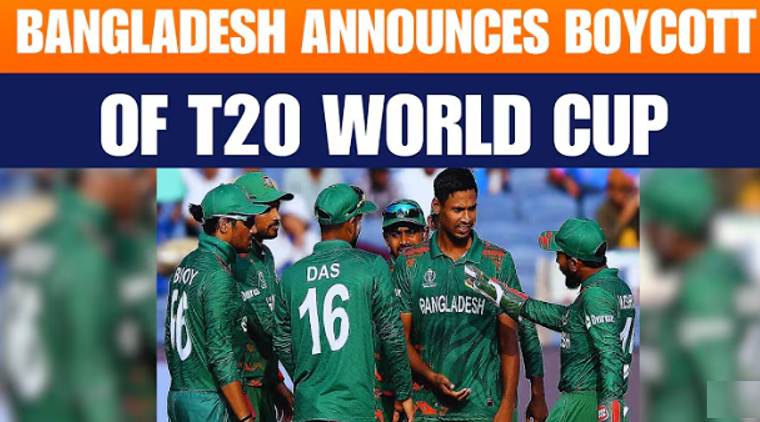
The cricketing world was stunned when news broke that Bangladesh out from WT20 2026 after refusing to play matches scheduled in India. The Bangladesh Cricket Board (BCB) demanded fixtures be shifted to a neutral venue, citing political and security concerns. The International Cricket Council (ICC) rejected the request, leading to Bangladesh’s withdrawal and Scotland’s inclusion as a replacement. This unprecedented move has sparked debate over politics, security, and the future of Bangladesh cricket.
Why Bangladesh Is Out from WT20
The decision for Bangladesh out from WT20 stems from weeks of tension between the BCB and ICC.
- Venue Dispute: Bangladesh insisted on playing outside India, proposing Sri Lanka as an alternative.
- Security Concerns: Officials claimed risks to players and fans, though ICC found no credible threat.
- ICC Ultimatum: The governing body gave Bangladesh a deadline to confirm participation, which expired without agreement.
Ultimately, Bangladesh’s boycott was confirmed by senior officials, marking one of the most dramatic exits in ICC tournament history.
ICC’s Firm Response
The ICC rejected Bangladesh’s demands, emphasizing that:
- No credible security threat justified venue changes.
- Altering fixtures would set a dangerous precedent for future tournaments.
- All other member nations voted against the venue shift.
As a result, the ICC announced that Scotland would replace Bangladesh in the WT20 lineup, ensuring the tournament schedule remained intact.
Historical Context of Boycotts
The news of Bangladesh out from WT20 echoes past instances where politics and security disrupted cricket:
- 1996 World Cup: Australia and West Indies refused to play in Colombo.
- 2003 World Cup: England and New Zealand forfeited matches in Zimbabwe and Kenya.
- 2026 WT20: Bangladesh joins this list, highlighting the recurring clash between cricket and geopolitics.
Impact on Bangladesh Cricket
The consequences of Bangladesh out from WT20 are significant:
- Loss of Exposure: Players miss the chance to compete against top teams on the global stage.
- Financial Setback: ICC events generate major revenue through broadcasting and sponsorships.
- Possible Sanctions: Reports suggest ICC may impose penalties, including exclusion from future tournaments.
- Fan Disappointment: Millions of Bangladeshi fans are left disheartened by their team’s absence.
Reactions from Stakeholders
The decision for Bangladesh out from WT20 has drawn mixed reactions:
- Players: Some expressed frustration at missing the opportunity to showcase their skills.
- Analysts: Many criticized the boycott as politically motivated rather than based on genuine security concerns.
- Fans: Social media erupted with disappointment, questioning whether the board prioritized politics over cricket.
Scotland Steps In
With Bangladesh out from WT20, Scotland has been given a surprise entry. For them, this is an unexpected opportunity:
- Boost for Associates: Scotland’s inclusion highlights ICC’s commitment to emerging teams.
- Competitive Balance: While Bangladesh’s absence weakens South Asian representation, Scotland brings fresh energy and enthusiasm.
Broader Implications for Cricket
The news of Bangladesh out from WT20 raises critical questions:
- Should politics dictate cricket scheduling?
- How credible are security concerns raised by boards?
- What precedent does this set for future ICC events?
The ICC’s firm stance suggests it will not allow venue boycotts to undermine the integrity of global tournaments.
Conclusion
The announcement of Bangladesh out from WT20 2026 is a watershed moment in cricket. By refusing to play in India, Bangladesh has prioritized political concerns over sporting opportunity, leaving fans and players disappointed. The ICC’s decision to replace them with Scotland underscores its commitment to fairness and consistency.
While the tournament will proceed, Bangladesh’s absence will be felt deeply. The boycott not only impacts the team’s cricketing future but also serves as a reminder of how geopolitics can intrude into the world’s most beloved sport.