
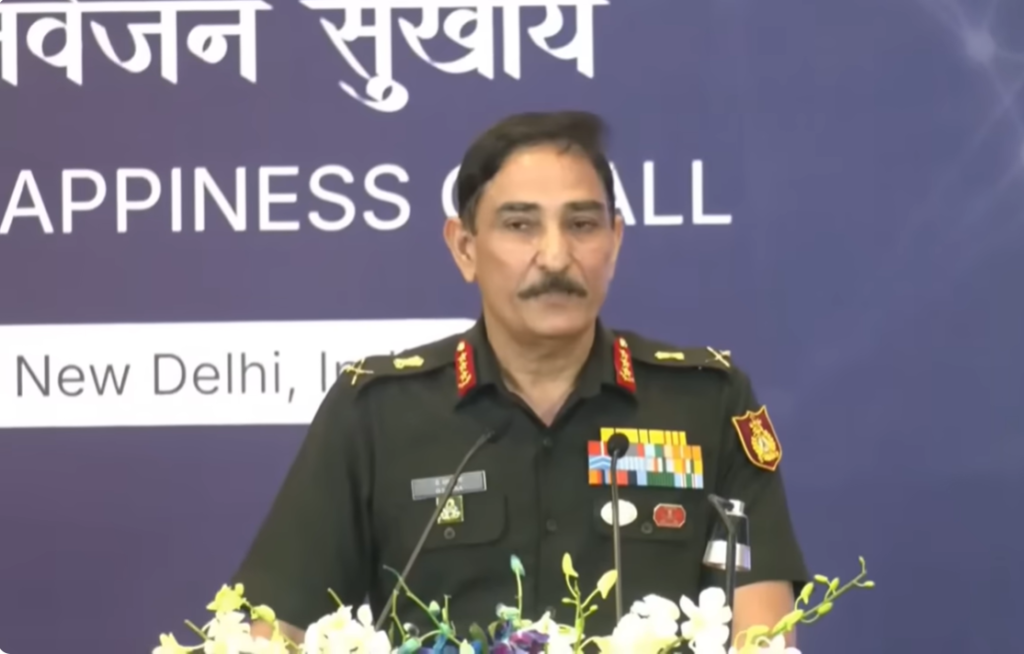
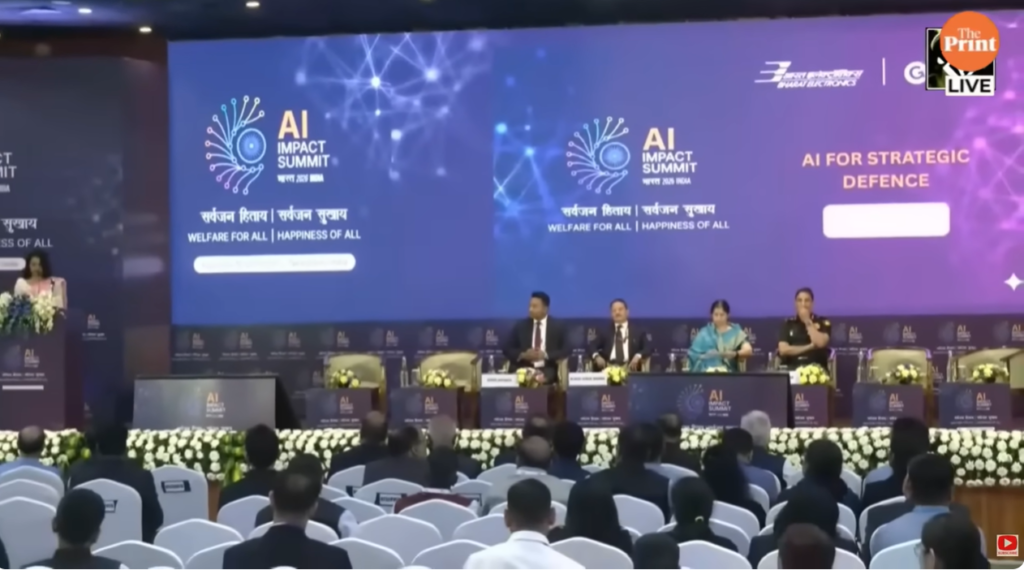
The India AI Impact Summit 2026 in New Delhi was designed to highlight the nation’s growing capabilities in artificial intelligence and robotics. But one of the most striking interventions came from Dr. Chandrika Kaushik, Director General of the Defence Research and Development Organisation (DRDO), who issued a clear warning: India cannot rely on foreign‑developed AI models such as Google Gemini or ChatGPT for sensitive military applications.
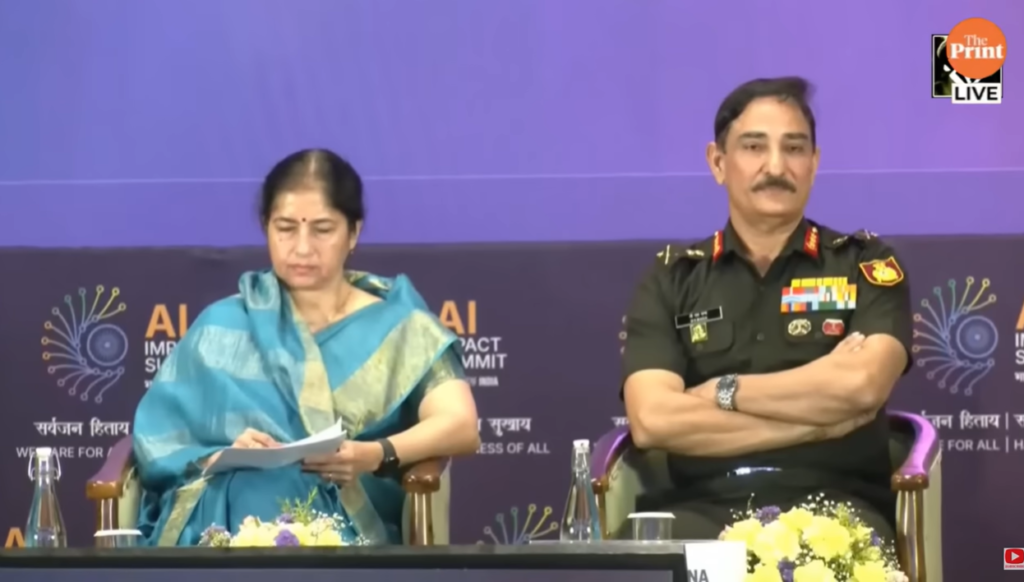
Her remarks underscored the strategic importance of building indigenous AI systems that are secure, reliable, and tailored to India’s defense needs.
Why Foreign AI Models Pose Risks
Dr. Kaushik explained that while tools like Gemini and ChatGPT are powerful, they are developed and controlled by foreign companies. For military use, this creates multiple risks:
- Data Security: Sensitive defense data could be exposed to external servers.
- Control & Reliability: India would lack full control over updates, algorithms, and potential backdoors.
- Strategic Autonomy: Dependence on foreign AI undermines India’s ability to act independently in critical defense scenarios.
- Trust Deficit: Military systems require absolute trust, which cannot be guaranteed with external platforms.
She emphasized that defense applications demand AI models that are fully trusted, verified, and sovereign.
Call for Indigenous AI Development
The DRDO DG’s statement aligns with a broader push for self‑reliance in defense technology. India has already made strides in indigenous missile systems, fighter aircraft, and cybersecurity frameworks. Now, AI is seen as the next frontier.
Dr. Kaushik urged policymakers, researchers, and industry leaders to collaborate on building homegrown AI models specifically designed for:
- Battlefield decision support
- Autonomous defense systems
- Surveillance and reconnaissance
- Cybersecurity and threat detection
Political and Strategic Context
Her remarks came amid growing global debates about AI sovereignty. Countries like the US, China, and Russia are investing heavily in military AI, often restricting foreign access. For India, the message is clear: national security cannot be outsourced.
The statement also resonated with other voices at the summit. Former NITI Aayog CEO Amitabh Kant similarly warned against over‑reliance on ChatGPT, stressing that India has the talent and data to build its own AI systems.
Challenges Ahead
While the call for indigenous AI is compelling, several challenges remain:
- Infrastructure: Developing large‑scale AI models requires advanced computing power and semiconductor capabilities.
- Talent Retention: India must prevent brain drain by incentivizing AI researchers to stay and contribute locally.
- Funding: Defense‑grade AI development demands significant investment.
- Global Collaboration vs. Autonomy: India must balance learning from global AI leaders while ensuring sovereignty.
Opportunities for India
Despite challenges, India has unique advantages:
- Massive Data Resources: India’s diverse datasets can train robust AI models.
- Strong IT Ecosystem: A thriving tech industry provides a foundation for AI innovation.
- Government Support: Initiatives like the National AI Mission and Digital India can accelerate progress.
- Defense‑Industry Collaboration: Partnerships between DRDO, startups, and universities can foster innovation.
Conclusion
The India AI Impact Summit 2026 highlighted both opportunities and vulnerabilities in India’s AI journey. The DRDO DG’s warning about foreign AI models was a reminder that national security requires sovereign, indigenous solutions.
For India to emerge as a global leader in defense AI, it must invest in trusted, homegrown systems that safeguard data, ensure reliability, and uphold strategic autonomy. The path forward will demand collaboration, innovation, and unwavering commitment to self‑reliance.