
FDI surge in Indian financial sector has become one of the most significant economic developments in recent years. With foreign direct investment inflows crossing USD 81 billion in FY 2024–25, the financial services industry has emerged as a key magnet for global capital. For investors, this surge signals both opportunities and challenges in a rapidly evolving market.
FDI Surge in Banking Sector
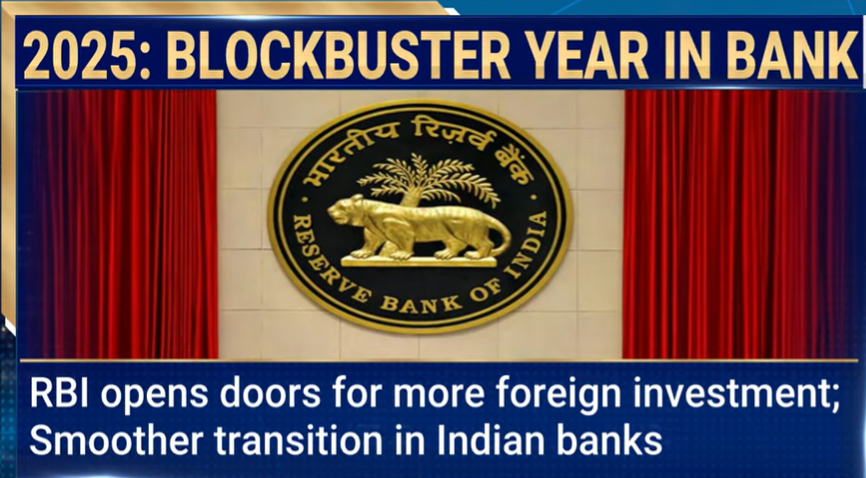
FDI in banking sector has accelerated as India liberalized entry routes and encouraged foreign participation.
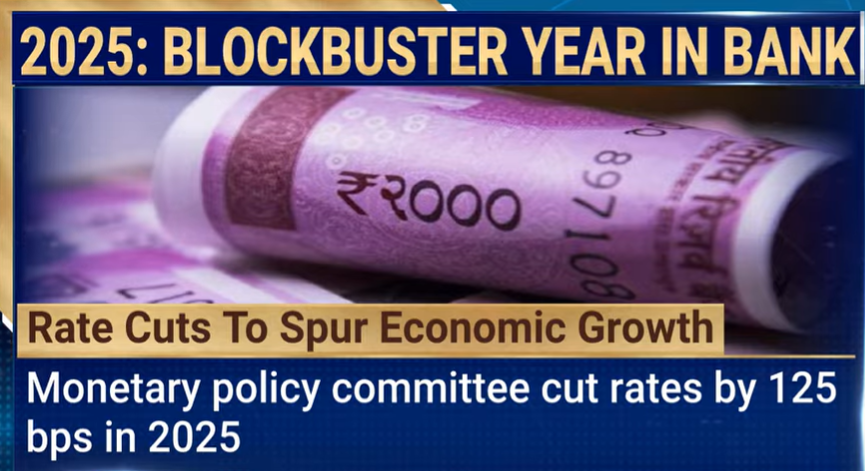
- FDI inflows into retail and corporate banking are rising due to strong demand for credit.
- Global banks are expanding operations in India, targeting consumer loans, credit cards, and digital banking services.
- Investors benefit from exposure to India’s growing middle class and financial inclusion programs.
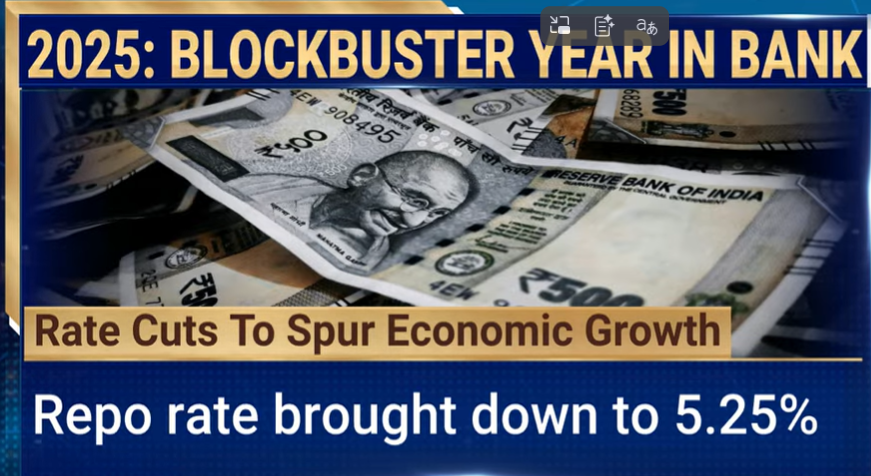
The banking sector’s FDI surge highlights the potential for long‑term growth, especially in digital banking and rural outreach.
FDI Surge in Insurance and Asset Management
FDI in insurance and asset management has gained momentum after India raised foreign ownership limits.
- Global insurers are entering India’s life and health insurance markets.
- Asset management firms are launching new funds to tap into India’s rising wealth.
- Pension and retirement products are attracting foreign capital, offering investors diversified opportunities.
For investors, this means access to innovative products and higher valuations in listed insurance companies.
FDI Surge in Fintech Industry
FDI in fintech industry is one of the fastest‑growing segments of India’s financial sector.
- India’s fintech market, valued at over $50 billion, is expanding rapidly.
- FDI is fueling innovation in payment gateways, lending platforms, and blockchain solutions.
- Global venture capital firms are backing Indian fintech startups, creating opportunities for early‑stage investors.
The fintech FDI surge reflects India’s digital revolution, with UPI transactions and mobile banking driving adoption.
FDI Surge in Regional Financial Hubs
FDI in regional hubs like Maharashtra, Karnataka, and Delhi has strengthened India’s position as a global financial destination.
- Maharashtra (Mumbai) remains the top FDI destination due to its banking and capital markets ecosystem.
- Karnataka (Bengaluru) attracts fintech and IT‑driven financial services.
- Delhi NCR is emerging as a hub for insurance and asset management firms.
Investors focusing on these hubs gain access to infrastructure, talent, and established networks.
Risks of FDI Surge in Financial Sector
FDI risks in financial sector must be considered by investors:
- Regulatory uncertainty in taxation and compliance can affect profitability.
- Market competition is intense, with domestic players challenging foreign entrants.
- Global volatility, including interest rate changes, may impact capital flows.
- Execution risks remain in integrating global practices with local realities.
Investors should balance optimism with caution, adopting a long‑term perspective.
Investor Benefits from FDI Surge
Investor benefits from FDI surge are evident across multiple dimensions:
- Valuation boost in listed financial companies due to foreign participation.
- Access to innovative financial products introduced by global firms.
- Portfolio diversification through new asset classes like REITs and InvITs.
- Job creation and economic growth, indirectly supporting consumer‑driven sectors.
Domestic investors stand to gain from enhanced competition and efficiency in financial services.
Expert Views on FDI Surge
Expert views on FDI surge emphasize both opportunities and caution.
- Economists highlight technology transfer, governance standards, and global best practices.
- Policy analysts argue that FDI enhances competition and efficiency, benefiting consumers.
- Fund managers warn that FDI inflows can be cyclical, urging investors to focus on fundamentals.
Experts agree that the FDI surge in Indian financial sector is a long‑term growth story.
Conclusion: FDI Surge and Investor Outlook
FDI surge in Indian financial sector underscores India’s growing importance in the global investment landscape. For investors, this means greater opportunities in banking, insurance, fintech, and asset management, but also the need to navigate regulatory and competitive challenges.
As India continues to liberalize and digitize its financial ecosystem, both foreign and domestic investors stand to benefit from a sector poised for sustained growth. The key lies in leveraging opportunities while managing risks effectively.