
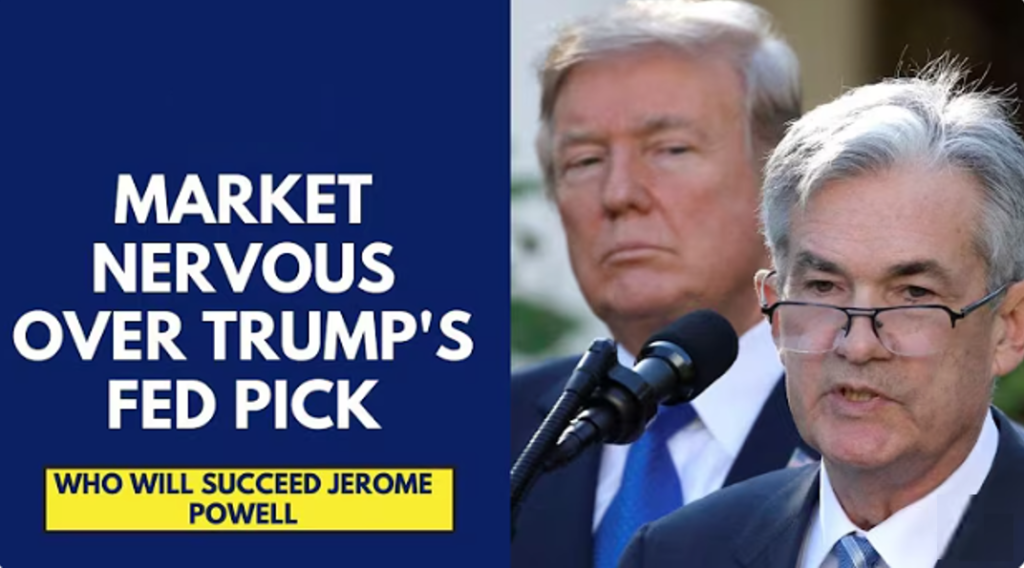
Introduction: Gold and Silver Crash Triggered by Trump Order
The Gold and Silver Crash of early 2026 shocked global markets, erasing trillions in value. At the heart of this collapse was a Trump order that reshaped monetary policy and investor sentiment. Rising tariffs, inflationary pressures, and a dramatic intervention in the Federal Reserve combined to create one of the sharpest declines in precious metals in decades.
Gold and Silver Crash: From Record Highs to Sudden Collapse
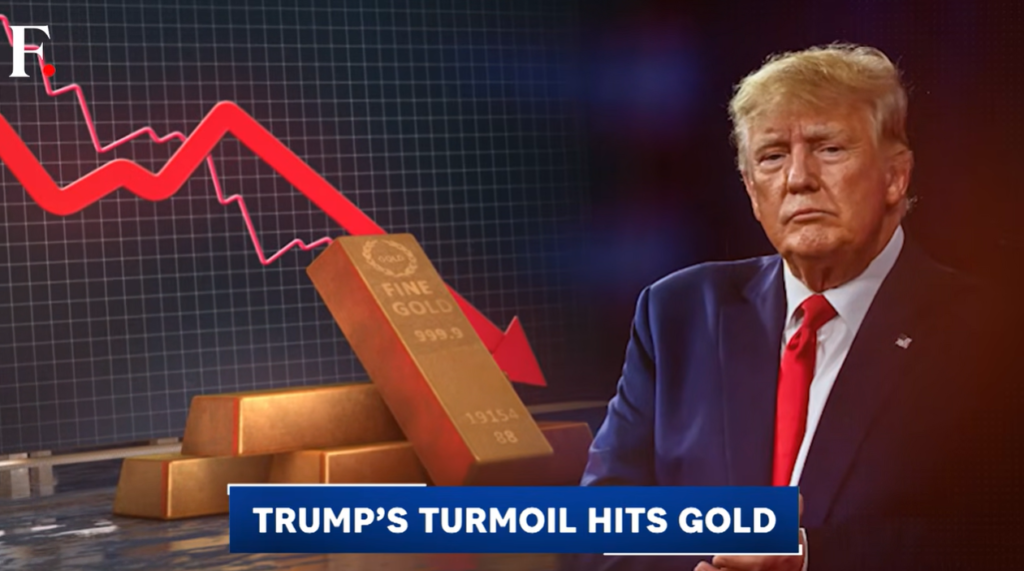
For months, gold and silver had been climbing to historic highs.
- Gold prices touched nearly $5,000 per ounce, while silver surged past $115 per ounce.
- Investors viewed these metals as safe havens against inflation, currency volatility, and geopolitical risks.
- Central banks increased gold reserves, while silver demand rose due to renewable energy and electronics.
This rally created confidence that precious metals would continue to rise. Yet the Gold and Silver Crash proved how quickly political decisions can overturn market trends.
Trump Tariffs and Inflation: Setting the Stage for the Crash
President Trump’s aggressive tariff policies aimed to protect U.S. industries but had unintended consequences.
- Tariffs raised the cost of imported goods, fueling inflation across the country.
- Rising consumer prices pushed investors toward gold and silver as inflation hedges.
- The metals market became overheated, setting up conditions for volatility.
The Gold and Silver Crash was not just about investor speculation—it was deeply tied to Trump’s economic strategy.
Trump Order and Federal Reserve Intervention
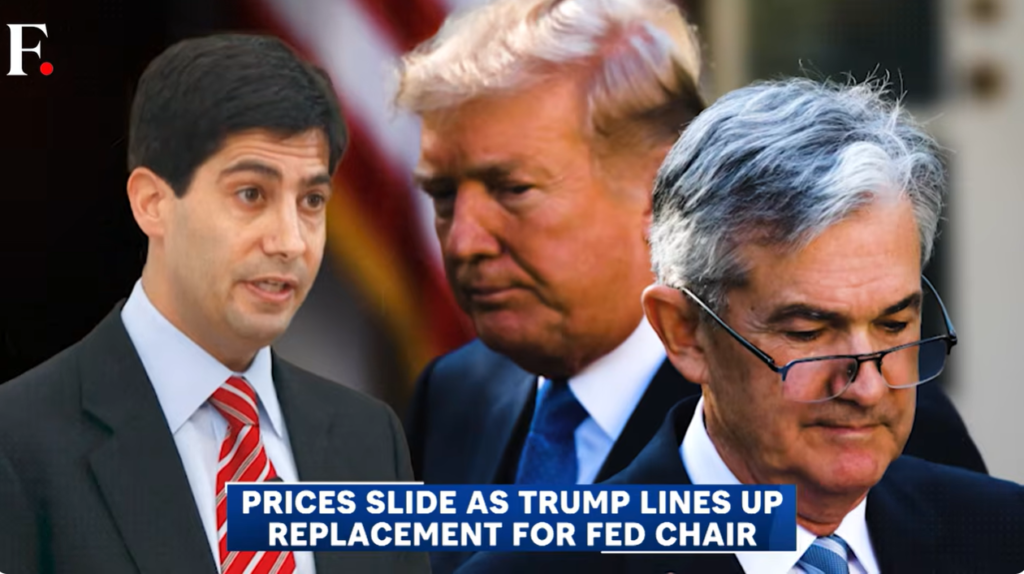
To counter inflation, Trump wanted to cut interest rates. Lower rates would stimulate borrowing and growth but risk weakening the dollar.
- Trump intervened in the Federal Reserve, pressuring Governor Jerome Powell to slash rates.
- Powell resisted, warning that aggressive cuts could destabilize global markets.
- This standoff created uncertainty, rattling investors worldwide.
The decisive moment came when Trump issued an order to nominate Kevin Warsh as the next Fed chair. Warsh, known as an inflation hawk, signaled tighter monetary policy and a stronger dollar. This announcement triggered panic selling in gold and silver.
The Gold and Silver Crash: Market Impact
The Gold and Silver Crash unfolded rapidly:
- Gold prices fell nearly 9% in a single day, dropping below $4,950 per ounce.
- Silver plunged over 15%, crashing to $95 per ounce.
- On India’s MCX, silver futures dropped by more than ₹45,000 per kg, while gold lost ₹14,000 per 10 grams.
- Globally, over $5 trillion in market capitalization was wiped out.
Secondary Factors Behind the Gold and Silver Crash
While Trump’s order was the spark, other factors deepened the collapse:
- Profit booking by investors who had enjoyed the rally.
- CME margin hikes on gold and silver futures, forcing leveraged traders to liquidate positions.
- Dollar strength, which surged on expectations of tighter Fed policy.
These combined pressures amplified the Gold and Silver Crash, making it one of the most dramatic commodity market events in recent history.
Investor Sentiment and Global Reactions
The crash created widespread panic:
- Retail investors in India, heavily invested in gold and silver, faced sudden losses.
- Hedge funds and institutional players scrambled to rebalance portfolios.
- Analysts debated whether this was a temporary correction or the end of the metals bull run.
The Gold and Silver Crash highlighted how political intervention in monetary policy can ripple across global markets.
Jerome Powell’s Resistance and Global Stability
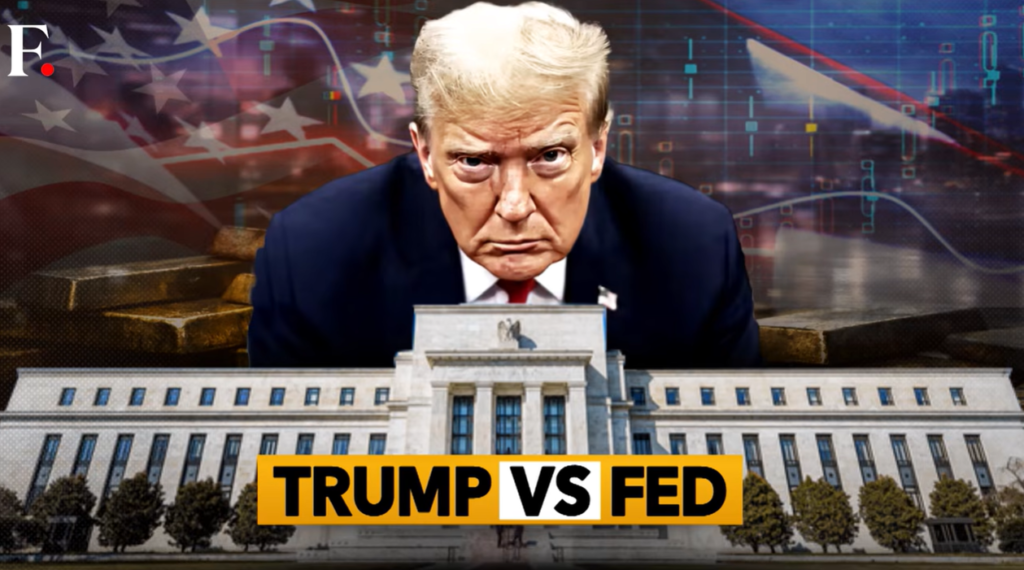
Jerome Powell’s refusal to bow to Trump underscored the independence of the Federal Reserve.
- Powell argued that cutting rates too sharply would harm global stability.
- His stance reassured international markets but clashed with Trump’s domestic agenda.
- The tension between political power and monetary independence added to investor anxiety.
This conflict was central to the Gold and Silver Crash, showing how leadership disputes can destabilize commodities.
Future Outlook After the Gold and Silver Crash
- Short-term volatility is expected as markets digest Trump’s order and Fed policy.
- Long-term fundamentals—industrial demand for silver and central bank gold buying—remain strong.
- Investor strategy: Experts advise caution, noting that while panic drove the crash, fundamentals may support a rebound.
Conclusion: Lessons from the Gold and Silver Crash
The Gold and Silver Crash of 2026 illustrates how tariffs, inflation, and political intervention can reshape global markets overnight. Trump’s tariffs fueled inflation, his order to cut rates clashed with Powell’s global outlook, and his nomination of Kevin Warsh triggered panic selling.
For investors, the lesson is clear: precious metals are not immune to policy shocks. While fundamentals remain supportive, political decisions—especially those affecting the Federal Reserve—can swiftly overturn market trends and erase trillions in value.