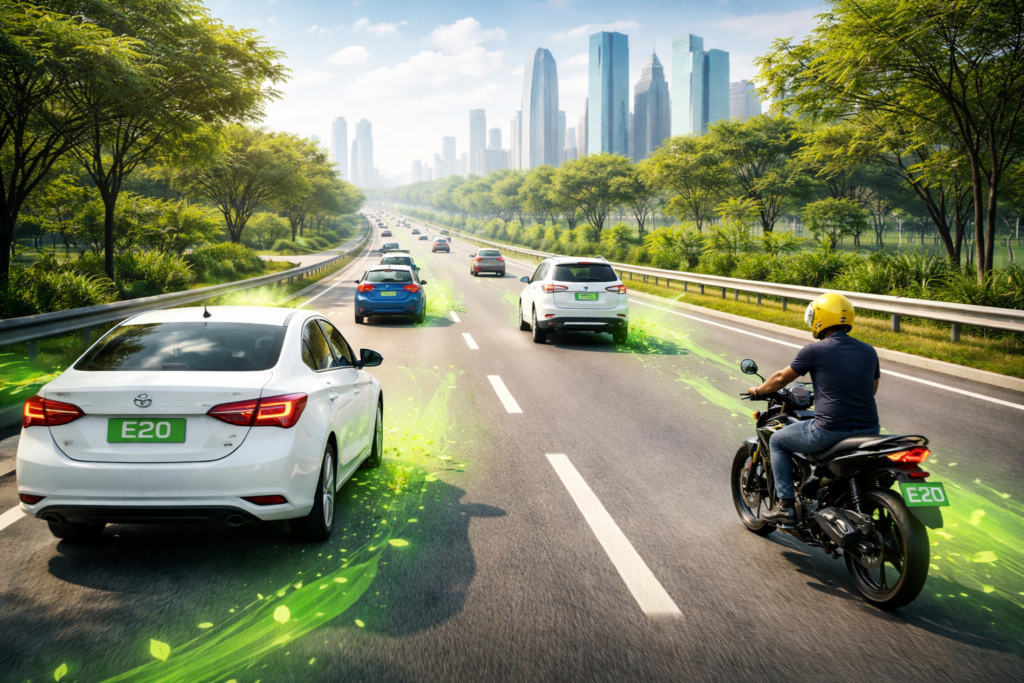
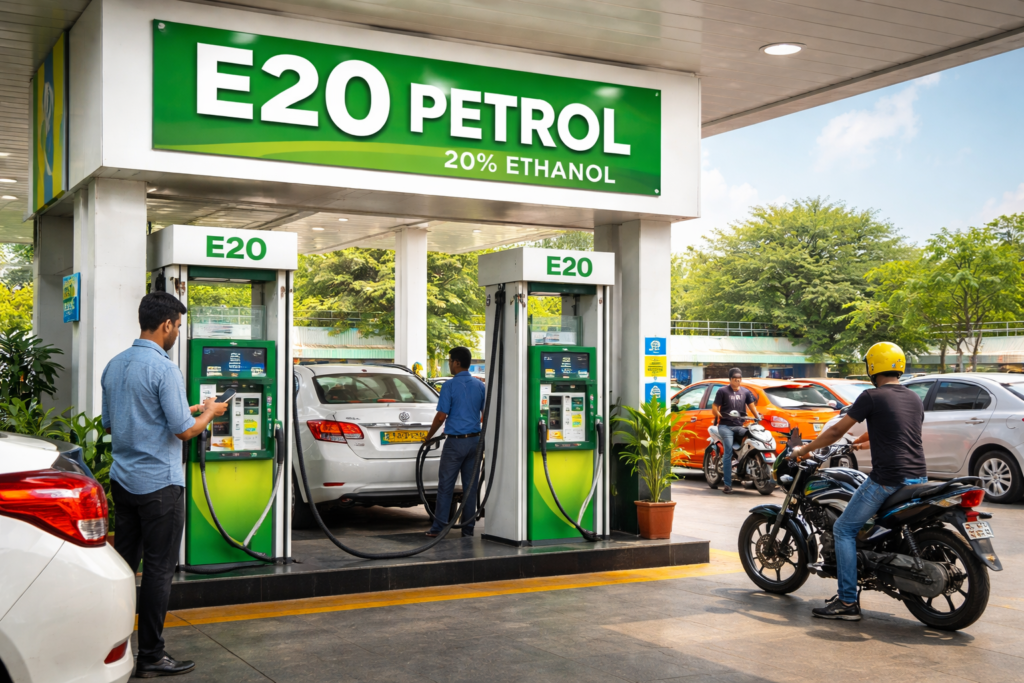
India’s adoption of E20 petrol is sparking major debate as the nation fast-tracks its shift toward cleaner, sustainable fuels for cars and two-wheelers. With the government pushing ethanol blending to reduce crude oil imports and carbon emissions, E20 petrol—fuel blended with 20% ethanol—is becoming increasingly common at fuel stations across India.
As an experienced observer of India’s evolving energy landscape, this move represents both an opportunity and a challenge for millions of vehicle owners.
What is E20 Petrol? – India Adopts E20 Petrol: Impact on Cars & Two-Wheelers
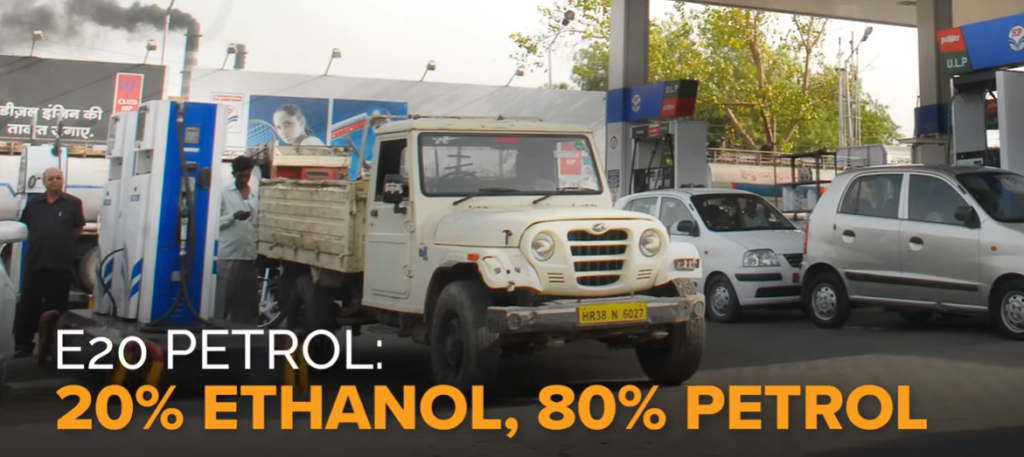
E20 petrol is a fuel blend containing 20% ethanol mixed with 80% conventional petrol. Ethanol is a biofuel derived primarily from sugarcane, maize, and other agricultural products. The shift to E20 is part of India’s long-term strategy to reduce dependency on fossil fuels and promote renewable energy sources.
Why India Adopts E20 Petrol Matters For Cars & Two-Wheelers
The transition to E20 petrol is driven by multiple factors:
- Reduced Oil Imports: India imports over 80% of its crude oil needs
- Lower Emissions: Ethanol burns cleaner than petrol
- Boost to Agriculture: Supports farmers through ethanol production
- Economic Savings: Helps reduce foreign exchange outflow
However, while the macro benefits are clear, the real impact is felt at the consumer level.
India Adopts E20 Petrol: Impact on Cars & Two-Wheelers Performance
1. Engine Compatibility
Not all vehicles are immediately compatible with E20 fuel.
- New Vehicles (Post-2023 models): Designed to handle E20 petrol
- Older Vehicles: May face wear and tear in fuel system components
Manufacturers have started producing E20-compliant engines, but millions of older vehicles remain on the road.
2. Mileage Impact
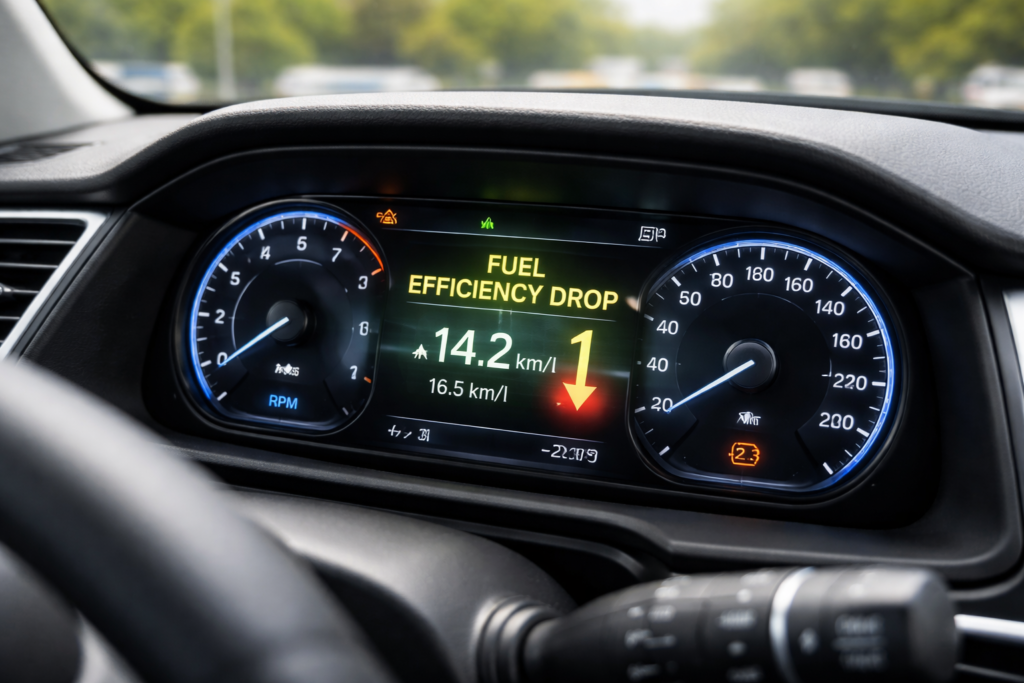
One of the biggest concerns under India Adopts E20 Petrol: Impact on Cars & Two-Wheelers is fuel efficiency.
- Ethanol has lower energy density than petrol
- Mileage may drop by 3–7% depending on the vehicle
This means slightly higher fuel consumption for the same distance.
India Adopts E20 Petrol: Impact on Two-Wheelers Specifically
Two-wheelers dominate Indian roads, making them crucial in this transition.
Key Effects:
- Rubber & Plastic Damage: Ethanol can corrode certain materials
- Cold Start Issues: Especially in older bikes
- Fuel System Stress: Carburetor-based engines are more vulnerable
However, newer two-wheelers are being built with ethanol-resistant components, reducing these risks.
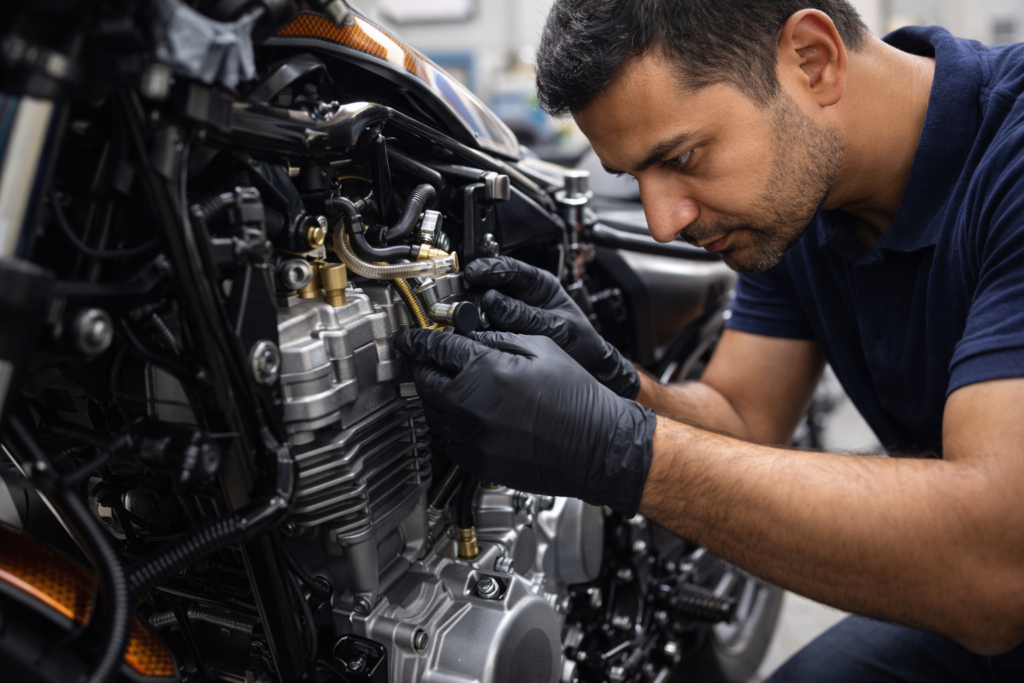
India Adopts E20 Petrol: Impact on Maintenance Costs
Vehicle owners may experience:
- Slight increase in maintenance frequency
- Possible fuel line replacements in older vehicles
- Higher long-term servicing costs if compatibility is ignored
That said, proper servicing and manufacturer guidelines can minimize these issues.
India Adopts E20 Petrol: Impact on Environment
The environmental benefits are significant:
- Reduction in carbon monoxide emissions
- Lower greenhouse gas output
- Promotion of renewable fuel ecosystem
India’s push toward E20 is aligned with global sustainability goals and climate commitments.
India Adopts E20 Petrol: Impact on Automobile Industry
The auto sector is rapidly adapting:
- Car and bike manufacturers are launching E20-ready models
- Increased R&D investment in flex-fuel engines
- Gradual shift toward hybrid and electric vehicles
This transition is reshaping the future of mobility in India.
India Adopts E20 Petrol: Impact on Consumers – What Should You Do?
If you own a vehicle, here’s what you should consider:
- Check if your vehicle is E20-compatible
- Follow manufacturer fuel recommendations
- Avoid long-term use in incompatible engines
- Stay updated on fuel rollout in your region
Conclusion: India Adopts E20 Petrol: Impact on Cars & Two-Wheelers
India Adopts E20 Petrol: Impact on Cars & Two-Wheelers is a transformative shift in the country’s fuel ecosystem. While it offers long-term environmental and economic advantages, it also brings short-term challenges for vehicle owners—especially those with older models.
The transition is inevitable, and adapting early—whether through upgrading vehicles or maintaining existing ones properly—will be key. As India moves toward cleaner mobility, E20 petrol stands as a stepping stone toward a more sustainable future.