
Introduction
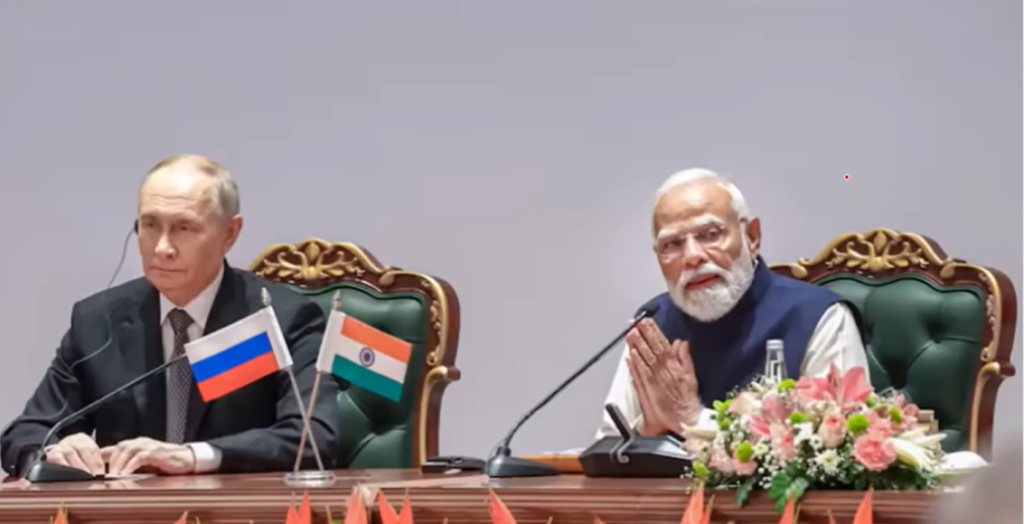
India Russia trade is entering a new phase with the introduction of a semi‑floating rupee‑ruble exchange rate, fixed monthly for bilateral transactions. This mechanism, coordinated by the Reserve Bank of India (RBI) and the Central Bank of Russia, aims to reduce foreign exchange costs, stabilize trade flows, and bypass Western sanctions that have disrupted dollar‑based settlements. By fixing the rate monthly, both countries will enjoy predictability in contracts while retaining flexibility to adjust to market conditions.
Why India and Russia Need a Semi‑Floating Rupee‑Ruble Exchange Rate
- Currency Conversion Costs: At present, most India Russia trade is routed through third currencies like the UAE dirham or Chinese yuan, adding 4–5% extra costs. A direct rupee‑ruble mechanism eliminates this inefficiency.
- Trade Imbalance: Bilateral trade reached nearly $69 billion in FY25, driven by India’s imports of discounted Russian oil. However, Russia has struggled to use the large rupee reserves accumulated in Indian banks.
- Sanctions Pressure: Western restrictions on Russia have blocked traditional payment channels in dollars and euros. The rupee‑ruble framework offers a sustainable alternative.
How the Semi‑Floating Rupee‑Ruble Exchange Rate Will Work
- Monthly Fix: The exchange rate will be set once a month, reflecting market conditions but providing stability for exporters and importers.
- Central Bank Role: The RBI and the Central Bank of Russia will jointly determine the rate, ensuring transparency and predictability.
- Settlement: Payments will be made directly in rupees and rubles, reducing reliance on third‑party currencies.
Benefits for India
- Lower Forex Costs: Indian businesses save 4–5% on conversion charges, making exports more competitive.
- Boost to Exports: Pharma, automobiles, textiles, and machinery exporters gain easier access to Russian markets.
- Energy Security: Oil imports from Russia can be settled smoothly, ensuring uninterrupted supply at discounted rates.
- Strategic Autonomy: India reduces dependence on the dollar, strengthening its position in global trade.
Benefits for Russia
- Direct Ruble Payments: Russia receives payments directly in rubles, avoiding blocked dollar transactions.
- Utilization of Rupee Reserves: The mechanism allows Russia to spend rupee balances on Indian goods and services.
- Stable Demand: Energy exports to India remain secure with predictable monthly settlements.
- Sanctions Resilience: Russia gains a reliable trade channel outside Western financial systems.
Challenges Ahead
- Volatility Risk: A monthly fixed rate may not fully capture sudden market swings.
- Liquidity Issues: If Indian exports fail to match imports, rupee reserves in Russia could remain underutilized.
- Global Scrutiny: The mechanism may attract attention from Western regulators, complicating India’s wider financial relations.
- Implementation: Coordinating banks and businesses across two countries requires strong infrastructure and compliance systems.
Strategic Implications for India Russia Trade
The semi‑floating rupee‑ruble exchange rate reflects a global trend of countries seeking alternatives to the dollar.
- For India, it strengthens energy security and opens new export opportunities.
- For Russia, it provides a lifeline amid sanctions and ensures continued access to one of the world’s fastest‑growing markets.
- Together, the move signals a shift toward multipolar financial systems, where regional currencies play a larger role in trade settlements.
Conclusion
The introduction of a semi‑floating rupee‑ruble exchange rate fixed monthly is a landmark in India Russia trade relations. It promises cost savings, trade stability, and strategic autonomy for both nations, while also posing challenges of volatility and global scrutiny. If implemented effectively, this mechanism could become a model for other countries seeking to bypass dollar dominance and build resilient trade partnerships.