
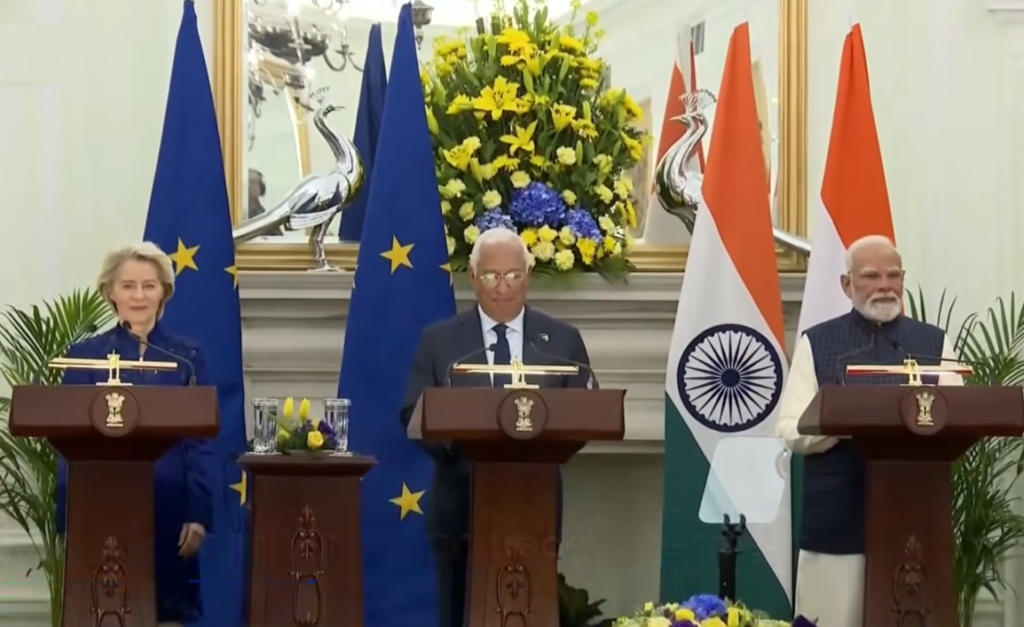
India-EU Trade Deal: A Landmark in Global Trade
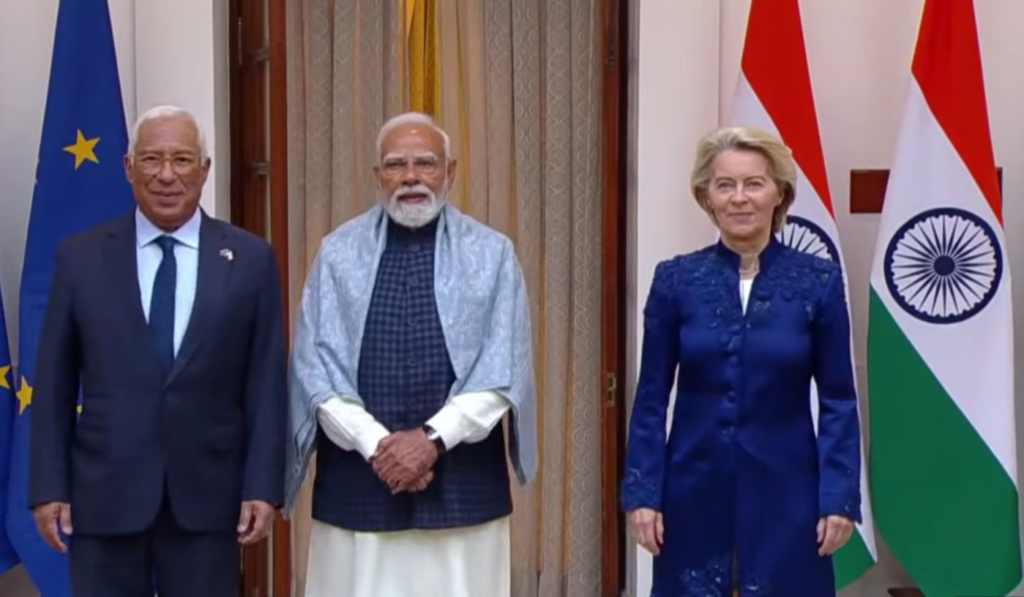
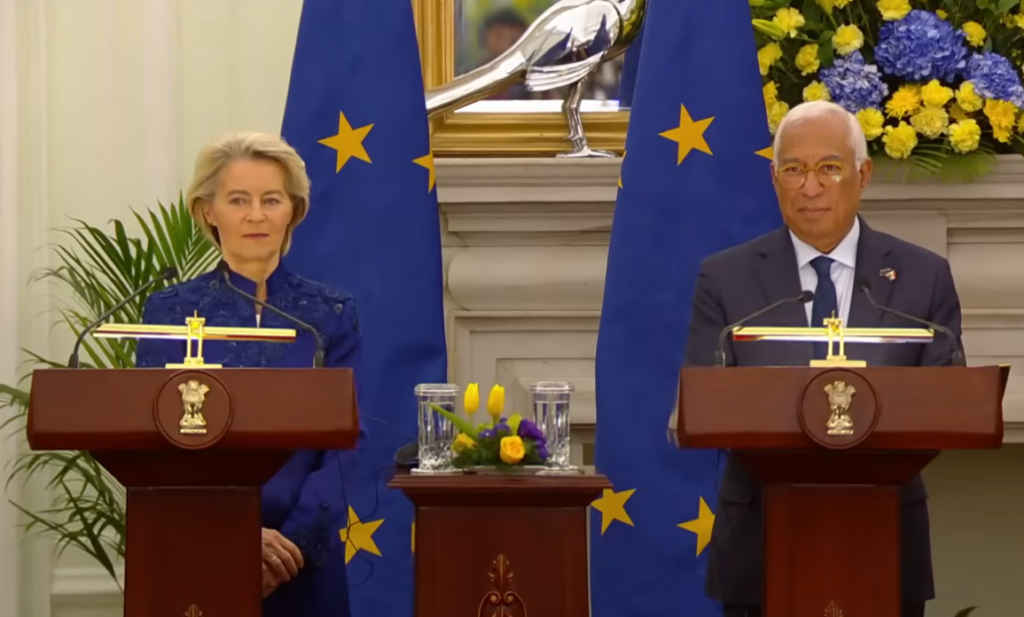
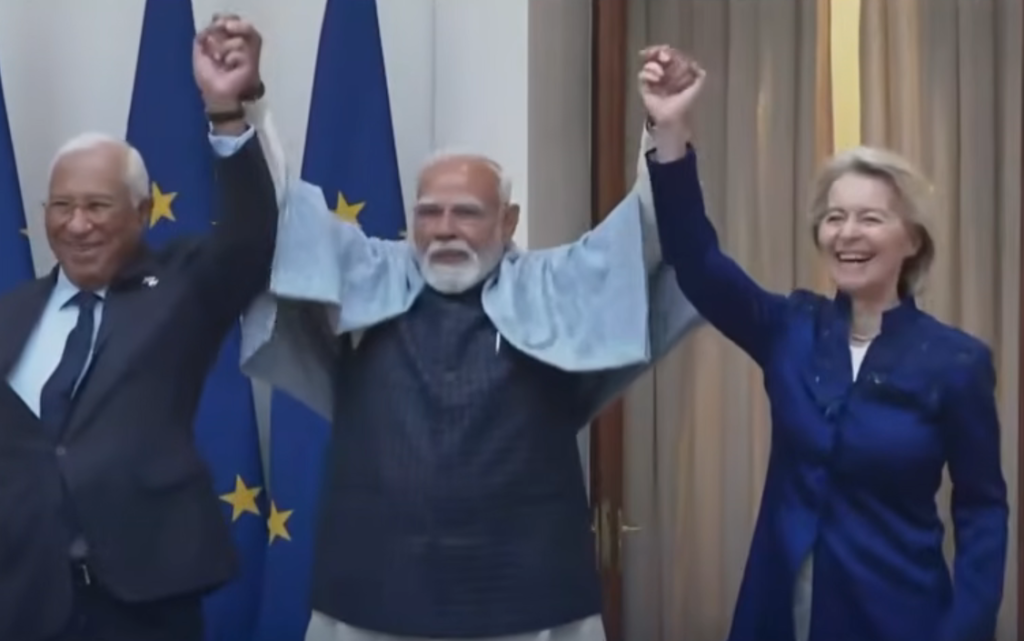
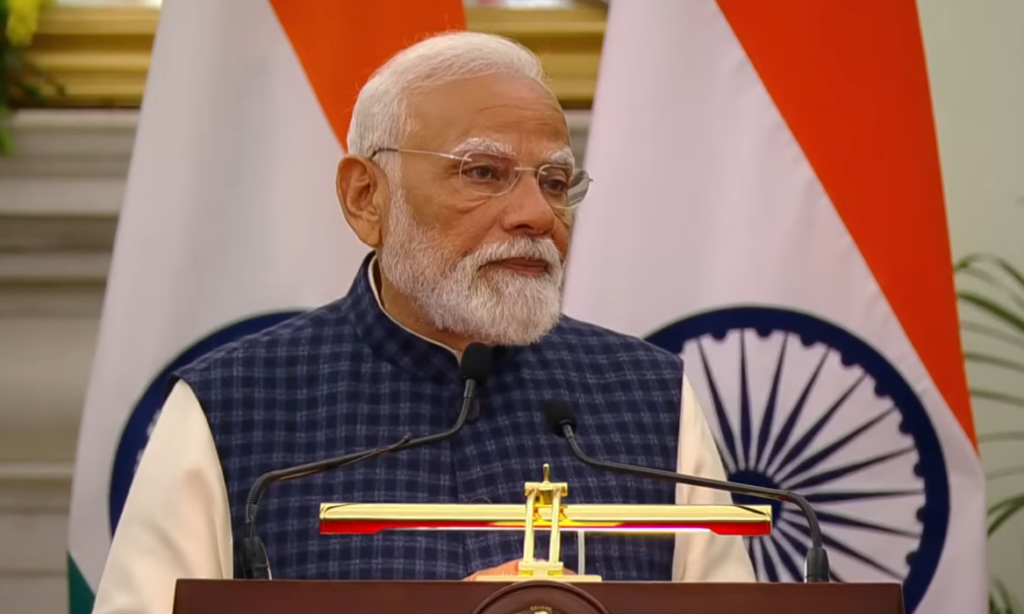
The India-EU trade deal, hailed by Prime Minister Narendra Modi as the biggest-ever trade agreement, marks a historic milestone in India’s economic diplomacy. Signed in January 2026, this free trade agreement (FTA) between India and the European Union is set to reshape global commerce, strengthen supply chains, and open new opportunities for businesses across sectors.
India-EU Trade Deal: Key Highlights
- Tariff Reductions: Gradual elimination of tariffs on industrial goods, automobiles, textiles, and agricultural exports.
- Services Sector Boost: Indian IT, pharmaceuticals, and professional services gain easier access to European markets.
- Investment Facilitation: Stronger investor protections, simplified dispute resolution, and incentives for joint ventures.
- Green Energy & Technology: Collaboration on renewable energy, climate-friendly technologies, and digital innovation.
- Mobility Pact: Easier movement of professionals, students, and researchers between India and EU nations.
- Defense Cooperation: Strategic partnership in maritime security, cyber defense, and advanced technology exchange.
India-EU Trade Deal: Economic Impact
The India-EU trade deal is expected to add 0.5–1% to India’s GDP annually, while creating millions of jobs across industries. For India, the agreement provides preferential access to a market of 450 million consumers, while the EU gains entry into India’s vast base of 1.4 billion people.
Sectors Benefiting from the India-EU Trade Deal
The following table highlights which sectors will benefit most from the agreement:
| Sector | Benefits from India-EU Trade Deal |
|---|---|
| Information Technology (IT) | Easier access to EU clients, reduced regulatory hurdles |
| Pharmaceuticals | Streamlined approvals, wider distribution in Europe |
| Automobiles | Lower tariffs on European cars, joint ventures in EV technology |
| Agriculture & Food Processing | Reduced barriers for Indian exports like rice, spices, processed foods |
| Textiles & Apparel | Preferential access to EU markets, boosting India’s garment industry |
| Renewable Energy | Collaboration on solar, wind, and hydrogen projects |
| Defense & Aerospace | Technology transfer, joint research, maritime security cooperation |
| Education & Mobility | Easier student exchange programs and professional migration |
India-EU Trade Deal: Strategic Importance
- Counterbalance to China: The deal strengthens India-EU ties, offering Europe an alternative to Chinese markets.
- Supply Chain Resilience: Diversification reduces dependence on single sources, enhancing stability.
- Global Standing: India positions itself as a central player in global trade, bridging Asia and Europe.
- Innovation Partnerships: Joint R&D in AI, green energy, and digital technologies accelerates modernization.
Challenges Ahead
While the India-EU trade deal is historic, challenges remain:
- Implementation Timeline: Tariff reductions will be phased in, requiring careful monitoring.
- Regulatory Standards: Differences in labor, environment, and product compliance could pose hurdles.
- Domestic Concerns: Farmers and small manufacturers may fear competition from European imports.
- Political Climate: Shifts in EU or Indian policies could affect progress.
India’s Trade with FTA Partners (2025–26) and Projected Increase
| FTA Partner | Year of Agreement | Current Trade Volume (2025–26) | Projected Increase Post-FTA | Key Sectors |
|---|---|---|---|---|
| ASEAN (10 nations) | 2010 | $131 billion | +15–20% over next 5 years | Electronics, agriculture, textiles, petroleum |
| Japan (CEPA) | 2011 | $36 billion | +10–12% | Automobiles, machinery, chemicals |
| South Korea (CEPA) | 2010 | $27 billion | +8–10% | Electronics, steel, chemicals |
| EU (FTA signed 2026) | 2026 | $120+ billion | +30–35% (expected to cross $160 billion by 2030) | IT, pharma, automobiles, textiles, renewable energy |
| UK (FTA pending ratification) | 2023 | $20 billion | +20–25% | Services, manufacturing, food products |
| Australia (ECTA) | 2022 | $25 billion | +15–18% | Mining, education, agriculture |
| EFTA (Switzerland, Norway, Iceland, Liechtenstein) | 2025 | $18 billion | +20% | Pharmaceuticals, machinery, financial services |
| UAE (CEPA) | 2022 | $85 billion | +20–25% | Petroleum, gems & jewellery, food products |
| Oman (FTA 2025) | 2025 | $12 billion | +15% | Energy, chemicals, construction |
| New Zealand (FTA 2025) | 2025 | $8 billion | +12–15% | Agriculture, dairy, education |
India-EU Trade Deal: Long-Term Outlook
- Economic Growth: Expected to boost India’s GDP significantly.
- Job Creation: Millions of new jobs in IT, manufacturing, and agriculture.
- Global Integration: India becomes a stronger link between Asia and Europe.
- Sustainable Development: Focus on renewable energy and climate-friendly technologies.
Conclusion
The India-EU trade deal is more than just a free trade agreement—it is a comprehensive partnership that spans economics, technology, defense, and mobility. For India, it represents a leap toward global integration, while for Europe, it offers diversification and resilience.
Prime Minister Modi’s declaration of the biggest-ever trade deal with the EU underscores its transformative potential. With opportunities across IT, pharmaceuticals, agriculture, textiles, and renewable energy, this agreement is poised to redefine India’s economic trajectory and strengthen its geopolitical standing for decades to come.