
Introduction
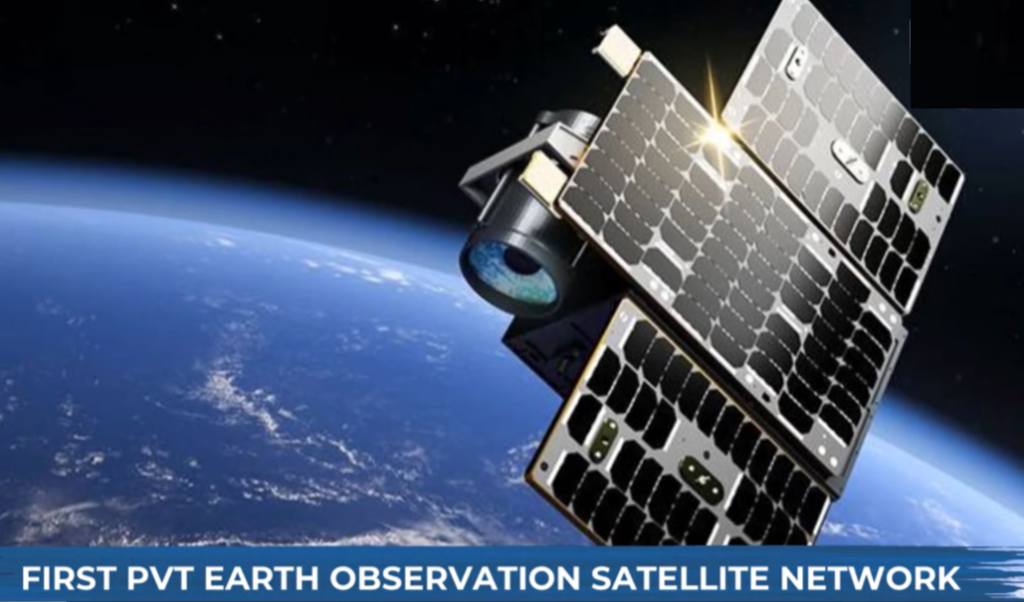
India launches first private Earth observation network in a groundbreaking collaboration between ISRO and Bengaluru-based start-up Pixxel. This 12-satellite constellation marks a historic shift in India’s space journey, where private enterprises are now at the forefront of building and operating advanced satellite infrastructure. The initiative not only strengthens India’s technological leadership but also opens new commercial opportunities in the global Earth observation market.
India’s Leap into Private Space Infrastructure
For decades, the Indian Space Research Organisation (ISRO) has been the backbone of India’s space missions, from Chandrayaan to Mangalyaan. Now, with the India launches first private Earth observation network milestone, the spotlight is on private players. Pixxel, along with partners Dhruva Space, SatSure, and PierSight, is leading the charge to design, build, and operate the constellation.
This marks a paradigm shift: India is moving from a government-dominated space program to a public-private partnership model that encourages innovation, efficiency, and global competitiveness.
The ISRO-Pixxel Partnership
The ISRO-Pixxel deal is structured as a Public-Private Partnership (PPP).
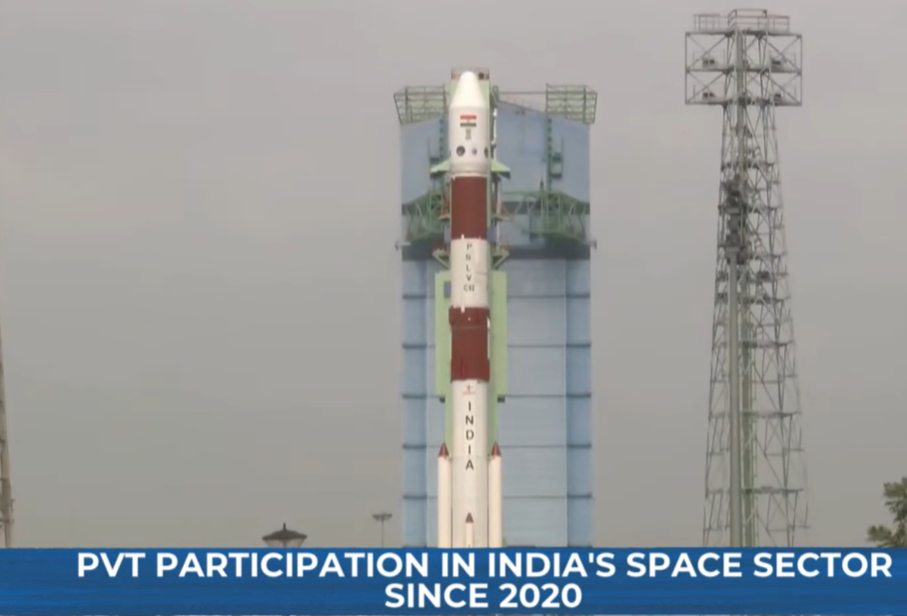
- ISRO’s role: Providing launch capabilities, technical support, and regulatory oversight.
- Pixxel and consortium’s role: Designing, manufacturing, and commercializing satellite data.
- IN-SPACe’s role: Acting as facilitator and regulator to ensure compliance and promote private participation.
This collaboration ensures that India’s private EO network is both technologically robust and commercially viable.
Deployment Timeline
The constellation will be deployed in phases:
- First four satellites: By 2027–28.
- Remaining eight satellites: By 2030.
- Total investment: Over Rs 1,200 crore across five years.
By 2030, India will have a fully operational private Earth observation network, capable of delivering continuous global coverage.
Strategic Importance of the Constellation
Strengthening National Security
Earth observation satellites are crucial for border surveillance, maritime monitoring, and disaster management. With private participation, India can expand its monitoring capabilities without overburdening ISRO.
Driving Economic Growth
The global EO market is projected to reach $44 billion by 2033. By launching its own private constellation, India aims to capture a significant share of this market, offering services in agriculture, climate monitoring, urban planning, and insurance.
Boosting Private Innovation
The India launches first private Earth observation network milestone validates the capability of Indian start-ups to deliver world-class infrastructure, encouraging more entrepreneurs to enter the space sector.
Technological Edge: Hyperspectral Imaging
Pixxel’s satellites are equipped with hyperspectral imaging technology, which captures data across hundreds of spectral bands. This enables:
- Precision agriculture – Monitoring crop health, soil moisture, and pest infestations.
- Environmental monitoring – Tracking deforestation, pollution, and climate change indicators.
- Resource management – Identifying mineral deposits and water sources.
This advanced imaging places India’s constellation on par with global leaders like Planet Labs and Maxar Technologies.
Global Implications
India’s entry into the private EO market has international ramifications:
- Data Diplomacy: Sharing EO data with friendly nations to strengthen strategic ties.
- Commercial Competition: Offering cost-effective solutions to compete with US and European firms.
- Space Leadership: Complementing India’s lunar and interplanetary missions with advanced EO capabilities.
The India launches first private Earth observation network initiative enhances India’s credibility as a global space power.
Challenges Ahead
Despite its promise, the project faces hurdles:
- Funding Risks: Sustaining Rs 1,200 crore investment requires consistent support.
- Technology Scaling: Ensuring reliability across 12 satellites is complex.
- Global Competition: Competing with established firms demands aggressive innovation.
Yet, these challenges also present opportunities for India’s start-ups to prove their resilience.
Conclusion
The ISRO-Pixxel deal and the India launches first private Earth observation network milestone represent a watershed moment in India’s space journey. By 2030, the 12-satellite constellation will transform agriculture, climate monitoring, national security, and commercial analytics.
This initiative is more than a technological achievement—it is a declaration that India’s space future will be built not just by ISRO, but by a vibrant ecosystem of innovators, entrepreneurs, and visionaries.