
The India–U.S. Trade Pact framework announced in early 2026 marks a turning point in bilateral economic relations. Commerce Minister Piyush Goyal has emphasized that the agreement protects India’s core interests while unlocking unprecedented opportunities for exporters, manufacturers, and farmers. This framework is not just about tariffs—it is about reshaping the future of global trade partnerships.
India–U.S. Trade Pact Framework: Key Highlights
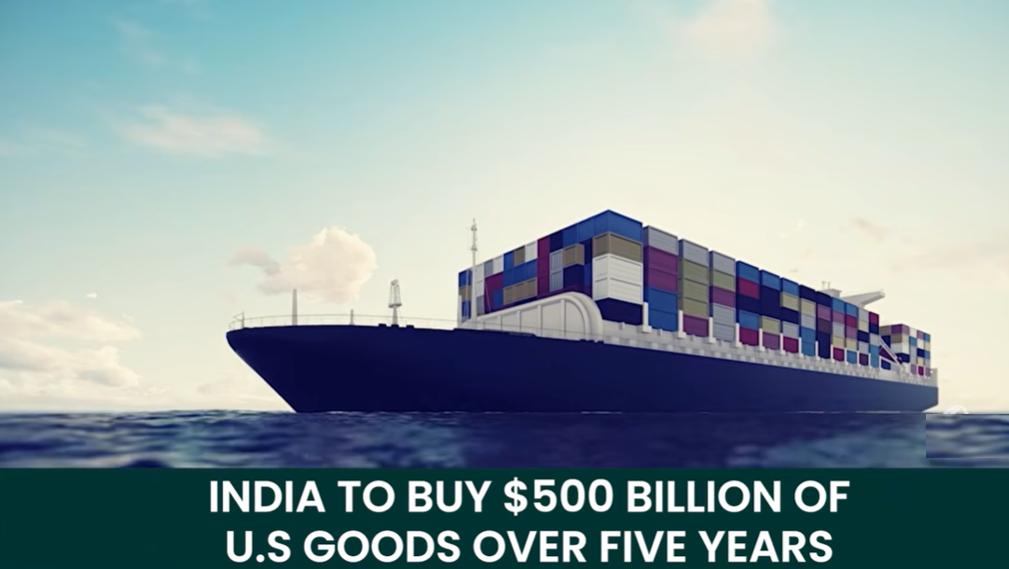
- Tariff Reductions: U.S. import duties on Indian goods have been cut to 18%, down from the earlier 25%.
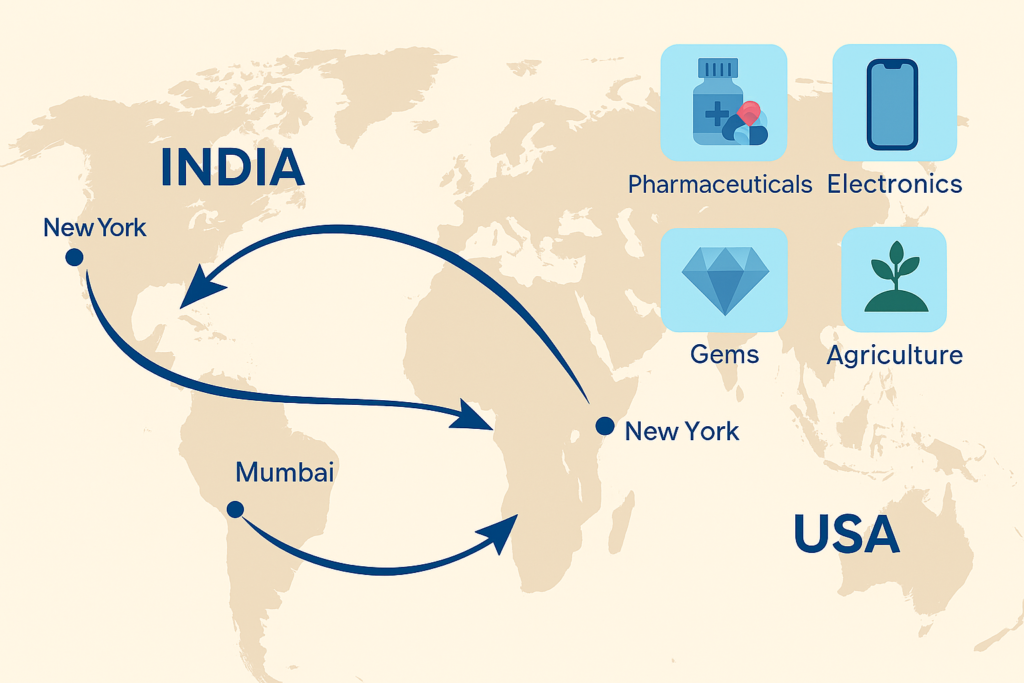
- Zero Duty Access: Gems, diamonds, pharmaceuticals, and smartphones from India will now enter the U.S. market duty‑free.
- Agricultural Safeguards: India has ensured no genetically modified (GM) imports, protecting domestic farmers.
- Massive Purchase Commitment: India will buy $500 billion worth of U.S. goods over five years, deepening economic interdependence.
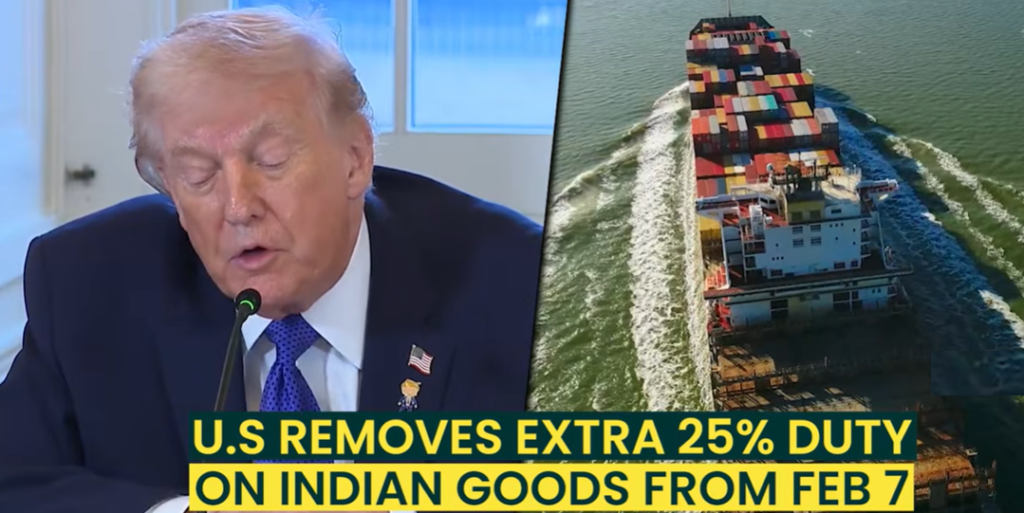
Piyush Goyal’s Remarks on the Trade Pact Framework
Minister Goyal has defended the India–U.S. Trade Pact framework against criticism, stressing that India negotiated from a position of strength. He highlighted that the deal balances national interests with global ambitions, ensuring that farmers, SMEs, and exporters benefit without being undercut by foreign imports.
His remarks reflect India’s growing confidence in global trade negotiations, positioning the country as an assertive player rather than a passive participant.
Sectoral Impact of the India–U.S. Trade Pact Framework
Agriculture and Farmers
- Duty‑free access for Indian agricultural products like rice, spices, and processed foods.
- Safeguards against GM imports protect India’s agricultural sovereignty.

Image Placeholder: [Insert photo of Indian farmers exporting produce]
Pharmaceuticals
- India’s generics industry gains duty‑free access, enhancing affordability in the U.S. while boosting export revenues.
Gems and Jewelry
- Zero tariffs on diamonds and jewelry strengthen India’s global hub status.
Technology and Electronics
- Smartphones and electronics manufactured in India will face no duty barriers, encouraging global tech firms to expand production in India.
Strategic Importance of the Trade Pact Framework
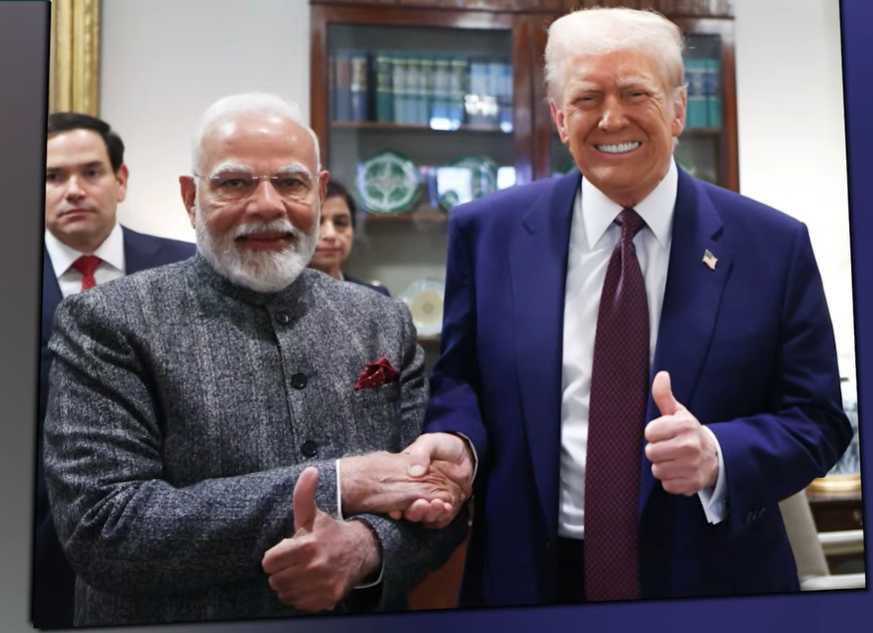
The India–U.S. Trade Pact framework carries strategic weight beyond economics. It reflects a convergence of interests between Prime Minister Narendra Modi and President Donald Trump, who jointly announced the deal.
- For the U.S., deeper trade ties with India diversify supply chains away from China.
- For India, the pact aligns with “Make in India” and “Atmanirbhar Bharat” initiatives, strengthening its role in global commerce.
Challenges and Criticisms
Despite optimism, the framework faces scrutiny:
- Opposition Concerns: Critics argue that committing to $500B in U.S. purchases could tilt trade balance.
- Implementation Risks: SMEs may struggle to leverage tariff reductions without policy support.
- Agricultural Sensitivities: Long‑term implications of increased imports remain a concern.
Future Outlook of the India–U.S. Trade Pact Framework
If implemented successfully, the framework could:
- Push bilateral trade volumes to record highs.
- Encourage greater investment flows in technology, energy, and infrastructure.
- Strengthen India’s global trade negotiation position.
The challenge for India will be balancing domestic priorities with global ambitions, while the U.S. gains a reliable partner in Asia.
Conclusion
The India–U.S. Trade Pact framework is a landmark in bilateral relations. By reducing tariffs, opening new markets, and safeguarding domestic interests, the agreement reflects a pragmatic yet ambitious approach to trade diplomacy. While challenges remain, the framework lays a strong foundation for India and the U.S. to emerge not just as strategic partners but also as economic allies driving global growth.