
Introduction
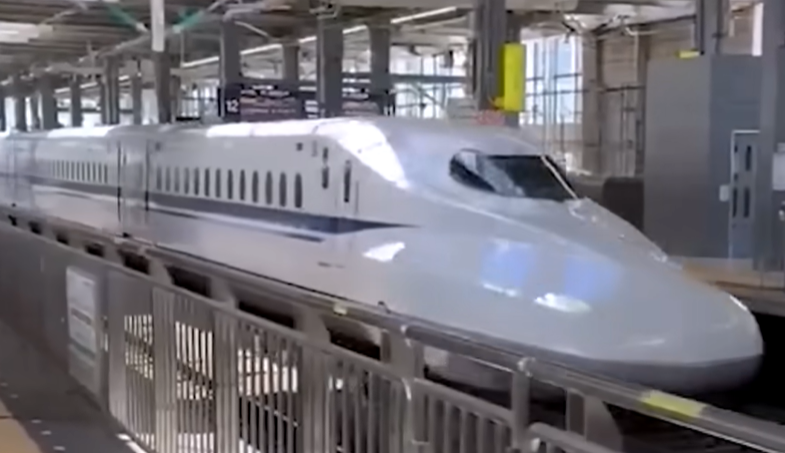
India’s ambitious high‑speed rail project between Ahmedabad and Mumbai is steadily taking shape, promising to revolutionize travel in the country. Once operational, the bullet train will cut travel time between the two cities to under two hours, marking a new era in Indian rail infrastructure. The project, executed by the National High Speed Rail Corporation Limited (NHSRCL) with technical support from Japan, is India’s first venture into high‑speed rail technology.
Timeline and Launch Plans
The project has faced delays since its announcement in 2017, largely due to land acquisition hurdles and environmental clearances. Originally targeted for completion in 2023, the timeline has now been revised:
- August 2027: The first operational stretch, a 100‑km section between Surat and Vapi, is expected to be inaugurated.
- December 2029: The full 508‑km corridor from Ahmedabad to Mumbai is scheduled to be completed and opened to the public.
Once fully functional, the bullet train will cover the distance in 1 hour 58 minutes, compared to the current 6–7 hours by conventional rail.
Project Overview
- Length: 508 km, with 352 km in Gujarat and Dadra & Nagar Haveli, and 156 km in Maharashtra.
- Stations: 12 stations including Ahmedabad, Vadodara, Surat, Vapi, Boisar, Thane, and Mumbai.
- Technology: Based on Japan’s Shinkansen system, with trains running at speeds of 320–350 km/h.
- Infrastructure: Elevated tracks, dedicated corridors, and advanced signaling systems to ensure safety and efficiency.
The project also includes India’s first undersea tunnel near Mumbai, a technological feat that demonstrates the scale and ambition of the initiative.
Strategic Importance
The Ahmedabad–Mumbai bullet train is more than a transport project; it is a symbol of India’s modernization drive. It represents:
- Economic Growth: Faster connectivity between two major financial hubs will boost trade, investment, and tourism.
- Technology Transfer: Collaboration with Japan brings advanced engineering practices and skill development to India.
- Urban Integration: The corridor will integrate cities along the route, creating new opportunities for businesses and commuters.
- Global Positioning: India joins the league of nations with high‑speed rail, enhancing its global infrastructure profile.
Benefits for Passengers and Economy
- Time Savings: A journey that currently takes 6–7 hours will be reduced to less than 2 hours.
- Comfort and Safety: Modern coaches, advanced signaling, and dedicated tracks will ensure a smooth and secure travel experience.
- Environmental Impact: Electric trains will reduce dependence on fossil fuels, contributing to India’s climate goals.
- Regional Development: Cities like Surat, Vapi, and Boisar will benefit from improved connectivity, attracting industries and boosting employment.
The project is expected to generate thousands of jobs during construction and operation, while also stimulating ancillary industries such as steel, cement, and electronics.
Challenges and Delays
Despite its promise, the project has faced several challenges:
- Land Acquisition: Securing land across Gujarat and Maharashtra has been a major hurdle, delaying construction.
- Environmental Clearances: The undersea tunnel and forested areas required extensive approvals.
- Cost Escalation: The project’s budget has risen due to delays and inflation, raising concerns about financial sustainability.
- Political Opposition: Some groups have questioned the project’s necessity, arguing that funds could be better spent on upgrading existing rail infrastructure.
Nevertheless, the government remains committed, viewing the bullet train as a transformative step for India’s transport sector.
Looking Ahead
By 2027, passengers will get their first taste of high‑speed travel on the Surat–Vapi stretch. The full corridor by 2029 will mark a turning point in India’s rail history, offering world‑class travel between Ahmedabad and Mumbai.
The project’s success will depend on timely execution, cost management, and public acceptance. If delivered as planned, the bullet train could become a model for future high‑speed corridors across India, including proposed routes from Delhi to Varanasi and Chennai to Bengaluru.
Conclusion
The Ahmedabad–Mumbai high‑speed rail project embodies India’s aspirations for modern infrastructure and global competitiveness. Despite delays and challenges, its eventual launch will redefine travel, boost economic growth, and showcase India’s engineering capabilities. For millions of passengers, the bullet train will not just be a faster way to travel — it will be a symbol of India’s leap into the future.