

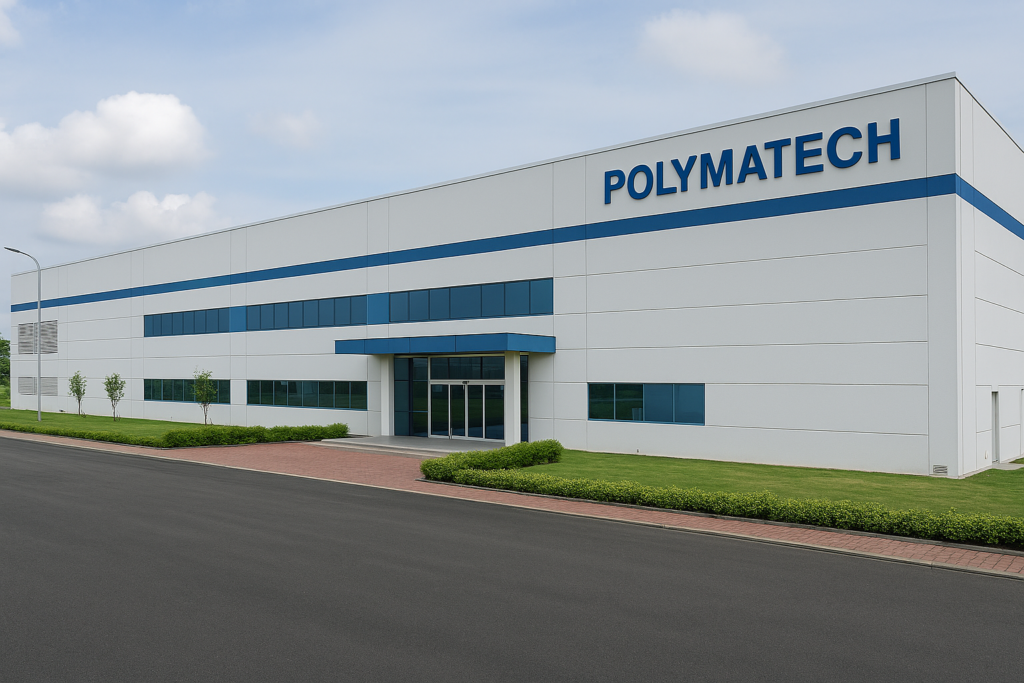
India has taken a bold step into the future of industrial automation with India’s first dark factory in Tamil Nadu. This facility, operated by Polymatech in Kancheepuram, is a fully automated semiconductor plant where robots work tirelessly through the night while engineers supervise from outside. It is a landmark in India’s manufacturing journey, symbolizing both technological progress and the challenges of balancing automation with employment.
What Is a Dark Factory?
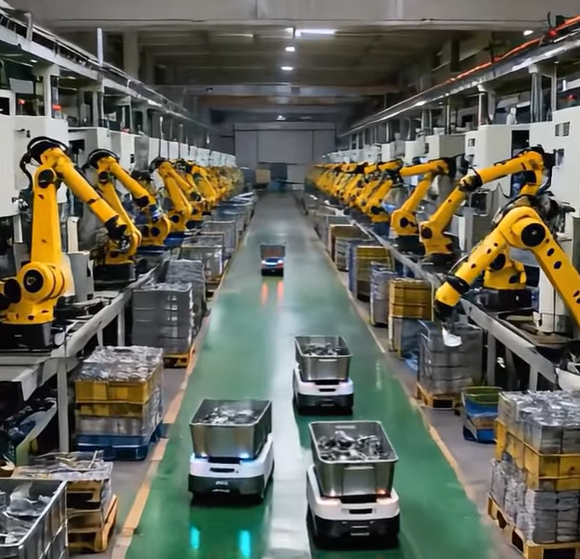
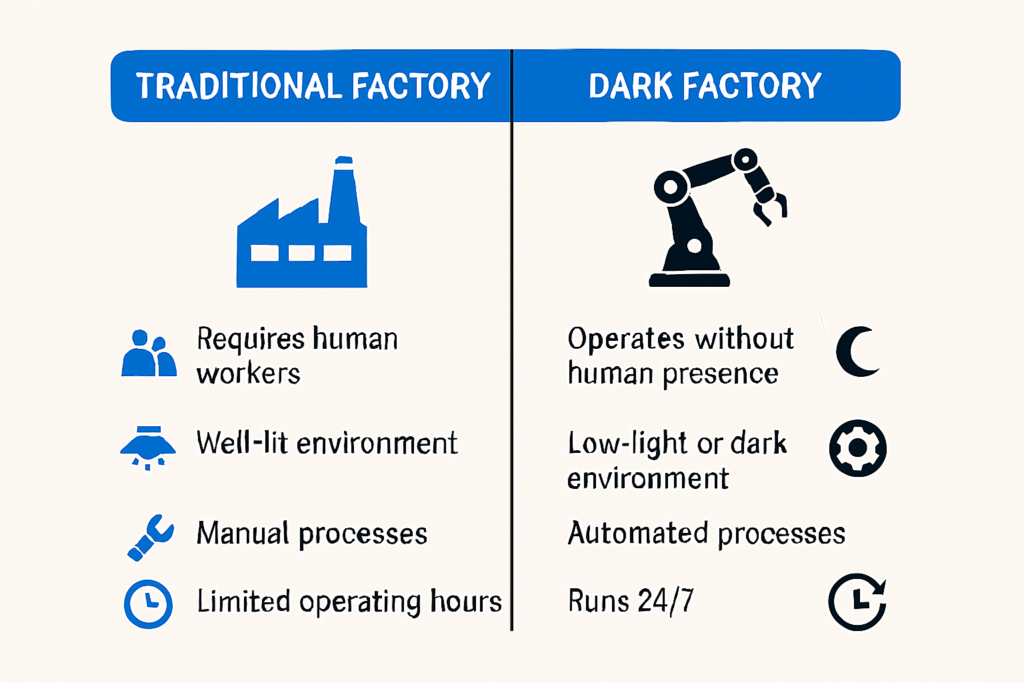
A dark factory is a manufacturing unit designed to operate without human presence on the shop floor. Robots and AI systems handle production tasks, making lighting and human comfort unnecessary. The term “dark” reflects the fact that machines do not need illumination to function. This model emphasizes efficiency, precision, and uninterrupted production.
Tamil Nadu’s Dark Factory: A Technological Milestone
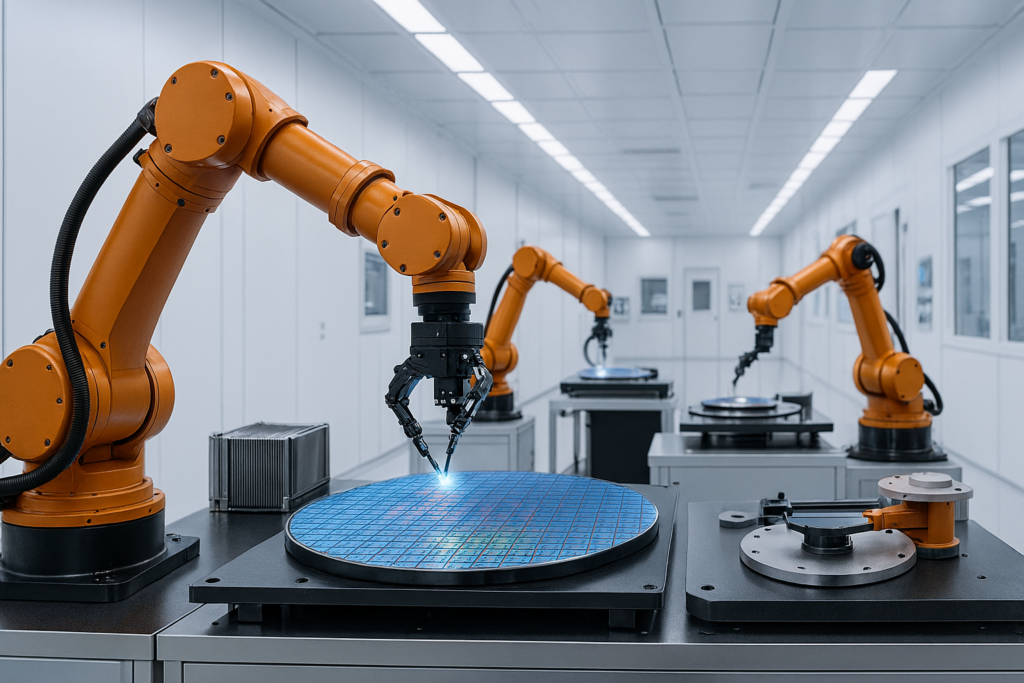
Polymatech’s facility in Tamil Nadu is India’s only dark factory. Inside its cleanroom, robotic arms assemble semiconductor chips with unmatched accuracy. Engineers remain outside, monitoring operations remotely. This separation reduces contamination risks and ensures consistent quality. The factory is not just a marvel of engineering—it is a strategic move toward self-reliance in semiconductor manufacturing.
Why Semiconductors Matter
Semiconductors are the backbone of modern technology. From smartphones and laptops to electric vehicles and defense systems, they power nearly every aspect of daily life. India has historically relied on imports for chips, but with India’s first dark factory in Tamil Nadu, the country is positioning itself as a global player in advanced manufacturing. This aligns with national initiatives like Make in India and Digital India.
Robots Work All Night: Automation in Action
The factory operates 24×7. Robots perform wafer processing, chip assembly, and quality checks. AI-driven monitoring ensures precision, while engineers intervene only when necessary. Unlike human workers, robots do not tire, take breaks, or require shifts. This continuous operation maximizes productivity and reduces downtime.
Engineers Stay Out: A New Work Culture
In this model, engineers and technicians are not allowed inside the cleanroom during production. Their role is supervisory, focusing on programming, oversight, and troubleshooting from outside. This represents a new work culture where human creativity and machine efficiency complement each other. It is a glimpse into the future of manufacturing.
Advantages of India’s First Dark Factory in Tamil Nadu
- Efficiency: Robots work continuously without fatigue.
- Precision: Automated systems reduce errors and maintain quality.
- Cleanroom Integrity: Minimal human presence lowers contamination risks.
- Cost Savings: Long-term savings on labor and operational costs.
- Scalability: Production can expand without proportional workforce increases.
Challenges and Concerns
While automation offers immense benefits, it raises important concerns:
- Job Displacement: Reduced need for human labor could affect employment.
- Skill Gap: Workers must transition to roles in robotics, AI, and system management.
- High Investment: Setting up dark factories requires significant capital.
- Technology Dependence: Over-reliance on machines poses risks if systems fail.
Impact on India’s Manufacturing Landscape
The establishment of India’s first dark factory in Tamil Nadu is a turning point. It demonstrates India’s ability to build world-class facilities and signals a shift toward high-tech manufacturing. However, it also highlights the need for policies that balance automation with workforce reskilling. The future of manufacturing will depend on how India integrates technology with social and economic priorities.
The Future of Dark Factories in India
Experts believe that dark factories could expand into sectors like electronics, pharmaceuticals, and aerospace. The Tamil Nadu facility serves as a case study for policymakers and entrepreneurs. It shows that India can compete globally, but also underscores the importance of preparing society for automation’s impact.
Conclusion
India’s first dark factory in Tamil Nadu is more than a technological experiment—it is a symbol of ambition and innovation. Robots working all night while engineers stay out reflects a new era of manufacturing. As India invests in automation and semiconductor production, the challenge will be ensuring that innovation benefits both industry and society. The Kancheepuram dark factory is a milestone, but also a reminder: the future of work will be shaped not just by machines, but by how humans adapt alongside them.