
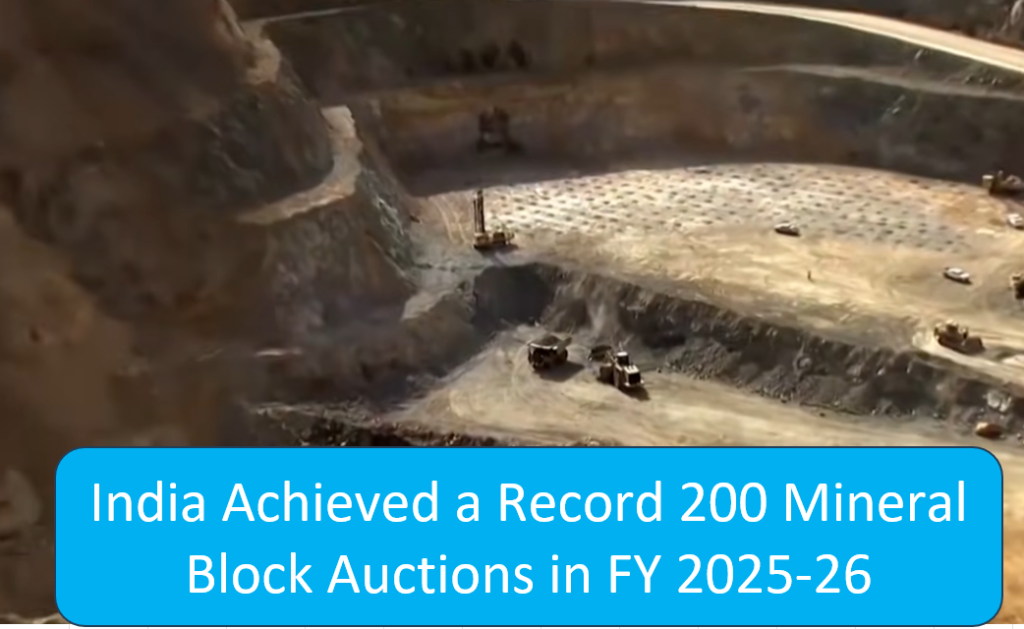
India’s Rare Earth Push & Record Mineral Auctions are reshaping the country’s mining landscape, signaling a bold shift toward resource security and economic resilience. As global competition intensifies for critical minerals, India is accelerating exploration, auctioning key blocks, and positioning itself as a strategic player in the rare earth supply chain.
Backed by policy reforms and aggressive auction strategies, the government—led by Ministry of Mines—is unlocking previously untapped reserves. This move is not just economic; it is deeply geopolitical, given the global dependence on rare earth elements for advanced technologies.
India auctioned 200 mineral blocks, the highest ever in a single financial year.
- 123 Mining Lease (ML) blocks ready for extraction.
- 77 Composite Licence (CL) blocks combining exploration and mining rights.
- Critical Minerals Auctioned: Rare earths, graphite, phosphorite, vanadium, and potash.
- Regional Spread: Chhattisgarh, Karnataka, Madhya Pradesh, Odisha, Rajasthan, and Uttar Pradesh.
India’s Rare Earth Push & Record Mineral Auctions Explained
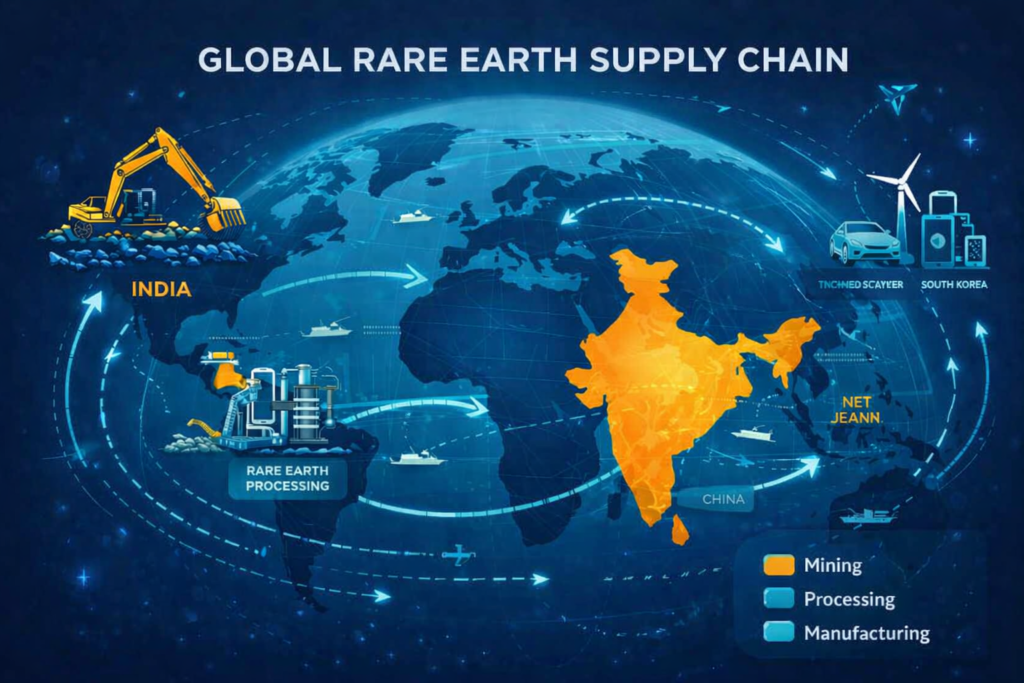
The momentum behind India’s Rare Earth Push & Record Mineral Auctions stems from the urgent need to reduce reliance on imports, particularly from countries like China, which dominates global rare earth processing.
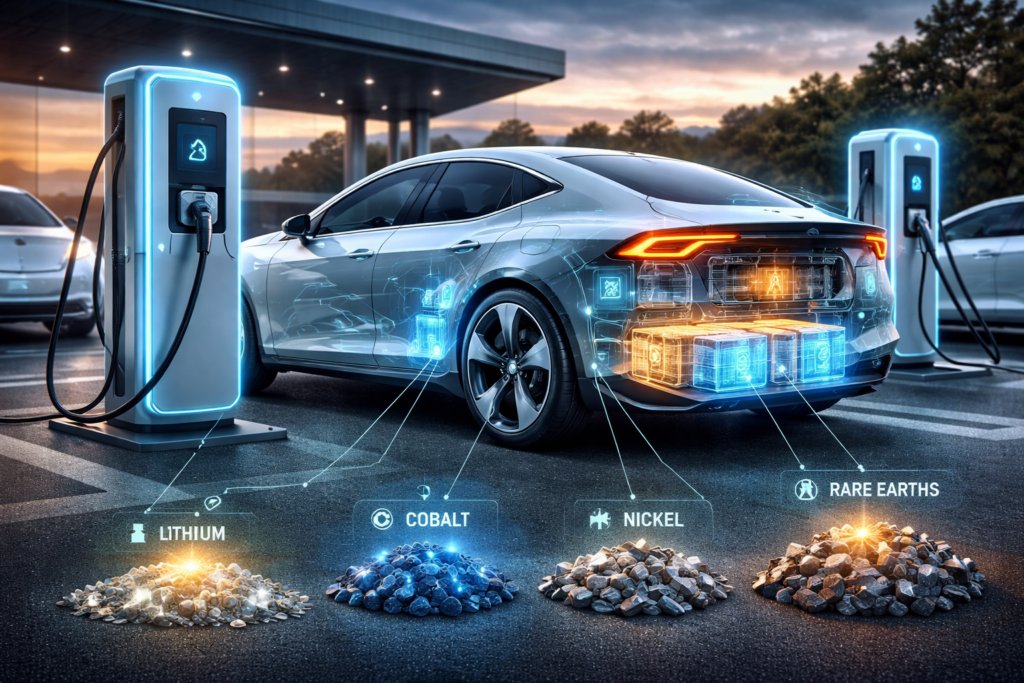
Rare earth elements (REEs) are essential for:
- Electric vehicles (EVs)
- Renewable energy systems
- Defense technologies
- Electronics manufacturing
India’s strategy involves identifying mineral-rich zones, fast-tracking clearances, and conducting transparent auctions to attract private and global investors.
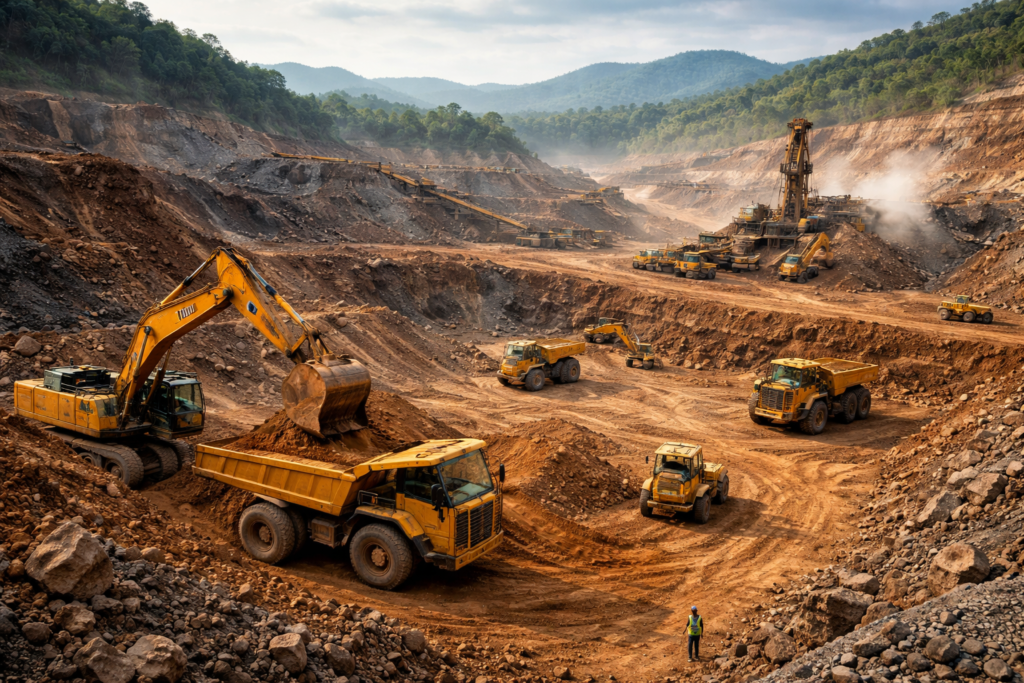
India’s Rare Earth Push & Record Mineral Auctions: Key Highlights
Record-Breaking Mineral Auctions
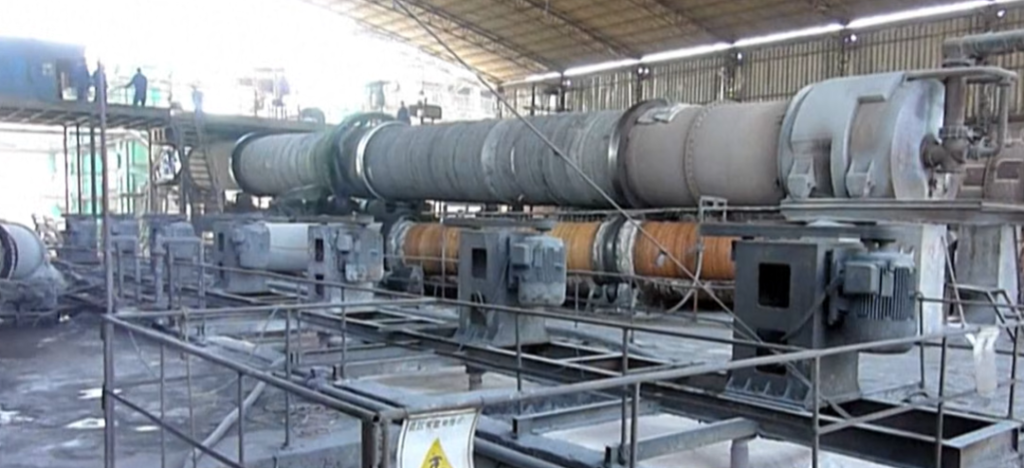
In recent months, India has conducted record auctions for lithium, cobalt, and rare earth blocks. These auctions have drawn significant interest from both domestic and international companies, highlighting growing confidence in India’s mining sector.
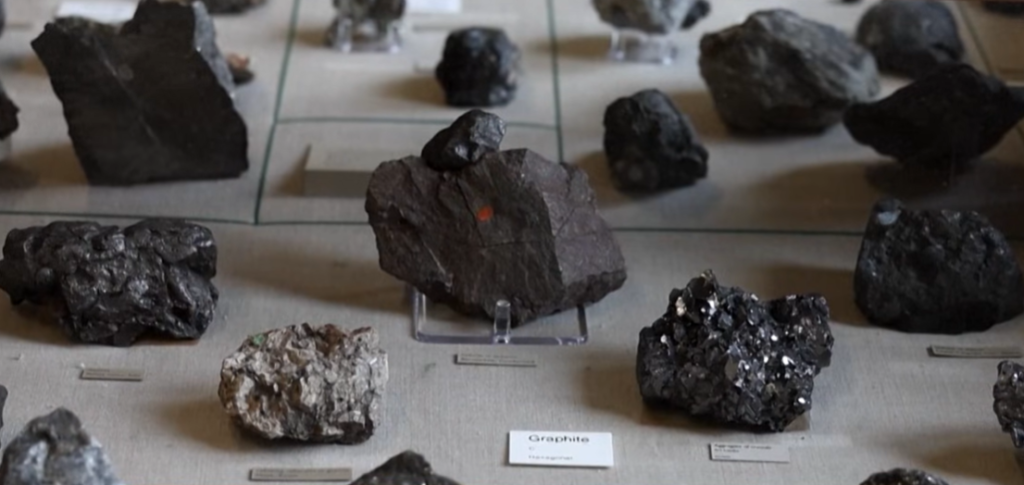
Strategic Lithium Discoveries
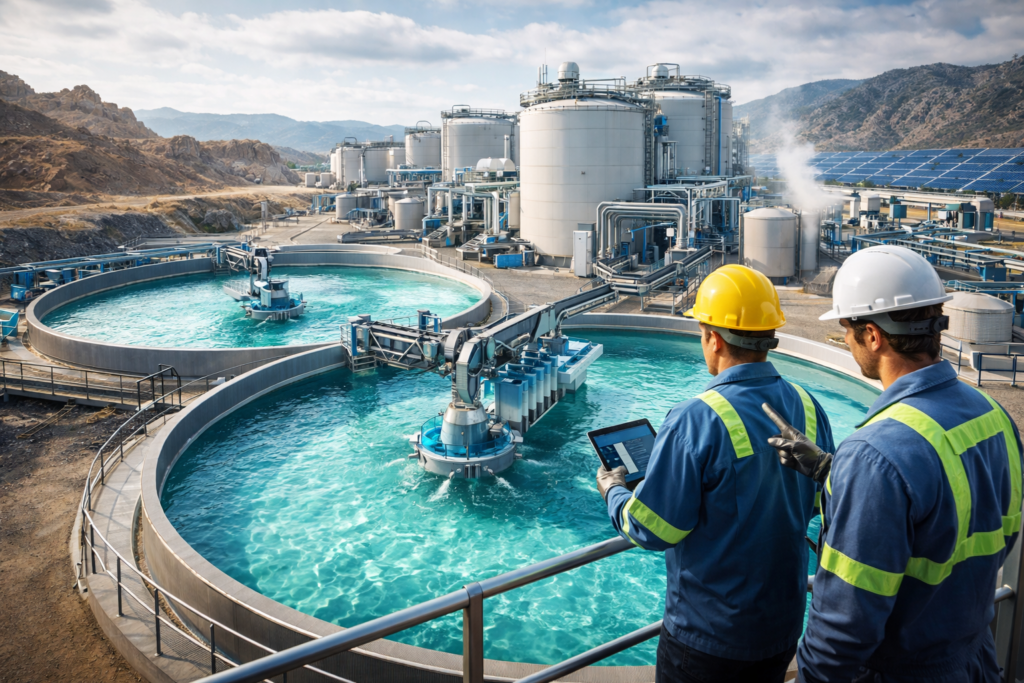
The discovery of lithium reserves in Jammu and Kashmir has been a game-changer. Lithium is a critical component in EV batteries, making it central to India’s clean energy ambitions.
Private Sector Participation
Reforms have opened the mining sector to private players, reducing bureaucratic hurdles and increasing efficiency. This has accelerated the pace of India’s Rare Earth Push & Record Mineral Auctions.
Strategic Importance of India’s Rare Earth Push & Record Mineral Auctions
Reducing Import Dependency
India has long depended on imports for rare earth elements. By boosting domestic production, the country aims to secure supply chains and reduce vulnerability to global disruptions.
Supporting Clean Energy Transition
The India’s Rare Earth Push & Record Mineral Auctions directly support renewable energy goals. Rare earth minerals are essential for wind turbines, solar panels, and EV batteries.
Strengthening National Security
Rare earth elements are crucial for defense systems, including missiles, radar, and communication technologies. Strengthening domestic supply enhances strategic autonomy.
India’s Rare Earth Push & Record Mineral Auctions vs Global Trends
Globally, nations are racing to secure rare earth supplies. The dominance of China has prompted countries like the United States and Australia to diversify sources.
India’s approach stands out due to:
- Transparent auction mechanisms
- Focus on self-reliance under Atmanirbhar Bharat
- Integration with manufacturing and energy sectors
Challenges in India’s Rare Earth Push & Record Mineral Auctions
Despite progress, several challenges remain:
Environmental Concerns
Mining activities can lead to ecological damage if not managed sustainably.
Technological Gaps
Processing rare earth elements requires advanced technology, an area where India is still developing capabilities.
Infrastructure Bottlenecks
Transport and logistics infrastructure need improvement to support large-scale mining operations.
Future Outlook of India’s Rare Earth Push & Record Mineral Auctions
The future of India’s Rare Earth Push & Record Mineral Auctions looks promising. The government is expected to:
- Increase exploration budgets
- Strengthen global partnerships
- Invest in refining and processing technologies
With sustained efforts, India could emerge as a key player in the global rare earth ecosystem within the next decade.
Conclusion
India’s Rare Earth Push & Record Mineral Auctions mark a turning point in the nation’s economic and strategic trajectory. By unlocking mineral wealth and fostering a competitive mining ecosystem, India is not only securing its future but also positioning itself as a global powerhouse in critical resources.