
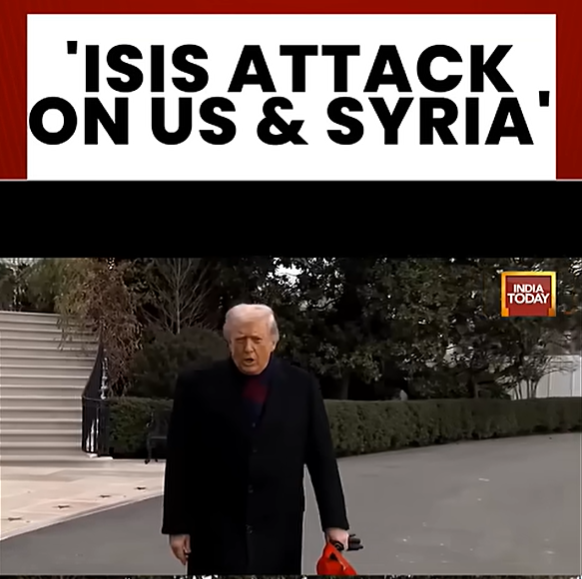
The ISIS Attack Against US Troops in Syria killed 2 US soldiers and a civilian interpreter has reignited global concerns about the group’s resilience and the risks faced by American forces deployed overseas. Two US soldiers and a civilian interpreter were killed near Palmyra, marking one of the deadliest incidents in recent months. President Donald Trump has vowed “very serious retaliation” against ISIS following the attack.
The ISIS attack against US troops underscores the enduring danger posed by the Islamic State. Despite years of counterterrorism operations, ISIS continues to stage ambushes and assaults in volatile regions. According to US military officials, the latest incident was carried out by a lone ISIS gunman during a joint patrol near Palmyra. The ambush left two American soldiers and one civilian interpreter dead, while three other servicemen sustained injuries.
Renewed Threat from ISIS
This ISIS attack against US troops is particularly significant because it marks the first US casualties in Syria since the fall of the Assad regime. The Pentagon confirmed that the attack occurred during ongoing counterterrorism operations, underscoring the persistent instability in central Syria.
Political and Military Response
President Trump condemned the ISIS attack against US troops, promising swift and decisive retaliation. On his Truth Social platform, he described the incident as “a very serious ISIS attack against the US” and emphasized that Syria’s leadership was equally disturbed by the violence. Trump’s remarks signal a possible escalation in US military operations against ISIS strongholds in Syria and Iraq.
US Secretary of War Pete Hegseth also issued a stern warning, declaring that the ISIS attack against US troops would not go unanswered. He stressed that American forces remain committed to dismantling ISIS networks and preventing further assaults.
Regional and Global Implications
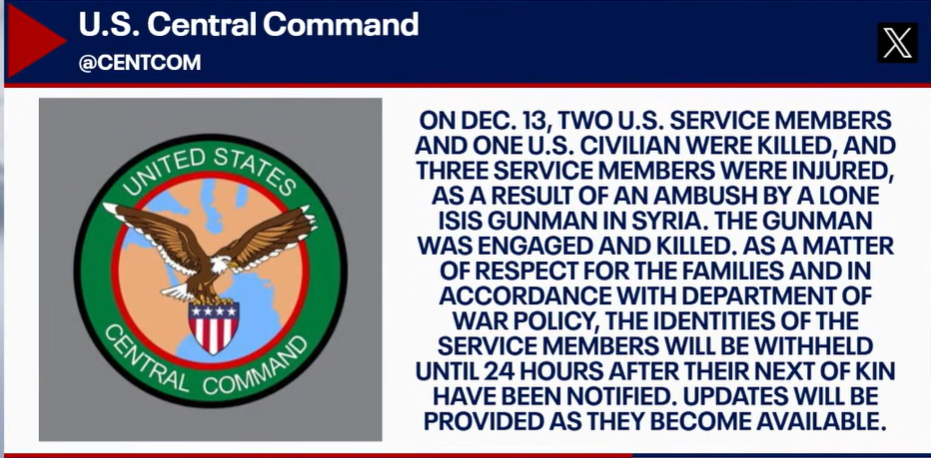
The ISIS attack against US troops killed Two US soldiers and a civilian interpreter has broader implications for regional security. Syria’s fragile stability, compounded by the remnants of ISIS fighters, creates fertile ground for extremist violence. Analysts warn that such attacks could embolden ISIS cells across the Middle East, potentially leading to more coordinated strikes against coalition forces.
Moreover, the incident raises questions about the future of US military presence in Syria. While Washington has repeatedly signaled its intent to reduce overseas deployments, the ISIS attack against US troops demonstrates that withdrawal could leave a vacuum for extremist groups to exploit.
Human Cost and Morale
Beyond the geopolitical consequences, the ISIS attack against US troops carries a heavy human toll. The deaths of two soldiers and an interpreter serve as a stark reminder of the sacrifices made by American personnel in combating terrorism. Families of the fallen have been notified, and the Pentagon has pledged full support to those affected.
For US troops stationed in Syria, the attack is a blow to morale. Soldiers remain on high alert, aware that ISIS fighters continue to pose a lethal threat despite diminished territorial control. The ISIS attack against US troops reinforces the need for vigilance and robust intelligence-sharing among coalition partners.
Conclusion
The ISIS attack against US troops killed Two US soldiers and a civilian interpreter near Palmyra is a chilling reminder that the Islamic State, though weakened, is far from defeated. With President Trump vowing retaliation and military leaders promising decisive action, the coming weeks may see intensified operations against ISIS cells in Syria. The incident underscores the enduring volatility of the region and the risks faced by American forces committed to global counterterrorism efforts.