
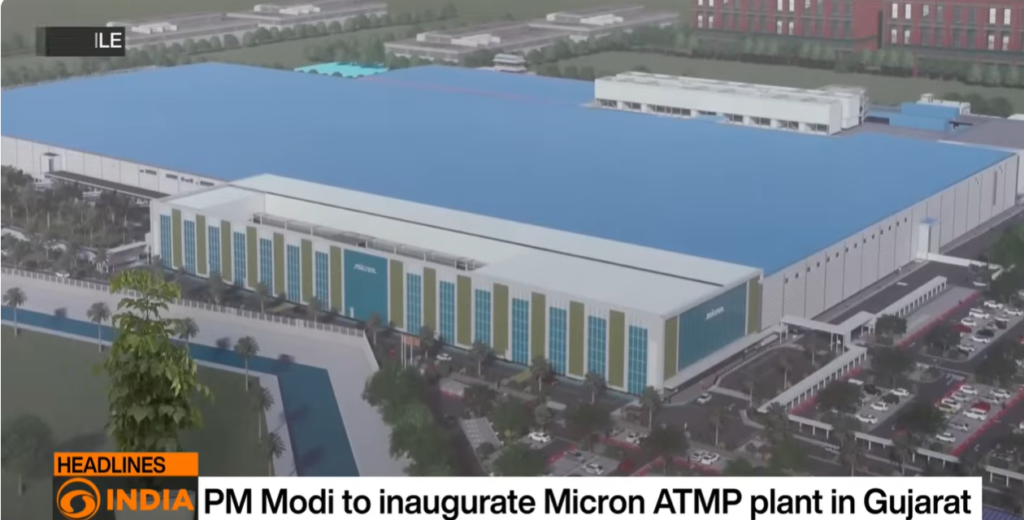
PM Modi to unveil ₹3,300 cr chip plant in Gujarat | India Semiconductor Mission marks a major milestone in India’s push toward technological self-reliance and global semiconductor leadership. The announcement underscores the country’s strategic intent to reduce dependency on imports and strengthen its domestic manufacturing ecosystem.
As per official sources, Narendra Modi is set to inaugurate this ambitious semiconductor facility in Gujarat, aligning with the broader vision of making India a global electronics manufacturing hub.
PM Modi to unveil ₹3,300 cr chip plant in Gujarat | India Semiconductor Mission: Key Highlights
The upcoming semiconductor plant, valued at ₹3,300 crore, is expected to significantly boost India’s chip production capabilities. Located in Gujarat—rapidly emerging as a manufacturing powerhouse—the plant will play a critical role in the nation’s digital economy.
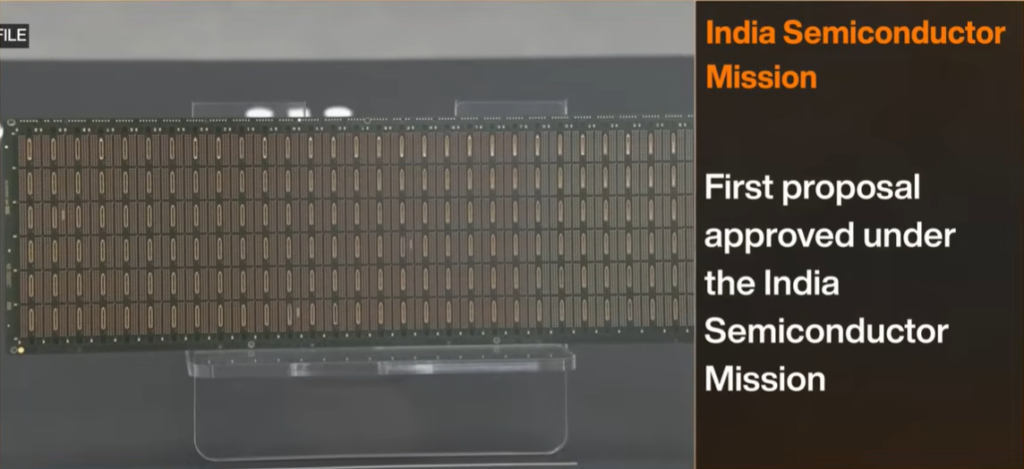
Key Highlights of the Project
- Investment Size: ₹3,300 crore
- Location: Sanand, Gujarat
- Company: Kaynes Semicon
- Type of Facility: OSAT (Outsourced Semiconductor Assembly and Test)
- Production Capacity: 60 lakh chips per day
- Inauguration Date: March 31, 2026
This move is part of a broader policy initiative aimed at building a resilient semiconductor supply chain within India.
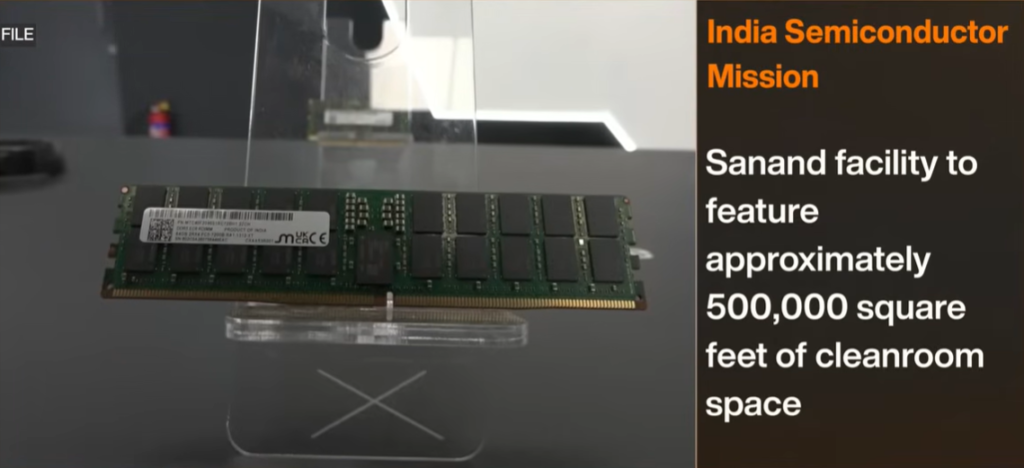
What is the India Semiconductor Mission?
The India Semiconductor Mission (ISM) is a flagship initiative launched by the Government of India to promote semiconductor and display manufacturing. It offers financial incentives, policy support, and infrastructure development to attract global and domestic investors.
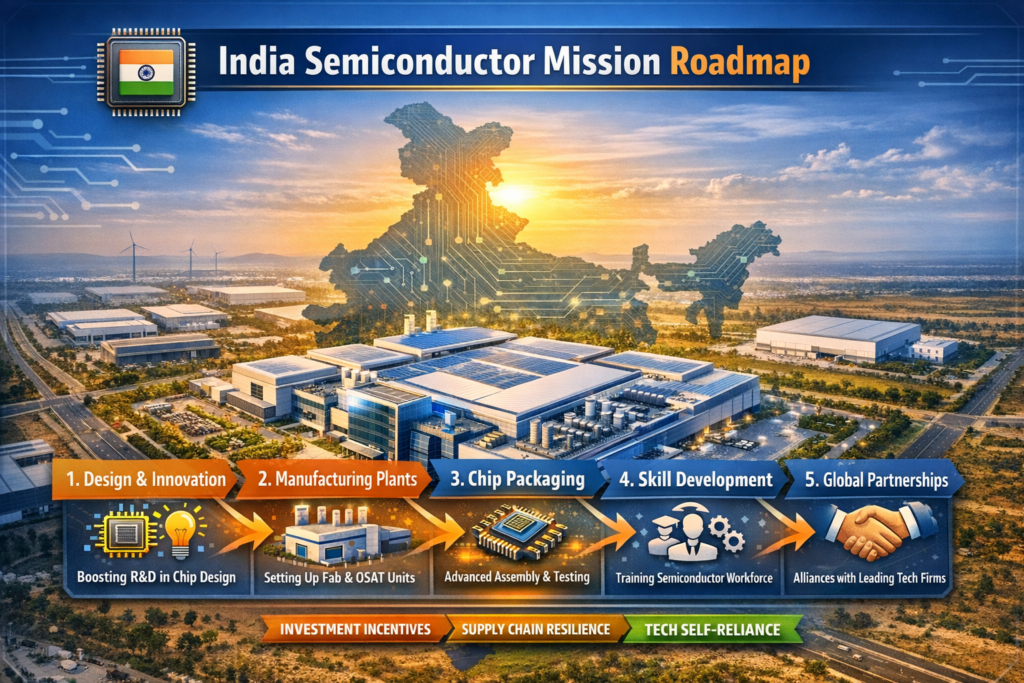
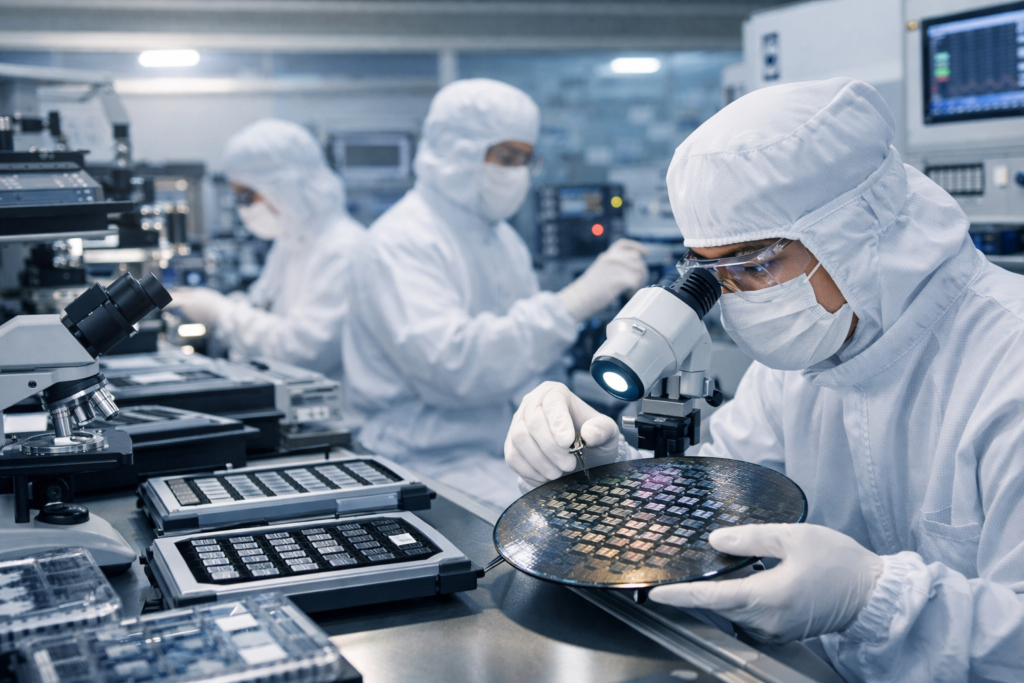
Objectives of ISM:
- Reduce reliance on imported chips
- Promote indigenous manufacturing
- Strengthen supply chain resilience
- Create high-skilled jobs
The ₹3,300 crore chip plant is among several projects being fast-tracked under this mission.
Why Gujarat is the Preferred Semiconductor Hub
Strategic Advantages of Gujarat
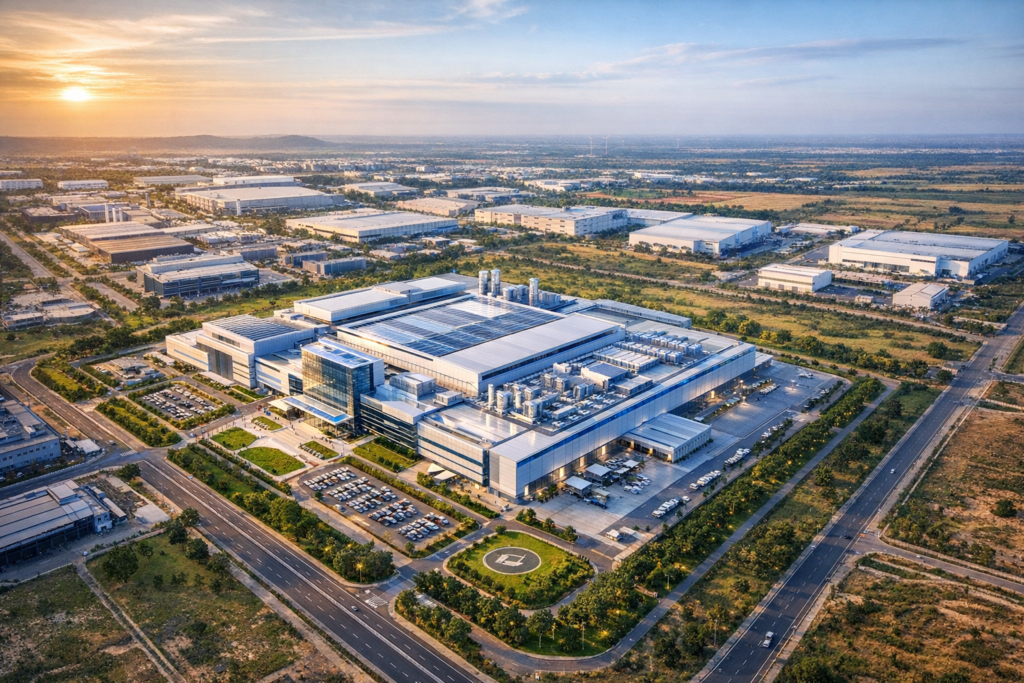
Gujarat has emerged as a preferred destination for semiconductor investments due to its robust infrastructure, investor-friendly policies, and proximity to ports.
Key advantages:
- Strong industrial ecosystem
- Reliable power and water supply
- Business-friendly governance
- Access to global trade routes
The state has already attracted multiple high-value investments in electronics and chip manufacturing, making it a natural choice for this project.
Economic Impact of PM Modi’s ₹3,300 Cr Chip Plant
The launch of this semiconductor facility is expected to generate significant economic benefits.
Job Creation and Skill Development
The project will create thousands of direct and indirect employment opportunities, particularly in high-tech manufacturing and engineering sectors.
Boost to Electronics Manufacturing
India imports a large share of its semiconductor requirements. This plant will help:
- Reduce import dependency
- Strengthen domestic supply chains
- Support industries like automotive, telecom, and consumer electronics
Global Context: India’s Semiconductor Push
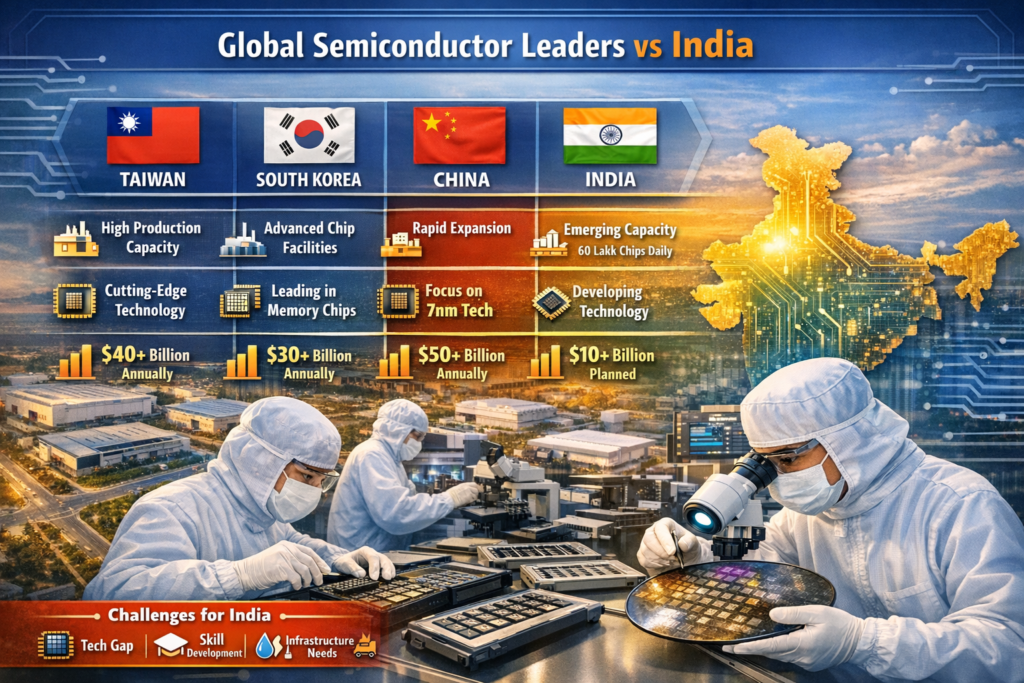
The global semiconductor industry has faced severe disruptions in recent years due to geopolitical tensions and supply chain bottlenecks. Countries worldwide are now investing heavily in domestic chip production.
India’s Strategic Position
With initiatives like the India Semiconductor Mission and projects such as the ₹3,300 crore plant, India is positioning itself as a reliable alternative in the global chip supply chain.
This aligns with the government’s broader “Make in India” and “Digital India” campaigns.
Challenges Ahead for India Semiconductor Mission
While the initiative is promising, there are challenges that need to be addressed:
Key Challenges:
- High capital investment requirements
- Dependence on advanced technology imports
- Need for skilled workforce
- Global competition from established players
However, strong policy support and strategic partnerships can help overcome these hurdles.
Future Outlook
The announcement that PM Modi to unveil ₹3,300 cr chip plant in Gujarat | India Semiconductor Mission signals a turning point for India’s semiconductor ambitions. It reflects a long-term commitment to building a self-reliant and globally competitive technology ecosystem.
As more investments flow into the sector, India could soon emerge as a key player in the global semiconductor value chain.
Conclusion
The initiative where PM Modi to unveil ₹3,300 cr chip plant in Gujarat | India Semiconductor Mission is more than just an infrastructure project—it is a strategic move toward economic resilience and technological independence. With strong government backing and growing investor interest, India’s semiconductor journey is gaining significant momentum.
This development not only strengthens India’s manufacturing base but also sets the stage for future innovation, job creation, and global competitiveness in the high-tech sector.