
Introduction: UGC Equity Rules and Nationwide Debate
The UGC equity rules introduced in 2026 have ignited a nationwide debate across India’s higher education landscape. Designed to promote inclusivity and eliminate caste-based discrimination, the regulations are hailed by some as a step toward justice, while others warn they risk creating reverse discrimination against general category students. The controversy has become a flashpoint in discussions about fairness, meritocracy, and social justice in Indian universities.
UGC Equity Rules: What They Mandate

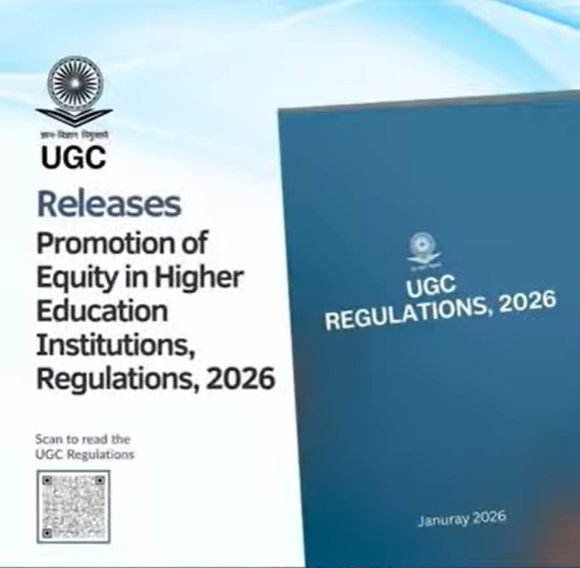
The University Grants Commission’s new framework, formally titled the Promotion of Equity in Higher Education Institutions Regulations, 2026, requires colleges and universities to:
- Establish equity cells to monitor discrimination complaints.
- Conduct awareness programs on caste, gender, and minority rights.
- Ensure fair representation in academic and administrative processes.
- Provide formal grievance mechanisms for students and faculty.
By institutionalizing accountability, the UGC equity rules aim to create safer, more inclusive campuses.
Supporters: Justice for Marginalized Groups
Proponents argue the rules are essential for justice in higher education.
- Marginalized students often face subtle and overt forms of bias, from classroom exclusion to denial of opportunities.
- Equity cells provide a structured way to address grievances and prevent harassment.
- Advocates believe the rules align with India’s constitutional commitment to social equality.
For supporters, the UGC equity rules represent a long-overdue reform to dismantle entrenched hierarchies.
Critics: Fear of Reverse Discrimination
Opposition has been strong among general category students, who see the rules as potential reverse discrimination.
- Concerns exist that equity cells may overcompensate, penalizing students from non-reserved categories unfairly.
- Critics question whether institutions can maintain procedural neutrality in sensitive cases.
- Some argue the rules risk undermining merit-based admissions and competitiveness.
This perspective frames the nationwide debate as a struggle between inclusivity and fairness.
Nationwide Debate: Student, Academic, and Political Reactions

Student Protests
Across campuses, students have staged demonstrations, demanding safeguards against misuse. Placards reading “Equity, not bias” highlight the tension between justice and reverse discrimination.
Academic Circles
Professors and administrators are divided. Some welcome the rules as a progressive reform, while others worry about bureaucratic overreach and compliance burdens.
Political Discourse
The issue has entered national politics, with parties framing the UGC equity rules around social justice versus meritocracy. Supporters emphasize India’s historical inequalities, while opponents warn of alienating middle-class students.
Justice or Reverse Discrimination?
The central question of the nationwide debate is whether the rules deliver justice or reverse discrimination.
- Justice Perspective:
- Protects vulnerable groups from harassment and exclusion.
- Institutionalizes accountability and fairness.
- Ensures marginalized voices are heard.
- Reverse Discrimination Perspective:
- Risks tilting the balance unfairly against general category students.
- Could stigmatize merit-based admissions.
- May replace one form of bias with another.
The Way Forward
Experts suggest several measures to balance justice and fairness:
- Clear definitions of discrimination to avoid arbitrary decisions.
- Checks and balances in equity cells with diverse representation.
- Transparent complaint mechanisms with appeals processes.
- Dialogue and consultation between students, faculty, and policymakers.
The future of the UGC equity rules depends on sensitive and balanced implementation.
Conclusion: UGC Equity Rules and India’s Higher Education Future
The UGC equity rules have sparked a nationwide debate that reflects India’s ongoing struggle to reconcile justice with equality. Supporters see them as a milestone in inclusivity, while critics warn of reverse discrimination and erosion of meritocracy.
Whether these regulations become a landmark in social justice or a cautionary tale of overreach will depend on how universities implement them. For now, the debate continues—underscoring the complexity of balancing equity, fairness, and merit in India’s diverse higher education system.