
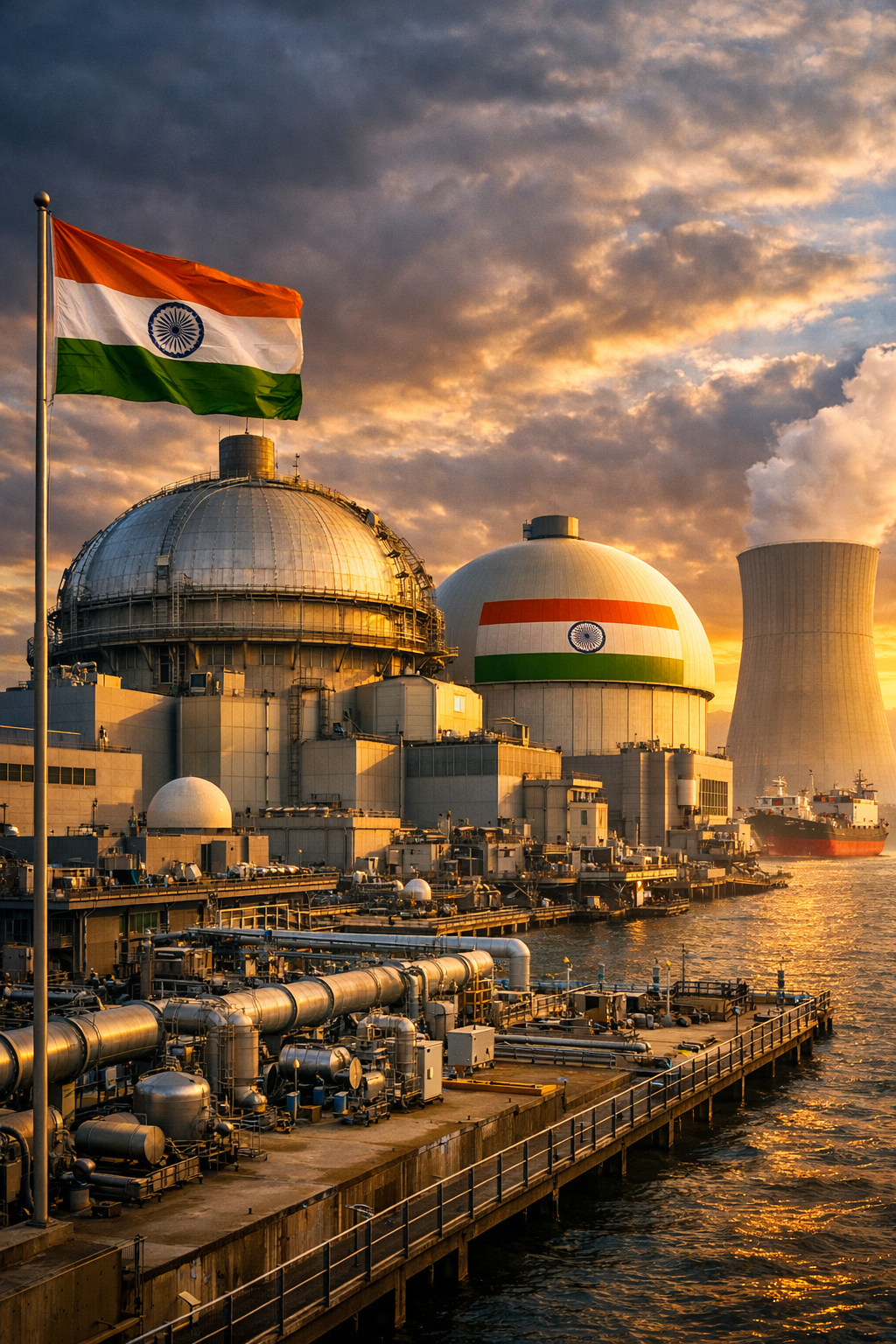
India’s 5 Bold Nuclear Steps Amid Gulf Risks
As tensions continue to rise across the Gulf region, energy security has once again become a top priority for nations heavily dependent on imported oil and gas. For India, the stakes are particularly high. Nearly 60% of the country’s crude oil imports originate from Gulf nations, making any disruption in the region a potential threat to economic growth, industrial production, and energy availability.
Against this backdrop, India’s 5 Bold Nuclear Steps Amid Gulf Risks have emerged as a strategic response designed to strengthen national energy security while accelerating the transition toward cleaner and more reliable power sources. Nuclear energy offers India a unique advantage: stable electricity generation without dependence on volatile global fuel markets.
Having followed India’s energy sector for years, I believe the current geopolitical situation may become a turning point that accelerates India’s nuclear ambitions faster than many experts expected. The government is increasingly viewing nuclear energy not merely as a clean power source but as a critical pillar of national security.
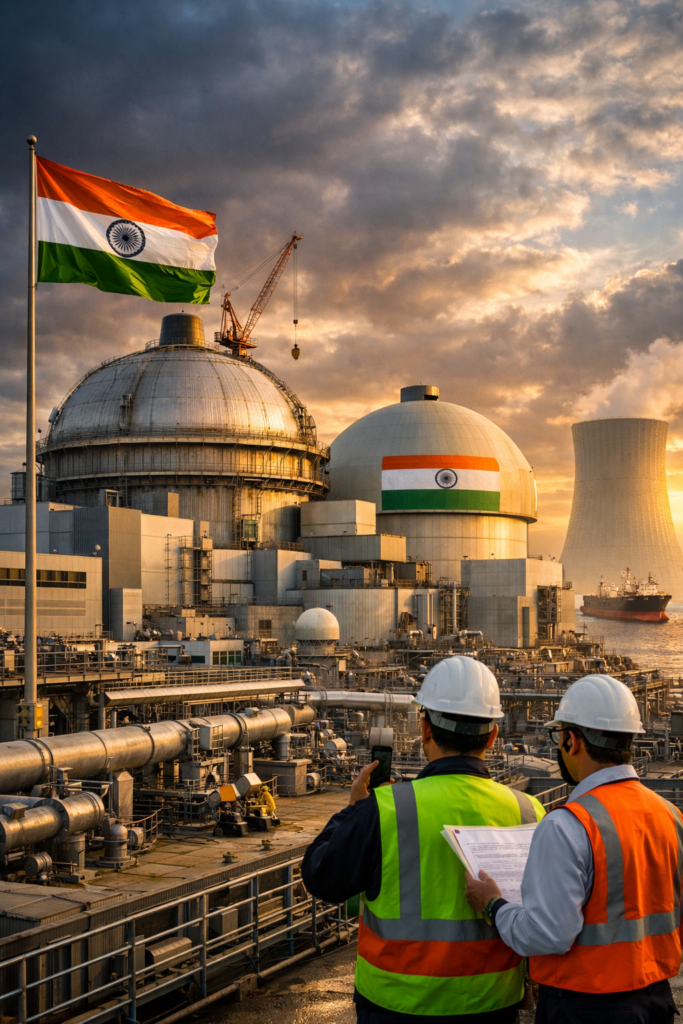
Why Gulf Risks Matter for India
Before understanding India’s 5 Bold Nuclear Steps Amid Gulf Risks, it is important to examine why developments in the Gulf region have such a significant impact on India.
The Gulf remains one of the world’s most important energy-producing regions. Any conflict, shipping disruption, sanctions, or geopolitical instability can affect:
- Crude oil prices
- LNG supplies
- Shipping routes
- Industrial energy costs
- Inflation levels
- Trade balances
India imports a substantial share of its energy requirements. Therefore, reducing dependence on external fuel sources has become a strategic objective.
Nuclear power provides a solution because reactors can operate continuously for long periods and require comparatively small amounts of fuel.
Step 1: Accelerating Domestic Nuclear Capacity Expansion
The first of India’s 5 Bold Nuclear Steps Amid Gulf Risks is the aggressive expansion of domestic nuclear generation capacity.
India currently operates multiple nuclear reactors across various states. However, the government has announced ambitious plans to significantly increase nuclear capacity over the coming decades.
Key initiatives include:
- Faster construction timelines
- Multiple reactor projects under development
- Expansion of existing nuclear sites
- Greater investment in indigenous reactor technology
The goal is clear: increase the share of nuclear power in India’s energy mix and reduce exposure to imported fossil fuels.
A larger nuclear fleet can provide reliable baseload electricity regardless of fluctuations in oil and gas markets.
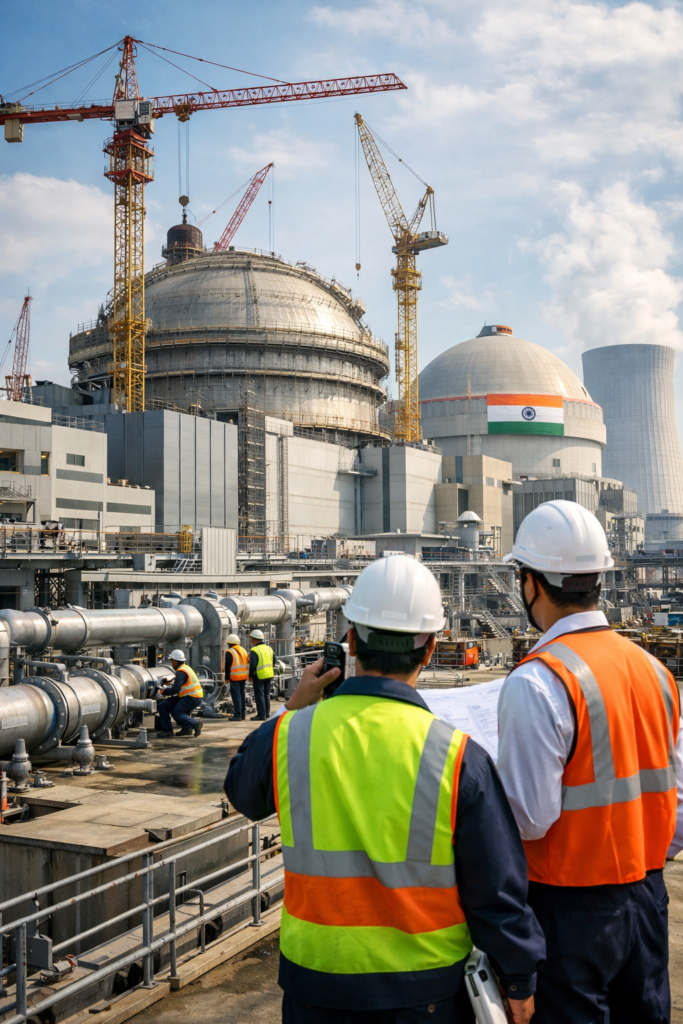
Step 2: Fast-Tracking Indigenous 700 MWe Reactors
Among India’s 5 Bold Nuclear Steps Amid Gulf Risks, the deployment of indigenous 700 MWe Pressurized Heavy Water Reactors (PHWRs) is perhaps the most significant.
India has spent decades developing its own reactor technology.
Advantages include:
Reduced Foreign Dependence
Domestic manufacturing lowers reliance on imported reactor systems.
Lower Costs
Indigenous technology reduces construction and operational expenses.
Faster Deployment
Standardized reactor designs enable quicker implementation.
Technology Leadership
India gains valuable expertise that can eventually support nuclear exports.
The successful deployment of these reactors demonstrates India’s ability to build large-scale nuclear infrastructure using homegrown capabilities.
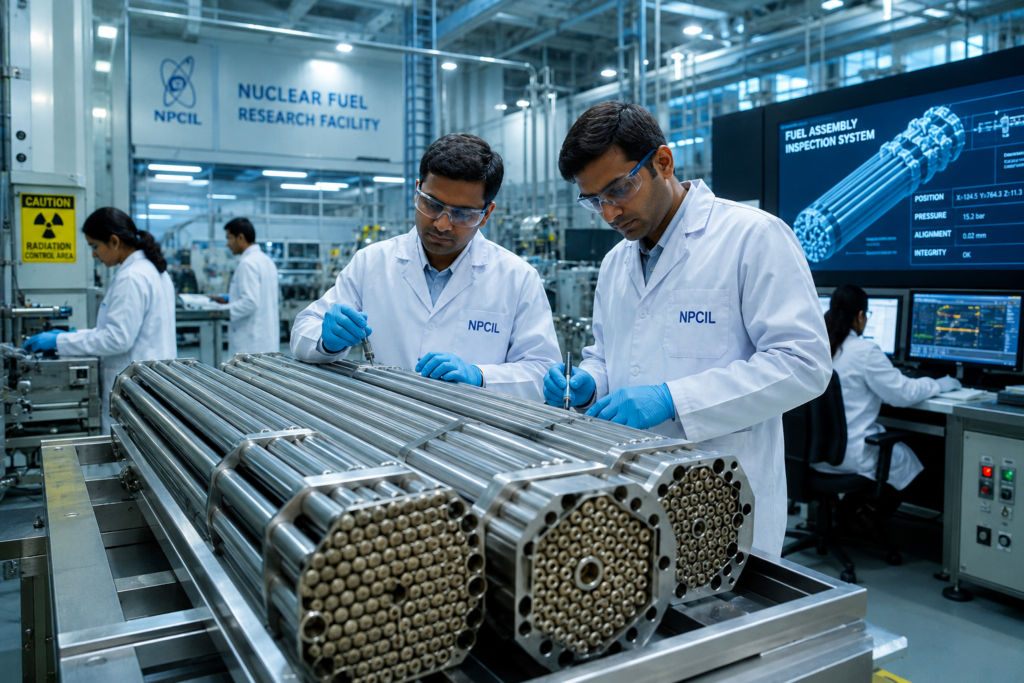
Step 3: Strengthening Nuclear Fuel Security
Another critical component of India’s 5 Bold Nuclear Steps Amid Gulf Risks is securing long-term nuclear fuel supplies.
Unlike oil, uranium requirements are relatively small and can be stockpiled.
India has diversified uranium procurement through partnerships with several countries.
Benefits include:
- Reduced supply disruption risks
- Long-term fuel stability
- Improved reactor reliability
- Greater strategic independence
The government has also strengthened domestic uranium exploration and mining activities.
This ensures that India’s nuclear growth remains insulated from sudden geopolitical shocks.
Step 4: Expanding Strategic Nuclear Partnerships
International collaboration forms another major pillar of India’s 5 Bold Nuclear Steps Amid Gulf Risks.
India has strengthened nuclear cooperation with several major economies.
These partnerships support:
- Advanced reactor technology access
- Fuel supply agreements
- Research collaboration
- Safety enhancements
- Workforce training
Global partnerships accelerate innovation while ensuring India remains aligned with international nuclear safety standards.
The ability to collaborate with multiple countries also reduces dependence on any single supplier.
Step 5: Investing in Next-Generation Nuclear Technologies
The fifth and perhaps most future-oriented aspect of India’s 5 Bold Nuclear Steps Amid Gulf Risks involves next-generation reactor technologies.
India is actively exploring advanced nuclear systems such as:
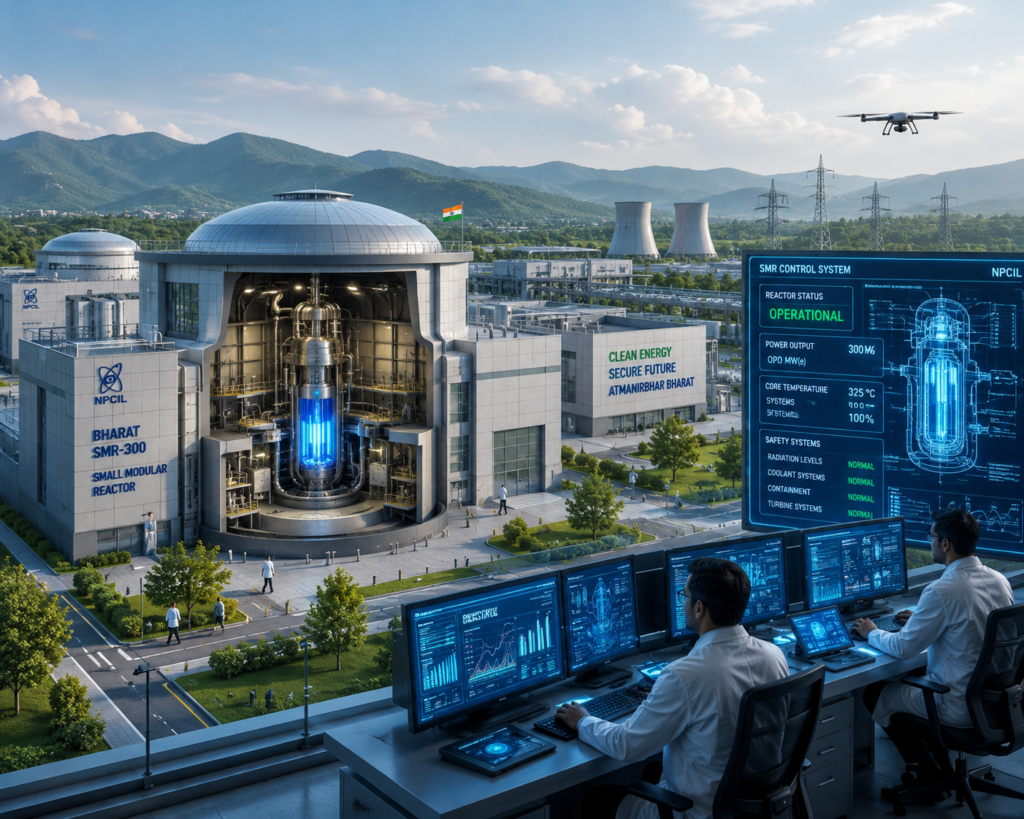
Small Modular Reactors (SMRs)
SMRs offer:
- Lower capital costs
- Faster deployment
- Enhanced safety
- Flexible power generation
Fast Breeder Reactors
These reactors can:
- Improve fuel efficiency
- Utilize existing fuel resources more effectively
- Extend long-term energy security
Thorium-Based Reactors
India possesses some of the world’s largest thorium reserves.
Thorium technology could eventually provide:
- Greater fuel availability
- Lower import dependence
- Sustainable long-term power generation
As someone who has closely observed India’s nuclear sector, I believe thorium remains one of the country’s most exciting long-term opportunities.
How Nuclear Energy Protects India from Gulf Energy Shocks
The importance of India’s 5 Bold Nuclear Steps Amid Gulf Risks becomes clear when examining the advantages of nuclear power during geopolitical crises.
Stable Electricity Generation
Nuclear reactors operate around the clock regardless of weather conditions or fuel market volatility.
Reduced Oil Dependence
Higher nuclear generation lowers pressure on fossil fuel imports.
Lower Carbon Emissions
Nuclear energy supports India’s climate commitments.
Long-Term Price Stability
Electricity prices become less vulnerable to international fuel price spikes.
Strategic Autonomy
Energy security strengthens national resilience during global crises.
Economic Benefits of India’s Nuclear Expansion
The impact of India’s 5 Bold Nuclear Steps Amid Gulf Risks extends beyond energy security.
Economic benefits include:
Job Creation
Thousands of jobs are generated across:
- Manufacturing
- Construction
- Engineering
- Research
- Operations
Industrial Growth
Reliable electricity supports:
- Steel production
- Manufacturing
- Data centers
- Infrastructure projects
Reduced Import Bills
Lower fossil fuel imports improve India’s trade balance.
Increased Investment
Stable power supply attracts domestic and foreign investors.
Environmental Advantages of Nuclear Energy
An often-overlooked aspect of India’s 5 Bold Nuclear Steps Amid Gulf Risks is their environmental impact.
Nuclear energy produces extremely low greenhouse gas emissions during operation.
Benefits include:
- Cleaner air
- Lower carbon footprint
- Reduced coal dependence
- Support for climate targets
- Sustainable long-term electricity generation
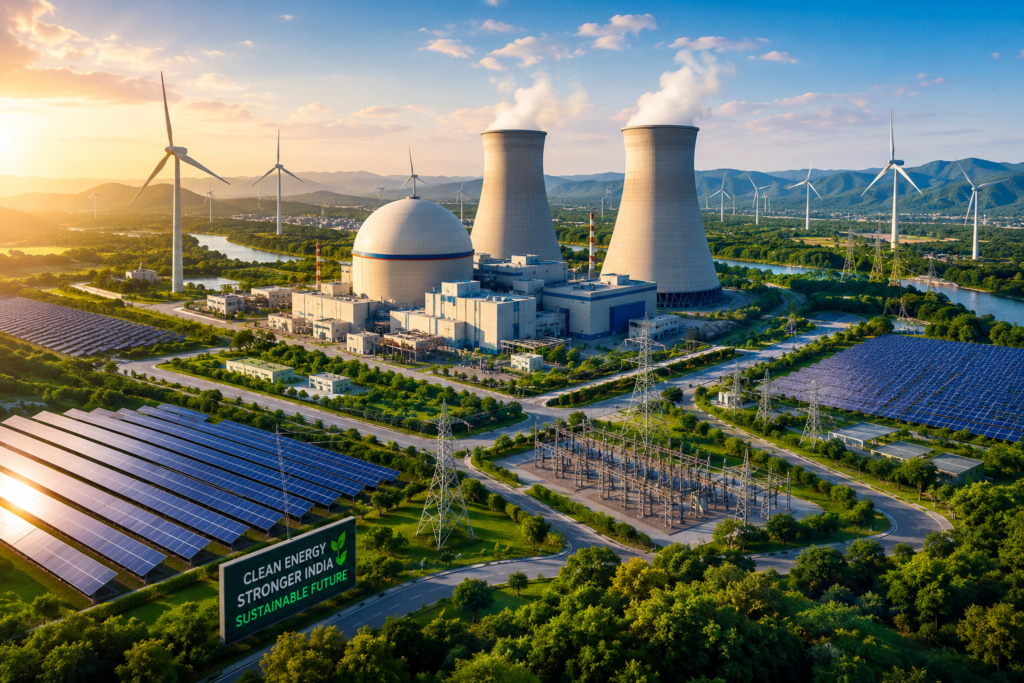
As India seeks to achieve net-zero ambitions, nuclear power can complement solar and wind energy.
Challenges Facing Nuclear Expansion
While India’s 5 Bold Nuclear Steps Amid Gulf Risks present tremendous opportunities, several challenges remain.
High Initial Investment
Nuclear plants require substantial upfront capital.
Regulatory Approvals
Projects often involve lengthy approval processes.
Public Perception
Safety concerns continue to influence public opinion.
Construction Timelines
Large reactors can take years to complete.
However, advances in reactor technology and improved project management are helping address many of these concerns.
Why the Current Gulf Situation Could Accelerate Nuclear Growth
The ongoing uncertainty in global energy markets is reinforcing the importance of India’s 5 Bold Nuclear Steps Amid Gulf Risks.
Historically, major energy shocks have encouraged countries to diversify energy sources.
India appears to be following the same path by:
- Increasing nuclear investments
- Expanding domestic manufacturing
- Strengthening fuel security
- Accelerating reactor construction
- Developing advanced technologies
These measures collectively create a stronger and more resilient energy ecosystem.
Future Outlook
Looking ahead, India’s 5 Bold Nuclear Steps Amid Gulf Risks may prove to be one of the country’s most important strategic energy initiatives.
If successfully implemented, these measures could:
- Increase energy independence
- Strengthen economic resilience
- Reduce import dependence
- Support industrial growth
- Enhance climate performance
- Position India as a global nuclear technology leader
The coming decade could witness the most significant expansion of India’s nuclear sector since the country’s first reactors began operation.
Conclusion
The growing uncertainty surrounding global energy supplies has highlighted the importance of long-term energy security. India’s 5 Bold Nuclear Steps Amid Gulf Risks represent a comprehensive strategy to reduce dependence on imported fossil fuels while building a reliable, clean, and resilient power system.
By accelerating reactor construction, deploying indigenous technology, securing fuel supplies, expanding international partnerships, and investing in advanced nuclear systems, India is positioning itself for a future where energy security is less vulnerable to geopolitical disruptions.
From my perspective as a long-time observer of the energy sector, India’s 5 Bold Nuclear Steps Amid Gulf Risks could become a defining chapter in India’s journey toward becoming an energy-secure and technologically advanced global power.
Frequently Asked Questions (FAQs)
1. What are India’s 5 Bold Nuclear Steps Amid Gulf Risks?
They include expanding nuclear capacity, deploying indigenous 700 MWe reactors, strengthening fuel security, enhancing international partnerships, and investing in advanced nuclear technologies.
2. Why are Gulf risks important for India?
India imports a large portion of its oil and gas from Gulf countries. Any disruption can affect energy prices and economic stability.
3. How does nuclear energy improve energy security?
Nuclear power provides reliable electricity generation with minimal dependence on imported fossil fuels.
4. What are Small Modular Reactors (SMRs)?
SMRs are compact nuclear reactors designed to be safer, faster to deploy, and more cost-effective than traditional large reactors.
5. Does India have enough fuel for nuclear expansion?
India is strengthening uranium supply chains through international partnerships and domestic exploration efforts.
6. Why is thorium important for India?
India possesses vast thorium reserves, making thorium-based nuclear technology a promising long-term energy solution.
7. Can nuclear energy help reduce carbon emissions?
Yes. Nuclear power generates electricity with very low greenhouse gas emissions, supporting climate goals.
8. Will nuclear power reduce India’s oil imports?
Indirectly, yes. Greater nuclear electricity generation reduces overall dependence on fossil-fuel-based energy systems and strengthens energy independence.