
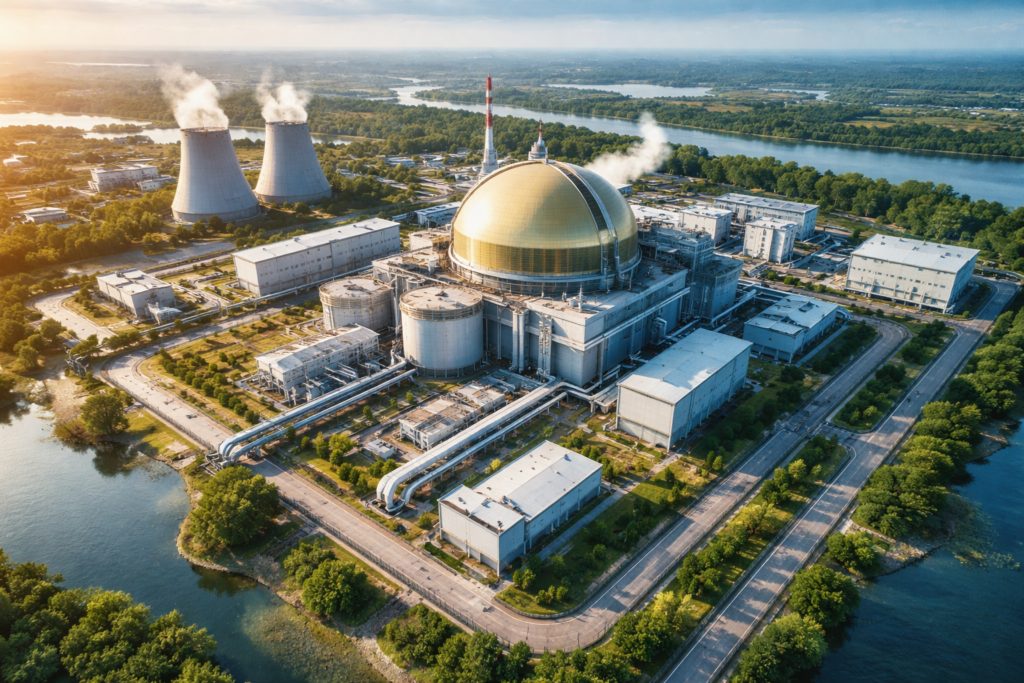
India’s PFBR Criticality: Nuclear Power Breakthrough marks a defining moment in the nation’s long-term energy strategy. In a significant scientific and technological milestone, India has successfully achieved criticality in its Prototype Fast Breeder Reactor (PFBR), placing the country among an elite group of nations mastering advanced nuclear fuel cycles.
Developed by Indira Gandhi Centre for Atomic Research (IGCAR) and operated by BHAVINI, the PFBR located in Kalpakkam represents decades of research, innovation, and strategic planning.
What is PFBR? – Understanding India’s Nuclear Breakthrough
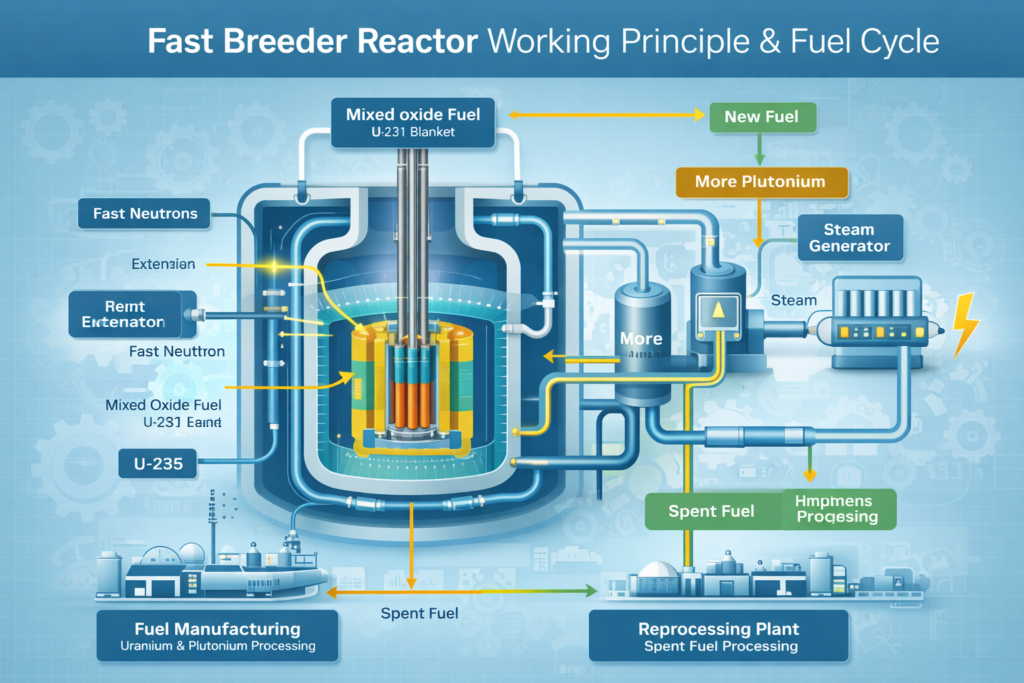
The Prototype Fast Breeder Reactor (PFBR) is a 500 MWe sodium-cooled fast reactor designed to generate more fissile material than it consumes. Unlike conventional reactors, PFBR uses plutonium-based mixed oxide (MOX) fuel and liquid sodium as a coolant.
Key Features of PFBR:
- Uses fast neutrons instead of thermal neutrons
- Produces more fuel (breeding) than it consumes
- Supports India’s long-term three-stage nuclear program
- Enhances energy security with efficient fuel utilization
This breakthrough strengthens India’s position in advanced nuclear technology, alongside countries like Russia and France.
India’s PFBR Criticality: Nuclear Power Breakthrough Explained
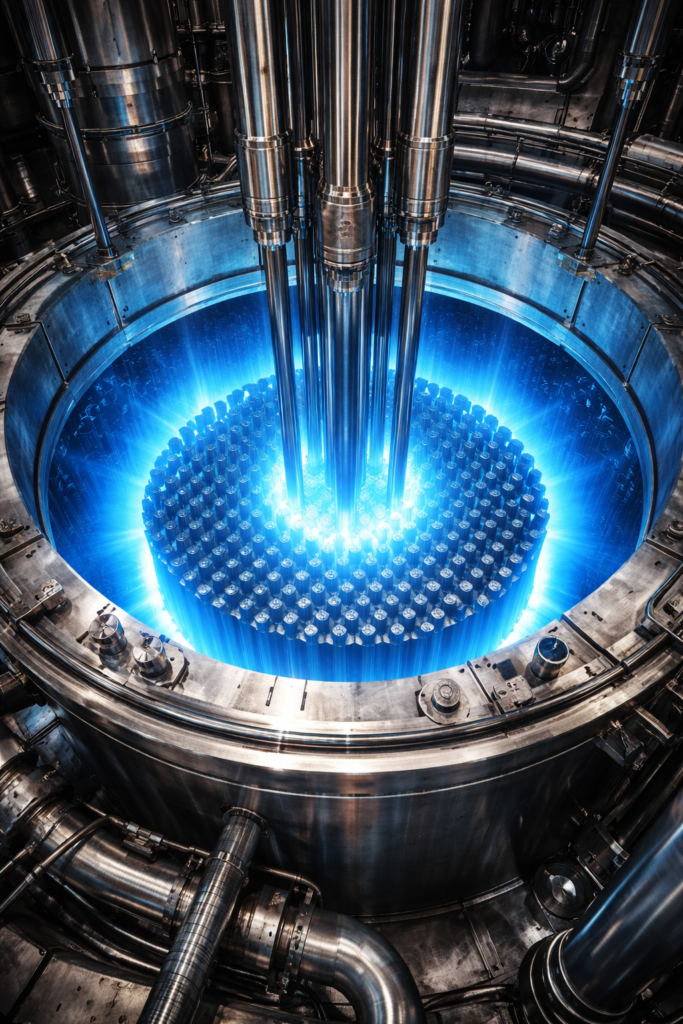
“Criticality” in nuclear science refers to the point at which a reactor achieves a self-sustaining nuclear chain reaction. Achieving this milestone is a crucial step before full power generation begins.
Why Criticality Matters:
- Validates reactor design and safety systems
- Confirms successful fuel loading and neutron behavior
- Marks transition from construction to operational phase
The success of PFBR criticality showcases India’s ability to handle complex nuclear engineering challenges independently.
Role in India’s Three-Stage Nuclear Program
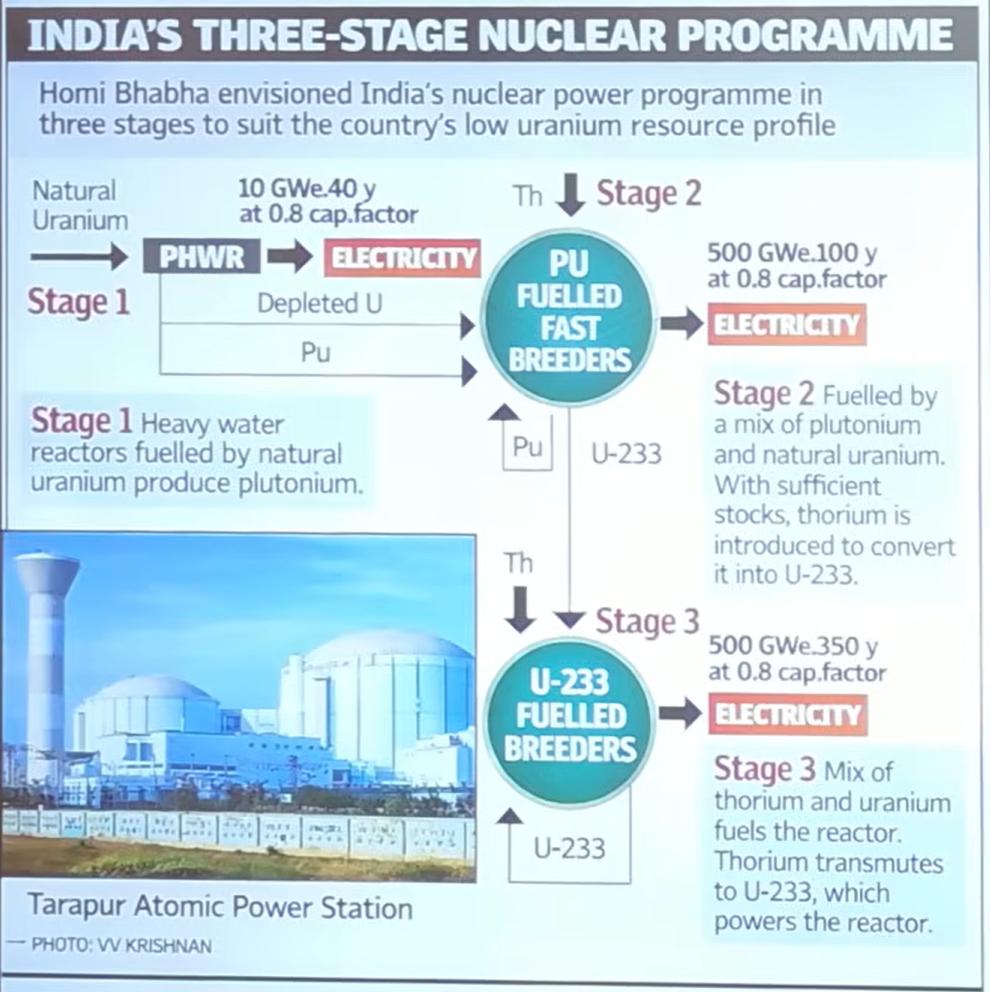
India’s PFBR Criticality: Nuclear Power Breakthrough is deeply tied to the country’s unique nuclear roadmap:
Stage 1:
- Pressurized Heavy Water Reactors (PHWRs) using natural uranium
Stage 2:
- Fast Breeder Reactors like PFBR using plutonium
Stage 3:
- Thorium-based reactors (future vision)
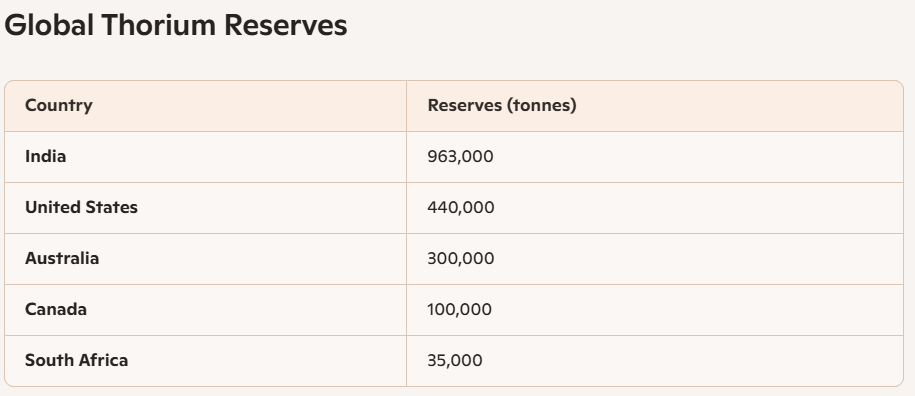
India has abundant thorium reserves, and PFBR plays a crucial role in transitioning toward thorium utilization—making nuclear power more sustainable and self-reliant.
Strategic Importance of PFBR for India
1. Energy Security
India currently imports a large portion of its energy needs. PFBR reduces dependence on imported fuels by maximizing domestic uranium and plutonium resources.
2. Clean Energy Transition
As India pushes toward net-zero emissions, nuclear energy offers a stable, low-carbon alternative to fossil fuels.
3. Technological Leadership
Achieving PFBR criticality elevates India into a select league of technologically advanced nations capable of developing fast breeder reactors.
Global Context: India Joins Elite Nuclear Club
With this achievement, India joins a small group of countries that have successfully developed and operated fast breeder reactors. Nations like Japan and United States have experimented with similar technologies, but operational success has been limited globally.
India’s steady progress highlights a balanced approach—combining innovation with safety and sustainability.
Safety Measures and Environmental Considerations
Advanced Safety Systems
The PFBR incorporates multiple passive and active safety systems:
- Sodium leak detection mechanisms
- Emergency shutdown systems
- Double containment structures
Environmental Impact
- Zero carbon emissions during operation
- Reduced nuclear waste through fuel recycling
- Efficient utilization of resources
This makes PFBR a key component of India’s clean energy future.

Challenges and the Road Ahead
While India’s PFBR Criticality: Nuclear Power Breakthrough is a major achievement, challenges remain:
Operational Challenges:
- Handling liquid sodium coolant safely
- Managing complex fuel cycles
- Ensuring long-term economic viability
Future Plans:
India plans to build more fast breeder reactors, scaling up nuclear capacity significantly in the coming decades.
Economic Impact of PFBR Criticality
The successful commissioning of PFBR is expected to:
- Boost indigenous nuclear industry
- Generate employment in high-tech sectors
- Reduce long-term energy costs
It also strengthens India’s position in global nuclear partnerships and export potential.
Conclusion: A Turning Point in India’s Energy Journey
India’s PFBR Criticality: Nuclear Power Breakthrough is more than a scientific achievement—it is a strategic leap toward energy independence, sustainability, and technological leadership.
As the reactor moves toward full power operations, it will play a pivotal role in shaping India’s clean energy future while reinforcing its status as a global nuclear power.