

India-US Trade Deal Nears Finish Line: 5 Major Gains Ahead
Introduction
The long-awaited India-US trade agreement appears closer than ever to becoming reality. After years of negotiations, multiple rounds of discussions, and extensive consultations between policymakers, businesses, and industry groups, both countries have signaled that the agreement is entering its final stage.
The latest round of ministerial-level talks has generated significant optimism among economists, exporters, investors, and strategic analysts. As the world’s largest democracy and the world’s largest economy deepen their economic partnership, the implications extend far beyond trade statistics. The agreement could reshape supply chains, strengthen investment flows, create jobs, and reinforce strategic cooperation in an increasingly competitive global environment.
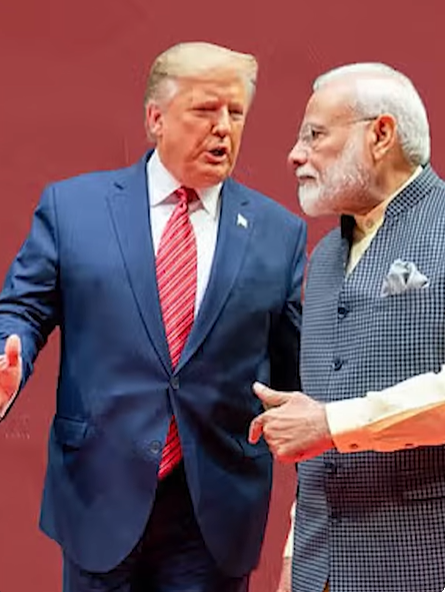
The phrase “India-US Trade Deal Nears Finish Line: 5 Major Gains Ahead” captures the excitement surrounding these developments. If finalized, the agreement could become one of the most significant economic milestones in India-US relations in recent years.
In this article, we explore why the trade deal matters, the key issues under discussion, and the five major gains that could emerge from a successful agreement.
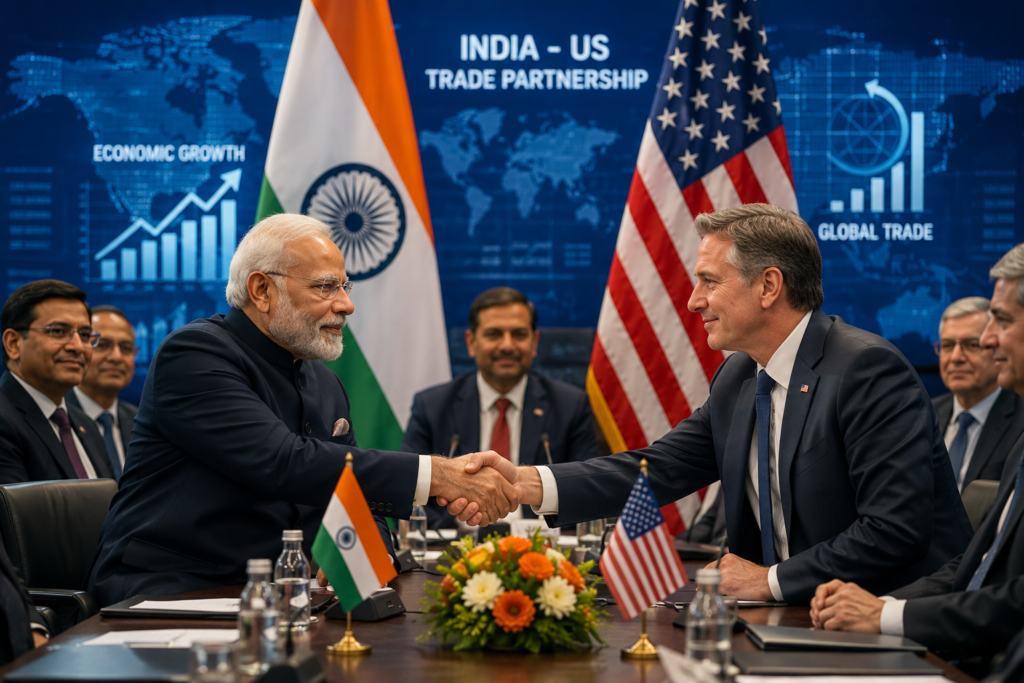
India-US Trade Deal Nears Finish Line: 5 Major Gains Ahead
Key Elements of the Trade Deal
Tariff Reforms
A major component of the proposed agreement involves tariff rationalization aimed at boosting bilateral trade. The United States is expected to significantly reduce tariffs on a range of Indian exports, including products affected by duties linked to Russian oil-related concerns. In return, India is likely to lower tariffs on selected American industrial and agricultural goods, creating a more balanced and competitive trade environment.
Expanded Market Access
The deal is expected to open new opportunities for businesses in both countries. India may increase imports of U.S. energy resources, commercial aircraft, advanced technology, and high-value industrial products over the coming years. At the same time, American manufacturers could receive improved or duty-free access to key segments of the Indian market, strengthening commercial ties between the two economies.
Ambitious Trade Growth Targets
Both nations have set an ambitious goal of expanding bilateral trade to $500 billion by 2030. This target reflects the growing economic partnership between India and the United States. In FY 2025–26, India exported goods worth $87.3 billion to the U.S., while imports from the United States totaled $52.9 billion, highlighting the substantial scope for further trade expansion.
India-US Trade Deal Nears Finish Line: 5 Major Gains Ahead
Understanding the India-US Trade Deal
The proposed India-US trade agreement aims to reduce trade barriers, improve market access, facilitate investments, and strengthen economic cooperation between the two countries.
Over the years, bilateral trade between India and the United States has expanded rapidly. The United States remains one of India’s largest trading partners, while India has become an increasingly important market for American companies.
The trade agreement seeks to address several longstanding issues, including:
- Tariff reductions
- Market access for goods and services
- Investment protection
- Digital trade regulations
- Customs facilitation
- Supply chain resilience
- Intellectual property cooperation
- Agricultural trade concerns
With ministerial talks entering a decisive phase, policymakers on both sides are working to finalize remaining details and move toward implementation.
Why This Trade Deal Matters
Global trade is undergoing major transformation. Companies are diversifying supply chains, governments are pursuing strategic partnerships, and emerging markets are becoming increasingly important growth engines.
India is positioned to benefit significantly from these trends.
Several factors make this agreement especially important:
Rising Economic Ties
Trade between India and the United States has grown substantially over the past decade.
Strategic Partnership
The agreement complements broader cooperation in technology, defense, semiconductors, clean energy, and critical supply chains.
Investment Opportunities
Businesses in both countries are looking for greater certainty and easier market access.
Global Competitiveness
The deal could strengthen India’s role as a global manufacturing and export hub.
5 Major Gains Ahead
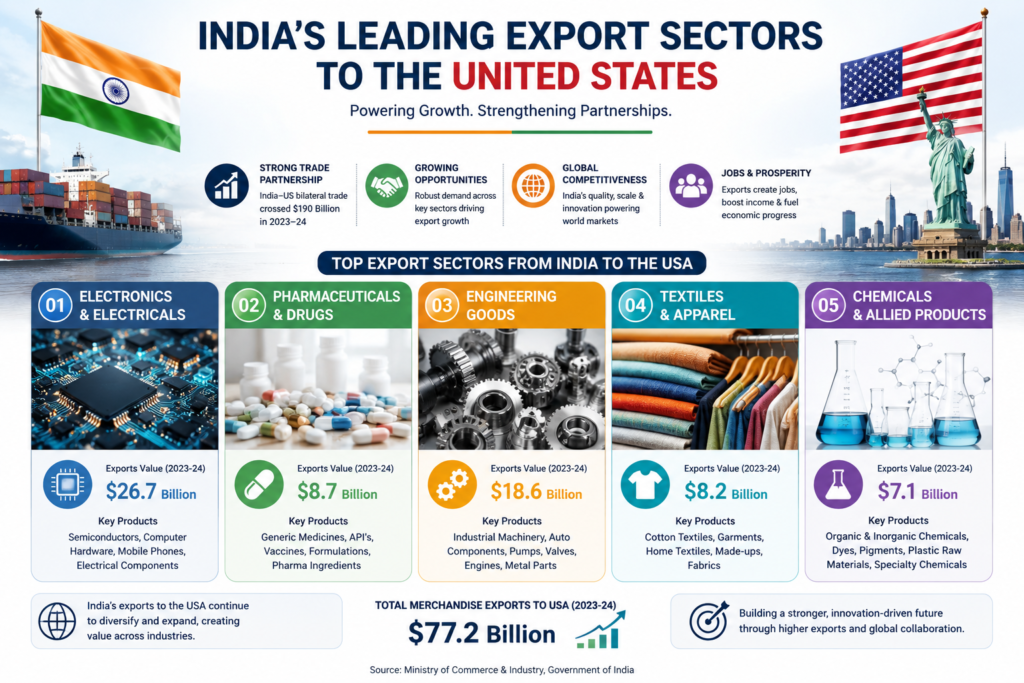
1. Stronger Export Growth for Indian Industries
One of the biggest benefits of the agreement could be increased exports from India to the United States.
Reduced trade barriers and improved market access may create new opportunities for several sectors, including:
- Engineering goods
- Pharmaceuticals
- Electronics
- Textiles
- Chemicals
- Automotive components
- Information technology services
Indian exporters often face tariff and regulatory challenges when entering international markets. A comprehensive trade framework could help reduce these obstacles and improve competitiveness.
As the India-US Trade Deal Nears Finish Line: 5 Major Gains Ahead, exporters are preparing for potential expansion opportunities in the world’s largest consumer market.
Potential Export Winners
| Sector | Expected Benefit |
|---|---|
| Electronics | Higher market access |
| Pharmaceuticals | Regulatory cooperation |
| Engineering Goods | Increased competitiveness |
| Textiles | Stronger export demand |
| Chemicals | Lower trade barriers |
2. Increased Foreign Investment Flows
The second major advantage could be stronger investment activity.
Global investors value policy certainty. Trade agreements often signal stability, predictability, and long-term commitment to economic cooperation.
American companies are already investing heavily in:
- Manufacturing
- Semiconductor production
- Artificial intelligence
- Renewable energy
- Logistics
- Financial services
A finalized agreement could encourage additional investments into India’s growing economy.
India’s large domestic market, skilled workforce, and improving infrastructure make it an attractive destination for multinational corporations.
The India-US Trade Deal Nears Finish Line: 5 Major Gains Ahead narrative is particularly important for investors evaluating long-term opportunities in South Asia.
Areas Likely to Attract Investment
- Semiconductor manufacturing
- Electric vehicles
- Battery production
- Green hydrogen
- Data centers
- Digital infrastructure
- Advanced manufacturing
3. Job Creation Across Multiple Sectors
Trade agreements often generate employment through increased production, exports, and investment.
If exports rise and investment flows expand, Indian companies may require additional workers in:
- Manufacturing
- Logistics
- Warehousing
- Technology services
- Research and development
- Engineering
Small and medium enterprises (SMEs) could also benefit significantly.
Many SMEs serve as suppliers to larger exporters. Increased demand from global markets may create new business opportunities throughout India’s industrial ecosystem.
Employment Impact Areas
Manufacturing Jobs
New factories and production facilities may require skilled labor.
Technology Jobs
Digital trade and innovation partnerships could create opportunities for software professionals.
Logistics Jobs
Higher trade volumes increase demand for transportation and supply-chain services.
Research Jobs
Innovation-focused sectors could see increased hiring in research and development.
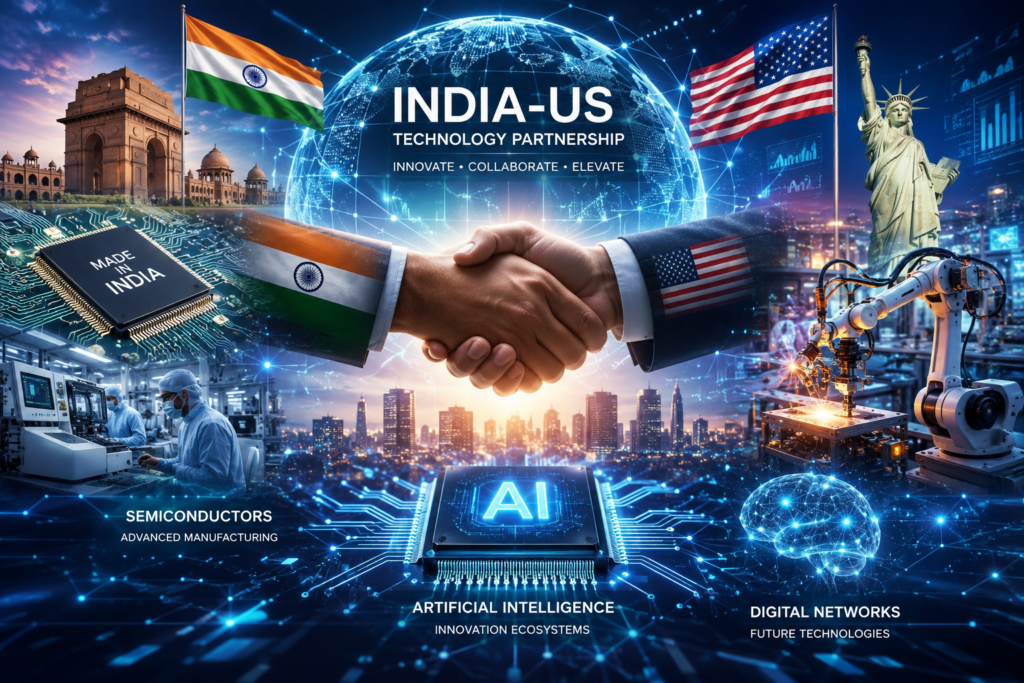
4. Stronger Technology and Innovation Partnership
Technology cooperation is becoming a central pillar of India-US relations.
The trade agreement could strengthen collaboration in:
- Artificial Intelligence
- Semiconductors
- Quantum Computing
- Cybersecurity
- Telecommunications
- Digital Services
Both countries recognize the importance of technological leadership in the modern economy.
India offers a large talent pool and growing digital infrastructure, while the United States remains a global leader in innovation and advanced technology.
As the India-US Trade Deal Nears Finish Line: 5 Major Gains Ahead, technology companies are closely monitoring developments that could accelerate cross-border collaboration.
Key Technology Areas
Semiconductors
India is emerging as a major destination for chip manufacturing investments.
Artificial Intelligence
Joint research and innovation initiatives could expand rapidly.
Digital Trade
Enhanced digital commerce frameworks may benefit startups and technology firms.
5. Enhanced Economic and Strategic Security
The fifth major gain extends beyond economics.
Trade agreements often strengthen geopolitical partnerships by increasing economic interdependence.
The India-US relationship has expanded significantly in recent years across:
- Defense cooperation
- Supply chain security
- Energy security
- Critical minerals
- Maritime cooperation
- Emerging technologies
A stronger trade relationship may enhance resilience against global disruptions.
Recent geopolitical tensions have highlighted the importance of reliable economic partners and diversified supply chains.
The India-US Trade Deal Nears Finish Line: 5 Major Gains Ahead story is therefore not just about trade. It is also about long-term strategic cooperation.
Strategic Benefits
- Supply chain diversification
- Reduced dependency on single markets
- Improved resilience during crises
- Greater economic stability
- Enhanced regional influence
Challenges Still Remaining
While optimism is growing, some challenges remain.
Agricultural Market Access
Agricultural products continue to be a sensitive issue for both countries.
Tariff Negotiations
Some sectors still seek greater clarity on tariff structures.
Regulatory Standards
Aligning regulations across industries can be complex.
Domestic Concerns
Industry groups and farmers may seek safeguards to protect local interests.
Negotiators must balance economic opportunities with domestic priorities.
Impact on Indian Businesses
Indian businesses should closely monitor developments.
Companies may benefit by:
- Expanding export capabilities
- Strengthening compliance systems
- Exploring US market opportunities
- Investing in innovation
- Building international partnerships
Businesses that prepare early could gain a competitive advantage once the agreement takes effect.
Impact on Consumers
Consumers in both countries may experience benefits such as:
- Greater product availability
- Improved competition
- Better quality products
- Increased innovation
- Potential price efficiencies
A successful trade agreement often creates advantages across the broader economy.
India-US Trade Deal Nears Finish Line: 5 Major Gains Ahead
Future Outlook
Current signals suggest that both governments are committed to concluding the first phase of the agreement.
If successful, the deal could become the foundation for a broader and more comprehensive economic partnership in the years ahead.
The global economy is increasingly driven by trusted partnerships, resilient supply chains, and innovation-led growth.
India and the United States appear determined to strengthen cooperation in all three areas.
That is why the headline India-US Trade Deal Nears Finish Line: 5 Major Gains Ahead is attracting so much attention from businesses, policymakers, and investors worldwide.
India-US Trade Deal Nears Finish Line: 5 Major Gains Ahead
Conclusion
India-US Trade Deal Nears Finish Line: 5 Major Gains Ahead
The ongoing ministerial talks represent a potentially transformative moment in India-US economic relations.
A finalized agreement could unlock stronger exports, attract investment, create jobs, accelerate technology cooperation, and reinforce strategic security.
While some issues still require negotiation, momentum is clearly building toward a successful outcome.
As the India-US Trade Deal Nears Finish Line: 5 Major Gains Ahead, stakeholders across industries are preparing for new opportunities that could shape the future of one of the world’s most important economic partnerships.
Frequently Asked Questions (FAQs)
What is the India-US trade deal?
It is a proposed bilateral agreement designed to improve trade, investment, and economic cooperation between India and the United States.
Why is the trade deal important?
The agreement could increase exports, attract investment, create jobs, and strengthen strategic cooperation between both nations.
Which sectors may benefit the most?
Electronics, pharmaceuticals, engineering goods, technology services, semiconductors, and manufacturing sectors are expected to benefit significantly.
Will the trade deal create jobs?
Yes. Increased trade and investment often lead to higher demand for workers across manufacturing, logistics, technology, and research sectors.
When could the agreement be finalized?
Negotiations are currently in an advanced stage, with ministerial talks focused on resolving remaining issues.
How will consumers benefit?
Consumers may gain access to more products, greater competition, better quality offerings, and increased innovation.