
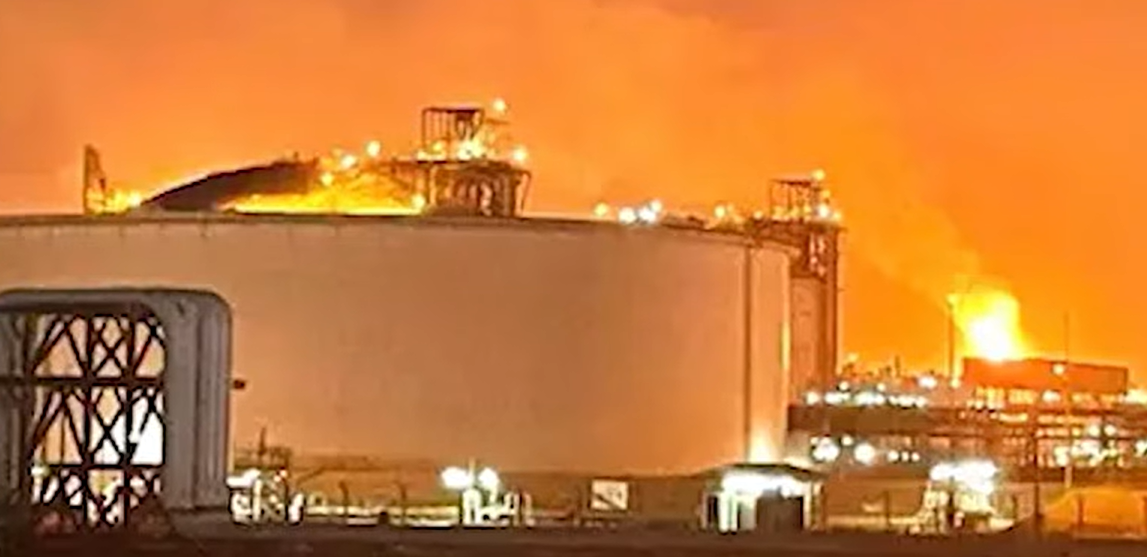
Qatar Gas Hub Explosion: 54 Injured, 18 Missing in Blast
The Qatar Gas Hub Explosion: 54 Injured, 18 Missing in Blast has sent shockwaves across the global energy industry, raising concerns about industrial safety, energy security, and the resilience of critical infrastructure. The powerful explosion occurred at the Ras Laffan Industrial City, Qatar’s most important natural gas processing and export center, resulting in dozens of injuries and leaving several workers unaccounted for.
As emergency teams continue rescue and recovery operations, governments, energy companies, and market analysts are closely monitoring developments. The incident comes at a time when Qatar plays a crucial role in supplying liquefied natural gas (LNG) to markets across Asia, Europe, and other regions.
Key Developments Table
| Aspect | Details |
|---|---|
| Casualties | 54 injured, 18 missing |
| Cause | Technical malfunction during restart |
| Facility | Barzan gas supply plant |
| Capacity | 1.4 billion cubic feet/day |
| Global Role | Supplies ~20% of world LNG |
| Response | Fire contained, search ongoing |
| Geopolitical Context | Recent Iranian strikes disrupted operations |
This article examines the Qatar Gas Hub Explosion: 54 Injured, 18 Missing in Blast, its causes, impact on energy markets, rescue efforts, economic implications, and what it means for the future of global energy security.
What Happened at Qatar’s Ras Laffan Gas Hub?
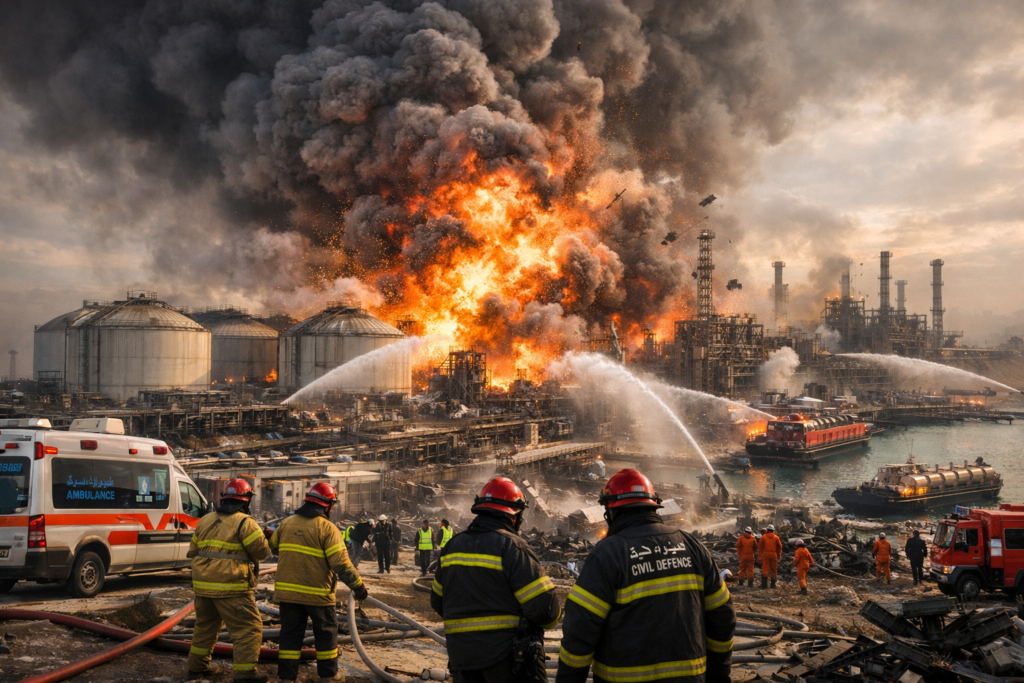
The Qatar Gas Hub Explosion: 54 Injured, 18 Missing in Blast occurred at the Barzan gas processing facility within Ras Laffan Industrial City. Initial reports indicate that the blast happened during operational activities at one of the facility’s processing units.
Witnesses described hearing a loud explosion followed by a massive fireball that illuminated the industrial complex. Emergency alarms were immediately activated, and firefighting teams rushed to contain the blaze.
Authorities confirmed that at least 54 workers sustained injuries ranging from minor burns to serious trauma. Meanwhile, search-and-rescue teams continue efforts to locate the 18 individuals reported missing following the explosion.
The scale of the incident has prompted a comprehensive investigation into the circumstances leading to the blast.
Why Ras Laffan Matters to the Global Energy Industry
The significance of the Qatar Gas Hub Explosion: 54 Injured, 18 Missing in Blast extends far beyond Qatar’s borders.
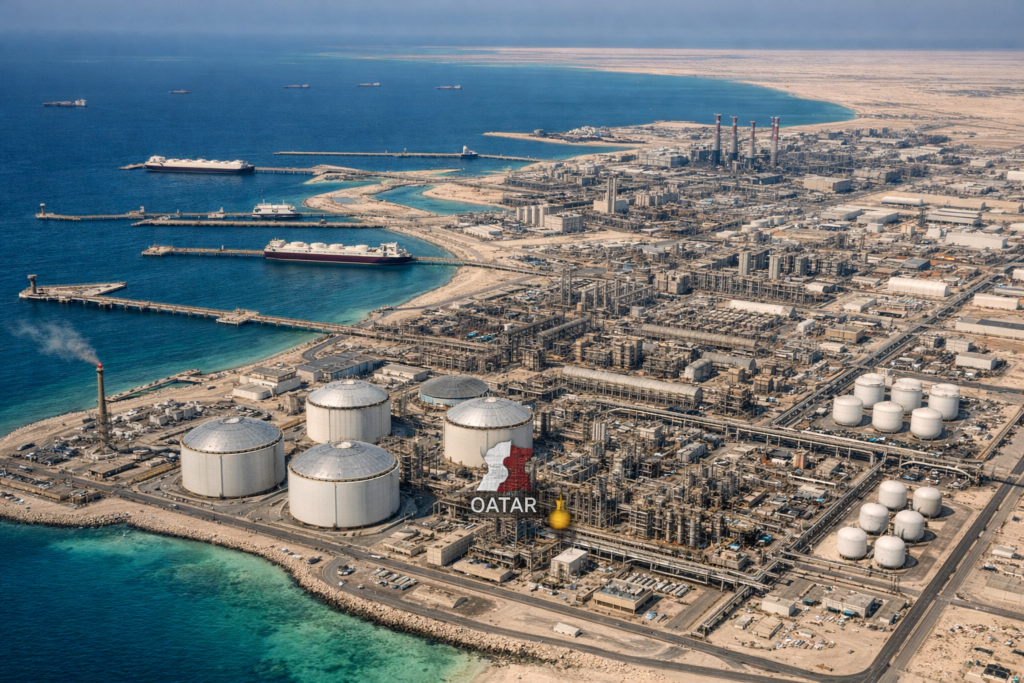
Ras Laffan Industrial City is one of the largest energy hubs in the world. It serves as the center of Qatar’s LNG production and export operations and hosts numerous gas processing plants, storage facilities, and export terminals.
Key facts about Ras Laffan include:
- One of the world’s largest LNG export hubs
- Critical supplier to Asian and European markets
- Home to major natural gas processing facilities
- Strategic contributor to global energy security
- Central component of Qatar’s economic growth
Any disruption at Ras Laffan has the potential to affect international energy markets, making the Qatar Gas Hub Explosion: 54 Injured, 18 Missing in Blast a matter of global concern.
Immediate Emergency Response
Following the Qatar Gas Hub Explosion: 54 Injured, 18 Missing in Blast, emergency crews initiated an extensive rescue and containment effort aimed at controlling the fire, treating victims, and locating missing workers.
The response involved:
Firefighting Operations
Specialized industrial firefighting units were deployed to contain flames and prevent the fire from spreading to nearby facilities.
Medical Assistance
Dozens of ambulances transported injured workers to nearby hospitals where emergency treatment was provided.
Search and Rescue Missions
Teams equipped with advanced detection technologies began searching damaged structures for missing workers.
Safety Perimeter
Authorities established exclusion zones around affected facilities to protect workers and nearby infrastructure.
The swift response likely prevented an even larger catastrophe in an area containing highly sensitive energy infrastructure.
Potential Causes Under Investigation
While investigators have not yet released a final report, several possible factors are being examined in connection with the Qatar Gas Hub Explosion: 54 Injured, 18 Missing in Blast.
Equipment Failure
Industrial facilities operate under high pressure and extreme temperatures. A malfunction in critical equipment can trigger catastrophic incidents.
Gas Leakage
Natural gas leaks remain among the most significant hazards in processing facilities. Even a small leak can lead to devastating explosions if ignited.
Operational Error
Human error during maintenance, startup, or operational procedures may contribute to industrial accidents.
Mechanical Stress
Long-term wear and tear on industrial equipment can weaken systems and increase risks.
Technical Malfunction
Failures in monitoring systems, valves, compressors, or control mechanisms are also under review.
Investigators are expected to analyze facility records, equipment data, and eyewitness accounts to determine the exact cause.
Impact on Qatar’s Energy Sector
The Qatar Gas Hub Explosion: 54 Injured, 18 Missing in Blast has immediate implications for Qatar’s energy sector.
Temporary Operational Disruptions
Sections of the affected facility may remain offline pending safety inspections and repairs.
Production Assessment
Energy authorities are evaluating whether gas production capacity has been impacted.
Infrastructure Review
Operators are likely to conduct comprehensive inspections across multiple facilities to identify vulnerabilities.
Safety Protocol Updates
The incident could result in revised operational procedures and stricter safety standards.
Despite the explosion, experts believe Qatar’s diversified infrastructure may help minimize long-term disruptions.
Global Energy Market Reaction
The Qatar Gas Hub Explosion: 54 Injured, 18 Missing in Blast immediately attracted attention from global commodity traders and energy analysts.
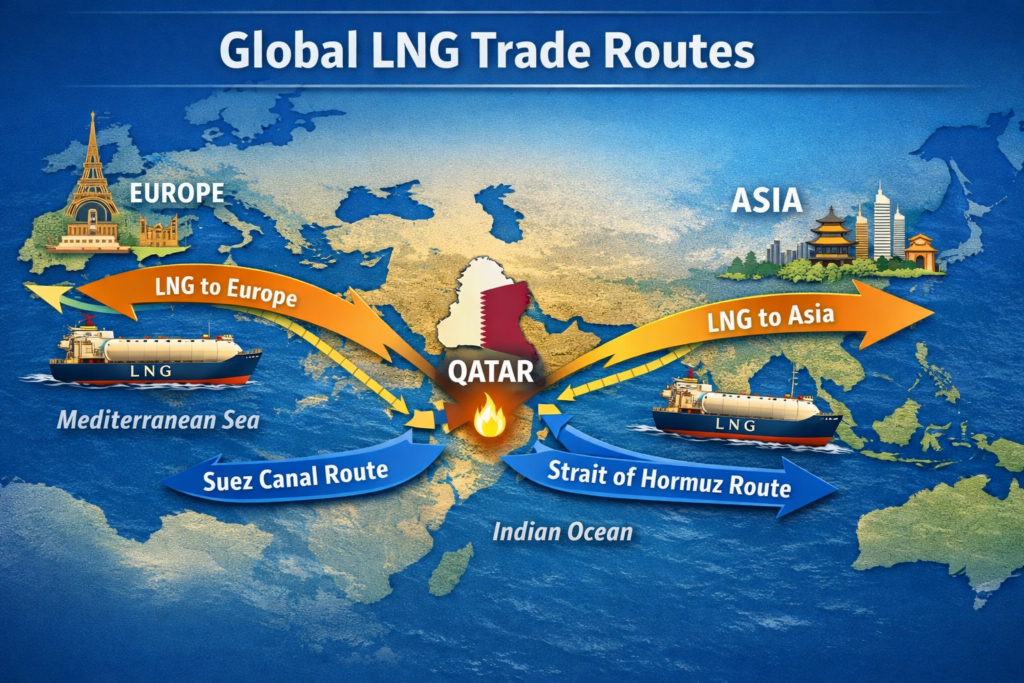
Qatar remains one of the world’s leading LNG exporters, supplying energy to numerous countries.
Potential market effects include:
- Increased LNG price volatility
- Heightened concern about supply disruptions
- Greater focus on energy security
- Increased demand for alternative suppliers
- Closer monitoring of Middle Eastern energy infrastructure
Although markets initially reacted cautiously, analysts suggest long-term effects will depend on the extent of infrastructure damage.
Human Cost of the Explosion
Beyond economic and industrial implications, the Qatar Gas Hub Explosion: 54 Injured, 18 Missing in Blast represents a profound human tragedy.
Families of injured and missing workers face uncertainty as rescue efforts continue.
Industrial accidents often leave lasting consequences, including:
- Physical injuries
- Emotional trauma
- Financial hardship
- Community disruption
- Long-term rehabilitation needs
Authorities have activated support programs to help injured workers and offer assistance to families impacted by the explosion.
Industrial Safety Lessons
The Qatar Gas Hub Explosion: 54 Injured, 18 Missing in Blast highlights the importance of industrial safety in modern energy operations.
Key lessons include:
Continuous Equipment Monitoring
Advanced sensors can help detect potential failures before they become dangerous.
Emergency Preparedness
Regular drills ensure workers know how to respond during emergencies.
Safety Culture
Organizations must prioritize safety at every operational level.
Predictive Maintenance
Using data analytics to identify equipment risks can reduce accidents.
Technology Integration
Artificial intelligence and automation may help improve industrial safety outcomes.
The incident may encourage energy companies worldwide to reassess safety practices.
Economic Consequences
The economic impact of the Qatar Gas Hub Explosion: 54 Injured, 18 Missing in Blast could extend across multiple sectors.
Repair Costs
Damaged facilities may require significant investment to restore operations.
Insurance Claims
Large-scale industrial accidents often result in substantial insurance payouts.
Export Considerations
Any reduction in LNG exports could affect revenues.
Investor Attention
Markets closely monitor safety incidents involving major energy infrastructure.
Global Supply Chains
Energy-dependent industries may face uncertainty if disruptions persist.
Economic analysts will continue evaluating the long-term consequences as more information becomes available.
Qatar’s Strategic Role in LNG Supply
Understanding the significance of the Qatar Gas Hub Explosion: 54 Injured, 18 Missing in Blast requires recognizing Qatar’s role in the global LNG market.
Qatar possesses some of the world’s largest natural gas reserves and has invested heavily in LNG production infrastructure.
The country supplies LNG to:
- China
- India
- Japan
- South Korea
- European nations
- Southeast Asian markets
Because of this strategic position, developments at Ras Laffan are closely watched by governments and energy companies worldwide.
Investigation and Accountability
Authorities have pledged a thorough investigation into the Qatar Gas Hub Explosion: 54 Injured, 18 Missing in Blast.
The investigation is expected to focus on:
- Facility operations
- Equipment performance
- Maintenance records
- Safety compliance
- Emergency response effectiveness
Findings could influence future regulations and operational standards throughout the energy industry.
Transparency will be critical to maintaining confidence among investors, customers, and international partners.
Future Outlook
As rescue efforts continue, attention is turning toward recovery and prevention.
Experts expect several developments following the Qatar Gas Hub Explosion: 54 Injured, 18 Missing in Blast:
- Enhanced safety inspections
- Updated emergency procedures
- Greater investment in monitoring technology
- Infrastructure modernization initiatives
- Expanded worker safety training programs
The incident may ultimately serve as a catalyst for stronger safety standards across the global energy sector.
Conclusion
The Qatar Gas Hub Explosion: 54 Injured, 18 Missing in Blast is one of the most significant industrial incidents to affect Qatar’s energy infrastructure in recent years. While emergency teams work tirelessly to locate missing workers and support those injured, the event has sparked wider discussions about industrial safety, energy security, and infrastructure resilience.
As investigations continue, the global energy community will closely watch the findings and their implications. The tragedy underscores the importance of maintaining rigorous safety standards in facilities that power economies and support millions of people worldwide.
The coming weeks will provide greater clarity regarding the cause, the extent of the damage, and the long-term impact of the Qatar Gas Hub Explosion: 54 Injured, 18 Missing in Blast on both Qatar and the global energy market.
Frequently Asked Questions (FAQs)
What is the Qatar Gas Hub Explosion?
The Qatar Gas Hub Explosion refers to a major blast at the Ras Laffan gas processing complex that injured 54 people and left 18 individuals missing.
Where did the explosion occur?
The explosion occurred at the Barzan gas facility within Ras Laffan Industrial City, Qatar’s primary LNG production and export hub.
How many people were injured?
Authorities reported that at least 54 individuals sustained injuries during the incident.
How many people are missing?
Rescue teams continue searching for 18 people reported missing following the explosion.
Could the explosion affect global LNG supplies?
Potentially. The extent of any impact will depend on infrastructure damage and operational disruptions at affected facilities.
Why is Ras Laffan important?
Ras Laffan is one of the world’s largest LNG production and export centers and plays a crucial role in global energy markets.
What caused the explosion?
The exact cause remains under investigation, with authorities examining equipment failure, gas leaks, operational issues, and technical malfunctions.
I have tried so many platforms before and this one finally feels legit. The app loads quickly even on slower connections and the daily reloads keep my bankroll steady. It is rare to find a site that treats regular players this well. idkipaswin
Thanks for your comments