
Introduction
Jewar’s Solar Revolution: 20,000 MW Clean Energy
India is witnessing an unprecedented transformation in renewable energy, and one of the most ambitious initiatives is Jewar’s Solar Revolution: 7 Powerful Steps to 20,000 MW Clean Energy. Centered around the rapidly developing Jewar region in Uttar Pradesh, this clean energy mission aims to establish one of India’s largest solar-powered industrial and infrastructure ecosystems.
With the upcoming Noida International Airport, expanding industrial corridors, logistics parks, and smart city developments, Jewar is positioned to become a model for sustainable growth. The government’s vision of generating 20,000 MW of solar power is not just about producing electricity—it is about creating a self-sustaining green economy that attracts investment, generates employment, and supports India’s long-term energy security.
Jewar’s Solar Revolution: 7 Powerful Steps to 20,000 MW Clean Energy aligns with India’s ambitious renewable energy targets and Net Zero commitments. By integrating solar power into transportation, manufacturing, aviation, and urban development, the project has the potential to redefine how large infrastructure projects are powered.
This article explores the seven key steps driving Jewar’s Solar Revolution: 7 Powerful Steps to 20,000 MW Clean Energy, the benefits it offers, and why experts consider it a landmark initiative for India’s renewable energy future.
What is Jewar’s Solar Revolution?
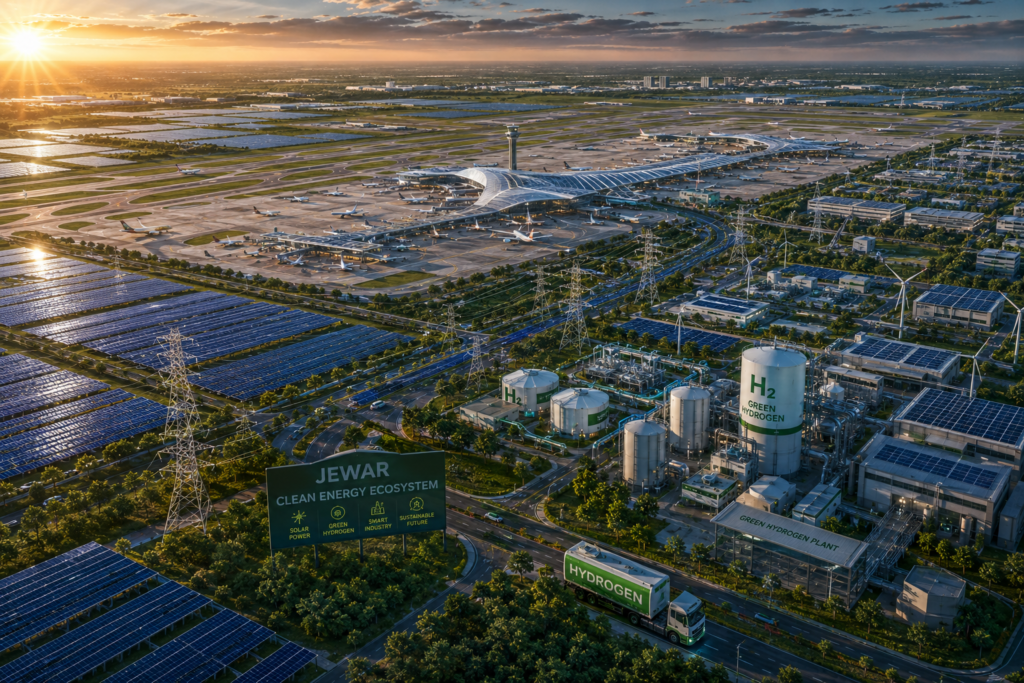
Jewar’s Solar Revolution: 7 Powerful Steps to 20,000 MW Clean Energy is a large-scale renewable energy initiative designed to transform the Jewar region into one of India’s premier solar energy hubs. The project focuses on harnessing abundant solar resources to power the upcoming Noida International Airport, industrial zones, logistics parks, residential developments, and future green hydrogen projects.
The initiative goes beyond simply installing solar panels. It aims to create an integrated clean energy ecosystem featuring modern transmission infrastructure, battery storage systems, smart grids, and energy-efficient industrial clusters.
As energy demand rises due to rapid urbanization and industrialization, Jewar’s Solar Revolution: 7 Powerful Steps to 20,000 MW Clean Energy seeks to ensure that growth is powered by sustainable and affordable electricity rather than fossil fuels.
Why Jewar is Emerging as India’s Clean Energy Hub
Several strategic advantages make Jewar an ideal location for one of India’s largest solar energy projects.
Strategic Location
Jewar is situated near the National Capital Region (NCR), providing easy access to one of India’s largest electricity markets.
World-Class Airport
The Noida International Airport will require substantial electricity for terminals, cargo operations, lighting, cooling systems, and future electric mobility infrastructure. Solar energy can meet a significant portion of this demand.
Industrial Growth
Industrial parks, manufacturing zones, warehousing complexes, and logistics centers planned around Jewar will require reliable, low-cost electricity, making solar power an attractive solution.
Government Support
State and central governments are actively promoting renewable energy through policy incentives, infrastructure development, and investments, accelerating Jewar’s Solar Revolution: 7 Powerful Steps to 20,000 MW Clean Energy.
Vision Behind the 20,000 MW Solar Mission
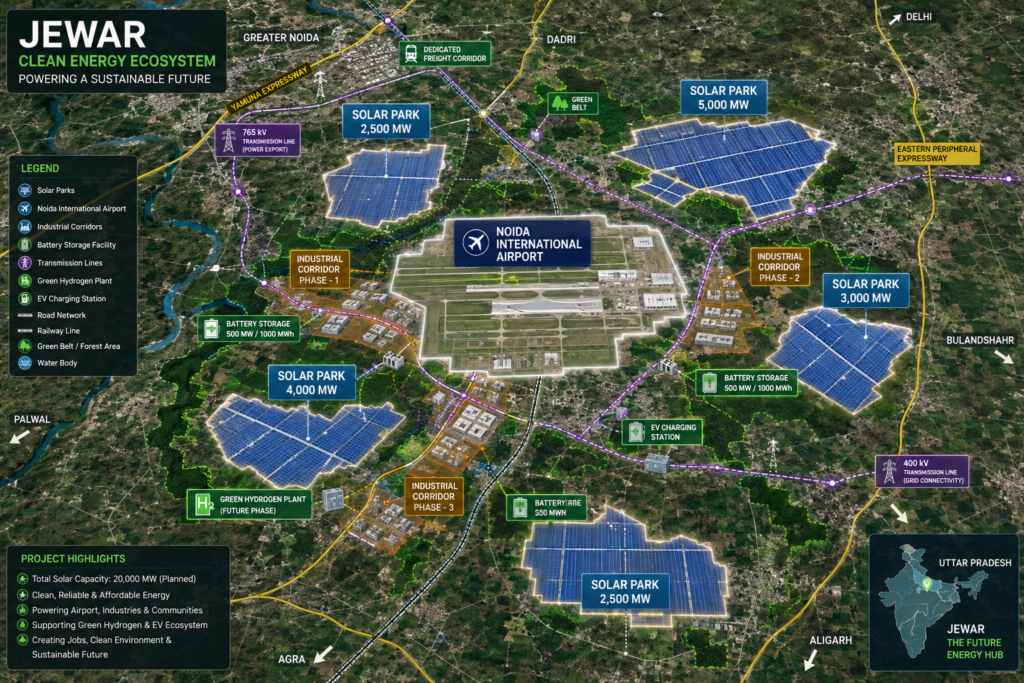
The vision of Jewar’s Solar Revolution: 7 Powerful Steps to 20,000 MW Clean Energy extends beyond electricity generation. It seeks to build a comprehensive renewable energy ecosystem capable of supporting economic growth while reducing environmental impact.
Key Objectives
- Generate up to 20,000 MW of clean solar power
- Supply renewable electricity to airports and industries
- Support electric vehicle charging infrastructure
- Encourage green hydrogen production
- Reduce dependence on fossil fuels
- Attract domestic and foreign investment
- Create thousands of skilled jobs
- Lower carbon emissions across the region
By integrating renewable energy with infrastructure development, Jewar has the potential to become a blueprint for future smart cities in India.
Step 1: Developing Massive Solar Parks
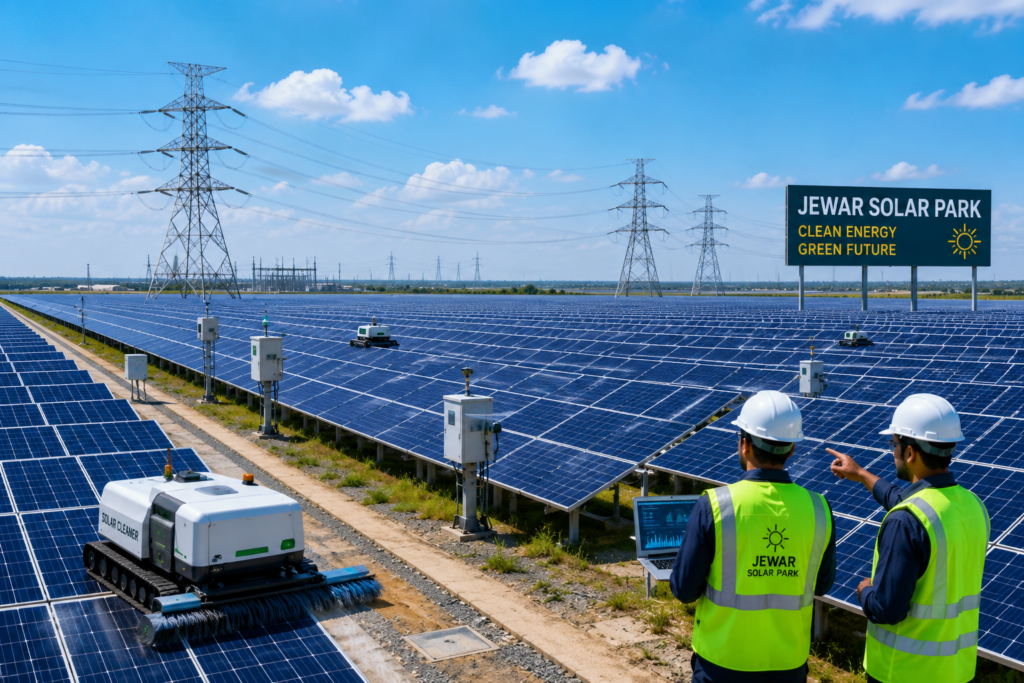
The first pillar of Jewar’s Solar Revolution: 7 Powerful Steps to 20,000 MW Clean Energy is the establishment of large-scale solar parks across suitable land parcels in and around the region.
These solar parks will feature advanced photovoltaic panels capable of generating thousands of megawatts of electricity while utilizing modern technologies such as robotic panel cleaning, AI-powered monitoring systems, and weather forecasting tools to maximize efficiency.
Benefits of Large Solar Parks
- Lower electricity generation costs
- Minimal greenhouse gas emissions
- Reduced dependence on imported fuels
- Long operational lifespan
- Scalable capacity for future expansion
The development of these solar parks will also stimulate local economies by creating employment opportunities in construction, maintenance, engineering, and operations.
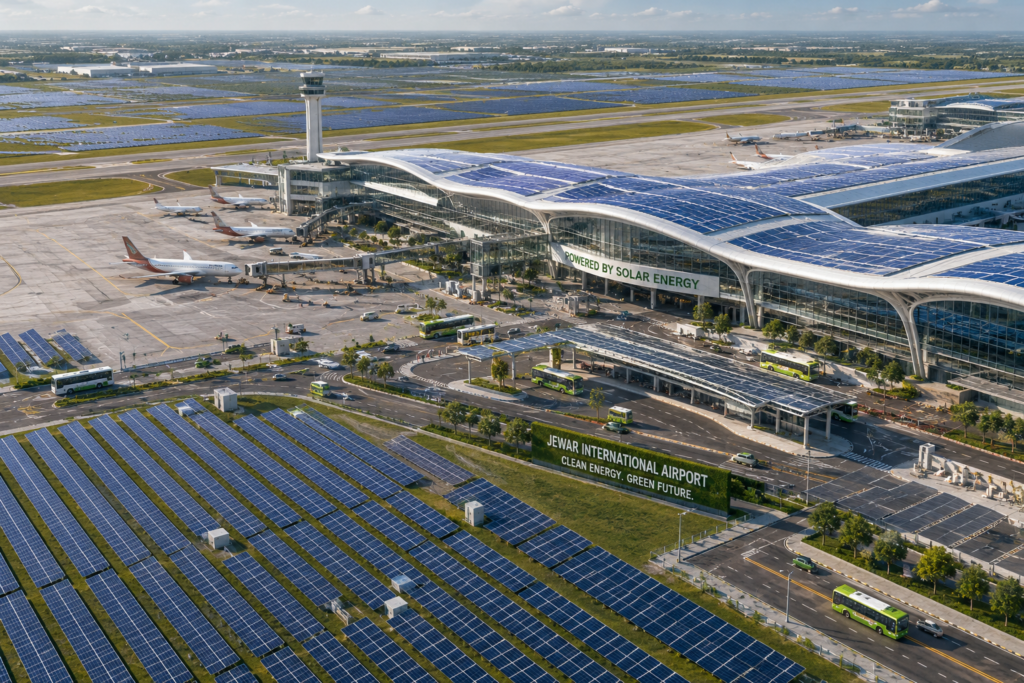
Step 2: Integrating Solar Power with Jewar International Airport
The upcoming Noida International Airport represents one of India’s most significant infrastructure projects. Integrating solar power into airport operations is a cornerstone of Jewar’s Solar Revolution: 7 Powerful Steps to 20,000 MW Clean Energy.
Solar installations can supply electricity for:
- Passenger terminals
- Runway lighting
- Air traffic support systems
- Administrative buildings
- Cargo facilities
- Electric ground vehicles
- EV charging stations
This approach reduces operational costs while helping the airport meet international sustainability standards.
As passenger traffic grows over the coming decades, renewable energy integration will ensure that airport expansion remains environmentally responsible.
Key Takeaways from Part 1
- Jewar is emerging as one of India’s most promising renewable energy hubs.
- The project targets an ambitious 20,000 MW of solar generation.
- Strategic integration with Noida International Airport strengthens the region’s sustainability goals.
- Large-scale solar parks form the foundation of the clean energy ecosystem.
- Government support and industrial development make the initiative economically significant.
Jewar’s Solar Revolution: 7 Powerful Steps to 20,000 MW Clean Energy (Part 2)
Step 3: Building Advanced Smart Grid Infrastructure
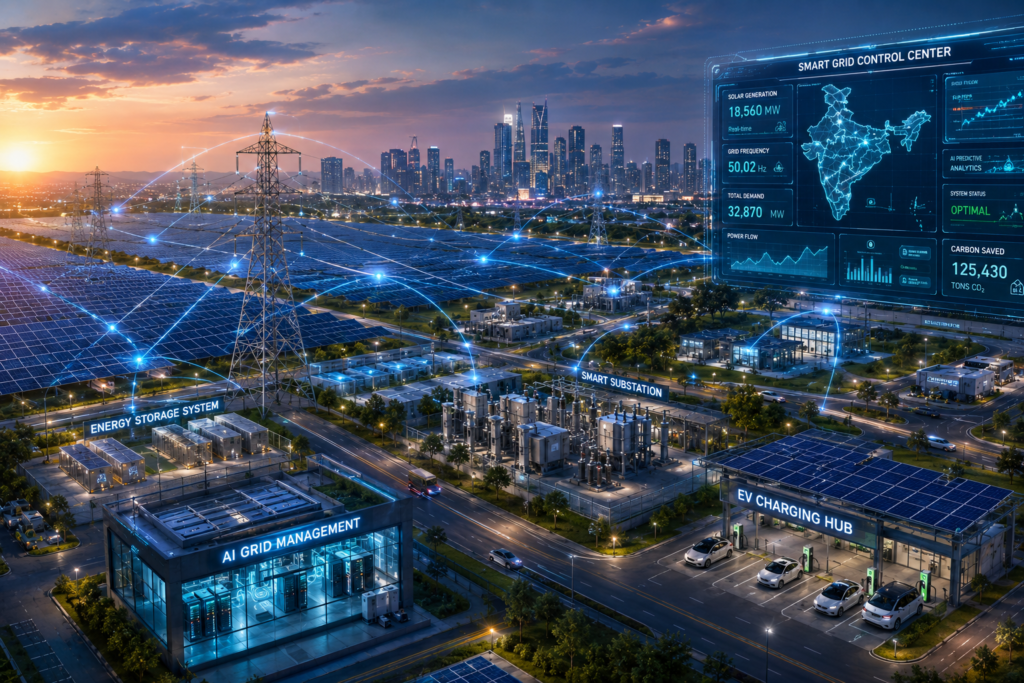
A renewable energy project of this scale requires more than solar panels. One of the most critical pillars of Jewar’s Solar Revolution: 7 Powerful Steps to 20,000 MW Clean Energy is the development of an intelligent power grid capable of managing large volumes of renewable electricity efficiently.
Unlike conventional power systems, smart grids use digital technologies, artificial intelligence (AI), Internet of Things (IoT) sensors, and automated control systems to balance electricity generation and consumption in real time.
Why Smart Grids Matter
As solar energy production changes throughout the day due to weather conditions and sunlight availability, smart grids ensure that electricity continues flowing reliably to consumers.
Key advantages include:
- Real-time electricity monitoring
- Automated fault detection
- Reduced transmission losses
- Improved power reliability
- Faster outage restoration
- Efficient integration of renewable energy
The proposed smart grid infrastructure around Jewar will connect solar parks, industrial areas, residential developments, battery storage systems, and the Noida International Airport into one integrated clean energy network.
Digital Energy Management
Future smart grids may also support:
- AI-based demand forecasting
- Dynamic electricity pricing
- Smart meters
- Remote monitoring
- Predictive maintenance
- Distributed energy management
These technologies will make Jewar’s Solar Revolution: 7 Powerful Steps to 20,000 MW Clean Energy one of India’s most technologically advanced renewable energy ecosystems.
Step 4: Large-Scale Battery Energy Storage Systems
One of the biggest challenges facing solar energy is intermittency. Solar panels generate electricity only when sunlight is available.
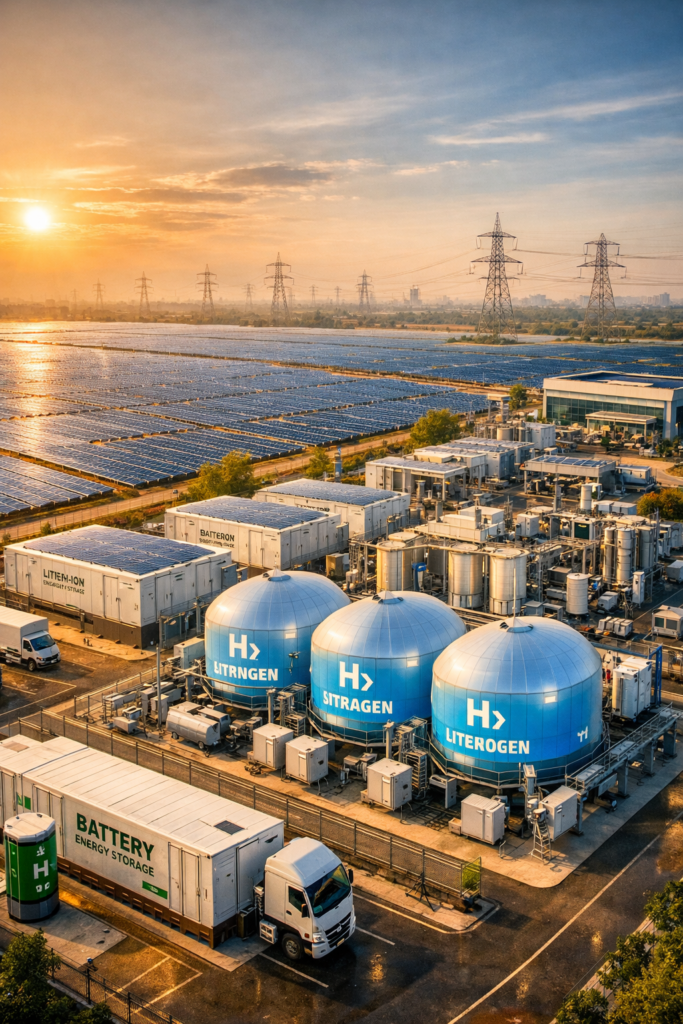
To overcome this challenge, Jewar’s Solar Revolution: 7 Powerful Steps to 20,000 MW Clean Energy emphasizes large-scale battery energy storage systems (BESS).
Battery storage enables excess electricity generated during sunny hours to be stored and supplied during:
- Nighttime
- Cloudy weather
- Peak electricity demand
- Emergency situations
Benefits of Battery Storage
Battery energy storage will provide several advantages:
- Improved grid stability
- Better utilization of renewable power
- Reduced dependence on fossil fuel backup plants
- Reliable electricity supply for industries
- Enhanced energy security
Modern lithium-ion and next-generation battery technologies are expected to play an important role in supporting the region’s renewable energy ambitions.
Supporting Critical Infrastructure
Battery storage will be particularly valuable for:
- Airports
- Hospitals
- Data centers
- Manufacturing plants
- Metro systems
- Logistics hubs
Reliable electricity is essential for these facilities, making storage systems a vital component of Jewar’s Solar Revolution: 7 Powerful Steps to 20,000 MW Clean Energy.
Step 5: Supporting Green Hydrogen Production
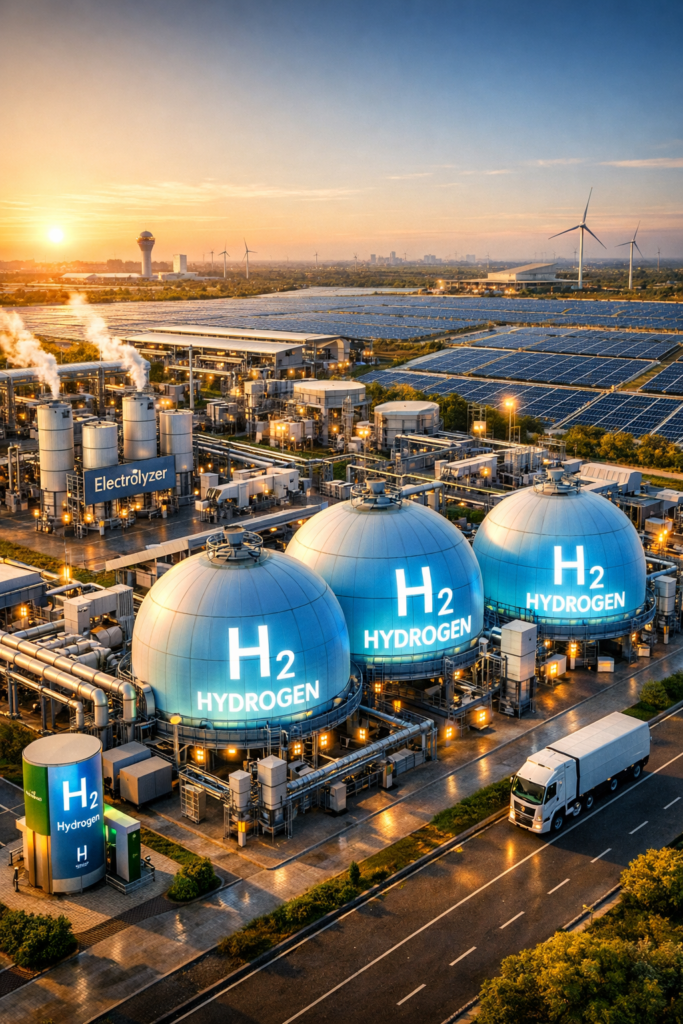
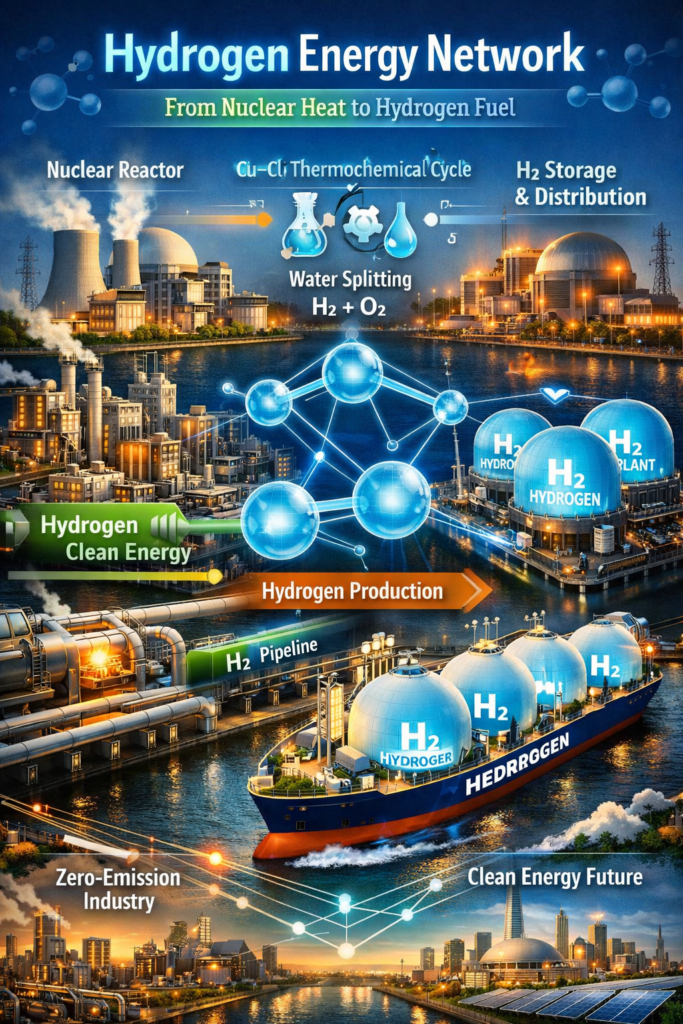
One of the most exciting opportunities created by Jewar’s Solar Revolution: 7 Powerful Steps to 20,000 MW Clean Energy is the production of green hydrogen.
Green hydrogen is produced by splitting water into hydrogen and oxygen using electricity generated from renewable sources.
Unlike conventional hydrogen production from natural gas or coal, green hydrogen produces virtually no carbon emissions during production.
Why Green Hydrogen Matters
Green hydrogen is expected to become one of the world’s most important clean fuels.
Potential applications include:
- Steel manufacturing
- Fertilizer production
- Petroleum refining
- Chemical industries
- Long-distance transportation
- Shipping
- Aviation fuel production
- Energy storage
The abundant solar electricity generated in Jewar could power electrolyzers that produce green hydrogen on a commercial scale.
Creating a Hydrogen Economy
The integration of solar power with hydrogen production can transform Jewar into a comprehensive clean energy hub.
Future developments may include:
- Hydrogen storage facilities
- Hydrogen refueling stations
- Green ammonia production
- Industrial hydrogen pipelines
- Export infrastructure
This positions Jewar’s Solar Revolution: 7 Powerful Steps to 20,000 MW Clean Energy as an important contributor to India’s National Green Hydrogen Mission.
Economic Benefits of Jewar’s Solar Revolution
Beyond environmental advantages, Jewar’s Solar Revolution: 7 Powerful Steps to 20,000 MW Clean Energy is expected to generate substantial economic benefits.
1. Employment Generation
Large renewable energy projects create jobs across multiple sectors.
Employment opportunities include:
- Civil engineering
- Electrical engineering
- Solar panel installation
- Operations and maintenance
- Research and development
- Manufacturing
- Logistics
- Environmental consulting
Thousands of direct and indirect jobs are likely to be created during construction and long-term operations.
2. Industrial Investment
Reliable, low-cost renewable electricity attracts industries seeking sustainable operations.
Potential beneficiaries include:
- Electronics manufacturing
- Semiconductor industries
- Automobile manufacturing
- Warehousing
- Food processing
- Pharmaceuticals
- Data centers
Access to clean energy enhances the competitiveness of businesses operating in the Jewar region.
3. Lower Electricity Costs
Solar power has become one of the most affordable sources of electricity globally.
Large-scale deployment can help reduce long-term electricity costs for industries and commercial establishments, improving profitability and encouraging investment.
4. Increased Energy Security
Generating electricity locally reduces dependence on imported fossil fuels and protects the economy from fluctuations in global fuel prices.
By expanding renewable capacity, Jewar’s Solar Revolution: 7 Powerful Steps to 20,000 MW Clean Energy strengthens India’s long-term energy resilience.
Environmental Advantages
The environmental benefits of this initiative extend well beyond clean electricity generation.
Reduced Carbon Emissions
Replacing coal-based power with solar energy significantly lowers greenhouse gas emissions.
Improved Air Quality
Cleaner electricity means fewer emissions of particulate matter, sulfur dioxide, and nitrogen oxides, contributing to healthier communities.
Sustainable Urban Development
Renewable energy integration supports environmentally responsible growth around the airport, industrial zones, and residential areas.
Climate Change Mitigation
Large-scale renewable projects like this contribute to India’s commitments under international climate agreements.
Challenges Ahead
Although the vision is ambitious, successful implementation will require addressing several challenges.
Land Acquisition
Developing extensive solar parks requires careful planning to balance infrastructure needs with environmental and community considerations.
Grid Modernization
Transmission networks must be expanded and upgraded to handle large-scale renewable electricity.
Energy Storage Costs
Battery technologies continue to improve, but costs remain a significant factor in large-scale deployment.
Financing
Projects of this magnitude require sustained public and private investment over many years.
Skilled Workforce
Expanding renewable infrastructure will require engineers, technicians, and specialists trained in advanced clean energy technologies.
Key Takeaways from Part 2
- Smart grids will improve electricity reliability and renewable integration.
- Battery energy storage is essential for round-the-clock clean power.
- Green hydrogen production could transform Jewar into a major clean energy hub.
- The initiative promises significant economic growth, investment, and job creation.
- Environmental benefits include lower emissions, cleaner air, and stronger energy security.
Jewar’s Solar Revolution: 7 Powerful Steps to 20,000 MW Clean Energy (Part 3)
Step 6: Powering Industrial Corridors with Clean Energy
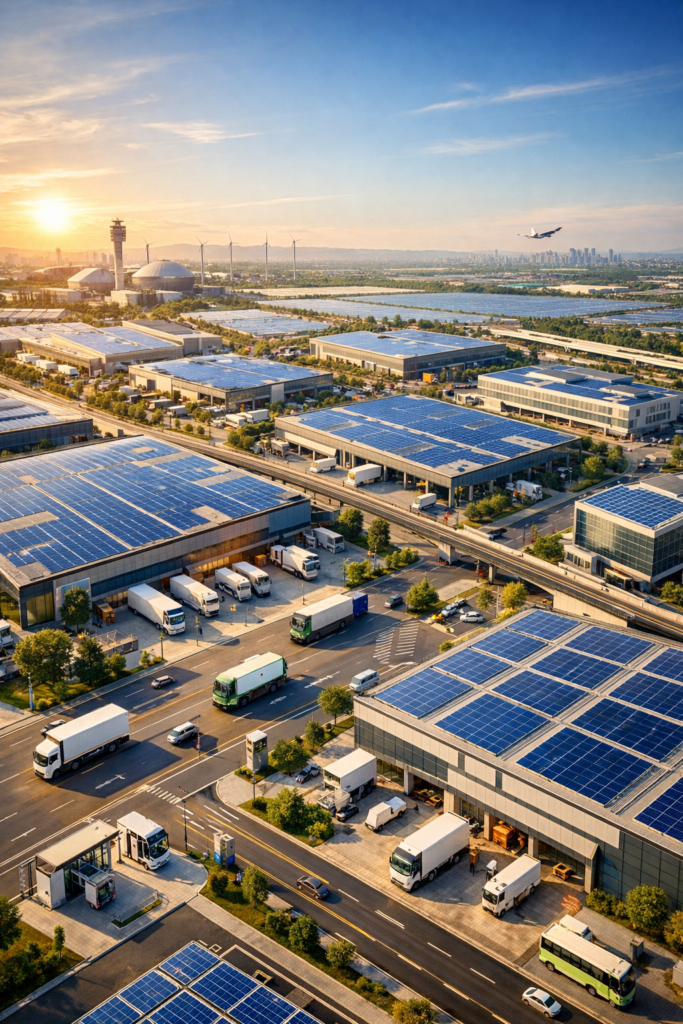
A defining feature of Jewar’s Solar Revolution: 7 Powerful Steps to 20,000 MW Clean Energy is its integration with the rapidly expanding industrial corridors surrounding the Noida International Airport. The region is expected to become one of North India’s largest manufacturing and logistics hubs, creating enormous demand for reliable electricity.
Instead of relying heavily on coal-based power, the solar mission aims to supply industries with affordable, low-carbon electricity.
Industries Expected to Benefit
Several sectors are likely to benefit directly from Jewar’s Solar Revolution: 7 Powerful Steps to 20,000 MW Clean Energy, including:
- Electronics manufacturing
- Semiconductor fabrication
- Automobile and EV production
- Warehousing and logistics
- Textile industries
- Food processing
- Pharmaceuticals
- Data centers
- Aerospace and aviation services
Access to clean energy can help companies reduce operating costs while meeting Environmental, Social, and Governance (ESG) commitments, making the Jewar region more attractive to global investors.
Strengthening India’s Manufacturing Vision
By supplying renewable electricity to industrial clusters, Jewar’s Solar Revolution: 7 Powerful Steps to 20,000 MW Clean Energy supports national initiatives such as Make in India and the drive to position India as a global manufacturing destination.
Step 7: Accelerating India’s Net Zero and Energy Security Goals
The seventh and final pillar of Jewar’s Solar Revolution: 7 Powerful Steps to 20,000 MW Clean Energy is its contribution to India’s long-term climate and energy security objectives.
India has committed to expanding renewable energy capacity and reducing the carbon intensity of its economy. Large-scale solar projects such as the Jewar initiative play a crucial role in achieving these ambitions.
Supporting Net Zero
Generating 20,000 MW of clean electricity could significantly reduce dependence on fossil fuel-based power generation, lowering greenhouse gas emissions over the long term.
Reducing Energy Imports
Greater domestic renewable energy production helps decrease reliance on imported coal, oil, and natural gas, improving energy independence and protecting the economy from global fuel price volatility.
Building a Sustainable Future
The combination of solar power, smart grids, battery storage, electric mobility, and green hydrogen creates a resilient energy ecosystem capable of supporting India’s future economic growth.
Long-Term Impact on Uttar Pradesh
If implemented successfully, Jewar’s Solar Revolution: 7 Powerful Steps to 20,000 MW Clean Energy could transform Uttar Pradesh into one of India’s leading renewable energy states.
Economic Growth
The project is expected to attract billions of rupees in investments across renewable energy, manufacturing, logistics, and infrastructure.
Employment
Thousands of direct and indirect jobs could be created in engineering, construction, maintenance, manufacturing, research, and clean-energy services.
Urban Development
The availability of reliable renewable electricity will support the development of smart cities, commercial districts, educational institutions, and healthcare infrastructure around Jewar.
Technology Leadership
By integrating cutting-edge technologies such as AI-enabled smart grids, battery storage, and green hydrogen production, the region can emerge as a center for renewable energy innovation.
Comparison: Jewar’s Solar Mission vs Conventional Power Projects
| Feature | Jewar’s Solar Mission | Conventional Coal Plant |
|---|---|---|
| Primary Energy Source | Solar Energy | Coal |
| Carbon Emissions | Very Low | High |
| Fuel Requirement | Sunlight | Imported/Domestic Coal |
| Air Pollution | Minimal | Significant |
| Water Consumption | Low | High |
| Long-Term Operating Cost | Lower | Higher |
| Supports Green Hydrogen | Yes | No |
| Renewable | Yes | No |
This comparison highlights why Jewar’s Solar Revolution: 7 Powerful Steps to 20,000 MW Clean Energy is viewed as a strategic investment in India’s sustainable future.
Challenges That Must Be Addressed
While the project offers immense promise, several issues will require careful planning:
1. Land Availability
Large-scale solar parks require significant land resources. Sustainable land-use planning will be essential to minimize environmental and social impacts.
2. Transmission Infrastructure
New high-capacity transmission lines and substations will be needed to distribute power efficiently across the region.
3. Financing
Achieving a 20,000 MW target will require substantial public and private investment over multiple phases.
4. Technology Integration
Coordinating solar generation, battery storage, smart grids, and green hydrogen facilities demands advanced engineering and digital management systems.
5. Skilled Workforce
Developing and operating such a large renewable ecosystem will require continuous investment in technical education and workforce training.
Why Jewar’s Solar Revolution Matters
The significance of Jewar’s Solar Revolution: 7 Powerful Steps to 20,000 MW Clean Energy extends beyond Uttar Pradesh.
It represents a model for how India can combine infrastructure development with sustainability. Instead of treating renewable energy as a separate sector, the project integrates it into airports, industries, transportation, and future urban expansion.
If successful, the initiative could inspire similar renewable energy ecosystems in other states, accelerating India’s clean-energy transition and strengthening its position as a global renewable energy leader.
Conclusion
Jewar’s Solar Revolution: 7 Powerful Steps to 20,000 MW Clean Energy is more than a large solar project—it is a vision for sustainable economic development. By combining utility-scale solar parks, smart grids, battery storage, green hydrogen production, industrial integration, and clean transportation, the initiative has the potential to reshape the energy landscape of Uttar Pradesh and India.
The project’s expected benefits include cleaner air, lower carbon emissions, stronger energy security, increased industrial investment, and thousands of new jobs. As India continues its transition toward a low-carbon economy, Jewar’s Solar Revolution: 7 Powerful Steps to 20,000 MW Clean Energy could become one of the country’s most influential renewable energy milestones.
Frequently Asked Questions (FAQs)
1. What is Jewar’s Solar Revolution?
It is a proposed large-scale renewable energy initiative designed to develop up to 20,000 MW of solar power around the Jewar region, supporting airports, industries, logistics parks, and future smart-city infrastructure.
2. Why is the 20,000 MW target significant?
A capacity of 20,000 MW would make the project one of India’s largest renewable energy developments, capable of supplying clean electricity to millions of consumers and major industrial facilities.
3. How will the project benefit Noida International Airport?
Solar power can provide clean electricity for airport terminals, runway lighting, cargo operations, administrative buildings, and electric ground-support vehicles, reducing operational costs and carbon emissions.
4. Will the project support green hydrogen production?
Yes. The availability of abundant renewable electricity could power electrolyzers to produce green hydrogen for industries, transportation, and future clean-fuel exports.
5. How does the project support India’s climate goals?
By replacing fossil fuel-based electricity with renewable solar energy, the project can reduce greenhouse gas emissions, improve energy security, and contribute to India’s long-term renewable energy and Net Zero objectives.