
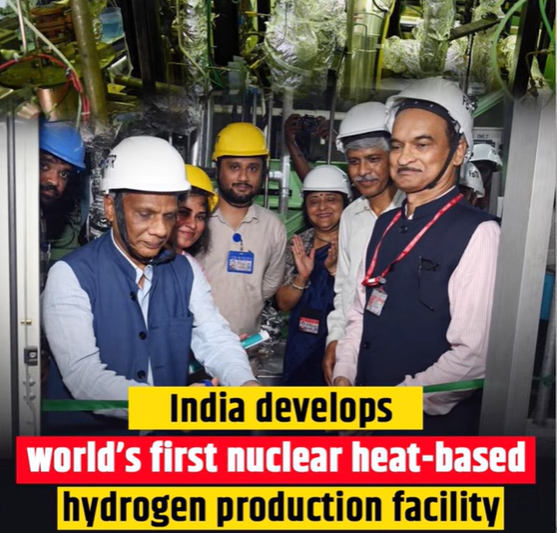
India’s Nuclear Heat Hydrogen Breakthrough: 5 Reasons It’s Game-Changing
India is rapidly emerging as one of the world’s most ambitious clean energy nations. From becoming a global leader in solar power to expanding nuclear energy capacity, the country is investing heavily in technologies that reduce carbon emissions while supporting economic growth. Among the most exciting developments is India’s Nuclear Heat Hydrogen Breakthrough, a technology that has the potential to redefine green hydrogen production.
Hydrogen has long been viewed as the fuel of the future. However, producing hydrogen sustainably and economically remains one of the biggest challenges worldwide. Traditional electrolysis requires enormous quantities of electricity, while hydrogen produced from fossil fuels generates significant carbon emissions.
India’s scientists are now working on an innovative solution that combines advanced nuclear reactor technology with high-temperature heat to produce hydrogen more efficiently than ever before.
This breakthrough is not merely another scientific achievement. It could become a cornerstone of India’s clean energy mission, strengthening energy security, reducing imports of fossil fuels, supporting industrial decarbonization, and positioning India as a global hydrogen exporter.
In this comprehensive guide, we’ll explore everything you need to know about India’s Nuclear Heat Hydrogen Breakthrough, including how it works, why it matters, and the five reasons experts believe it could be a game-changing innovation.
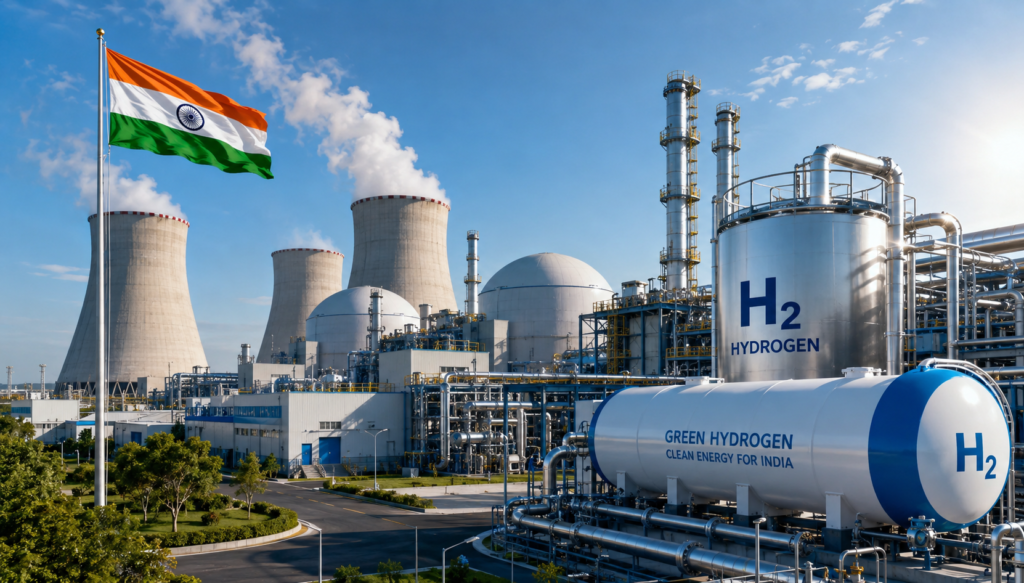
India’s Nuclear Heat Hydrogen Breakthrough: 5 Reasons It’s Game-Changing
Why India’s Nuclear Heat Hydrogen Breakthrough Matters
India’s Nuclear Heat Hydrogen Breakthrough marks a historic milestone in clean energy innovation. India’s Nuclear Heat Hydrogen Breakthrough makes the country the first in the world to successfully demonstrate hydrogen production using high-temperature nuclear heat instead of electricity, opening a new pathway for efficient, low-carbon hydrogen generation.
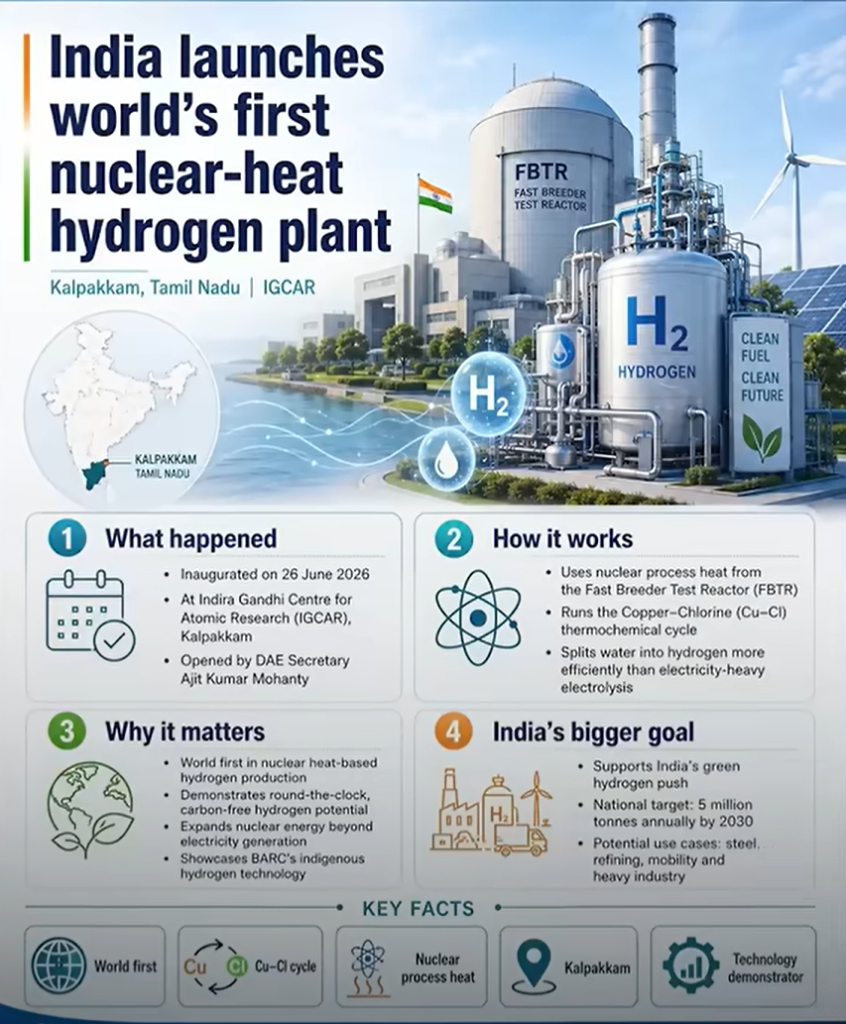
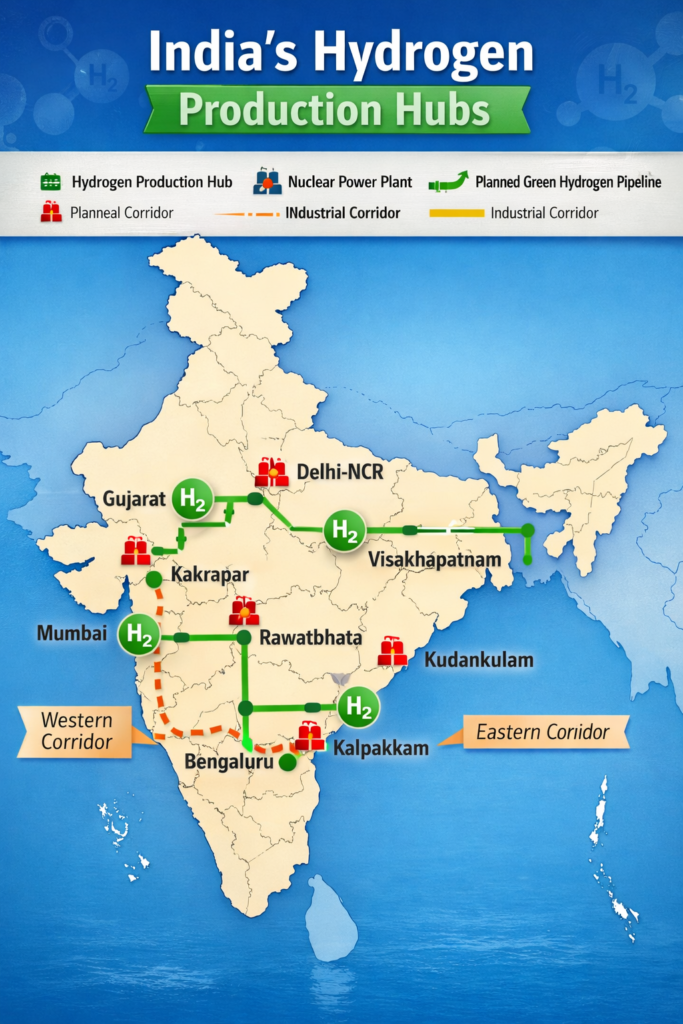
The breakthrough was achieved at the Indira Gandhi Centre for Atomic Research (IGCAR) in Kalpakkam, Tamil Nadu, through a collaborative effort between the Bhabha Atomic Research Centre (BARC) and IGCAR. The project employs the advanced Copper–Chlorine (Cu–Cl) thermochemical cycle, a next-generation process that uses reactor heat to split water more efficiently than conventional electrolysis.
A key component of India’s Nuclear Heat Hydrogen Breakthrough is the Fast Breeder Test Reactor (FBTR), which supplies the high-temperature process heat required for the Cu–Cl cycle. By utilizing nuclear heat, the technology significantly reduces electricity consumption while improving hydrogen production efficiency.
The long-term impact of India’s Nuclear Heat Hydrogen Breakthrough could be transformative. It enables large-scale hydrogen production with virtually no greenhouse gas emissions during operation, strengthens India’s energy security, supports the National Green Hydrogen Mission, and positions the country as a global leader in advanced clean-energy technologies.
How India’s Nuclear Heat Hydrogen Breakthrough Produces Hydrogen
Unlike conventional hydrogen production, which depends heavily on electricity-driven electrolysis, India’s Nuclear Heat Hydrogen Breakthrough uses high-temperature nuclear heat to produce hydrogen more efficiently. This innovative approach significantly reduces electricity consumption while improving the overall efficiency of hydrogen generation.
Copper–Chlorine (Cu–Cl) Thermochemical Cycle
At the heart of India’s Nuclear Heat Hydrogen Breakthrough is the advanced Copper–Chlorine (Cu–Cl) thermochemical cycle. The process operates at approximately 500°C, a considerably lower temperature than many other thermochemical hydrogen production methods, making it more practical for commercial applications.
Nuclear Heat Drives Water Splitting
Instead of relying primarily on electrical energy, India’s Nuclear Heat Hydrogen Breakthrough uses high-temperature heat from a nuclear reactor to power a series of chemical reactions. These reactions efficiently split water molecules into hydrogen and oxygen, creating clean hydrogen without the need for fossil fuels.
Higher Energy Efficiency
One of the biggest advantages of India’s Nuclear Heat Hydrogen Breakthrough is its superior thermodynamic efficiency. By replacing much of the electrical energy with nuclear process heat, the technology can produce hydrogen more efficiently than conventional electrolysis, reducing operating costs and improving large-scale production potential.
Carbon-Free Hydrogen Production
Another major benefit of India’s Nuclear Heat Hydrogen Breakthrough is its ability to produce hydrogen with virtually zero greenhouse gas emissions during operation. Since the process uses carbon-free nuclear heat instead of fossil fuels, it supports India’s clean energy goals while contributing to the nation’s long-term net-zero emissions strategy.
India’s Nuclear Heat Hydrogen Breakthrough: 5 Reasons It’s Game-Changing
Understanding India’s Nuclear Heat Hydrogen Breakthrough
India’s breakthrough focuses on using high-temperature heat generated by nuclear reactors to produce hydrogen through advanced thermochemical and hybrid processes.
Unlike conventional electrolysis, which depends almost entirely on electricity, nuclear heat-assisted hydrogen production utilizes both:
- High-temperature thermal energy
- Electricity generated by reactors
This combination dramatically improves efficiency while reducing the amount of electricity required.
The result is cleaner, cheaper, and more scalable hydrogen production.
This innovation fits perfectly within India’s vision of becoming a major hydrogen economy by 2047.
Why Hydrogen Matters
Hydrogen is often called the fuel of the future because it produces only water when used.
Industries expected to rely heavily on hydrogen include:
- Steel manufacturing
- Fertilizer production
- Chemical industries
- Shipping
- Aviation
- Heavy transportation
- Grid-scale energy storage
Unfortunately, over 95% of today’s hydrogen is produced from natural gas and coal.
That creates large carbon emissions.
India’s Nuclear Heat Hydrogen Breakthrough aims to eliminate this problem.
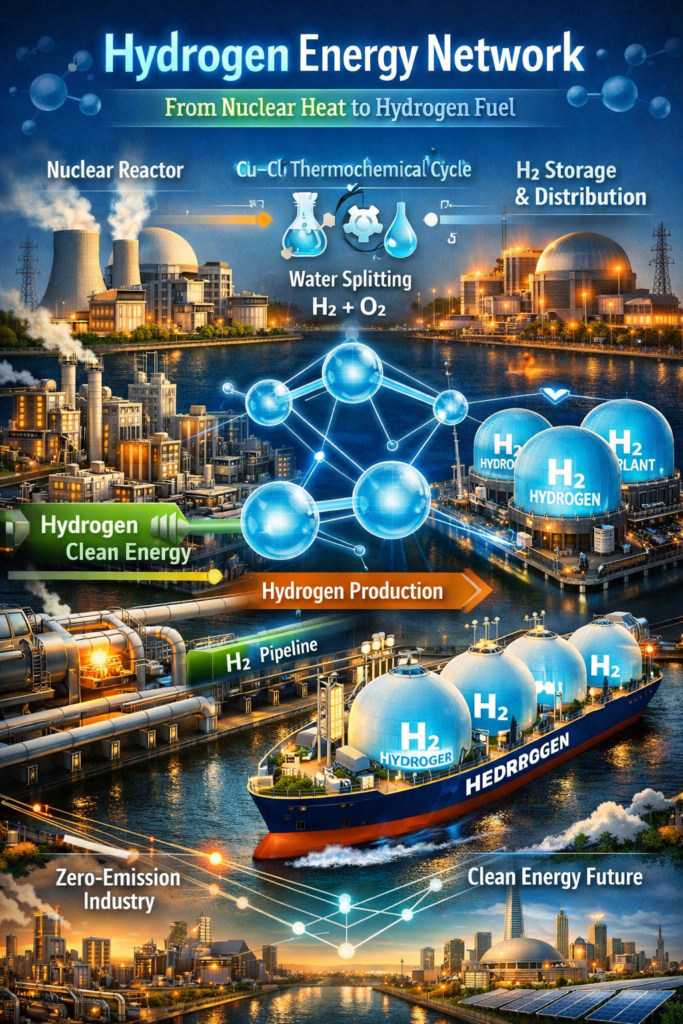
How Nuclear Heat Produces Hydrogen
Traditional electrolysis splits water using electricity.
Nuclear-assisted hydrogen production adds another ingredient:
Extremely high temperatures.
High-temperature steam requires less electrical energy to split water molecules.
Some advanced methods include:
1. High-Temperature Electrolysis
Steam is heated to temperatures above 700°C.
Electricity demand decreases significantly.
Overall efficiency improves.
2. Thermochemical Cycles
Instead of relying primarily on electricity, chemical reactions driven by reactor heat separate hydrogen from water.
Examples include:
- Sulfur-Iodine Cycle
- Copper-Chlorine Cycle
These methods promise much higher efficiency in the future.
3. Hybrid Hydrogen Systems
Future reactors may simultaneously produce:
- Electricity
- Industrial heat
- Hydrogen
This integrated approach maximizes reactor utilization.
India’s Nuclear Heat Hydrogen Breakthrough: 5 Reasons It’s Game-Changing:
5 Reasons-
1. Massive Reduction in Green Hydrogen Costs
Today’s biggest obstacle to widespread hydrogen adoption is cost.
Electricity accounts for nearly 70% of hydrogen production expenses.
Using nuclear heat reduces electricity demand significantly.
Benefits include:
- Lower production costs
- Improved efficiency
- Higher competitiveness
- Increased industrial adoption
Affordable hydrogen could revolutionize India’s manufacturing sector.
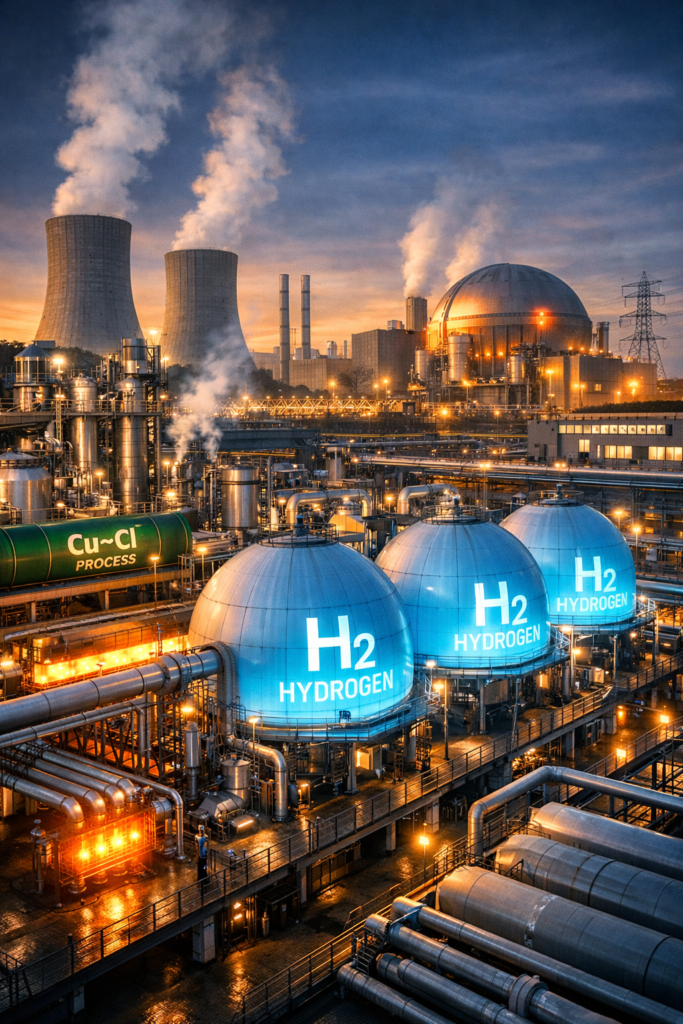
2. Reliable 24×7 Hydrogen Production
Solar and wind energy are intermittent.
Clouds, nighttime, and seasonal variations reduce output.
Nuclear reactors operate continuously.
This provides:
- Stable energy supply
- Consistent hydrogen production
- Better utilization of industrial equipment
- Lower operating costs
Continuous hydrogen generation is especially valuable for large industries operating around the clock.
3. Supports India’s Net-Zero Ambitions
India has committed to ambitious climate goals.
Heavy industries contribute significantly to greenhouse gas emissions.
Clean hydrogen can replace fossil fuels in:
- Steel plants
- Refineries
- Fertilizer manufacturing
- Cement production
Using nuclear-generated hydrogen allows these sectors to decarbonize without sacrificing productivity.
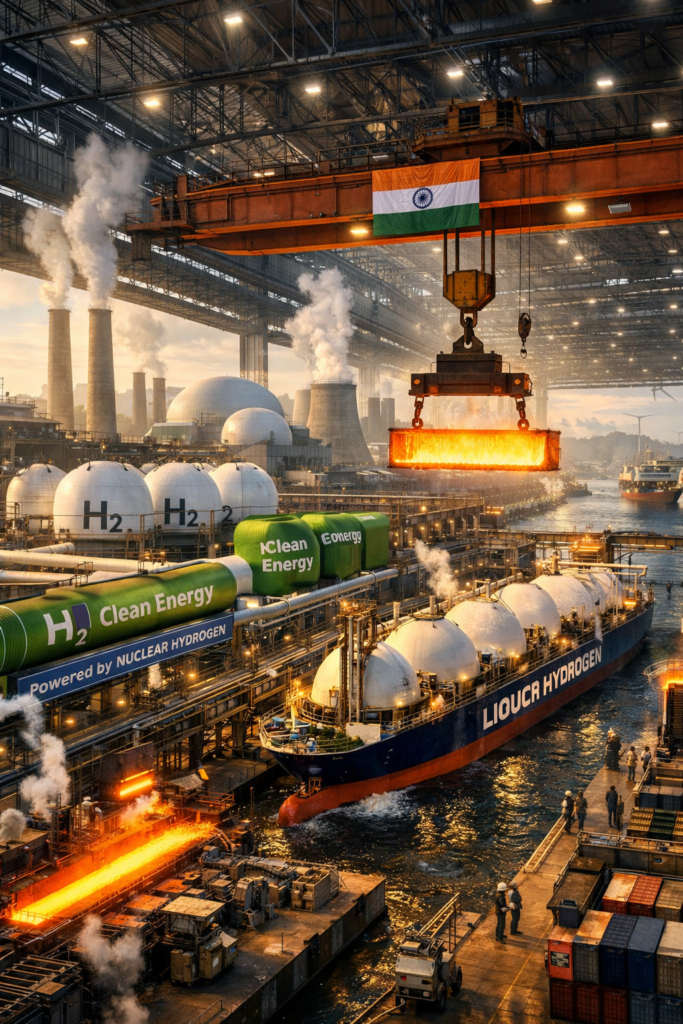
4. Strengthens India’s Energy Security
India imports large quantities of:
- Crude oil
- Natural gas
- Coal
Hydrogen produced domestically from nuclear energy reduces dependence on imported fossil fuels.
Benefits include:
- Improved energy independence
- Reduced import bills
- Greater resilience against global energy price fluctuations
- Enhanced strategic security
This strengthens India’s long-term economic stability.
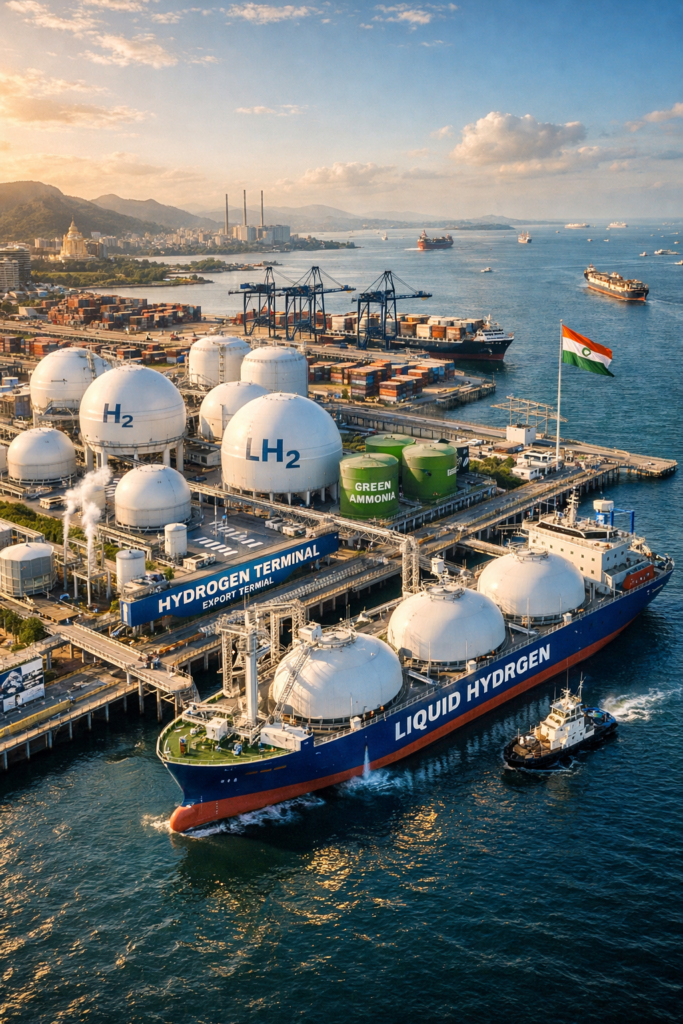
5. Positions India as a Global Hydrogen Export Leader
Many countries lack sufficient renewable or nuclear resources.
India has:
- Advanced nuclear expertise
- Expanding reactor capacity
- Strong engineering talent
- Government support for hydrogen
These advantages could enable India to become one of the world’s leading exporters of clean hydrogen and hydrogen-derived fuels such as green ammonia.
The breakthrough creates enormous opportunities for:
- International partnerships
- Technology exports
- Foreign investment
- Job creation
India’s Nuclear Heat Hydrogen Breakthrough: 5 Reasons It’s Game-Changing:
Scientific Advantages of Nuclear Heat Hydrogen Production
Several technical benefits make this approach especially promising.
Higher Efficiency
Using thermal energy reduces electricity requirements.
Overall energy conversion improves.
Lower Carbon Footprint
Nuclear reactors produce electricity without carbon emissions during operation.
Hydrogen generated using reactor heat is therefore extremely low-carbon.
Better Reactor Utilization
Future nuclear plants can produce:
- Electricity during peak demand
- Hydrogen during off-peak periods
This increases operational flexibility.
Industrial Integration
Hydrogen production facilities can be located near industrial clusters.
This minimizes transportation costs.
India’s Nuclear Heat Hydrogen Breakthrough: 5 Reasons It’s Game-Changing:
India’s Progress in Nuclear Energy
India is steadily expanding its nuclear energy capacity.
Key initiatives include:
- Pressurized Heavy Water Reactors (PHWRs)
- Fast Breeder Reactors
- Small Modular Reactor (SMR) research
- Advanced Heavy Water Reactor (AHWR)
- High-temperature reactor research
These technologies provide an ideal foundation for future hydrogen production.
India’s National Green Hydrogen Mission
The government has launched an ambitious National Green Hydrogen Mission aimed at making India a global hub for hydrogen production.
Major objectives include:
- Large-scale domestic production
- Export opportunities
- Industrial decarbonization
- Hydrogen-based mobility
- Research and innovation
India’s Nuclear Heat Hydrogen Breakthrough aligns perfectly with these goals.
Industries That Will Benefit
Several sectors stand to gain enormously.
Steel
Hydrogen replaces coal in iron reduction.
Lower emissions.
Cleaner production.
Fertilizers
Hydrogen is essential for ammonia production.
Clean hydrogen reduces agricultural carbon emissions.
Petroleum Refineries
Hydrogen is widely used for fuel processing.
Cleaner hydrogen reduces refinery emissions.
Chemicals
Many industrial chemicals require hydrogen feedstock.
Transportation
Hydrogen fuel cells can power:
- Trucks
- Buses
- Trains
- Ships
Aviation
Future synthetic aviation fuels will depend on low-carbon hydrogen.
India’s Nuclear Heat Hydrogen Breakthrough: 5 Reasons It’s Game-Changing:
Challenges Ahead
Despite the promise, several hurdles remain.
High Initial Investment
Building advanced nuclear reactors requires substantial capital.
Technology Development
High-temperature materials must withstand extreme conditions for decades.
Regulatory Framework
Safety regulations for integrated nuclear-hydrogen facilities require careful planning.
Infrastructure
Hydrogen storage and transportation networks must expand significantly.
Public Awareness
Building confidence in advanced nuclear technologies remains important.
Global Competition
Many countries are pursuing nuclear-assisted hydrogen.
Examples include:
- France
- United States
- Japan
- South Korea
- Canada
India’s expertise in cost-effective nuclear engineering provides a competitive advantage.
India’s Nuclear Heat Hydrogen Breakthrough: 5 Reasons It’s Game-Changing:
Future Outlook
Experts believe nuclear-generated hydrogen will become a major pillar of global clean energy over the next two decades.
India’s combination of:
- Nuclear expertise
- Engineering capability
- Government support
- Growing energy demand
places it in a unique position to lead this transition.
If commercial deployment succeeds, India’s Nuclear Heat Hydrogen Breakthrough could reshape the nation’s industrial landscape while helping achieve long-term climate goals.
India’s Nuclear Heat Hydrogen Breakthrough: 5 Reasons It’s Game-Changing:
Conclusion
India’s Nuclear Heat Hydrogen Breakthrough: 5 Reasons It’s Game-Changing:
India’s Nuclear Heat Hydrogen Breakthrough represents far more than a scientific milestone. It is a strategic innovation capable of transforming how the nation produces clean fuel, powers heavy industries, and secures its energy future.
By combining advanced nuclear technology with efficient hydrogen production methods, India can significantly reduce carbon emissions, lower hydrogen costs, strengthen energy independence, and establish itself as a leading exporter of clean fuels.
Although challenges remain, the direction is clear. Nuclear-assisted hydrogen production could become one of the defining technologies of India’s clean energy revolution.
As research progresses and commercial deployment expands, this breakthrough may well become one of the country’s most important technological achievements of the coming decades.
Frequently Asked Questions (FAQs)
India’s Nuclear Heat Hydrogen Breakthrough: 5 Reasons It’s Game-Changing:
What is India’s Nuclear Heat Hydrogen Breakthrough?
It is an advanced technology that uses high-temperature heat from nuclear reactors to produce hydrogen more efficiently than traditional electrolysis.
Why is nuclear heat better for hydrogen production?
High-temperature heat reduces the amount of electricity needed to split water, improving efficiency and lowering production costs.
Is nuclear-produced hydrogen environmentally friendly?
Yes. Since nuclear reactors generate electricity and heat without direct carbon emissions during operation, the resulting hydrogen has a very low carbon footprint.
Which industries will benefit most?
Steel, fertilizers, chemicals, petroleum refining, heavy transport, shipping, aviation, and energy storage are expected to benefit significantly.
Can India become a hydrogen export leader?
Yes. With expanding nuclear infrastructure, strong engineering capabilities, and supportive government policies, India has the potential to become a major exporter of clean hydrogen and green ammonia.
MY VIEW:
India’s Nuclear Heat Hydrogen Breakthrough: 5 Reasons It’s Game-Changing:
India has achieved a world-first milestone by producing hydrogen using nuclear reactor heat instead of electricity. This revolutionary step towards carbon-free fuel. This breakthrough, developed at Kalpakkam’s Indira Gandhi Center for Atomic Research (IGCAR), uses the Copper- Chlorine (Cu-Cl) thermochemical cycle, which ultimately produces continuous and efficient hydrogen generation.