
Critical Minerals: The New Strategic Resource for India is becoming an increasingly important topic in global economics, geopolitics, clean energy and advanced manufacturing. As countries compete to build electric vehicles, semiconductor industries, renewable energy systems and modern defence equipment, access to essential minerals is emerging as a major determinant of economic and technological power.
Minerals like lithium, cobalt, graphite, nickel and rare earth elements play a crucial role in modern technologies, including electric vehicles, batteries, semiconductors and renewable energy systems. However, their global supply chains are concentrated in a few countries, leaving import-dependent economies vulnerable to supply disruptions, price fluctuations and geopolitical tensions.
For India, securing critical mineral supplies is essential to reducing import dependence, strengthening domestic manufacturing, supporting the clean energy transition and advancing the vision of Atmanirbhar Bharat. The government’s National Critical Mineral Mission represents an important step towards building a resilient mineral ecosystem.
What Are Critical Minerals and Why Are They Important?
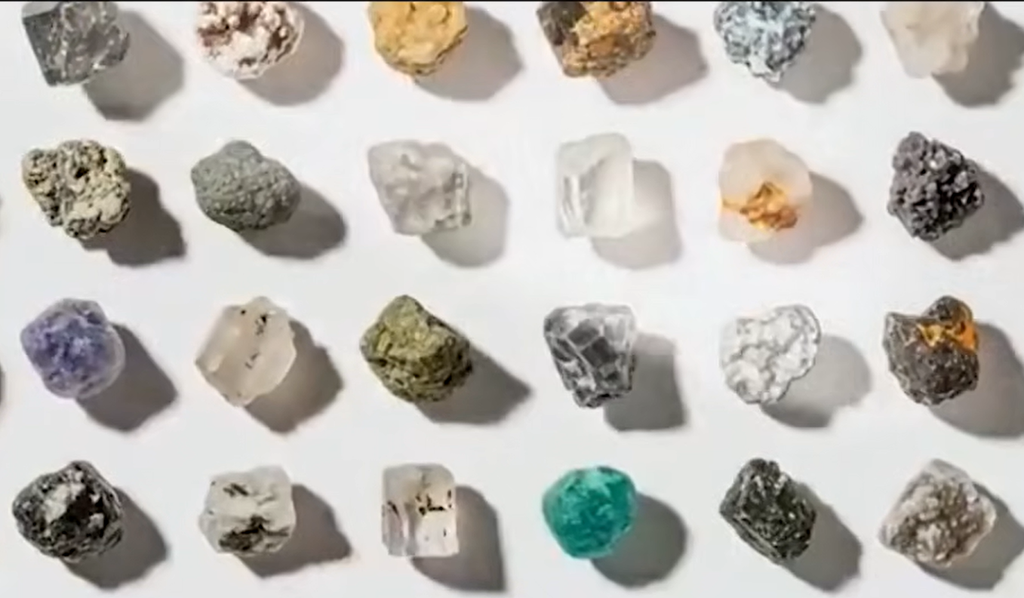
Critical minerals are raw materials that are essential to a country’s economy, industrial development or national security but face potential supply risks. Each country maintains its own list of critical minerals based on its industrial needs, available natural resources and national strategic priorities.
Unlike ordinary industrial commodities, some critical minerals have specialised applications and cannot easily be replaced without affecting product performance, manufacturing costs or technological capabilities.
The main examples include:
- Lithium: A key component in rechargeable batteries that power electric vehicles, smartphones, laptops and large-scale energy storage systems.
- Cobalt: Used in certain lithium-ion battery chemistries, superalloys and specialised industrial applications.
- Graphite: An important material for battery anodes and several industrial applications.
- Nickel: Used in stainless steel, specialised alloys and some high-energy-density batteries.
- Rare earth elements: Used in permanent magnets, electric motors, wind turbines, electronics and selected defence systems.
- Gallium and germanium: Important in certain semiconductor, optical and electronic applications.
- Tungsten: Valued for its hardness, high melting point and use in specialised industrial and defence applications.
- Copper: Essential for electricity networks, motors, renewable energy infrastructure and electrical equipment, although its criticality classification varies by jurisdiction.
These materials connect the mining industry with the most advanced areas of the global economy. A disruption in their availability can affect battery production, electronics manufacturing, power infrastructure and defence supply chains.
Critical Minerals: India’s Growing Strategic Advantage in the Global Economy
The growing importance of critical minerals reflects a fundamental shift in global economic competition. In earlier decades, energy security largely focused on access to oil, natural gas and coal. Today, countries must also secure the raw materials required to produce batteries, semiconductors, clean energy equipment and advanced industrial technologies.
This shift has made mineral supply chains an important part of international trade and national security.
China’s Influence on Critical Mineral Supply Chains
China plays a leading role in global critical mineral supply chains, especially in the processing and refining of rare earth elements and key materials used in battery manufacturing. Its industrial ecosystem includes mining, chemical processing, component manufacturing and large-scale downstream production.
This heavy reliance on a small number of suppliers makes countries more vulnerable to supply disruptions and market uncertainties.
Government export controls, international trade tensions, transportation delays and policy changes can disrupt mineral supplies and cause price fluctuations in global markets. Countries are therefore seeking to diversify their supply sources, develop domestic processing capabilities and establish long-term international partnerships.
India must respond by building a mineral ecosystem that includes exploration, extraction, refining, recycling and advanced-material manufacturing.
Why Mineral Security Matters for India’s National Interests
Mineral security is connected to several of India’s strategic priorities.
India is accelerating the growth of its electric vehicle industry and renewable energy sector. Both require reliable access to specialised materials.
Second, domestic electronics and semiconductor manufacturing depend on complex global supply chains involving numerous metals and minerals.
Third, the defence industry requires specialised materials for aerospace components, electronics, communications and other advanced systems.
Finally, mineral security can strengthen India’s position in international trade negotiations and reduce the risks associated with concentrated suppliers.
National Critical Mineral Mission: India’s Strategic Response
The Indian government approved the National Critical Mineral Mission (NCMM) on January 29, 2025, to strengthen the country’s critical mineral value chain.
The mission covers seven years, from financial year 2024–25 through 2030–31. Its planned government expenditure is ₹16,300 crore, with an expected ₹18,000 crore in investment from public-sector undertakings and other stakeholders. The combined announced outlay and expected investment amount to ₹34,300 crore.
The initiative focuses on exploring and extracting minerals, improving their quality, developing processing facilities, promoting recycling and securing mineral resources through investments abroad.
Its major priorities include:
- Expanding exploration of critical minerals within India and in offshore areas.
- Accelerating the development of commercially viable mineral resources.
- Encouraging Indian companies to acquire mineral assets abroad.
- Strengthening domestic capabilities for mineral processing and refining.
- Recovering valuable minerals from discarded batteries, electronic waste and industrial by-products.
- Encouraging research, technological innovation and the development of advanced mineral-processing methods.
- Promoting collaboration among government departments, research organisations and private industries.
The mission aims to develop every stage of the mineral supply chain, from exploration and extraction to processing, refining and recycling, rather than concentrating solely on mining raw materials.
India’s Critical Mineral Exploration and Mining Push
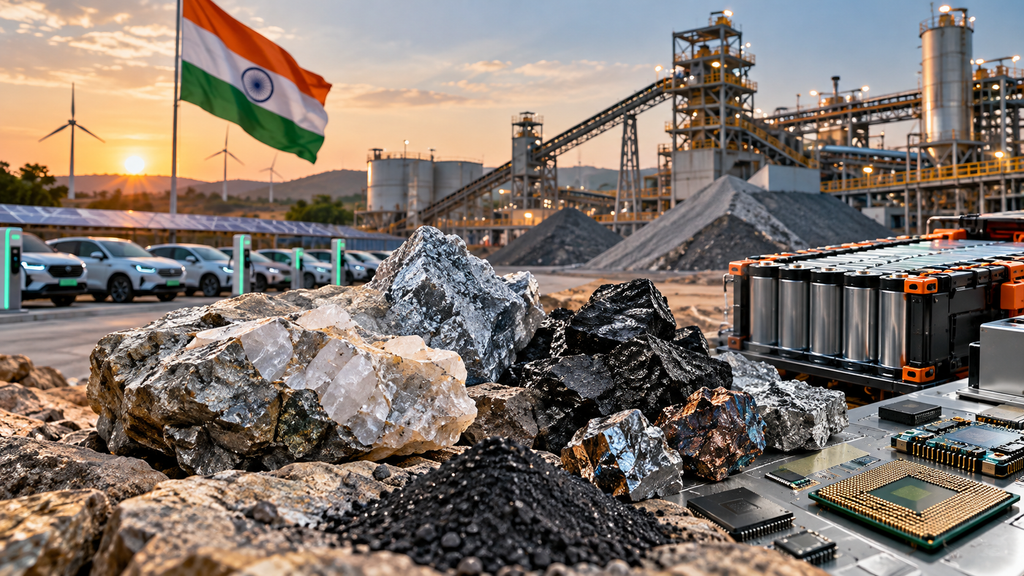
Exploring domestic mineral resources is a key component of India’s strategy to strengthen mineral security and reduce dependence on imports.
The Geological Survey of India has been assigned a target of 1,200 exploration projects for critical minerals during the 2024–25 to 2030–31 period under the National Critical Mineral Mission.
Exploration helps identify deposits, estimate their mineral potential and determine whether they can be developed economically. However, the discovery of a mineral occurrence does not automatically mean that a commercially viable mine can be established. Further studies, infrastructure investment, environmental clearances and technical assessments may be required.
Critical Mineral Auctions Expand Across India
The government has introduced reforms to encourage exploration and mining of critical and strategic minerals.
According to a Ministry of Mines update published in June 2026, India had successfully auctioned 56 critical and strategic mineral blocks, including blocks offered in the seventh auction tranche. The initiative expanded the geographical reach of mineral exploration and included resources such as graphite, rare earth elements, vanadium, titanium and other strategic minerals.
The government has also expanded the exploration-licence framework, which is intended to encourage specialised exploration of deep-seated and technically challenging mineral deposits.
These initiatives could create opportunities for mining companies, geological service providers, mineral laboratories and equipment manufacturers.
Nevertheless, the commercial impact will depend on exploration results, the speed of project development and the availability of processing infrastructure.
Can India Become More Self-Reliant in Lithium?
Lithium is particularly important because it is used in rechargeable batteries for electric vehicles and stationary energy storage.
India has explored lithium-bearing resources domestically, including deposits identified in Jammu and Kashmir. However, identifying a resource is only one stage of the development process. Extraction technology, mineral grade, recoverability, project economics and environmental considerations determine whether a deposit can support commercial production.
India is also pursuing overseas mineral partnerships to diversify supply.
Khanij Bidesh India Limited, commonly known as KABIL, signed an agreement with a state-owned company in Argentina’s Catamarca province for the exploration and development of five lithium brine blocks covering approximately 15,703 hectares.
This partnership is significant because Argentina is part of the South American lithium-producing region. However, exploration agreements do not guarantee immediate production or a fixed volume of commercially recoverable lithium.
A successful strategy will require both domestic resource development and dependable international supply arrangements.
Rare Earth Elements: A Strategic Priority for India
Rare earth elements are a group of 17 metallic elements used in numerous advanced technologies. Despite their name, some are relatively widespread in the Earth’s crust, but economically viable deposits and the ability to separate and refine them are more limited.
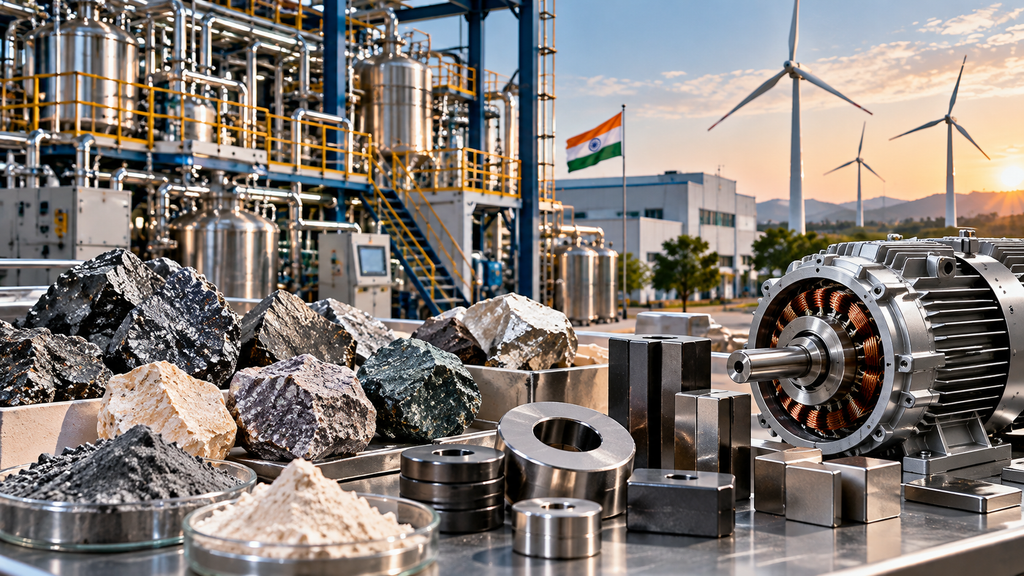
Rare earth elements are particularly important for permanent magnets used in electric motors, selected wind turbines, robotics, precision equipment and defence applications.
India has rare earth-bearing mineral resources, including those associated with certain coastal and inland mineral sands. However, developing a competitive industry requires specialised separation, refining, alloy production and magnet manufacturing capabilities.
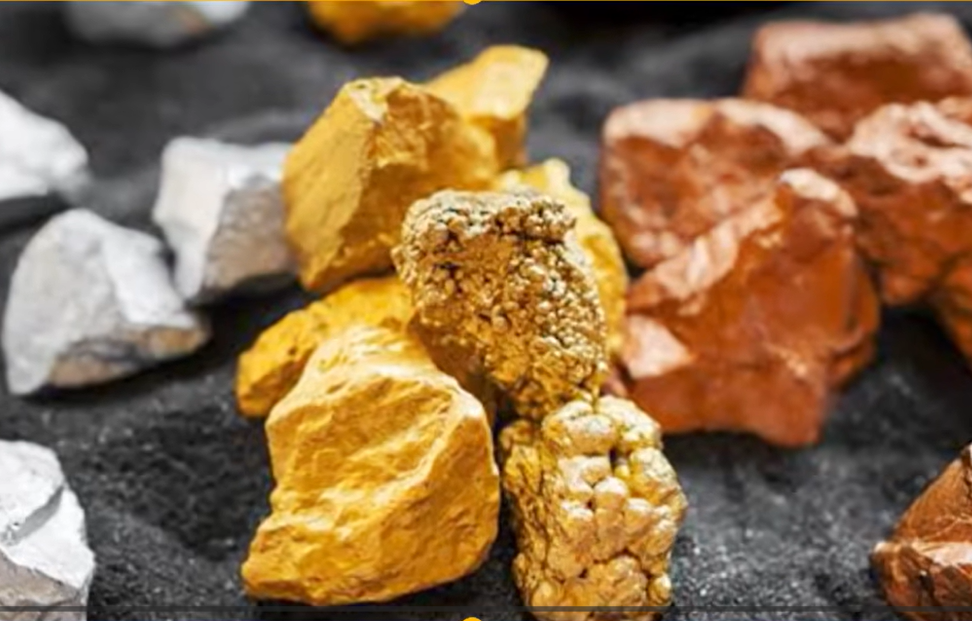
Why Rare Earth Processing Matters
Mining rare earth-bearing material is not the same as producing finished magnets or industrial components.
The process may involve several stages:
- Extracting and concentrating the mineral-bearing material.
- Separating individual rare earth elements.
- Refining materials to meet industrial purity requirements.
- Producing alloys and permanent magnets.
- Supplying manufacturers in automotive, electronics, energy and defence industries.
If India focuses only on extracting raw materials, it may miss opportunities to capture value in downstream manufacturing.
Building domestic processing expertise could help reduce supply vulnerabilities, encourage research investment and create opportunities for advanced industrial production.
How Critical Minerals Support India’s Electric Vehicle Industry
Electric mobility is one of the most visible drivers of demand for battery materials.
India’s electric vehicle market includes electric two-wheelers, three-wheelers, passenger vehicles, commercial vehicles and buses. Battery manufacturing and charging infrastructure will be important to the sector’s long-term development.
Lithium-ion batteries commonly use lithium and graphite. Depending on the battery chemistry, they may also contain nickel, cobalt, manganese or iron phosphate.
The exact mineral requirements vary by battery design. For example, lithium iron phosphate batteries do not rely on nickel and cobalt in their cathode chemistry, while several nickel-rich battery designs use both materials.
This diversity is important because technological changes can alter the composition and quantity of minerals required by the industry.
Why Domestic Battery Supply Chains Matter
Greater access to critical minerals could help India develop a more integrated battery ecosystem, including:
- Battery-cell manufacturing.
- Cathode and anode material production.
- Battery-pack assembly.
- Mineral refining and chemical processing.
- Battery testing and research.
- Collection and recycling of end-of-life batteries.
However, mineral access alone will not guarantee competitive battery production. India will also need reliable electricity, advanced manufacturing equipment, technical skills, quality control, competitive financing and strong research capabilities.
A successful strategy should combine mineral security with investments in battery chemistry, manufacturing productivity and recycling technologies.
Critical Minerals and India’s Semiconductor Ambitions
Semiconductors are essential to smartphones, computers, telecommunications equipment, vehicles, data centres and advanced defence systems.
Their production requires a sophisticated combination of materials, precision equipment and highly controlled manufacturing processes. Certain critical minerals and specialised materials are used in semiconductor fabrication, compound semiconductors, optical devices and electronic components.
Gallium, germanium, indium and other materials have specialised roles in particular electronic applications. Their importance varies by technology, and not every semiconductor depends on every mineral.
India’s efforts to expand semiconductor manufacturing will therefore require a broader strategy for securing specialised materials, industrial gases, chemicals and other production inputs.
Mineral security can support this ambition, but it must be accompanied by investment in research, skilled personnel, manufacturing infrastructure and reliable supplier networks.
Critical Mineral Recycling: Turning Waste into Resources
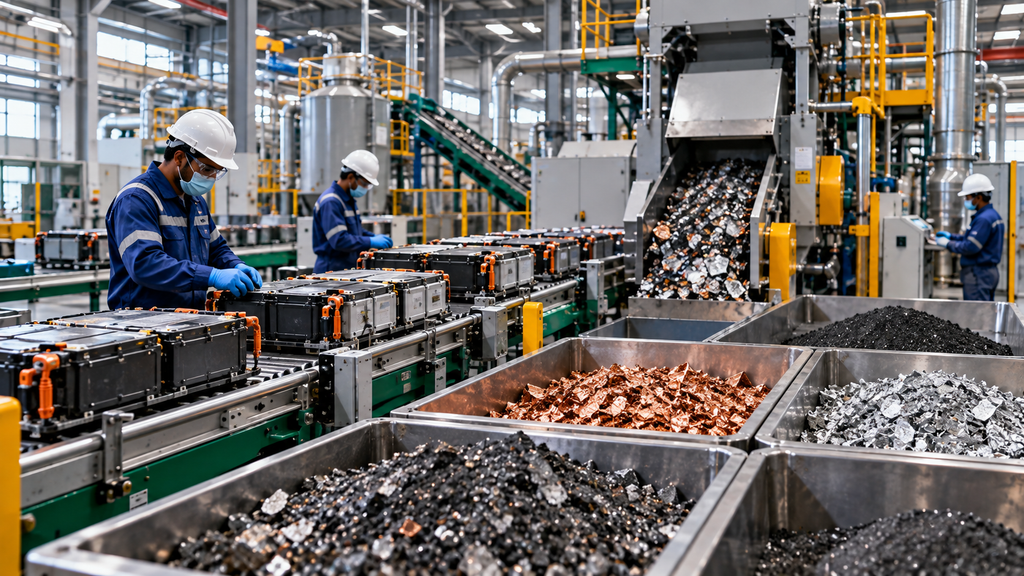
Mining new deposits is not the only way to obtain critical minerals. Recycling can recover valuable materials from used batteries, electronic waste and other eligible industrial waste streams.
India approved a ₹1,500 crore incentive scheme in September 2025 to promote critical mineral recycling. The scheme is intended to support the development of domestic capacity to extract and produce critical minerals from secondary sources over the 2025–26 to 2030–31 period.
Recycling offers several potential benefits.
Reduced import dependence: Recovered materials can supplement supplies from domestic mines and overseas sources.
Resource efficiency: Recycling can recover valuable materials that would otherwise be lost in discarded products.
Industrial development: Advanced recycling requires specialised equipment, chemical processing, testing and material recovery technologies.
Environmental benefits: Responsible recycling can reduce waste and, in suitable cases, lessen the need for additional primary extraction.
However, recycling is not an immediate substitute for mining. The available supply depends on the volume and composition of waste, collection systems, product lifetimes, recovery rates and processing costs.
Building a Circular Economy for Critical Minerals
A circular mineral economy requires more than recycling plants. It also needs efficient collection networks, safe dismantling, product traceability, reliable waste management and technology capable of recovering materials at commercially viable purity levels.
Battery manufacturers, electronics companies, recyclers and public agencies can cooperate to improve the collection and recovery of used products.
As India’s battery and electronics markets grow, recycling could become an increasingly important contributor to long-term mineral security.
Critical Minerals: The New Strategic Resource for India’s Economic Growth
Critical minerals can create opportunities across several sectors, provided that India develops competitive and reliable supply chains.
Employment and Industrial Investment
Mineral exploration, laboratory testing, mine development, chemical processing and recycling can generate demand for skilled workers and specialised service providers.
The sector may also attract investment in industrial equipment, engineering, logistics and environmental management.
Stronger Domestic Manufacturing
Reliable access to essential materials can support manufacturing in batteries, electronics, renewable energy equipment, specialised alloys and advanced industrial components.
Domestic processing can also create opportunities for Indian companies to participate in more stages of the global value chain.
Improved Energy Security
Renewable energy and electricity storage technologies require materials used in generation equipment, electrical networks and batteries.
A diversified supply of these materials can help reduce exposure to external disruptions. Mineral security is therefore an important complement to energy diversification, rather than a replacement for it.
Export Opportunities
If India develops efficient processing and advanced-material manufacturing capabilities, domestic firms may eventually supply selected products to international markets.
Such opportunities will depend on product quality, cost competitiveness, environmental standards and access to global customers.
Major Challenges Facing India’s Critical Mineral Strategy
Despite the opportunities, several obstacles could slow the development of India’s mineral ecosystem.
1. Geological Uncertainty
Mineral exploration involves financial and technical risks. Some deposits may contain insufficient concentrations of useful materials or may be too expensive to develop.
2. Dependence on Imported Processing Technology
Mining a mineral does not necessarily provide the ability to refine it into a usable industrial product. Processing and separation can require specialised equipment, chemicals, engineering knowledge and significant investment.
3. Environmental and Community Concerns
Mining and processing can affect water resources, land, biodiversity and local communities. Projects must incorporate environmental safeguards, responsible waste management, transparent consultation and appropriate rehabilitation.
4. High Capital Requirements
Mining projects can take years to progress from exploration to production. Investors face uncertainty around commodity prices, project approvals, infrastructure costs and future demand.
5. International Competition
Countries worldwide are investing in domestic mining, overseas acquisitions, refining and recycling. India must compete for mineral assets, skilled professionals, technologies and long-term supply contracts.
6. Changing Technology
Battery chemistries and industrial processes evolve over time. A mineral that is essential to one technology may become less important if manufacturers adopt alternatives.
India must therefore balance immediate supply requirements with long-term investment in research, substitution and material efficiency.
The Road Ahead: What India Should Do Next
To strengthen critical mineral security, India needs a coordinated approach covering the entire value chain.
Accelerate exploration responsibly. Geological surveys and exploration projects should identify commercially viable deposits while maintaining high environmental and technical standards.
Expand domestic processing. India should invest in refining, chemical separation, advanced materials and manufacturing facilities so that raw mineral resources can support higher-value industrial production.
Diversify international partnerships. Long-term agreements and overseas investments can reduce exposure to concentrated suppliers, provided that they are commercially viable and appropriately assessed.
Scale up recycling. Strong collection systems and advanced recovery technologies can supplement primary mineral supplies and reduce material losses.
Support research and development. Universities, public research institutions, start-ups and manufacturers should collaborate on mineral extraction, processing, recycling and material substitution.
Improve project execution. Predictable regulations, transparent auctions, appropriate infrastructure and effective environmental assessment can help viable projects progress from exploration to production.
Develop skilled workers. The sector needs expertise in geology, mining engineering, metallurgy, chemical processing, materials science and environmental management.
The central objective should be to build a resilient, economically competitive and environmentally responsible mineral ecosystem rather than pursuing self-sufficiency at any cost.
Conclusion: Critical Minerals Will Shape India’s Strategic Future
Critical minerals are becoming foundational resources for clean energy, electric mobility, advanced electronics, defence and modern manufacturing. Their importance extends beyond commodity markets because access to reliable supplies can influence national security, industrial competitiveness and technological development.
India’s National Critical Mineral Mission, mineral block auctions, overseas partnerships and recycling initiatives represent important steps towards reducing supply vulnerabilities. Yet lasting progress will require commercially viable mining, advanced processing, research investment, international cooperation and responsible environmental practices.
For India, the opportunity is not simply to extract more minerals. It is to develop the expertise and industrial capacity needed to turn natural resources and recovered materials into valuable products.
If India successfully connects exploration with refining, recycling and advanced manufacturing, critical minerals could become an important foundation for its long-term economic resilience and strategic autonomy.
Frequently Asked Questions (FAQs)
1. What are critical minerals?
Critical minerals are raw materials that are essential to important economic or strategic industries and face potential supply risks. Examples include lithium, cobalt, graphite, nickel, gallium and rare earth elements.
2. Why are critical minerals important for India?
They support India’s electric vehicle industry, renewable energy systems, electronics manufacturing, semiconductors and defence technologies. Secure supplies can reduce vulnerability to international disruptions and support domestic industrial development.
3. What is India’s National Critical Mineral Mission?
The National Critical Mineral Mission was approved in January 2025 for the period from 2024–25 to 2030–31. It has a planned government expenditure of ₹16,300 crore and expected additional investment of ₹18,000 crore from public-sector undertakings and other stakeholders.
4. Which critical minerals are important for India’s EV industry?
Lithium and graphite are important for many lithium-ion batteries. Nickel and cobalt are used in certain battery chemistries, while other designs, such as lithium iron phosphate batteries, have different material requirements.
5. Does India have lithium resources?
India has identified lithium-bearing resources, including deposits in Jammu and Kashmir. However, exploration findings do not automatically establish commercially viable production. Further assessment, extraction technology, environmental considerations and project economics matter.
6. Why are rare earth elements strategically important?
Rare earth elements are used in permanent magnets, electric motors, selected wind turbines, electronics and defence applications. Developing domestic separation, refining and magnet manufacturing capabilities can help diversify supply chains.
7. How can recycling improve critical mineral security?
Recycling can recover useful materials from used batteries, electronic waste and other eligible waste streams. It can supplement mined supplies, reduce material losses and create new industrial opportunities.
8. What are the main challenges for India’s critical mineral sector?
Major challenges include geological uncertainty, limited processing capacity, dependence on certain overseas suppliers, high investment requirements, environmental concerns and competition for mineral assets.
9. Can critical minerals help India become a global manufacturing hub?
They can contribute by supporting battery production, renewable energy equipment, electronics and advanced materials. However, success also requires competitive manufacturing costs, technology, skilled workers, infrastructure and reliable supply chains.
10. What is the future of critical minerals in India?
The outlook depends on exploration results, commercially viable mining, processing investment, overseas partnerships, recycling and technological innovation. These areas will influence how effectively India can strengthen mineral security through 2030 and beyond.