
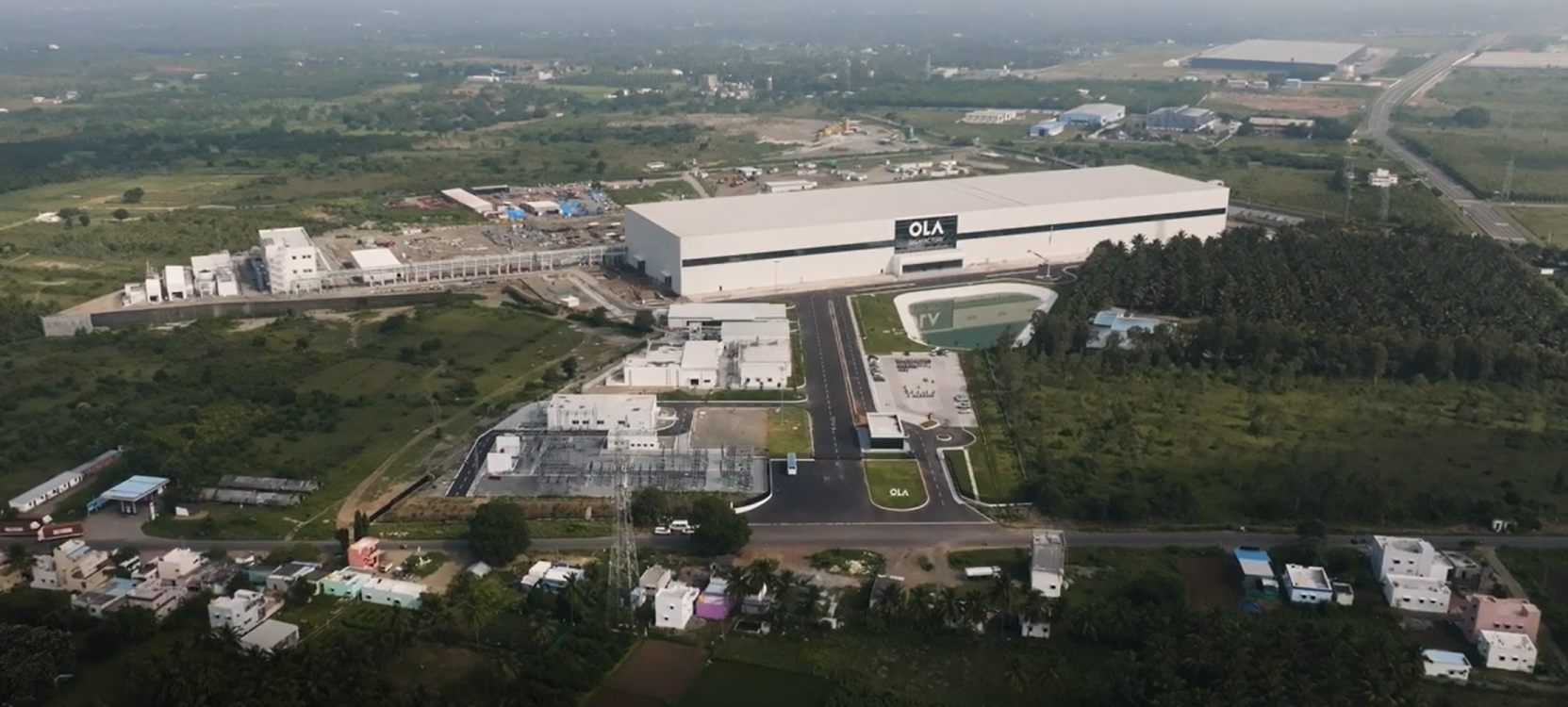
Ola’s Gigafactory Pivot: 3 Bold Moves in Defence & Drones
Ola’s Gigafactory Pivot: 3 Bold Moves in Defence & Drones is emerging as one of the biggest strategic shifts in India’s technology and manufacturing landscape. After investing heavily in electric mobility and battery manufacturing, Ola is now exploring opportunities beyond electric vehicles by leveraging its manufacturing capabilities, engineering talent, and advanced battery technologies for the defence and drone sectors.
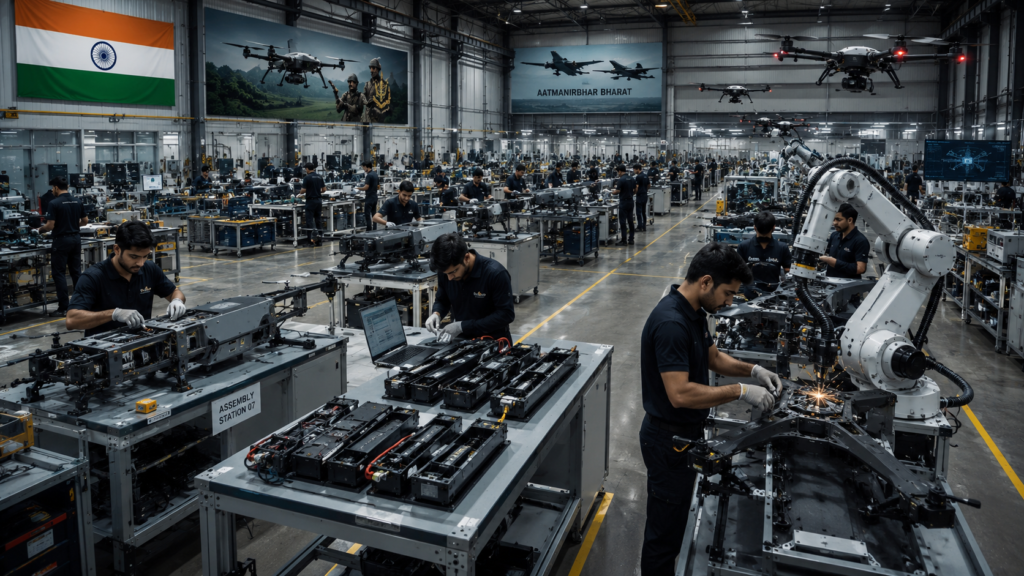
The move comes at a time when India is aggressively promoting indigenous defence manufacturing, drone innovation, and semiconductor development under the Atmanirbhar Bharat initiative. If executed successfully, this strategy could diversify Ola’s business while reducing its dependence on the increasingly competitive electric scooter market.
In this article we explore the Ola’s Gigafactory Pivot: 3 Bold Moves in Defence & Drones, why it matters, its impact on India’s EV ecosystem, opportunities, risks, and what it means for investors, customers, and the future of advanced manufacturing.

Ola’s Gigafactory Pivot: 3 Bold Moves in Defence & Drones
Table Of Contents: –
- Introduction
- What Is Ola’s Gigafactory Pivot?
- Why Ola Is Changing Strategy
- The 3 Bold Moves
- Battery Manufacturing Beyond EVs
- Defence Manufacturing Opportunity
- Drone Industry Expansion
- Gigafactory Advantages
- Impact on India’s Defence Sector
- Impact on India’s Drone Industry
- Opportunities for Ola
- Risks and Challenges
- Market Impact
- Investor Perspective
- Consumer Benefits
- Expert Analysis
- Future Outlook
- Conclusion
- FAQs
What Is Ola’s Gigafactory Pivot: 3 Bold Moves in Defence & Drones?
Ola’s Gigafactory Pivot: 3 Bold Moves in Defence & Drones refers to the company’s evolving strategy of expanding the role of its battery Gigafactory beyond electric mobility.
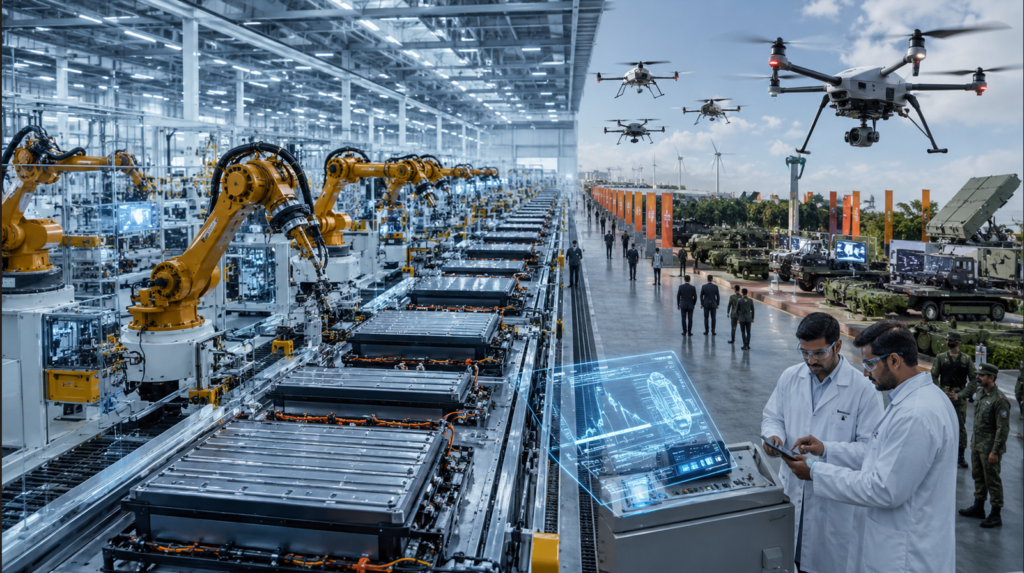
Instead of serving only electric scooters and future electric cars, Ola could use its manufacturing infrastructure to support multiple advanced industries, including:
- Defence batteries
- Military drones
- Autonomous aerial systems
- Energy storage solutions
- Aerospace electronics
- High-performance battery packs
This diversification could help improve factory utilization while opening access to larger government and private sector contracts.
Why Ola Is Changing Strategy
The decision behind Ola’s Gigafactory Pivot: 3 Bold Moves in Defence & Drones is influenced by several business realities.
1. Slowing EV Competition
India’s electric two-wheeler market has become increasingly competitive.
Major players include Electric Scooters:
- Ola Electric
- TVS
- Bajaj Auto
- Ather Energy
- Hero MotoCorp
- Simple Energy
Price wars and shrinking margins have forced manufacturers to explore new revenue streams.
2. Defence Spending Is Rising
India continues increasing defence spending with a stronger emphasis on domestic production.
Key focus areas include:
- Unmanned combat systems
- Surveillance drones
- Battery-powered military vehicles
- Portable energy systems
- Border security technologies
These segments require advanced battery technologies—one of Ola’s strongest capabilities.
3. Drone Industry Is Booming
India’s drone ecosystem has expanded rapidly because of:
- Agriculture
- Logistics
- Defence
- Mapping
- Emergency response
- Infrastructure inspection
Government incentives have accelerated drone manufacturing.
This makes Ola’s Gigafactory Pivot: 3 Bold Moves in Defence & Drones particularly significant..
The 3 Bold Moves Behind Ola’s Gigafactory Pivot: 3 Bold Moves in Defence & Drones
Bold Move 1: Expanding Battery Manufacturing Beyond EVs
The Gigafactory’s battery production can potentially support:
- Military batteries
- Drone batteries
- Grid storage
- Portable defence systems
- Tactical communication equipment
- Energy backup systems
Battery technology has applications far beyond electric scooters.
This diversification could stabilize revenue even during fluctuations in EV demand.
Ola’s Gigafactory Pivot: 3 Bold Moves in Defence & Drones.
Bold Move 2: Entering India’s Defence Manufacturing Ecosystem
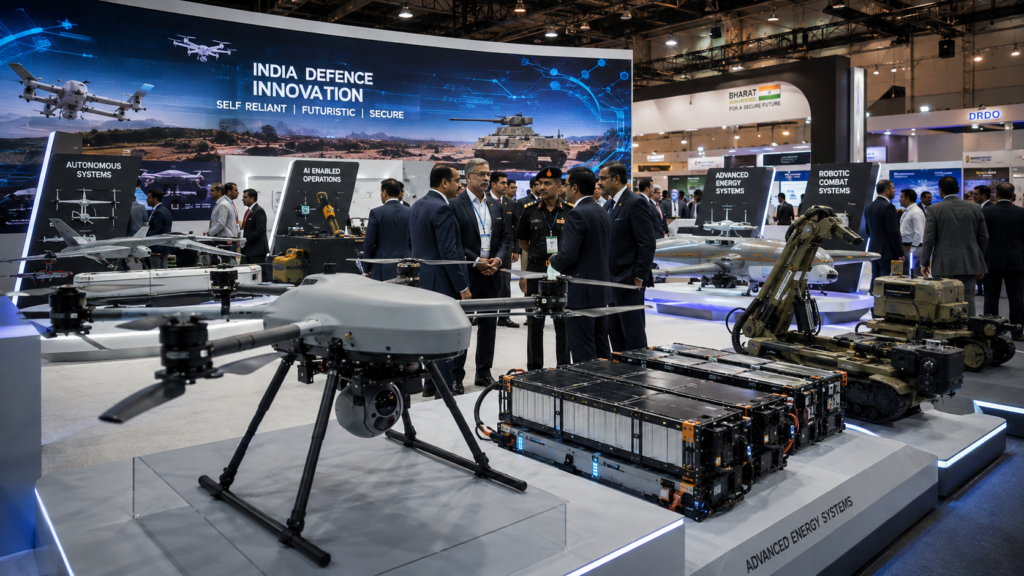
The second pillar of Ola’s Gigafactory Pivot: 3 Bold Moves in Defence & Drones involves participating in India’s expanding defence manufacturing sector.
Possible opportunities include:
- Battery-powered military vehicles
- Drone propulsion systems
- Defence electronics
- AI-enabled battlefield mobility
- Smart energy solutions
Government procurement programs increasingly prioritize indigenous manufacturers.
Bold Move 3: Building Advanced Drone Technologies
Perhaps the most exciting opportunity is drone manufacturing.
Potential focus areas include:
- Surveillance drones
- Cargo drones
- Autonomous delivery drones
- Defence reconnaissance drones
- Border monitoring UAVs
- AI-powered autonomous systems
Battery efficiency directly determines drone performance.
Ola already possesses expertise in battery engineering, making drones a logical extension.
Ola’s Gigafactory Pivot: 3 Bold Moves in Defence & Drones
How the Gigafactory Supports This Strategy
The Gigafactory provides several competitive advantages.
Advanced Manufacturing
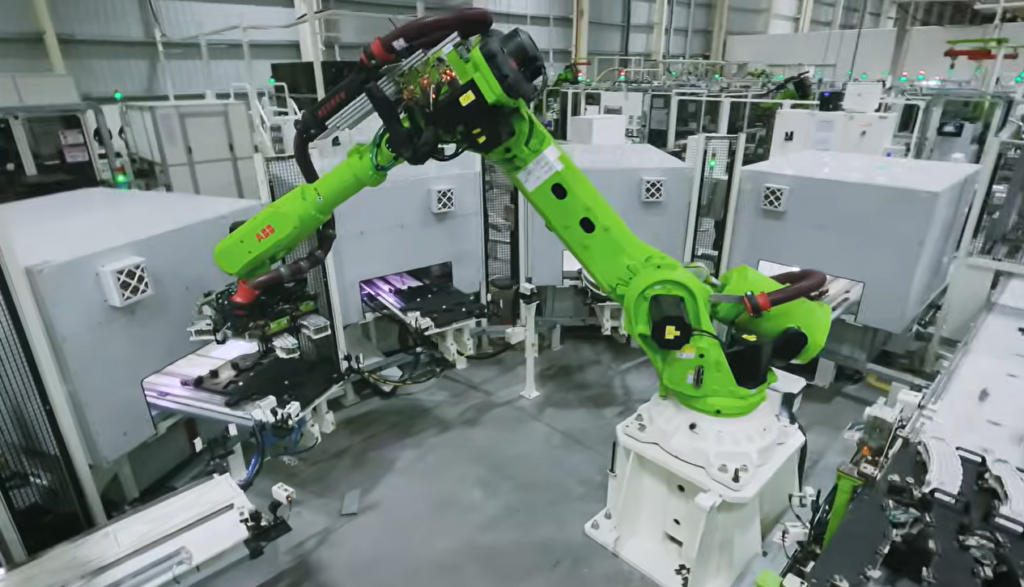
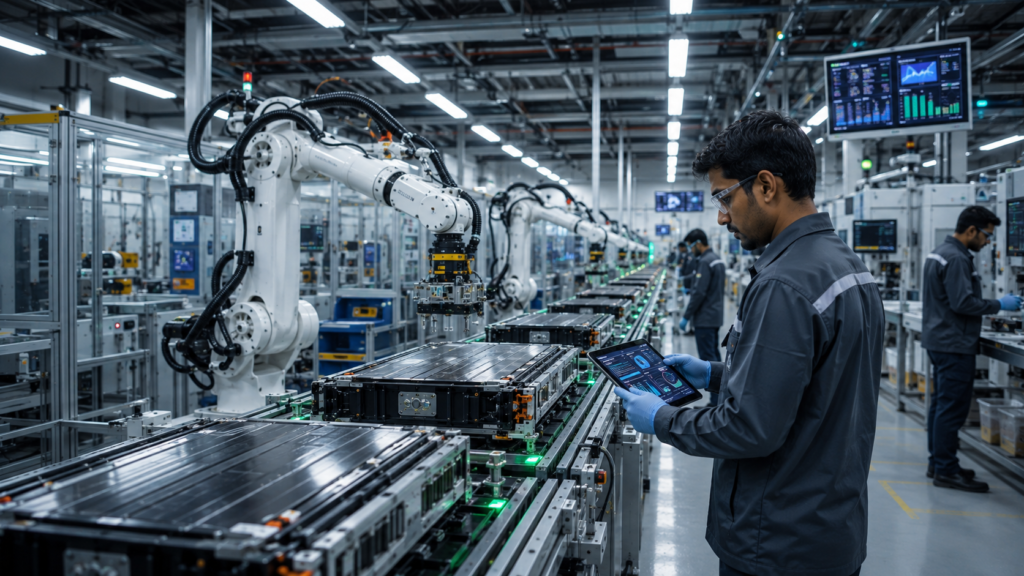
The factory already utilizes:
- Automation
- Robotics
- AI-driven quality control
- Digital manufacturing
- High-speed battery assembly
These capabilities are also valuable for defence manufacturing.
Battery Research
Battery R&D remains central to:
- Longer range
- Faster charging
- Better thermal management
- Lightweight materials
- Higher safety standards
These technologies are equally critical for military drones.
Scalable Production
Large-scale manufacturing enables:
- Lower costs
- Faster deliveries
- Export opportunities
- Higher production efficiency
Scale becomes a major competitive advantage.
How India’s Defence Sector Could Benefit
Ola’s Gigafactory Pivot: 3 Bold Moves in Defence & Drones aligns with India’s broader defence modernization goals.
Benefits include:
- Reduced imports
- Local manufacturing
- Faster innovation
- Technology independence
- Employment generation
- Export potential
Domestic manufacturing also improves supply chain resilience.
Impact on India’s Drone Industry
Ola’s Gigafactory Pivot: 3 Bold Moves in Defence & Drones
India’s drone market is expected to witness rapid growth across sectors.
Applications include:
Agriculture
- Crop spraying
- Fertilizer distribution
- Field monitoring
Infrastructure
- Power line inspection
- Railway monitoring
- Highway surveys
Emergency Services
- Disaster relief
- Medical delivery
- Rescue operations
Defence
- Border surveillance
- Reconnaissance
- Tactical logistics
Battery innovation directly improves drone endurance.
Ola’s Gigafactory Pivot: 3 Bold Moves in Defence & Drones
Opportunities for Ola
Revenue Diversification
Moving beyond electric scooters reduces dependence on one market.
Government Contracts
Defence procurement can generate long-term business opportunities.
Export Markets
Many countries seek affordable drone technologies.
Indian manufacturing could become globally competitive.
Technology Leadership
Combining AI, batteries, robotics, and drones positions Ola as a broader technology company.
Risks and Challenges
Despite the opportunities, Ola’s Gigafactory Pivot: 3 Bold Moves in Defence & Drones also presents significant challenges.
Regulatory Approvals
Defence manufacturing involves:
- Strict security regulations
- Government clearances
- Export controls
Technology Development
Military-grade drones require:
- Advanced AI
- Secure communications
- High reliability
- Rugged hardware
Developing these capabilities takes time.
Competition
Existing defence manufacturers already have extensive experience.
Competition includes:
- Established defence companies
- Specialized drone startups
- International firms
Capital Investment
Scaling advanced manufacturing requires continued investment in:
- Research
- Testing
- Production
- Talent acquisition
Market Impact
If successful, Ola’s Gigafactory Pivot: 3 Bold Moves in Defence & Drones could reshape multiple industries simultaneously.
Potential impacts include:
- Stronger battery ecosystem
- Faster drone innovation
- Improved defence manufacturing
- More export opportunities
- Increased technology investment
India could emerge as a global manufacturing hub for advanced battery-powered systems.
Ola’s Gigafactory Pivot: 3 Bold Moves in Defence & Drones
What This Means for Investors
Investors may view diversification positively because it reduces dependence on consumer EV demand.
However, execution remains the key factor.
Investors will likely monitor:
- Defence partnerships
- Government contracts
- Battery production capacity
- Drone product launches
- Revenue diversification
What It Means for Consumers
Although consumers may not directly purchase defence products, the technology developed for military applications often benefits civilian markets.
Possible spillover effects include:
- Better batteries
- Longer EV range
- Faster charging
- Improved safety
- Lower production costs
Expert Analysis
Ola’s Gigafactory Pivot: 3 Bold Moves in Defence & Drones.
Industry analysts believe advanced battery manufacturing represents one of India’s biggest long-term opportunities.
If Ola successfully expands into drones and defence, the company could transform from an EV manufacturer into a diversified advanced technology enterprise.
The strategy also aligns with India’s ambitions in:
- Semiconductor manufacturing
- AI
- Robotics
- Defence exports
- Advanced manufacturing
Execution, partnerships, regulatory compliance, and sustained innovation will ultimately determine success.
Future Outlook
The future of Ola’s Gigafactory Pivot: 3 Bold Moves in Defence & Drones will depend on several factors:
- Expansion of battery production
- Government defence policies
- Drone regulations
- Global battery demand
- Export opportunities
- Strategic partnerships
If these elements align, the Gigafactory could evolve into one of India’s most versatile advanced manufacturing facilities.
Conclusion
Ola’s Gigafactory Pivot: 3 Bold Moves in Defence & Drones represents a bold attempt to redefine the company’s future beyond electric scooters. By combining battery innovation, advanced manufacturing, drone technology, and potential defence applications, Ola aims to position itself within some of India’s fastest-growing strategic industries.
While challenges such as regulation, technological complexity, and strong competition remain, the pivot reflects a broader trend of diversification among technology manufacturers. Success will depend on execution, partnerships, and the ability to deliver reliable products for both civilian and defence markets. If these ambitions materialize, Ola’s Gigafactory could become a cornerstone of India’s next-generation industrial ecosystem.
Frequently Asked Questions (FAQs)
1. What is Ola’s Gigafactory Pivot: 3 Bold Moves in Defence & Drones?
It refers to Ola’s strategy of expanding its Gigafactory capabilities beyond EV batteries into defence technologies, drones, advanced battery systems, and related manufacturing.
2. Why is Ola entering the defence and drone sectors?
The move helps diversify revenue, leverage existing battery expertise, and capitalize on India’s growing focus on indigenous defence manufacturing and drone innovation.
3. How can the Gigafactory support drone manufacturing?
The facility can produce high-performance lithium battery cells and battery packs that are essential for long-endurance drones and autonomous aerial systems.
4. Will this affect Ola’s electric vehicle business?
The strategy is expected to complement rather than replace Ola’s EV business by improving manufacturing efficiency and expanding technology applications.
5. What are the biggest challenges for this strategy?
Key challenges include regulatory approvals, defence-grade technology development, capital investment, cybersecurity requirements, and intense competition.
6. What opportunities does this create for India?
It could strengthen domestic manufacturing, reduce imports, create skilled jobs, encourage innovation, boost exports, and support India’s goal of becoming a global hub for advanced battery and drone technologies.
My View:
Ola’s Gigafactory Pivot: 3 Bold Moves in Defence & Drones, signals a strategic shift beyond electric vehicles into high-growth sectors like defence and drone technology. By taking benefits for advanced battery manufacturing capabilities, Ola could reduce its reliance on the competitive EV market while aligning with India’s push for self-reliance in defence and advanced manufacturing. However, success will depend on execution, regulatory approvals, and the company’s ability to compete with established defence players. If managed effectively, this pivot could position Ola as a key player in India’s next-generation industrial and defence ecosystem.