
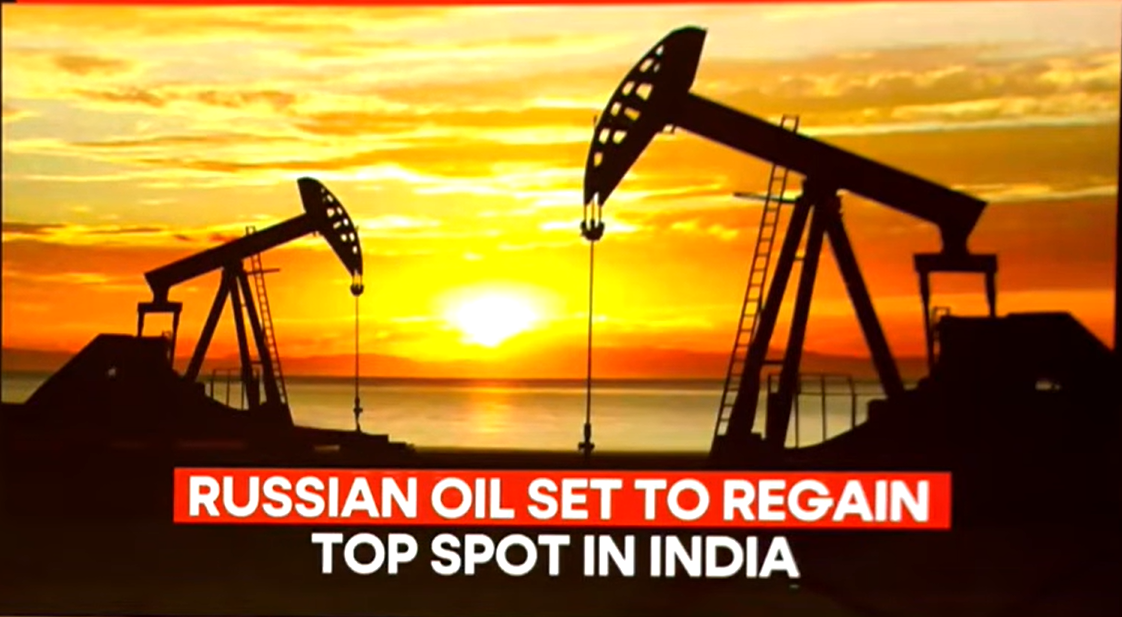
India’s Russian Crude Imports Hit Record Again in 2026: What It Means for India’s Energy Future
India’s Russian Crude Imports Hit Record Again in 2026, marking another milestone in the country’s evolving energy strategy. The latest import figures demonstrate India’s continued preference for discounted Russian crude, helping domestic refiners secure lower-cost feedstock while strengthening the nation’s energy security.
Over the past few years, India has transformed into one of Russia’s largest crude oil buyers. As Western sanctions reshaped global oil flows following the Russia-Ukraine conflict, Indian refiners quickly adapted by increasing purchases of Russian crude. This strategic shift has not only reduced procurement costs but also improved refining margins and supported India’s growing demand for transportation fuels.
The latest record-breaking import numbers highlight India’s pragmatic approach toward energy procurement. Rather than relying on geopolitical alignments, India has consistently prioritized affordability, supply stability, and national economic interests.
As global oil markets continue to evolve, India’s Russian Crude Imports Hit Record Again in 2026 is becoming one of the most significant developments in international energy trade. This article explores why imports have surged, what it means for India’s economy, how it affects global oil markets, and what lies ahead.
Table of Contents
- India’s Russian Crude Imports Hit Record Again in 2026
- Why India Is Buying More Russian Oil
- Latest Import Trends
- Russia Becomes India’s Top Oil Supplier
- Economic Benefits for India
- Impact on Domestic Fuel Prices
- Global Geopolitical Implications
- Shipping and Payment Mechanisms
- Risks and Challenges
- Future Outlook
- FAQs

India’s Russian Crude Imports Hit Record Again in 2026: Understanding the Latest Trend
The latest data indicates that Indian refiners have once again increased purchases of Russian crude oil, pushing imports to another historic high. This is the second consecutive month that imports have reached record levels, reflecting sustained demand from both public-sector and private-sector refiners.
Since 2022, Russia has steadily become India’s primary crude supplier. The availability of discounted crude has allowed Indian companies to optimize procurement strategies while maintaining competitive fuel production costs.
Several major Indian refiners—including state-owned companies and private players—have continued sourcing Russian crude because it offers significant commercial advantages over many traditional grades.
For India, where nearly 85% of crude oil requirements are met through imports, securing affordable supplies is essential for maintaining economic stability.
Why India’s Russian Crude Imports Hit Record Again in 2026
Several factors explain why India’s Russian Crude Imports Hit Record Again in 2026.
Attractive Price Discounts
Russian crude continues to trade below international benchmark prices, offering Indian refiners considerable savings. Lower acquisition costs directly improve refinery profitability and reduce overall import expenses.
Even a discount of a few dollars per barrel translates into substantial savings when millions of barrels are imported each month.
Strong Domestic Fuel Demand
India remains one of the world’s fastest-growing energy markets.
Growing vehicle ownership, expanding aviation activity, increasing industrial production, and infrastructure development have boosted fuel consumption across the country.
To meet rising demand, refiners require a steady and cost-effective supply of crude oil.
Higher Refinery Margins
Indian refiners benefit from purchasing discounted crude and exporting refined petroleum products at international market prices.
Products such as:
- Petrol
- Diesel
- Aviation Turbine Fuel (ATF)
- Naphtha
- LPG
- Petrochemical feedstock
continue generating healthy refining margins.
Diversified Procurement Strategy
Although Russia has become India’s largest supplier, the country continues importing crude from Iraq, Saudi Arabia, the UAE, the United States, Nigeria, and several other exporters.
This diversified sourcing strategy reduces supply risks while allowing refiners to purchase the most economically attractive crude grades.

Russia Has Become India’s Largest Crude Supplier
Before 2022, Iraq and Saudi Arabia dominated India’s crude imports.
However, global sanctions and changing trade routes dramatically altered international oil flows.
Russian exporters began offering attractive discounts to buyers willing to purchase crude outside traditional European markets.
India quickly emerged as one of the biggest beneficiaries.
Today, Russia supplies a substantial share of India’s imported crude oil, surpassing traditional Middle Eastern suppliers in monthly shipment volumes.
The partnership has expanded beyond simple commercial transactions and now represents one of the world’s largest energy trade relationships.
How Indian Refiners Benefit
Both government-owned and private refiners have significantly benefited from increased Russian imports.
Advantages include:
Lower Procurement Costs
Reduced crude prices lower production expenses.
Increased Export Competitiveness
Indian refineries export refined products to Europe, Asia, and Africa.
Lower input costs improve competitiveness in international markets.
Better Capacity Utilization
Stable crude availability enables refineries to operate near full capacity, improving efficiency and profitability.
Improved Financial Performance
Several refiners have reported stronger earnings due to higher refining margins supported by discounted crude purchases.
Economic Benefits of India’s Russian Crude Imports Hit Record Again in 2026
The continued increase in Russian crude imports has several positive implications for India’s economy.
Reduced Import Bill
Lower crude acquisition costs help reduce the country’s overall oil import expenditure.
Since crude oil is India’s largest import item, even modest price reductions produce substantial savings.
Better Inflation Management
Fuel prices influence transportation, logistics, manufacturing, agriculture, and consumer goods.
Affordable crude helps moderate inflationary pressures across multiple sectors of the economy.
Improved Energy Security
Maintaining reliable access to crude supplies reduces exposure to geopolitical disruptions in any single producing region.
Energy security remains a critical component of India’s long-term economic strategy.
Higher Export Revenue
India exports billions of dollars worth of refined petroleum products every year.
Competitive refining costs improve export earnings and strengthen foreign exchange reserves.

India’s Energy Strategy Continues to Evolve
India’s energy policy increasingly focuses on balancing three priorities:
- Affordable imports
- Diversified supply sources
- Long-term energy security
While renewable energy investments continue expanding rapidly, crude oil remains indispensable for transportation, aviation, heavy industry, and petrochemical manufacturing.
Consequently, ensuring uninterrupted crude supplies remains a national priority.
The latest import records demonstrate India’s willingness to adapt procurement strategies based on market conditions rather than geopolitical considerations.
Global Oil Market Impact of India’s Russian Crude Imports Hit Record Again in 2026
The fact that India’s Russian Crude Imports Hit Record Again in 2026 is not just an important development for India—it is also reshaping global energy markets. The shift in trade flows has altered long-established supply chains, influenced crude pricing, and changed how major oil exporters compete for Asian markets.
Before 2022, Europe was one of the largest buyers of Russian crude. Following sanctions and restrictions, Russia redirected a significant portion of its exports toward Asia, with India and China becoming its largest customers. This transition has permanently changed global crude trade routes.
Today, Indian refiners are among the biggest beneficiaries of these changes, purchasing discounted Russian crude while maintaining strong refining margins and exporting petroleum products worldwide.
How Global Oil Trade Has Changed
The international oil market has undergone one of the biggest transformations in decades.
Major developments include:
- Russian crude exports shifting from Europe to Asia.
- Middle Eastern suppliers competing more aggressively in Asian markets.
- Longer shipping routes increasing freight demand.
- New insurance and payment mechanisms emerging.
- Refiners adapting to changing crude grades.
These structural changes have increased competition among oil exporters while providing importing nations like India with greater flexibility in sourcing crude.

India’s Russian Crude Imports Hit Record Again in 2026: Impact on OPEC+
One of the most significant consequences of increased Russian exports to India has been the response from OPEC+.
The oil-producing alliance closely monitors shifts in global demand because they directly influence production decisions and oil prices.
When India increases purchases of discounted Russian crude, traditional suppliers such as Iraq, Saudi Arabia, Kuwait, and the United Arab Emirates face stronger competition.
To remain competitive, some producers have adjusted:
- Official selling prices (OSPs)
- Supply contracts
- Shipping terms
- Payment flexibility
This increased competition benefits India by expanding procurement options and improving bargaining power.
How Indian Refiners Are Maximizing Profits
Indian refiners have demonstrated remarkable flexibility in adapting to changing market conditions.
The availability of discounted Russian crude has enabled refiners to optimize operations in several ways.
1. Better Refinery Margins
Lower crude costs translate into higher gross refining margins (GRMs).
Higher margins improve profitability and support future investments in refinery upgrades and expansion.
2. Increased Petroleum Exports
India exports refined products such as:
- Petrol
- Diesel
- Jet fuel
- LPG
- Naphtha
- Fuel oil
- Petrochemical feedstocks
These exports generate valuable foreign exchange while strengthening India’s position as a global refining hub.
3. Efficient Refinery Operations
Modern Indian refineries are capable of processing multiple crude grades.
Their operational flexibility allows refiners to optimize crude blends depending on market prices.

Shipping and Logistics Behind Record Imports
A major reason India’s Russian Crude Imports Hit Record Again in 2026 is the improvement in shipping logistics.
Despite international sanctions affecting Russia’s energy exports, oil shipments have continued through alternative transportation arrangements.
Several factors have supported uninterrupted deliveries:
- Expanded tanker availability
- Longer-term freight agreements
- Alternative insurance providers
- Improved port infrastructure
- Flexible delivery schedules
Indian ports have also enhanced their capacity to handle increased volumes of imported crude, ensuring efficient unloading and storage.
Alternative Payment Systems
Traditional financial restrictions prompted buyers and sellers to explore alternative payment mechanisms.
Transactions have increasingly relied on:
- Multiple international currencies
- Bilateral banking arrangements
- Trade settlement through non-traditional financial channels
These innovations have helped maintain stable energy trade despite evolving geopolitical conditions.
Energy Security Remains India’s Top Priority
Energy security is central to India’s economic development strategy.
As one of the world’s fastest-growing economies, India requires reliable access to affordable energy.
The government has consistently emphasized that crude procurement decisions are guided by:
- National interest
- Market competitiveness
- Supply reliability
- Economic efficiency
The continued increase in Russian crude imports reflects this policy approach.
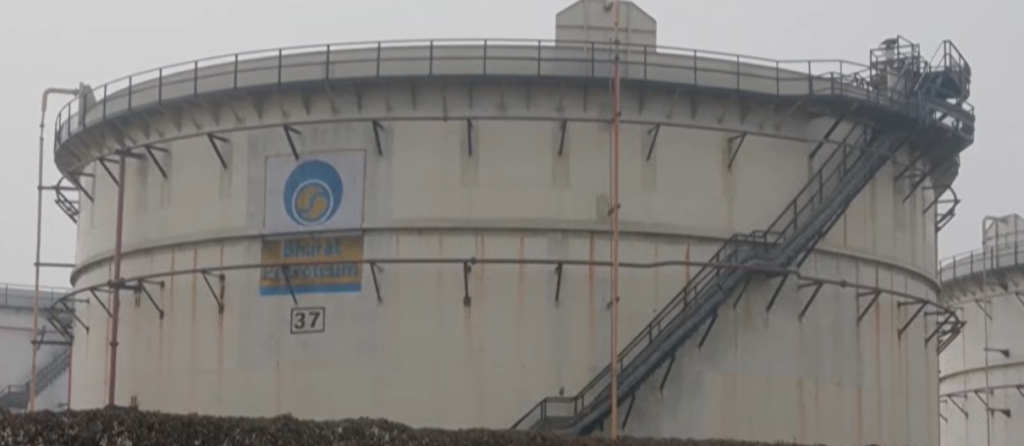

Challenges Associated with Rising Russian Oil Imports
Although the commercial benefits are substantial, there are also several risks that policymakers and refiners continue to monitor.
Geopolitical Uncertainty
International relations remain dynamic.
New sanctions, regional conflicts, or diplomatic developments could affect future crude trade.
Freight Costs
Longer shipping distances increase transportation expenses.
If freight rates rise sharply, some pricing advantages may narrow.
Oil Price Volatility
Global crude prices remain sensitive to:
- OPEC+ production decisions
- Economic growth
- Inflation
- Currency movements
- Weather disruptions
- Geopolitical tensions
These factors can quickly change the economics of crude procurement.
Currency Risks
Since crude imports involve international transactions, exchange rate fluctuations may influence import costs.
A weaker rupee generally increases the cost of imported oil.
International Response
India’s continued purchases of Russian crude have attracted attention from governments, analysts, and international organizations.
Many countries recognize India’s position that ensuring affordable energy for its population and economy remains a legitimate national priority.
Energy experts generally agree that global oil markets function most efficiently when buyers maintain diversified sourcing strategies rather than relying heavily on a single supplier.
India’s Long-Term Energy Transition
While India’s Russian Crude Imports Hit Record Again in 2026 reflects the country’s current energy priorities, India is simultaneously investing heavily in cleaner energy technologies.
Major initiatives include:
- Solar power expansion
- Wind energy projects
- Green hydrogen development
- Biofuels
- Electric mobility
- Battery manufacturing
- Ethanol blending
- Nuclear energy
These investments aim to reduce long-term dependence on imported fossil fuels while supporting sustainable economic growth.
However, during this transition, crude oil will remain essential for transportation, manufacturing, aviation, and petrochemical industries.
Expert Market Perspective
Industry analysts believe India will continue purchasing Russian crude as long as three conditions remain favorable:
- Competitive pricing.
- Stable logistics.
- Reliable payment mechanisms.
At the same time, refiners are expected to maintain a balanced procurement strategy by sourcing crude from Russia, the Middle East, Africa, and the Americas to minimize supply risks.
Future Outlook: India’s Russian Crude Imports Hit Record Again in 2026
The fact that India’s Russian Crude Imports Hit Record Again in 2026 signals more than a temporary increase in imports—it reflects a broader shift in India’s long-term energy procurement strategy. Analysts believe that India will continue purchasing Russian crude as long as it remains commercially attractive and logistics remain reliable.
India’s crude oil demand is expected to grow steadily over the next decade due to:
- Rising vehicle ownership
- Expanding aviation sector
- Growth in manufacturing
- Infrastructure development
- Increasing petrochemical demand
- Urbanization and industrialization
With domestic crude production unable to meet demand, imports will remain a critical component of India’s energy mix.
Will India Continue Buying Russian Oil?
Energy market experts suggest that India will likely continue buying Russian crude while maintaining a diversified sourcing strategy.
The reasons include:
Competitive Pricing
Discounted Russian crude helps reduce procurement costs and supports refinery profitability.
Supply Stability
Reliable supply contracts ensure uninterrupted refinery operations.
Energy Security
Diversifying import sources reduces dependence on any single oil-producing region.
Commercial Flexibility
Indian refiners can choose the most economical crude grades based on changing market conditions.
Economic Implications for India
Lower Inflationary Pressure
Affordable crude oil can help moderate inflation by reducing transportation and logistics costs. Since fuel prices influence the cost of moving goods across the country, cheaper crude indirectly benefits consumers and businesses.
Improved Trade Competitiveness
Lower refining costs make Indian petroleum exports more competitive in international markets. This strengthens India’s position as one of Asia’s leading refining hubs.
Foreign Exchange Management
Reduced import costs can help manage the country’s foreign exchange outflows, especially when global oil prices remain volatile.
Industrial Growth
Stable energy supplies support manufacturing, construction, logistics, and infrastructure development, all of which are crucial for sustained economic growth.
India’s Russian Crude Imports Hit Record Again in 2026: Key Takeaways
The record-breaking imports highlight several important trends:
- India continues to prioritize affordable and reliable energy supplies.
- Russian crude remains attractive due to competitive pricing.
- Indian refiners benefit from improved margins and export opportunities.
- Diversified sourcing strengthens long-term energy security.
- Global oil trade patterns continue to evolve in response to geopolitical changes.

Conclusion
India’s Russian Crude Imports Hit Record Again in 2026 demonstrates India’s pragmatic approach to securing affordable energy while supporting economic growth. By leveraging discounted Russian crude and maintaining a diversified import portfolio, India has strengthened its energy security and enhanced the competitiveness of its refining sector.
At the same time, the country continues to invest heavily in renewable energy, green hydrogen, electric mobility, and biofuels. This balanced strategy allows India to meet its immediate energy needs while preparing for a cleaner and more sustainable future.
As global energy markets continue to evolve, India’s ability to adapt its procurement strategy based on commercial and strategic considerations will remain a key factor in ensuring long-term energy resilience.
Frequently Asked Questions (FAQs)
1. Why did India’s Russian crude imports reach another record in 2026?
The primary reasons include discounted prices, strong domestic fuel demand, improved shipping logistics, and higher refining margins for Indian refiners.
2. Is Russia India’s largest crude oil supplier?
Yes. Russia has become one of India’s leading crude suppliers, surpassing several traditional exporters in recent years.
3. How do discounted Russian oil imports benefit India?
They reduce crude procurement costs, improve refinery profitability, strengthen energy security, and help maintain competitive fuel production.
4. Does India depend only on Russian crude?
No. India follows a diversified import strategy and also sources crude oil from Iraq, Saudi Arabia, the UAE, the United States, Nigeria, and other producing nations.
5. Will India continue importing Russian crude in the future?
Industry experts believe India will continue purchasing Russian crude as long as it remains commercially viable, while also maintaining supply diversification.
6. How do Russian crude imports affect Indian consumers?
Lower input costs for refiners can help reduce pressure on fuel prices and support overall economic stability, although retail prices are influenced by multiple factors.
7. What role does Russian crude play in India’s energy security?
Russian crude provides an additional reliable source of supply, helping India diversify imports and reduce dependence on any single region.
8. How is India balancing fossil fuel imports with clean energy goals?
India is simultaneously expanding renewable energy, electric mobility, ethanol blending, green hydrogen, and battery manufacturing while ensuring adequate crude supplies for current economic needs.
I appreciate how easy it is to navigate the site and find my favorite games without getting lost. The welcome offers are generous and the withdrawal process never drags on. It is exactly the kind of reliable spot I have been searching for vn22hello88