
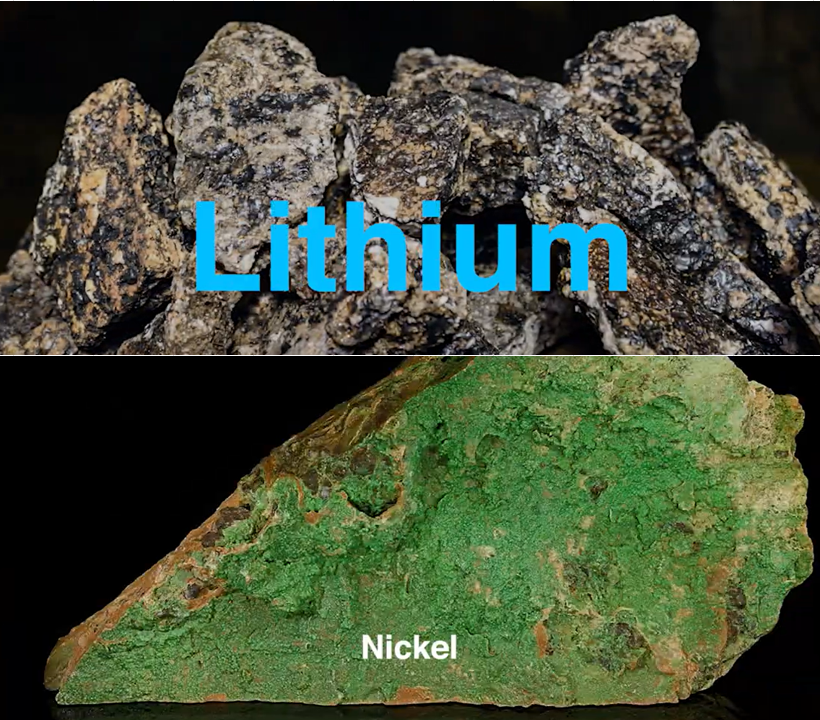
India’s Critical Mineral Parks: 4 States, Lithium & Nickel Boom
India’s Critical Mineral Parks: 4 States, Lithium & Nickel Boom marks one of the biggest developments in India’s clean-energy and industrial strategy. The Central Government has announced plans to establish four dedicated critical mineral processing parks in Gujarat, Maharashtra, Andhra Pradesh, and Odisha, focusing initially on lithium and nickel processing. The initiative is expected to strengthen India’s electric vehicle ecosystem, battery manufacturing industry, renewable energy sector, semiconductor production, and overall energy security. The announcement comes as India accelerates efforts to reduce dependence on imported processed minerals and build a resilient domestic supply chain for the energy transition.
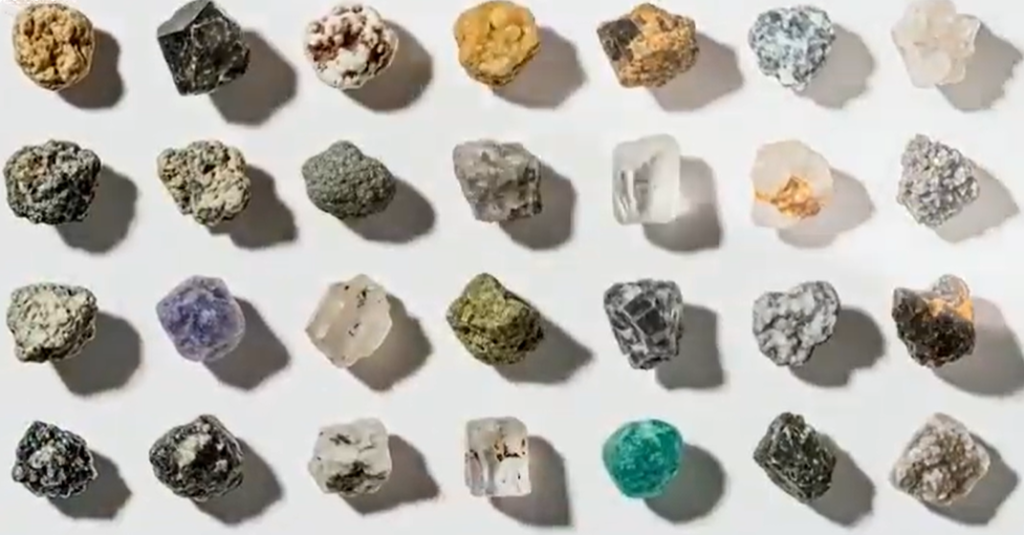
India’s Critical Mineral Parks: 4 States, Lithium & Nickel Boom:
Strategic Context
- National Critical Mineral Mission (NCMM): The Government of India has approved the National Critical Mineral Mission (NCMM) to strengthen the country’s critical mineral ecosystem.
- Total Investment: The mission has a ₹34,300 crore outlay to be implemented over seven years.
- Funding Structure:
- ₹16,300 crore will be provided by the Central Government.
- ₹18,000 crore will be invested by Public Sector Enterprises (PSEs).
- Primary Objective: Develop a strong domestic supply chain for critical minerals and reduce India’s dependence on imports.
- Key Focus Areas: Secure the availability of minerals required for:
- Electric Vehicle (EV) batteries
- Renewable energy systems
- Wind turbines
- Semiconductors
- Advanced electronics
- Expected Benefits: The mission aims to boost domestic manufacturing, strengthen energy security, support India’s clean-energy transition, and enhance the country’s global competitiveness in critical mineral processing.
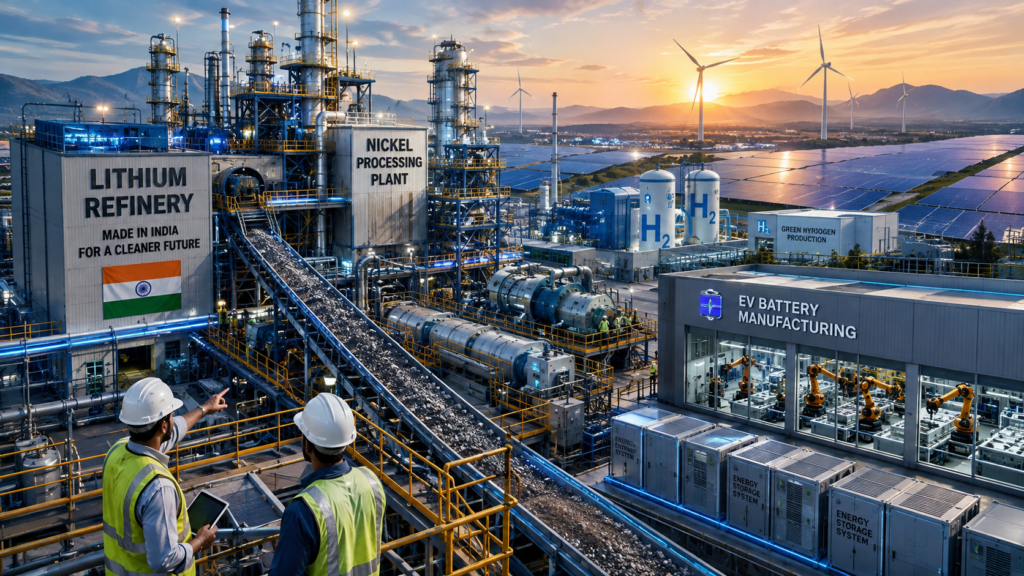
India’s Critical Mineral Parks: 4 States, Lithium & Nickel Boom – Why It Matters
The global economy is witnessing an unprecedented race to secure supplies of critical minerals. These minerals have become as strategically important today as crude oil was during the industrial era.
Lithium powers rechargeable batteries used in:
- Electric Vehicles (EVs)
- Battery Energy Storage Systems (BESS)
- Smartphones
- Laptops
- Grid-scale storage
Nickel improves battery efficiency, energy density, and lifespan, making it indispensable for advanced lithium-ion batteries.
India currently imports most processed lithium and nickel, leaving manufacturers exposed to global supply disruptions. The government’s new processing parks are designed to address this vulnerability by creating domestic refining capabilities.
Government Plans Four Critical Mineral Processing Parks
According to Mines Secretary Keshav Chandra, four specialized processing parks will be developed in:
- Gujarat
- Maharashtra
- Andhra Pradesh
- Odisha
Rather than exporting raw minerals abroad for refining, India plans to process them domestically into battery-grade materials.
This approach is expected to create an integrated value chain supporting mining, refining, advanced manufacturing, and exports.
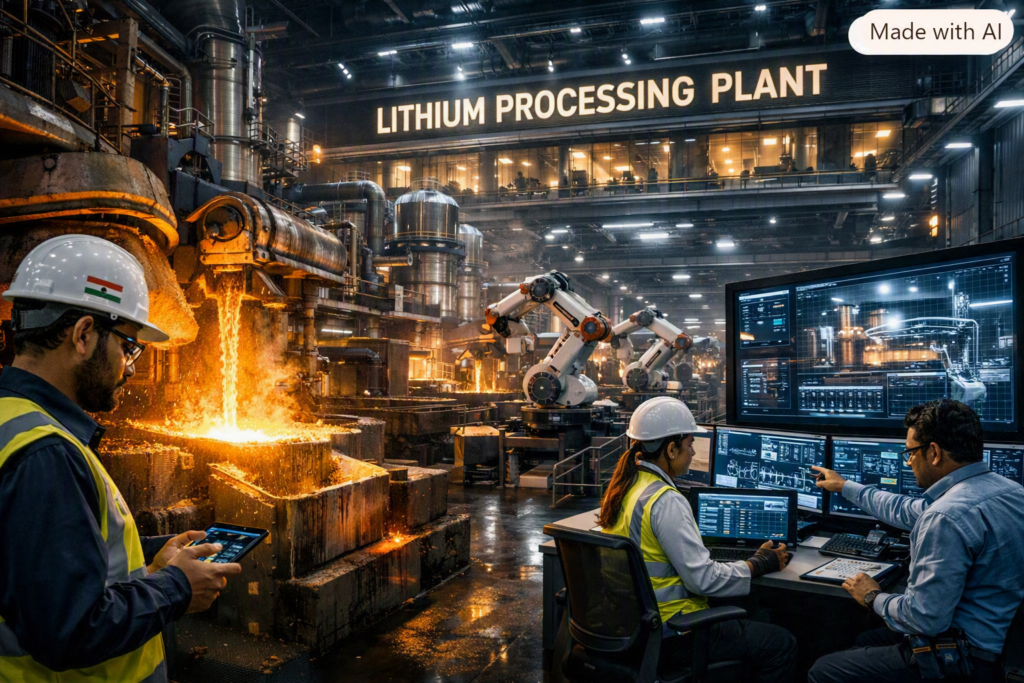
Why Gujarat, Maharashtra, Andhra Pradesh and Odisha?
Each of these states offers unique advantages:
Gujarat
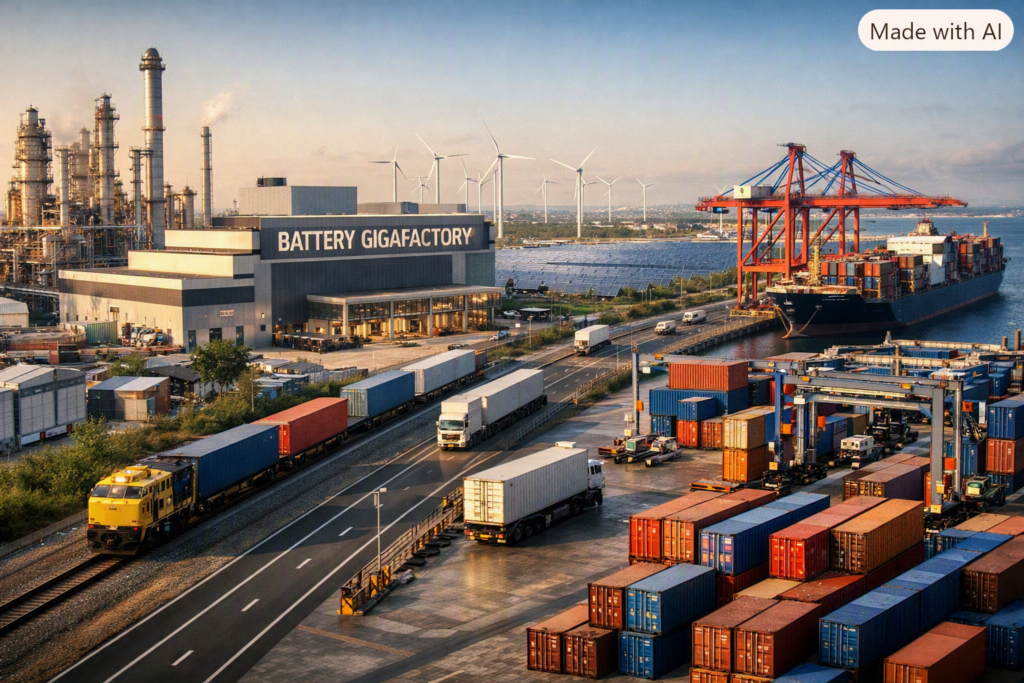
- Strong port infrastructure
- Industrial corridors
- Renewable energy ecosystem
Maharashtra
- India’s automotive manufacturing hub
- Major EV investments
- Skilled workforce
Andhra Pradesh
- Deep-water ports
- Mineral logistics
- Electronics manufacturing ecosystem
- Recent lithium exploration initiatives.
Odisha
- Rich mineral resources
- Established mining industry
- Large metallurgical sector
These locations can reduce logistics costs while supporting domestic battery manufacturing.
India’s Critical Mineral Parks: 4 States, Lithium & Nickel Boom and the EV Revolution
India aims to become one of the world’s largest EV markets.
The country has already launched:
- Production Linked Incentive (PLI)
- Advanced Chemistry Cell (ACC) Scheme
- FAME incentives
- National Critical Mineral Mission
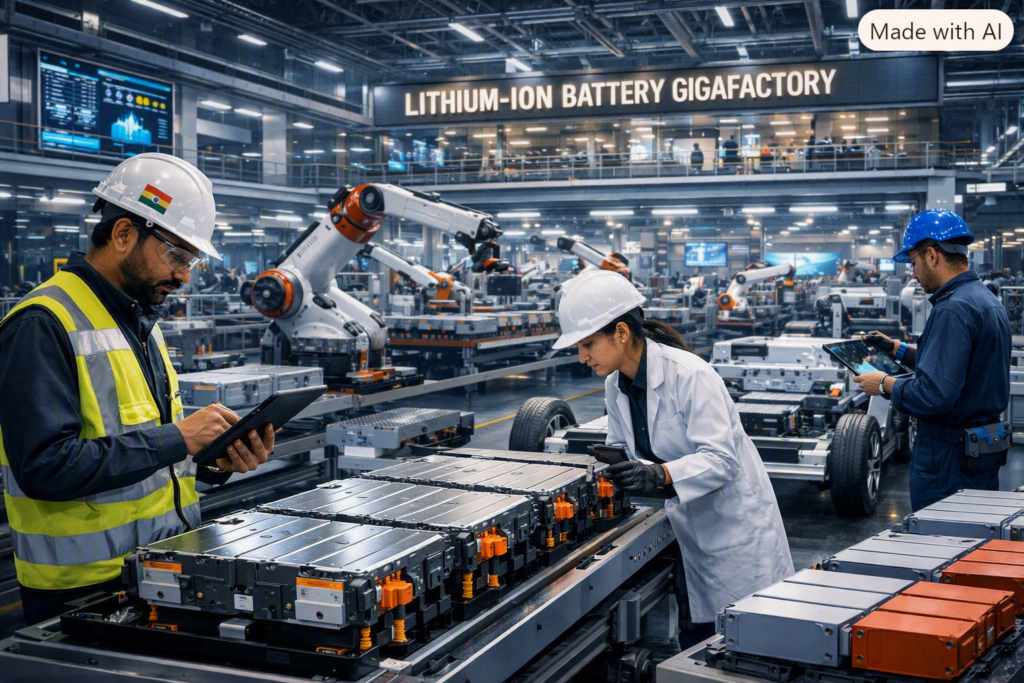
However, battery manufacturing depends heavily on processed lithium and nickel.
The new parks will provide domestic supplies for:
- Electric cars
- Electric scooters
- Electric buses
- Battery Energy Storage Systems
- Grid-scale batteries
This will reduce import costs and improve manufacturing competitiveness.
National Critical Mineral Mission Driving the Transformation
The processing parks are part of India’s broader National Critical Mineral Mission (NCMM).
Major objectives include:
- Domestic exploration
- Overseas mineral partnerships
- Recycling
- Urban mining
- Processing infrastructure
- Research
- Technology development
The mission includes government spending and PSU investment aimed at strengthening India’s critical mineral value chain through 2030-31.
Reducing India’s Dependence on Imports
China currently dominates global processing of lithium and several other critical minerals.
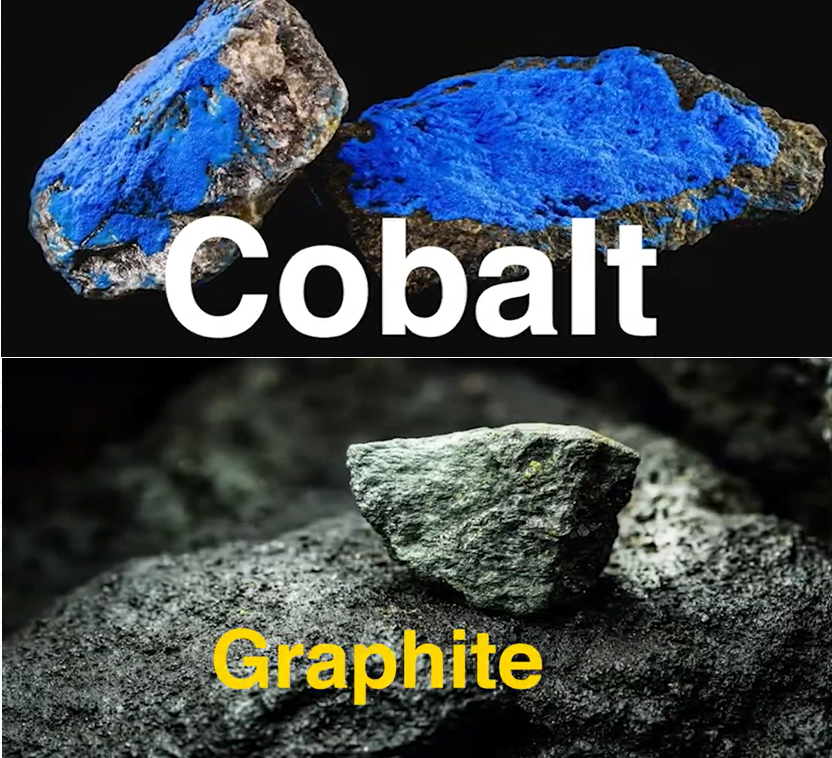
India imports nearly all of its processed:
- Lithium
- Nickel
- Cobalt
- Graphite
The new processing parks seek to reduce these dependencies by creating domestic refining capacity while supporting strategic mineral partnerships abroad.
Economic Benefits of India’s Critical Mineral Parks
The initiative could generate multiple long-term benefits.
Job Creation
Thousands of direct and indirect jobs in:
- Mining
- Processing
- Engineering
- Chemicals
- Logistics
Foreign Investment
Global battery manufacturers may establish facilities near processing parks.
Export Opportunities
India could eventually export refined battery materials instead of importing them.
Industrial Growth
The initiative supports:
- EV manufacturing
- Renewable energy
- Electronics
- Defense manufacturing
- Semiconductor industry
Challenges Ahead
Despite its promise, several challenges remain.
Technology
Advanced refining technologies require significant investment.
Environmental Regulations
Processing facilities must comply with strict sustainability standards.
Capital Investment
Large-scale processing plants require billions in investment.
Skilled Workforce
India must develop expertise in advanced mineral chemistry.
Global Competition
Countries worldwide are investing aggressively in critical minerals.
India’s Critical Mineral Parks: 4 States, Lithium & Nickel Boom:
Global Race for Critical Minerals
Countries including:
- United States
- Australia
- Canada
- Japan
- European Union
- South Korea
are expanding mineral partnerships.
India has also intensified overseas efforts, including discussions around lithium assets in Chile and partnerships with mineral-rich countries.
Strategic Importance Beyond EVs
Critical minerals support:
- Defense systems
- Aerospace
- Artificial Intelligence hardware
- Data centers
- Consumer electronics
- Wind turbines
- Solar panels
- Green hydrogen infrastructure
This makes domestic processing a national security priority.
How India Could Become a Global Critical Mineral Hub
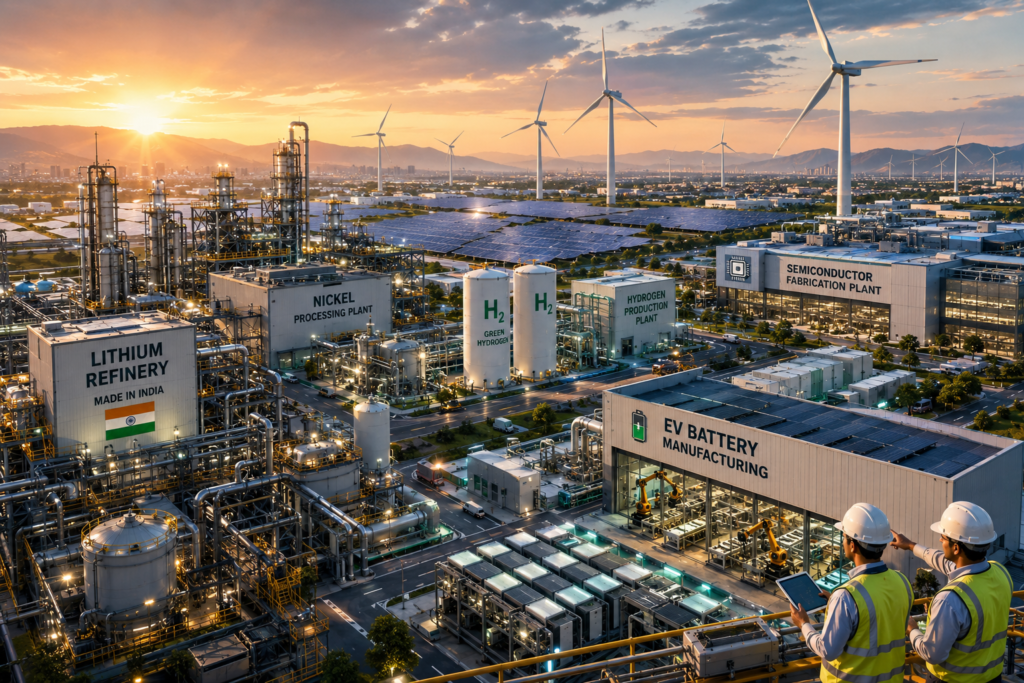
Industry experts believe India has the potential to become a major processing destination because of:
- Large domestic demand
- Skilled engineering talent
- Expanding renewable energy
- Government incentives
- Strategic geographic location
- Growing manufacturing ecosystem
If the processing parks are implemented successfully, India could emerge as a competitive alternative in the global critical minerals supply chain.
India’s Critical Mineral Parks: 4 States, Lithium & Nickel Boom:
Future Outlook
The government’s decision to establish four dedicated processing parks represents a transformational policy shift.
Combined with:
- NCMM
- EV incentives
- Battery manufacturing
- Overseas mineral partnerships
- Recycling initiatives
India is laying the foundation for long-term mineral security.
The success of these parks could determine India’s ability to lead the next generation of clean-energy manufacturing.
Conclusion
India’s Critical Mineral Parks: 4 States, Lithium & Nickel Boom represents far more than a mining initiative. It is a strategic industrial policy designed to strengthen India’s position in electric mobility, renewable energy, advanced manufacturing, and national security. By developing processing parks in Gujarat, Maharashtra, Andhra Pradesh, and Odisha, the country aims to reduce import dependence, create high-value industries, attract global investment, and build a resilient supply chain for the technologies of the future. If executed effectively, the initiative could transform India into a global hub for critical mineral processing and support its ambition of becoming a clean-energy manufacturing powerhouse.
Frequently Asked Questions (FAQs)
1. What are India’s Critical Mineral Parks?
They are proposed processing hubs in Gujarat, Maharashtra, Andhra Pradesh, and Odisha that will refine critical minerals such as lithium and nickel for battery-grade applications.
2. Why are lithium and nickel important?
Both minerals are essential for electric vehicle batteries, renewable energy storage, electronics, and advanced manufacturing.
3. Which four states will host the processing parks?
- Gujarat
- Maharashtra
- Andhra Pradesh
- Odisha
4. What is the National Critical Mineral Mission?
It is India’s long-term strategy to strengthen exploration, processing, recycling, and global partnerships for critical minerals.
5. How will these parks benefit India?
They will reduce imports, support EV manufacturing, create jobs, attract investment, strengthen energy security, and improve India’s competitiveness in global clean-energy supply chains.
MY View:
India’s Critical Mineral Parks: 4 States, Lithium & Nickel Boom– A strategic bet on India’s Industrial Future.
The Govt Of India’s decision to establish four critical minerals processing parks is more than an industrial policy. This strategic move could reshape India’s role in the global clean-energy economy. For years, India has relied heavily on imports of processed lithium, nickel, cobalt, and other battery materials. While the country has rapidly expanded electric vehicle adoption and renewable energy capacity, its dependence on overseas processing has remained a significant vulnerability.
Developing dedicated processing parks in Gujarat, Maharashtra, Andhra Pradesh, and Odisha is a timely response to this challenge. These states already possess strong industrial ecosystems, port connectivity, logistics infrastructure, and manufacturing capabilities that can support a globally competitive mineral-processing industry.
However, building processing facilities is only one part of the solution. India must also invest aggressively in advanced refining technologies, environmental safeguards, skilled workforce development, and research into next-generation battery chemistries. Without world-class technology and sustainable practices, domestic processing could struggle to compete with established global leaders.
Another crucial aspect will be securing long-term supplies of raw minerals. Since India’s domestic reserves of lithium and several other critical minerals are limited, strategic overseas partnerships and investments in mineral-rich countries will remain essential. The government’s National Critical Mineral Mission provides the right framework, but its success will depend on swift execution, policy stability, and effective collaboration between the public and private sectors.
If implemented efficiently, these processing parks could significantly reduce India’s import dependence, strengthen supply-chain resilience, attract global investment, and create thousands of high-value jobs. They would also support India’s ambitions in electric mobility, renewable energy, semiconductor manufacturing, and advanced technologies.
From My perspective, the initiative deserves cautious optimism. The vision is ambitious and strategically sound, but the real test lies in execution. Delays in approvals, infrastructure bottlenecks, financing challenges, or technological gaps could reduce the project’s long-term impact.
Overall, India’s Critical Mineral Parks represent one of the country’s most important industrial initiatives in recent years. If backed by consistent policy support, strong environmental governance, and sustained investment, they have the potential to position India as a major global hub for critical mineral processing and strengthen the nation’s economic and strategic security for decades to come.