
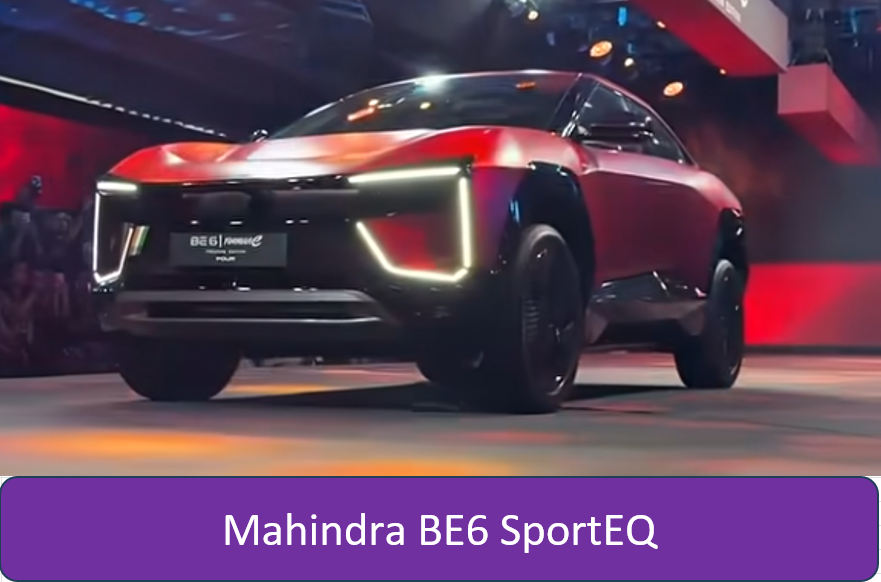
Mahindra BE 6 SPORTEQ: 7 Powerful Features & BaaS Price
Mahindra BE6 SPORTEQ: 7 Powerful Features & BaaS Price is one of the biggest electric SUV stories in India today, with Mahindra introducing a significantly updated version of its electric coupe-SUV on August 15, 2026. The new Mahindra BE6 SPORTEQ range combines a more technology-focused cabin, artificial-intelligence-powered software, a new three-screen cockpit, multiple battery options and a battery as a Service (BaaS) ownership model.
The biggest headline is the starting BaaS Price of ₹11.45 lakh, while the conventional outright purchase price starts at ₹19.45 lakh, both ex-showrooms. Under BaaS, customers pay a seperate battery usage charge of ₹3.75 per kilometre. Deliveries are scheduled to begin on August 26, 2026.
The new model is not only simply a cosmetic special edition. Mahindra has recognised the BE 6 range, added a 70kWh battery option, introduced new software capabilities and redesigned the cockpit on selected variants. The result is a more feature-rich electric SUV aimed at buyers who want performance, technology and a lower initial purchase power.
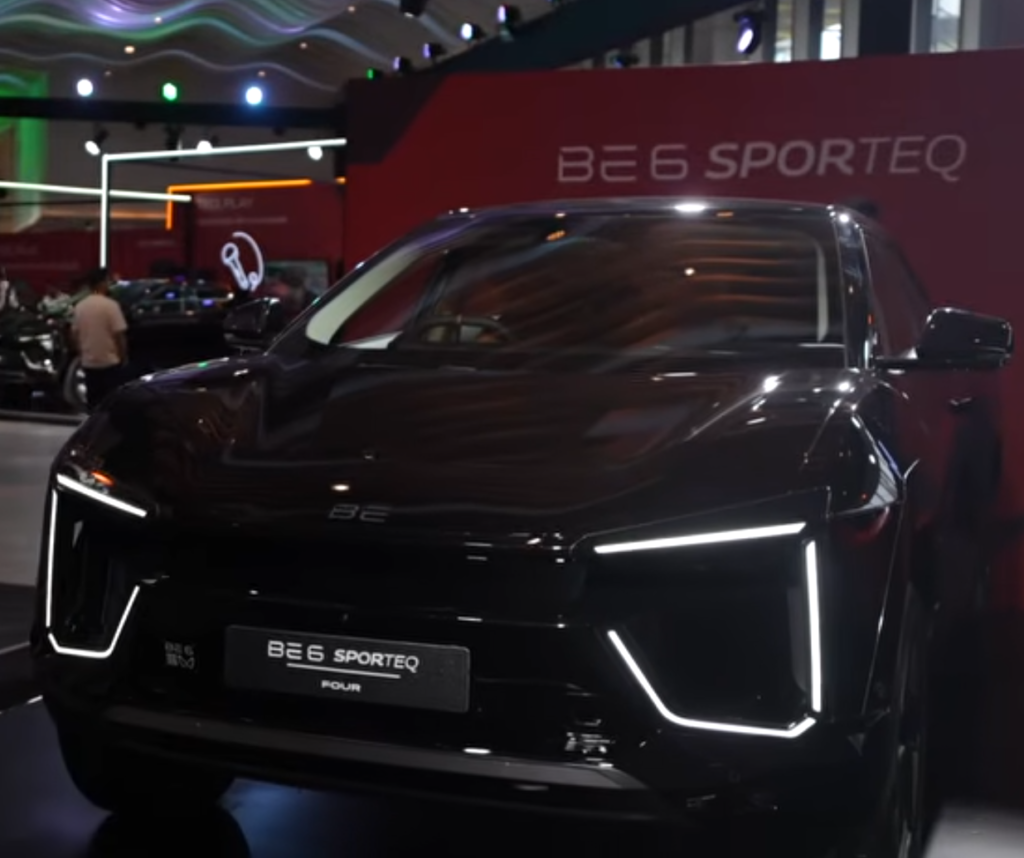
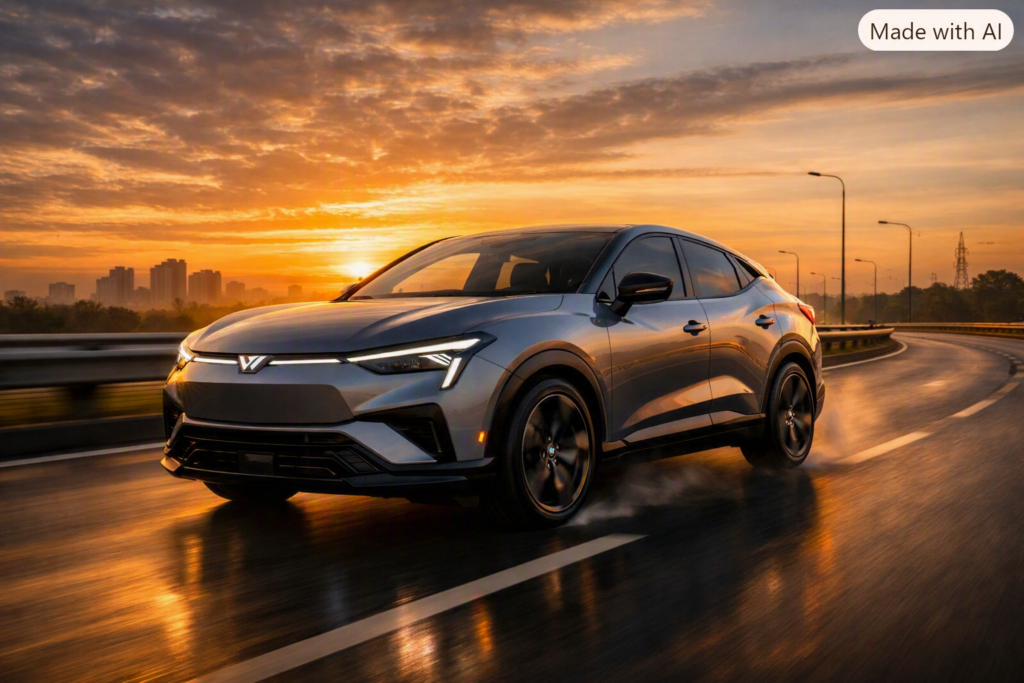
Mahindra BE 6 SPORTEQ Price and BaaS Explained
The biggest attraction of the new Mahindra BE 6 SPORTEQ is its flexible pricing structure.
The standard outright purchase range starts at ₹19.45 lakh and extends up to ₹26.95 lakh ex-showroom. Customers can select between 59kWh, 70kWh and 79kWh battery packs depending on the variant.
For buyers looking to reduce the upfront purchase price, Mahindra has introduced BaaS. The BaaS model is currently available with the 59kWh battery on the ONE and TWO variants.
| Variant | Battery | Outright Price | BaaS Price | Battery Charge |
|---|---|---|---|---|
| ONE | 59kWh | ₹19.45 lakh | ₹11.45 lakh | ₹3.75/km |
| TWO | 59kWh | ₹20.95 lakh | ₹12.95 lakh | ₹3.75/km |
| THREE | 59kWh | ₹21.95 lakh | — | — |
| THREE | 70kWh | ₹22.95 lakh | — | — |
| THREE+ | 70kWh | ₹23.95 lakh | — | — |
| THREE+ | 79kWh | ₹24.95 lakh | — | — |
| FOUR | 79kWh | ₹26.95 lakh | — | — |
| Launch Edition | 79kWh | ₹26.95 lakh | — | — |
Prices are ex-showroom and can vary after applicable taxes, registration, insurance, charger and other charges.
Mahindra BE 6 SPORTEQ: 7 Powerful Features & BaaS Price:
How Does BaaS Work?
Battery as a Service separates the cost of the vehicle from the cost of the battery.
Instead of paying the entire vehicle price upfront, the customer purchases the vehicle at the lower BaaS price and pays a battery usage charge based on kilometres driven. For the BE 6 SPORTEQ, that charge is ₹3.75 per kilometre for the eligible 59kWh variants.
For example, at 1,000km of monthly driving, the battery usage component would work out to approximately ₹3,750 per month, before considering the terms and conditions of the BaaS agreement.
This approach could make premium electric SUVs more accessible to buyers who are more concerned about upfront cost than total ownership cost.
Mahindra BE 6 SPORTEQ: 7 Powerful Features & BaaS Price:
7 Powerful Mahindra BE 6 SPORTEQ Features
The new electric SUV gets several technology and convenience upgrades. Here are the seven most important features that could define the SPORTEQ experience.
1. Three-Screen Coast-to-Coast Cockpit
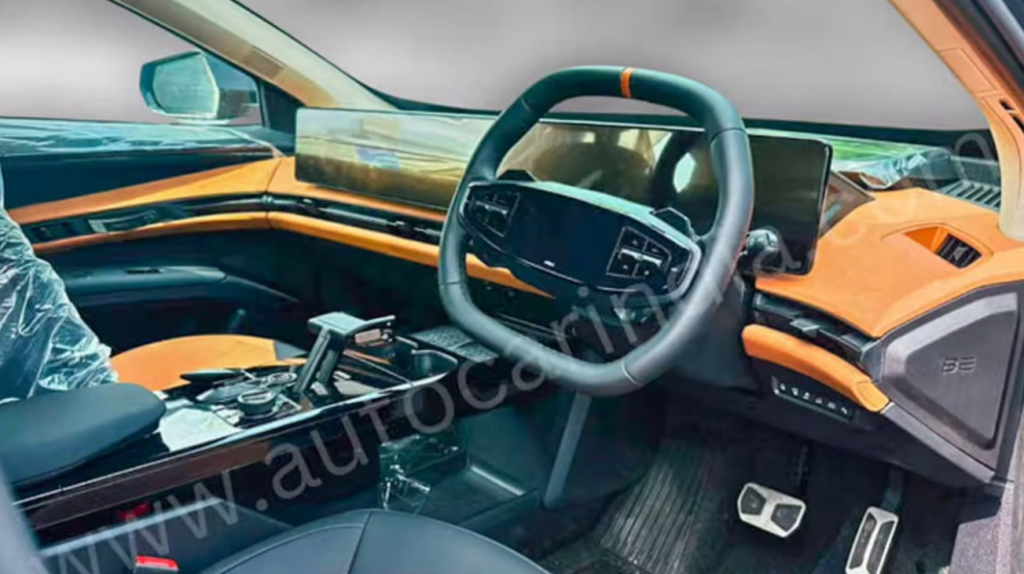
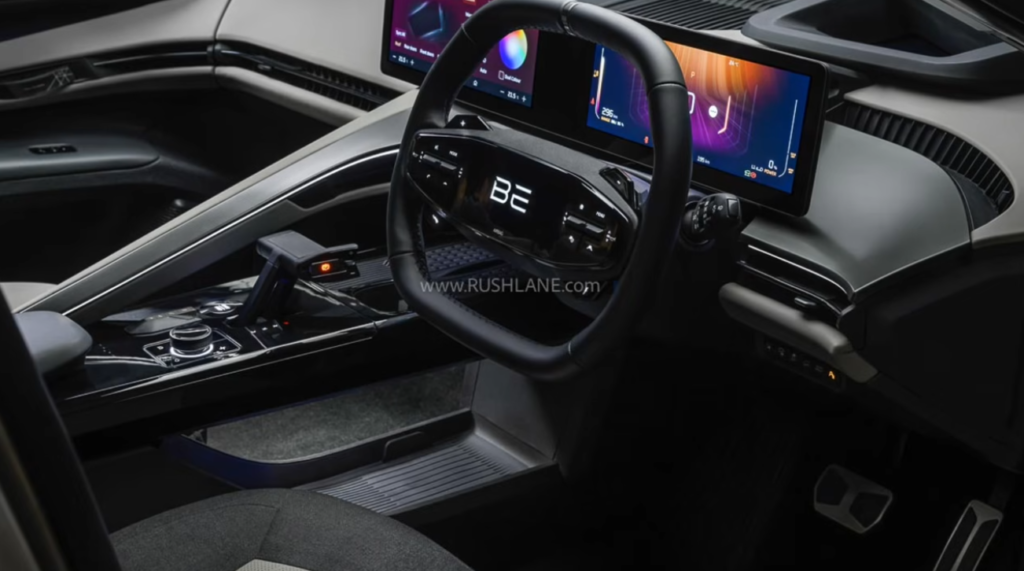
One of the most visible changes is the introduction of a three-screen dashboard on higher variants.
The new layout stretches across the dashboard and gives the cabin a more modern, digital appearance. According to reports, the revised design also improves access to storage areas, the wireless charger and USB Type-C connectivity compared with the previous dashboard arrangement.
The ONE variant retains a two-screen layout, while the TWO and higher regular SPORTEQ variants receive the new three-screen arrangement.
This is more than a visual upgrade because modern EV buyers increasingly expect the dashboard to function like a connected digital device.
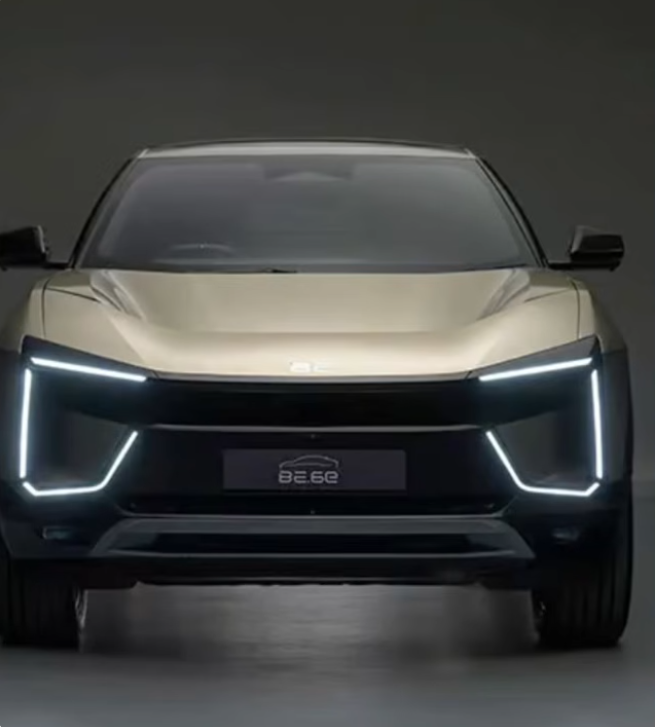
2. Google Gemini-Powered AI Assistant
Artificial intelligence is another major highlight.
The SPORTEQ introduces TEQ_Talk, which uses Google Gemini technology and Mahindra’s AI architecture to deliver conversational interactions with the vehicle. Reports indicate that the system integrates numerous specialised AI agents and supports a wide range of vehicle, navigation, entertainment and information functions.
Instead of relying exclusively on traditional menu-based controls, drivers can interact with the vehicle more naturally.
Potential applications include:
- Navigation assistance
- Vehicle controls
- Music
- News
- Conversational interaction
- Connected functions
- Personalised recommendations
This makes the BE 6 SPORTEQ an example of the growing shift from connected cars to software-defined vehicles.
3. Six TEQ Technology Suites
Mahindra has also introduced six new TEQ technology suites designed around entertainment, communication, personalisation and vehicle interaction.
TEQ_Talk is focused on AI-powered conversational functionality, while TEQ_Play is aimed at in-car entertainment. Reported features include karaoke, gaming, Private Audio, Dolby Vision, Dolby Atmos and other entertainment functions.
This approach makes the vehicle more than a conventional means of transportation.
The concept is particularly relevant for younger EV buyers who expect their vehicles to provide a connected digital experience similar to smartphones and smart-home ecosystems.
4. Drift Mode and Acceleration Boost
Performance remains an important part of the BE 6 identity.
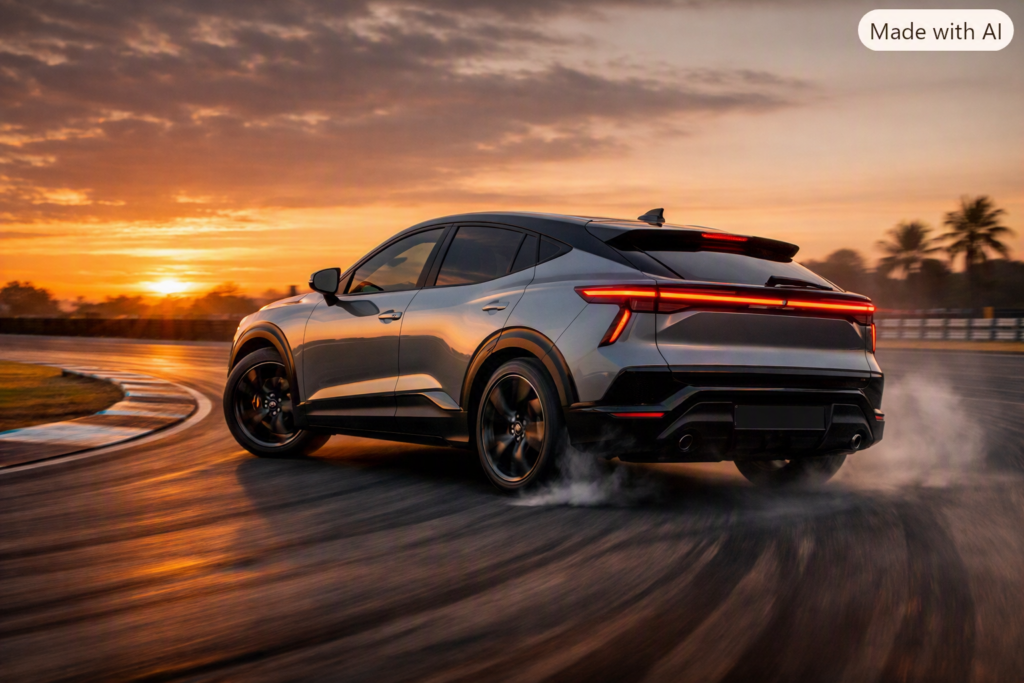
The SPORTEQ continues the rear-wheel-drive configuration and offers multiple driving modes. Reports also highlight features such as Drift Mode and Acceleration Boost, adding a more performance-oriented character to the electric SUV.
Electric motors are naturally capable of delivering instant torque, and a rear-wheel-drive configuration can make the vehicle more engaging for enthusiastic drivers.
The availability of performance-focused software also demonstrates how EV manufacturers can use software to change the driving character without fundamentally changing the hardware.
5. Digital Car Key
The Digital Car Key is another important technology feature.
Rather than relying solely on a conventional physical key, compatible devices can be used to access the vehicle. This reflects the wider automotive industry’s movement towards smartphone-based vehicle access.
Digital keys can also make vehicle sharing more convenient because access can potentially be provided through compatible connected devices, depending on the final configuration and software ecosystem.
For technology-focused buyers, this is an important convenience feature that complements the BE 6 SPORTEQ’s software-first positioning.
6. Premium Entertainment and Connected Cabin
The SPORTEQ retains several premium cabin features associated with the BE 6, including a Harman Kardon audio system, panoramic glass roof, ventilated front seats, dual-zone climate control, wireless Apple CarPlay and Android Auto and a 360-degree camera.
This combination positions the SUV as a lifestyle-oriented EV rather than simply an economical electric vehicle.
The entertainment package is especially interesting because the vehicle can combine high-quality audio with connected apps, gaming and karaoke-related functions.
For families, the rear passengers and front passenger can benefit from the cabin’s digital environment while the driver gets access to vehicle and navigation functions.
7. Personalisation and New Design Choices
The seventh major feature is personalisation.
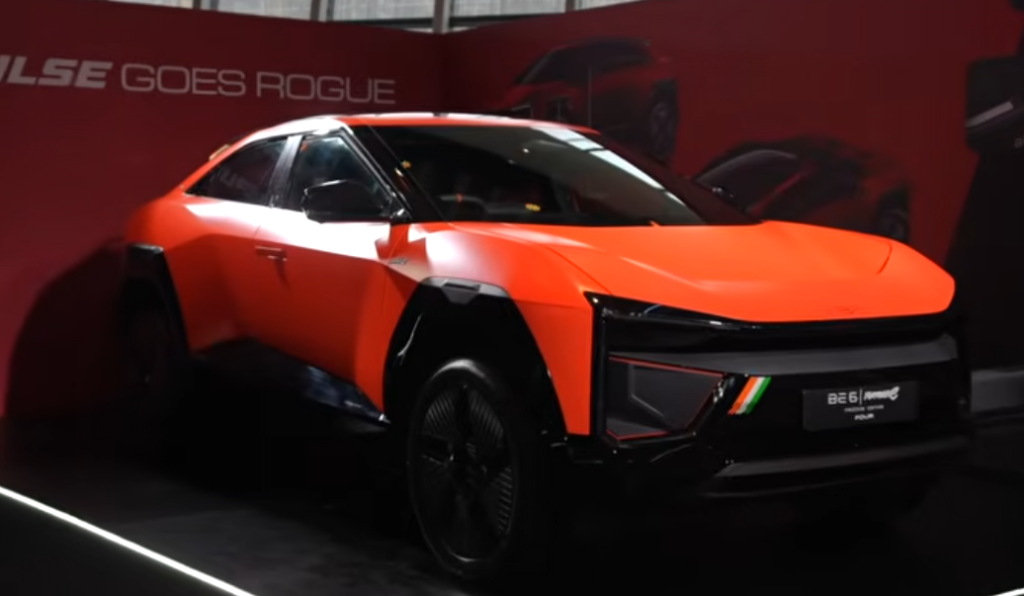
The SPORTEQ introduces new colours and distinctive exterior badging. Reports identify new shades including Ruby Velvet and Graphite Storm, while the wider range also includes other new or special colour combinations.
The Launch Edition receives an exclusive Racing Tan interior theme, giving it a more premium and distinctive appearance.
The tailgate can also display custom messages, adding another layer of personalisation to the vehicle.
Mahindra BE 6 SPORTEQ: 7 Powerful Features & BaaS Price at a Glance
At the middle of the article, the Mahindra BE 6 SPORTEQ: 7 Powerful Features & BaaS Price story becomes clearer: Mahindra is combining three major strategies—lower entry pricing, more technology and greater personalisation.
The most important highlights are:
- BaaS starting price of ₹11.45 lakh
- ₹3.75/km battery usage charge
- 59kWh, 70kWh and 79kWh battery options
- Three-screen coast-to-coast cockpit
- Google Gemini-powered TEQ_Talk
- Six TEQ technology suites
- Drift Mode and Acceleration Boost
- Digital Car Key
- Premium Harman Kardon audio
- New colours and Racing Tan interior
- Deliveries from August 26, 2026
The combination gives Mahindra a strong technology-led proposition in the premium electric SUV market.
Battery Options and Expected Range
The new range is offered with three battery capacities: 59kWh, 70kWh and 79kWh.
The introduction of the 70kWh battery is particularly significant because it creates a middle option between the smaller 59kWh and larger 79kWh packs.
The existing BE 6 platform is known for offering substantial range figures, with Mahindra’s official product information highlighting the 79kWh version and more than 500km of real-world range.
However, buyers should distinguish between certified range figures and real-world range. Actual range depends on:
- Driving speed
- Weather
- Air-conditioning usage
- Traffic
- Driving style
- Passenger load
- Wheel and tyre configuration
- Battery temperature
- Terrain
For long-distance users, the 79kWh option is likely to remain the most attractive choice, while the 59kWh version could make more sense for urban users seeking a lower purchase price.
Charging Technology
Charging remains a critical consideration when buying an electric SUV.
The BE 6 platform supports fast charging, and Mahindra has positioned its electric SUV range around high-speed charging capability. Official BE 6 information highlights DC fast-charging capability and substantial charging performance.
For EV buyers, charging should be evaluated alongside battery capacity.
A larger battery provides greater energy storage, but home charging habits, workplace charging access and public fast-charging infrastructure can be equally important.
A buyer who drives primarily in the city and has home charging may find the 59kWh battery sufficient. Someone frequently travelling between cities may prefer the 79kWh version for greater flexibility.
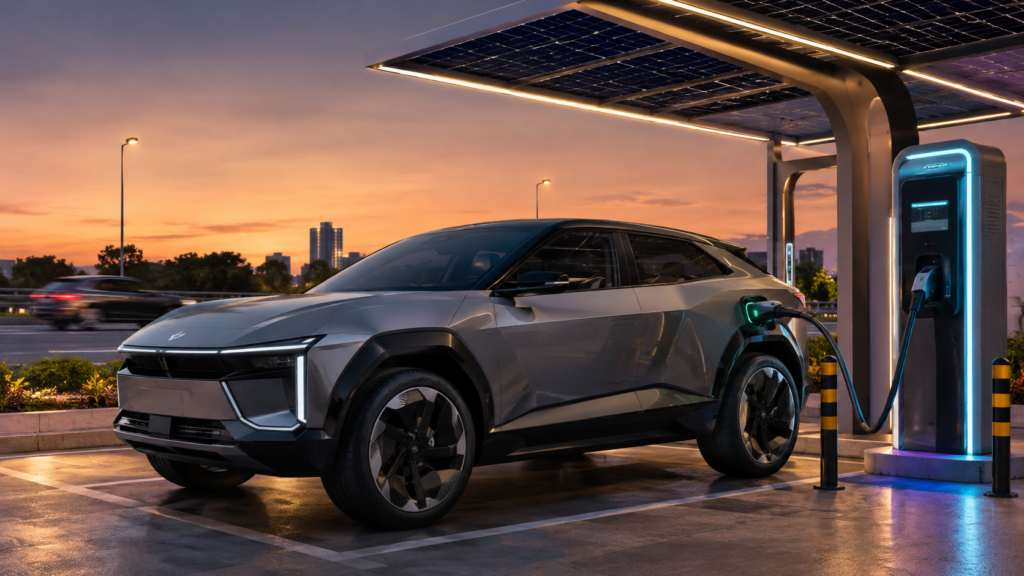
Design and Exterior Styling
The BE 6 has always stood out because of its dramatic coupe-SUV design, and the SPORTEQ retains that fundamental character.
Its sharp body lines, high shoulder line, aerodynamic profile and aggressive front-end styling give it a distinctive road presence.
The SPORTEQ identity is reinforced through new badging and colour options.
Rather than completely redesigning the vehicle, Mahindra has concentrated on making the existing design more personalised and technology focused.
This strategy allows the company to retain the BE 6’s established visual identity while giving new buyers reasons to choose the updated version.
Interior and Practicality
The revised interior is one of the most important changes.
The new three-screen layout improves the visual connection between the driver, central infotainment system and passenger-side display.
Mahindra has also revised the centre console to improve storage and make frequently used areas easier to access. This addresses a practical aspect that is sometimes overlooked when manufacturers focus heavily on technology.
The combination of ventilated seats, dual-zone climate control, panoramic glass roof and premium audio gives the cabin an upscale character.
For daily driving, however, usability will depend not only on the screens but also on physical controls, storage, visibility and the learning curve associated with the new software.
Safety and Driver Assistance
The BE 6 platform has been positioned as a technologically advanced electric SUV and carries a broad suite of safety and driver-assistance equipment.
The existing equipment list includes ADAS and a 360-degree camera, alongside other safety systems.
ADAS can help support drivers in situations such as highway travel and traffic monitoring, but these systems should not be considered replacements for attentive driving.
The 360-degree camera can be particularly useful in urban environments where tight parking spaces, crowded streets and obstacles make manoeuvring difficult.
Mahindra BE 6 SPORTEQ: 7 Powerful Features & BaaS Price:
Mahindra BE 6 SPORTEQ Variants
The SPORTEQ range includes multiple variants designed to cover different price points and equipment levels.
The reported lineup includes:
- ONE
- TWO
- THREE
- THREE+
- FOUR
- Launch Edition
- Formula E Freedom Edition
- Formula E Freedom Edition Four
The range combines the 59kWh, 70kWh and 79kWh battery options across different versions.
The Formula E Freedom Edition takes a different approach, retaining the earlier two-screen cockpit and distinctive halo-style dashboard design while offering its own performance-oriented identity.
Mahindra BE 6 SPORTEQ vs Regular BE 6
The SPORTEQ should be viewed as an evolution of the BE 6 rather than a completely new electric SUV.
The biggest changes include:
| Feature | BE 6 SPORTEQ | Earlier BE 6 |
| Three-screen cockpit | Yes, selected variants | No |
| 70kWh battery | Yes | No |
| BaaS | Yes | No |
| Google Gemini integration | Yes | Earlier setup |
| TEQ technology suites | Yes | No |
| New exterior colours | Yes | Existing palette |
| Racing Tan Launch Edition | Yes | No |
| Digital Car Key | Yes | Enhanced ecosystem |
| Drift Mode | Yes | Performance software evolution |
| 59/70/79kWh options | Yes | 59/79kWh |
The new model therefore focuses heavily on software, cabin usability and ownership flexibility.
Is the ₹11.45 Lakh BaaS Price Really Attractive?
The headline ₹11.45 lakh price is certainly eye-catching.
However, buyers should understand that it is not the complete cost of owning the vehicle. The BaaS price covers the vehicle portion, while the battery is accessed through a separate usage-based payment.
At ₹3.75 per kilometre, higher annual driving means a higher battery-related expense.
For example:
- 500 km/month = ₹1,875 battery charge
- 1,000 km/month = ₹3,750 battery charge
- 1,500 km/month = ₹5,625 battery charge
- 2,000 km/month = ₹7,500 battery charge
These are simple calculations based on the reported ₹3.75/km rate and do not include electricity, financing, insurance, maintenance or other ownership expenses.
Therefore, BaaS could be especially interesting for buyers who want to reduce their upfront capital requirement, but they should compare the long-term cost against outright ownership before choosing.
Who Should Buy the Mahindra BE 6 SPORTEQ?
The SPORTEQ could appeal to several types of buyers.
Urban EV Buyers
People who primarily drive in cities may appreciate the smaller battery option and the lower BaaS entry price.
Technology Enthusiasts
The three-screen dashboard, AI assistant, connected functions and digital key make the vehicle attractive to buyers who prioritise technology.
Performance Enthusiasts
Rear-wheel drive, multiple drive modes, Drift Mode and Acceleration Boost give the SUV a sportier character.
Premium EV Buyers
The panoramic roof, ventilated seats and Harman Kardon audio system strengthen its premium positioning.
Buyers Concerned About Upfront Cost
The BaaS model allows customers to access the BE 6 SPORTEQ with a substantially lower initial vehicle price.
Who Should Consider the 79kWh Version?
The 79kWh version makes the most sense for buyers who regularly undertake longer journeys.
Its larger battery provides greater energy storage and can reduce the frequency of charging stops, although actual range depends on driving conditions.
For someone travelling long distances every week, the additional battery capacity may be worth the higher purchase price.
For someone commuting 30–50km per day with reliable home charging, however, the 59kWh battery may provide a more economical proposition.
Mahindra BE 6 SPORTEQ: 7 Powerful Features & BaaS Price:
Delivery Date and Availability
Mahindra has announced that deliveries of the new SPORTEQ range will begin on August 26, 2026.
The launch gives Mahindra an opportunity to build on the BE 6’s existing position in India’s rapidly developing electric SUV market.
The company is also extending some of the new SPORTEQ technology features to existing Mahindra EV models, indicating that the software platform could become an important part of its broader electric vehicle strategy.
Mahindra BE 6 SPORTEQ: 7 Powerful Features & BaaS Price — Final Verdict
The Mahindra BE 6 SPORTEQ: 7 Powerful Features & BaaS Price package represents a significant upgrade in terms of technology and ownership flexibility.
The headline ₹11.45 lakh BaaS starting price is likely to attract the most attention, but the real story is broader. Mahindra has added a three-screen cockpit, Google Gemini-powered AI functionality, six TEQ technology suites, digital key capability, performance-oriented software and additional personalisation options.
The conventional purchase price starts at ₹19.45 lakh, while the range extends to ₹26.95 lakh ex-showroom. The availability of 59kWh, 70kWh and 79kWh batteries also gives customers more choice.
The BaaS model is potentially the most disruptive part of the package. By separating the initial vehicle cost from battery usage, Mahindra is attempting to make a premium electric SUV accessible to a wider group of customers.
However, buyers should not choose the BaaS option solely because of the ₹11.45 lakh headline. The ₹3.75/km battery charge, financing costs, insurance, charging expenses and long-term ownership period should all be included in a total-cost calculation.
Overall, the SPORTEQ strengthens Mahindra’s electric SUV strategy by combining design, performance, AI, entertainment and flexible ownership in one package. With deliveries starting August 26, 2026, the model will be one of the most closely watched electric SUV launches in India’s premium EV segment.
Mahindra BE 6 SPORTEQ: 7 Powerful Features & BaaS Price:
Frequently Asked Questions (FAQs)
1. What is the Mahindra BE 6 SPORTEQ price?
The Mahindra BE 6 SPORTEQ starts at ₹19.45 lakh ex-showroom for outright purchase. Under the BaaS model, the starting vehicle price is ₹11.45 lakh, with a separate battery usage charge.
2. What is the Mahindra BE 6 SPORTEQ BaaS price?
The BaaS price starts at ₹11.45 lakh for the 59kWh ONE variant. The battery usage charge is ₹3.75 per kilometre. The TWO variant is reported at ₹12.95 lakh under BaaS.
3. What is BaaS in the Mahindra BE 6 SPORTEQ?
BaaS stands for Battery as a Service. Instead of purchasing the battery as part of the upfront vehicle cost, customers pay a separate usage charge based on kilometres driven.
4. How much is the BE 6 SPORTEQ battery charge?
The reported battery usage charge is ₹3.75 per kilometre for the eligible BaaS variants.
5. What battery options are available?
The Mahindra BE 6 SPORTEQ is offered with 59kWh, 70kWh and 79kWh battery options.
6. Does the BE 6 SPORTEQ have a three-screen dashboard?
Yes. Selected SPORTEQ variants feature a new three-screen coast-to-coast cockpit, while the ONE variant retains a two-screen configuration.
7. Does the Mahindra BE 6 SPORTEQ use Google Gemini?
Yes. The new TEQ_Talk conversational system uses Google Gemini technology and is designed to support vehicle controls, navigation, music, news and other connected functions.
8. When will BE 6 SPORTEQ deliveries start?
Mahindra has announced that deliveries will begin on August 26, 2026.
9. What are the key features of the BE 6 SPORTEQ?
Key features include the three-screen cockpit, Google Gemini-powered AI, TEQ technology suites, Digital Car Key, Drift Mode, Acceleration Boost, panoramic glass roof, ventilated seats, Harman Kardon audio and 360-degree camera.
10. Is the Mahindra BE 6 SPORTEQ worth considering?
For buyers seeking a premium electric SUV with advanced software, distinctive styling, strong performance and a lower BaaS entry price, the SPORTEQ is an interesting option. However, buyers should compare the long-term BaaS cost with outright battery ownership before making a decision.
My View:
Mahindra BE 6 SPORTEQ: 7 Powerful Features & BaaS Price: strengthens its position in India’s premium EV market with a compelling mix of advanced technology, a three-screen cockpit, AI features and BaaS pricing. The ₹11.45 lakh BaaS entry price makes it more accessible, while the new features add strong value for tech-focused EV buyers.