
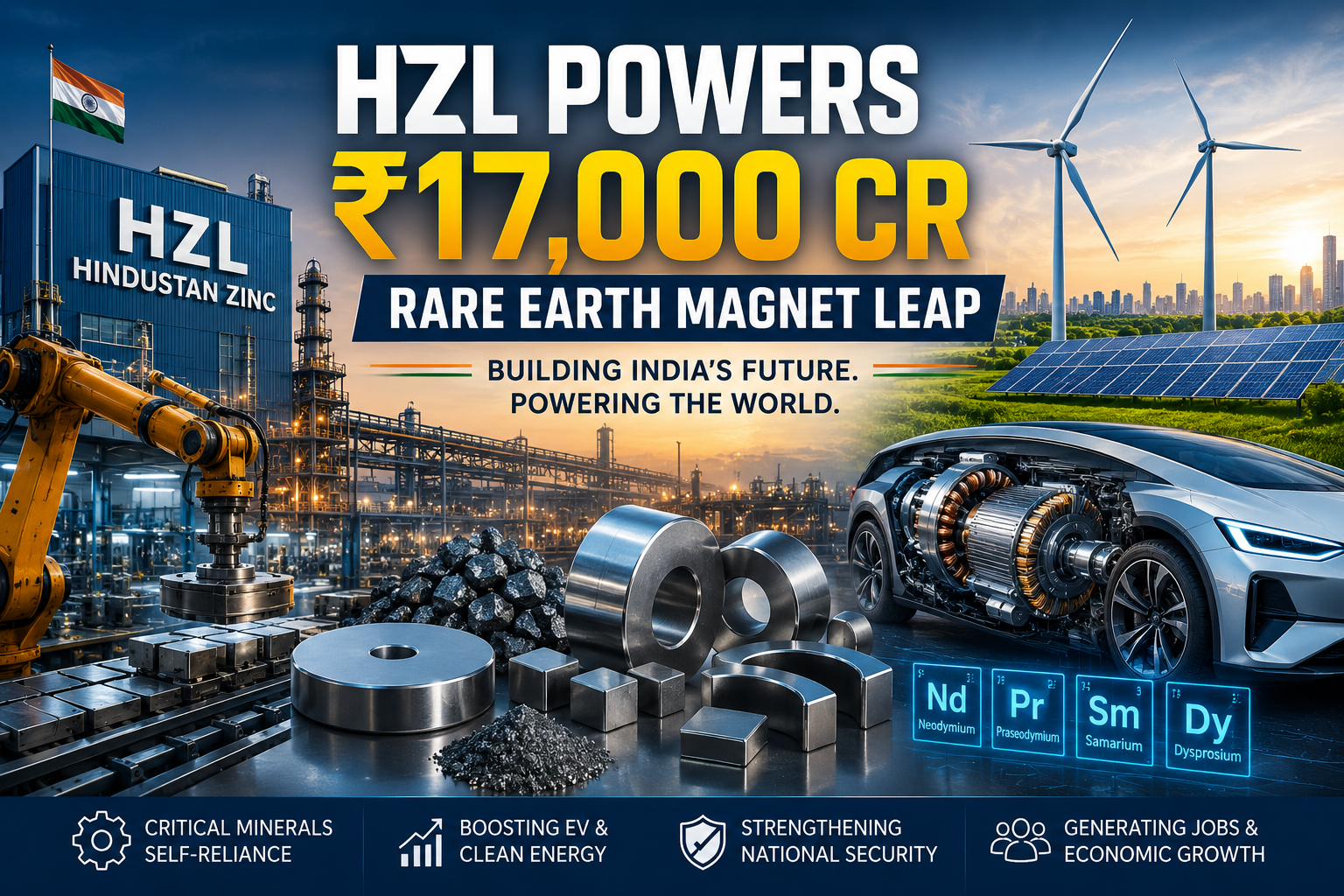
HZL Powers ₹17,000 Cr Rare Earth Magnet Leap
Introduction
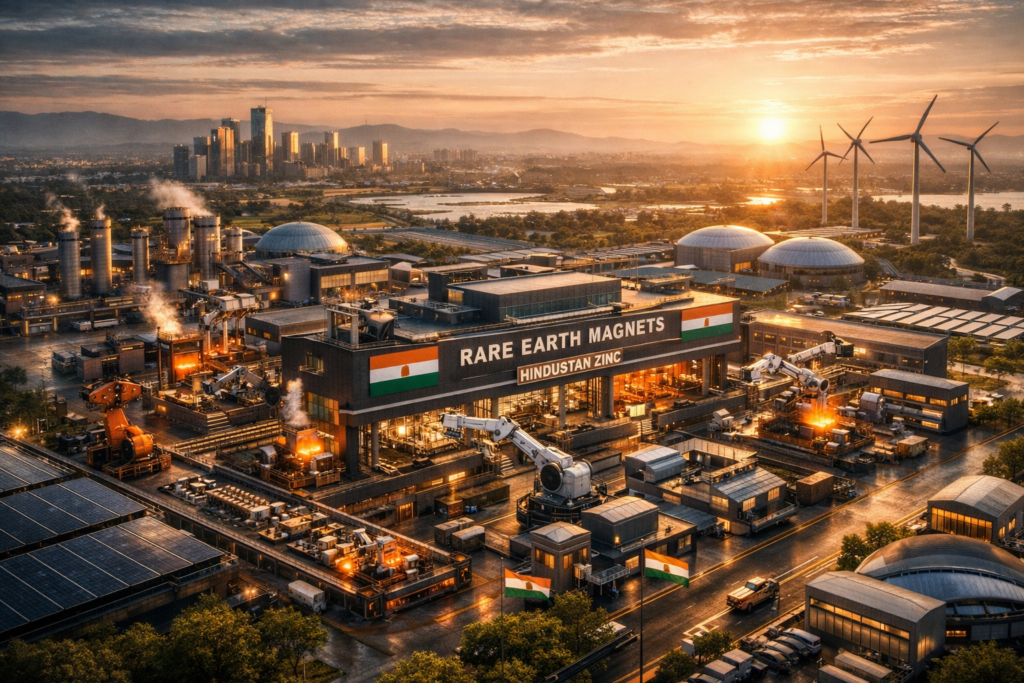
Hindustan Zinc Ltd has approved ₹17,000 crore for the expansion of the company with a focus on rare earth magnet manufacturing. The HZL has secured a rare earth block in Uttar Pradesh. It is capable of producing neodymium, essential for the use in electrical vehicle and clean energy technology. CEO Arun Mishra said Hindustan Zinc Ltd will also bid in govt. auctions for magnet production to move further up for value chain.
He also added in future greater demand for electromagnets will increase as more electric vehicles demand increases. This will boost India independently as there is no domestic production for these minerals.
Why this matters for India:
As we know in global level, industries are racing to reduce dependence on imported rare earth materials, this ambitious investment signal’s India’s determination to become a major player in global supply chain. Hindustan Zinc Ltd aligns with India’s Critical Mineral Mission and for self-reliance in strategic resources. Hindustan Zinc Ltd secures blocks in Rajasthan for Potash, tungsten in Andhra Pradesh, and rare earth elements in Uttar Pradesh. Successful potash exploration makes Hindustan Zinc Ltd the first producer in india and reducing import dependence.
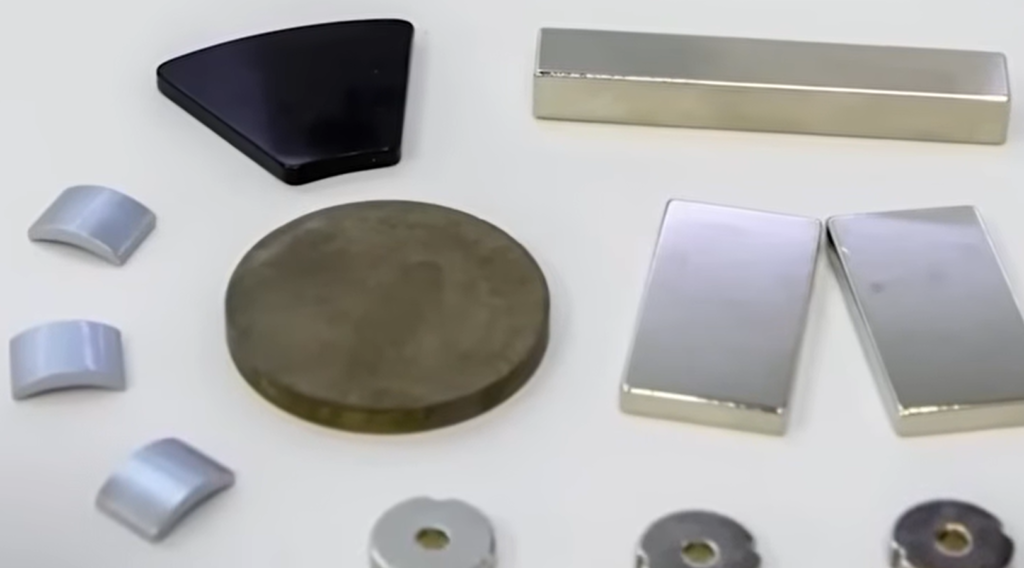
Rare earth magnets are the most important materials in the modern economy. They are used to power electric vehicles, wind turbines, smartphones, robotics, aerospace Industries, defence industries, consumer electronics and many more applications. As the demand increase rapidly worldwide, countries are heavily investing billions of dollars to secure domestic production capacities and to reduce dependency on imports.
For Hindustan Zinc Limited (HZL), this is a new chapter beyond traditional mining’s. It contributes to the company’s aim to diversify its portfolio while giving shape for future in India’s economy.
This article explores detail analysis of the project, from investment details to technology, employment generation, strategic significance, employment generation, environmental considerations, and future prospects.
Key Highlights
- ₹17,000 crore invetment in India’s rare earth magnet ecosystem.
- Major boost for domestic critical mineral processing.
- Supports India’s electric vehicle manufacturing ambitions.
- Strengthens renewable energy supply chains.
- Reduce dependency on imports.
- Creates thousands of direct and indirect jobs.
- Supports Make in India initiative.
- Positions India as a future global supplier.
- Encourages high-tech manufacturing investments.
India’s Growing Need for Rare Earth Magnets
India’s transition toward clean energy has been dramatically increased demand for permanent magnets.
Following sectors are driving this demand:
Electric Mobility
India’s mission is to become one of the world’s largest electric vehicle manufacturing and markets. Every EV vehicle requires permanent magnet components in traction motors, steering systems, sensors and auxiliary equipment.
As EV production increases, domestic magnet manufacturing also increases significantly.
Renewable Energy Expansion
India continues investing heavily in renewable energy infrastructure.
Large scale wind farms require high-performance generators that depend on permanent magnets capable of operating under challenging environmental conditions.
The HZL Powers ₹17,000 Cr Rare Earth Magnet investment project could play a crucial role in the supporting of these requirements.
Electronics Manufacturing
India’s electronics manufacturing industry is expanding rapidly under Production-Linked Incentive (PLI) schemes.
Domestic magnet production could reduce dependence on imports while supporting manufacturers which producing:
- Smartphones
- Consumer electronics
- Industrial equipments
- Automotive electronics
- Telecom infrastructure
Defence Industries
National security is the prime objective of any country, and it depends on advanced materials.
Permanent magnets are critical components in:
- Missile systems
- Naval propulsion
- Fighter aircraft
- Drones
- Radar Systems
- Space Technologies
Because of domestic production India becomes autonomy in defecne.
Global Rare Earth Supply Chain Challenges-
Major problems include:
- Limited geographical concentration of production
- Export restrictions
- Price volatility
- Geopolitical tensions
- Supply chain disruptions
- Increasing industrial demand
- Raw material dependence – India imports 80-90% of rare earth oxides, may cause disterbunce in supply chain.
- Heavy rare earths like dysprosium and terbium, are critical for high temperature magnets, import from China.
- Technology Bottlenecks – Manufacturing sintered NdFeB magnets require advanced powder metallurgy, oxygen controlled processing and precision heat treatment.
These challenges have encouraged many countries to diversify their supply chain sources and establish domestic production capabilities.
India’s investment through Hindustan Zinc Limited (HZL) powers ₹17,000 crore Rare Earth Magnet leap initiative reflects this global trend towards supply chain resilience.
Geopolitical Risks;
- China has tightened export restrictions on rare earth processing equipment, raising costs and complicating India’s plans.
- Alternative sourcing from Germany or Japan is possible but significantly more expensive.
Policy & Incentive Gaps
- India’s ₹7,280 crore PLI scheme offers subsidies and incentives, but industry experts argue it lacks sovereign loan guarantees and stronger capital support.
- Bid deadlines have been extended multiple times, reflecting industry hesitation and complexity.
Risk Comparison Table
| Challenge | Impact on HZL | Severity |
|---|---|---|
| Raw material dependence | Vulnerability to supply shocks, reliance on imports | High |
| Technology bottlenecks | Delays in scaling, risk of poor quality output | High |
| Geopolitical risks | Rising costs, restricted access to equipment | High |
| Policy gaps | Limited financial attractiveness, slower adoption | Medium |
Strategic Implications
- Execution Delays: Supplier qualification in automotive and defense sectors can take 12–24 months, slowing revenue generation.
- Cost Escalation: Importing technology and equipment from non-Chinese sources could push project costs significantly higher.
- National Security: Dependence on China for heavy rare earths poses risks for defense applications.
The Technology Behind Rare Earth Magnets
Understanding the significance of the HZL Powers ₹17,000 Cr Rare Earth Magnet Leap requires a closer look at the technology behind permanent rare earth magnets.
Unlike conventional ferrite magnets, rare earth magnets deliver significantly higher magnetic strength while occupying much less space. This makes them indispensable in compact, high-performance devices where efficiency, durability, and reliability are critical.
The two most widely used categories include:
1. Neodymium-Iron-Boron (NdFeB) Magnets
These are considered the strongest permanent magnets available commercially.
Their applications include:
- Electric vehicle traction motors
- Industrial robots
- Wind turbine generators
- Drones
- Consumer electronics
- Medical equipment
- Aerospace technologies
Because of their exceptional power-to-weight ratio, NdFeB magnets dominate modern electric mobility and renewable energy systems.
2. Samarium-Cobalt (SmCo) Magnets
These magnets offer excellent resistance to heat and corrosion.
Typical applications include:
- Aircraft engines
- Defence electronics
- Missile guidance systems
- Spacecraft
- High-temperature industrial machinery
Although more expensive than neodymium magnets, they remain essential for mission-critical applications.
Why Manufacturing Rare Earth Magnets Is Challenging
Producing high-performance magnets is far more complex than mining ores.
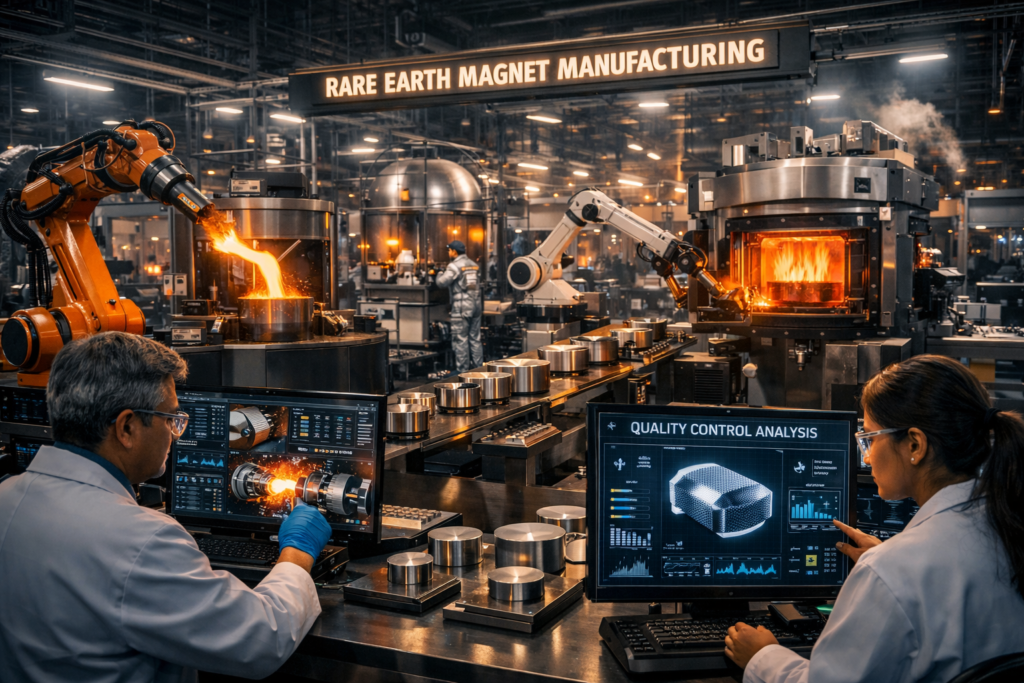
The manufacturing process typically involves:
Mining and Beneficiation
Rare earth-bearing ores are extracted and concentrated.
Chemical Separation
Individual rare earth elements are separated through sophisticated chemical processing.
Refining
The separated materials are purified into high-purity oxides or metals.
Alloy Production
Engineers create specialized alloys tailored to different industrial applications.
Powder Metallurgy
The alloys are converted into fine powders before being pressed into precise shapes.
Sintering
High-temperature furnaces strengthen the magnetic material while maintaining microscopic structural integrity.
Precision Machining
Each magnet is cut, polished, coated, and tested to exact industrial specifications.
Quality Assurance
Advanced laboratories verify magnetic strength, thermal resistance, corrosion protection, and durability.
The HZL Powers ₹17,000 Cr Rare Earth Magnet Leap aims to build capabilities across these sophisticated manufacturing stages, enabling India to move up the value chain rather than exporting raw materials.
HZL’s Strategic Diversification
Historically, Hindustan Zinc has been recognized as one of India’s leading producers of zinc, lead, and silver. The company’s expertise in large-scale mining, metallurgy, and industrial processing provides a strong foundation for expanding into critical minerals and advanced materials.
The HZL Powers ₹17,000 Cr Rare Earth Magnet Leap represents a strategic diversification that aligns with global industrial trends.
Key strategic advantages include:
- Leveraging existing metallurgical expertise
- Expanding into high-value manufacturing
- Reducing dependence on commodity price cycles
- Building long-term revenue streams
- Supporting India’s strategic industrial priorities
Rather than remaining solely a mining company, HZL is positioning itself as an advanced materials enterprise capable of serving future-oriented industries.
Economic Impact on India
A ₹17,000 crore investment has implications that extend far beyond a single company.
Strengthening GDP Growth
Large industrial projects contribute to economic expansion through:
- Capital expenditure
- Manufacturing output
- Infrastructure development
- Employment generation
- Export growth
As production scales, the multiplier effect can stimulate activity across mining, logistics, engineering, construction, research, and services.
Import Substitution
India currently imports significant quantities of rare earth magnets used in:
- Electric vehicles
- Consumer electronics
- Renewable energy systems
- Industrial machinery
- Defence equipment
Domestic production can lower import bills, improve supply security, and reduce exposure to global price volatility.
Export Opportunities
Global demand for rare earth magnets is rising rapidly.
https://currentaffairsatoz.com/pax-silica-indias-role-in-critical-mineral-supply-chains/
If India develops competitive manufacturing capabilities, it could supply markets in:
- Europe
- Southeast Asia
- Middle East
- Africa
- North America
This diversification would strengthen India’s position in global manufacturing and support long-term export growth.
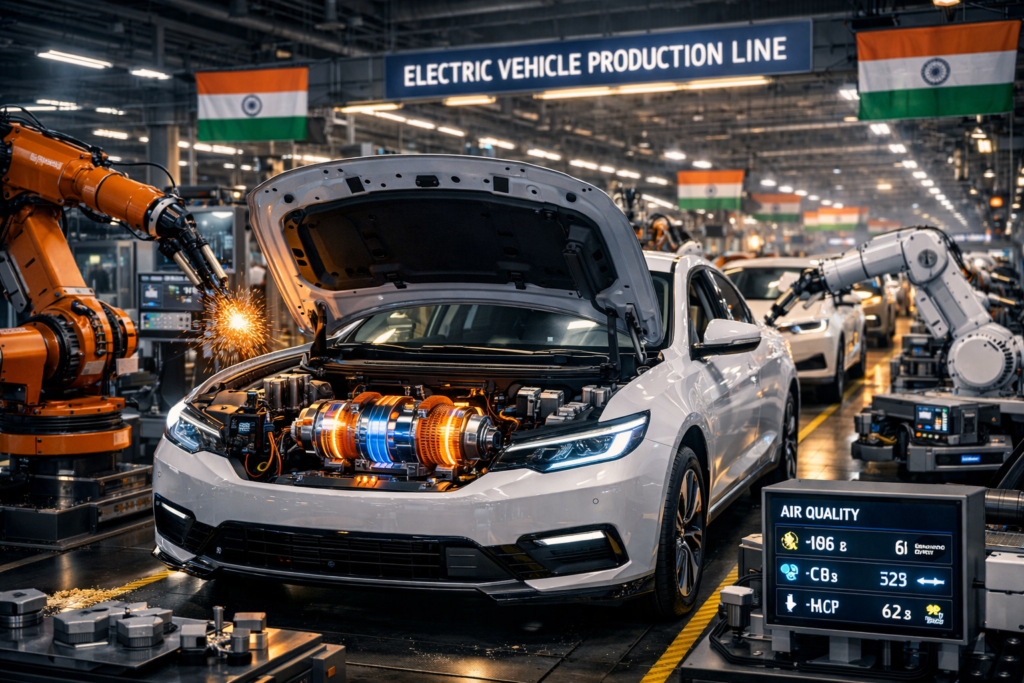
Supporting India’s EV Revolution
Electric vehicles are expected to become one of the largest consumers of permanent magnets.
Each EV contains multiple magnetic components in:
- Traction motors
- Power steering
- Braking systems
- Cooling systems
- Sensors
- Auxiliary motors
As India’s EV market expands, domestic magnet production will become increasingly important.
The HZL Powers ₹17,000 Cr Rare Earth Magnet Leap could help create a reliable supply chain for automotive manufacturers while reducing dependence on imported components.
Enabling Renewable Energy Growth
Permanent magnets play a central role in modern wind turbines.
Compared with conventional systems, permanent magnet generators offer:
- Higher efficiency
- Lower maintenance
- Better performance at low wind speeds
- Longer operational life
- Reduced mechanical complexity
As India expands wind energy capacity, locally manufactured magnets could lower costs and improve supply reliability.
The HZL Powers ₹17,000 Cr Rare Earth Magnet Leap therefore complements India’s broader clean energy goals.
Defence and National Security Benefits
Critical minerals are increasingly viewed as strategic assets.
Modern defence technologies rely on permanent magnets in:
- Fighter aircraft
- Naval vessels
- Missile systems
- Radar installations
- Electronic warfare equipment
- Autonomous drones
- Satellite systems
Domestic manufacturing reduces vulnerability to external supply disruptions and strengthens national security.
Global Competition in Rare Earth Magnets
The rare earth magnet industry is highly competitive.
Major players have invested heavily in:
- Mining
- Chemical refining
- Magnet production
- Recycling technologies
- Advanced materials research
Countries around the world are now seeking to diversify supply chains to reduce concentration risks and build resilient manufacturing ecosystems.
India’s investment through the HZL Powers ₹17,000 Cr Rare Earth Magnet Leap reflects this strategic shift toward domestic capability and long-term industrial resilience.
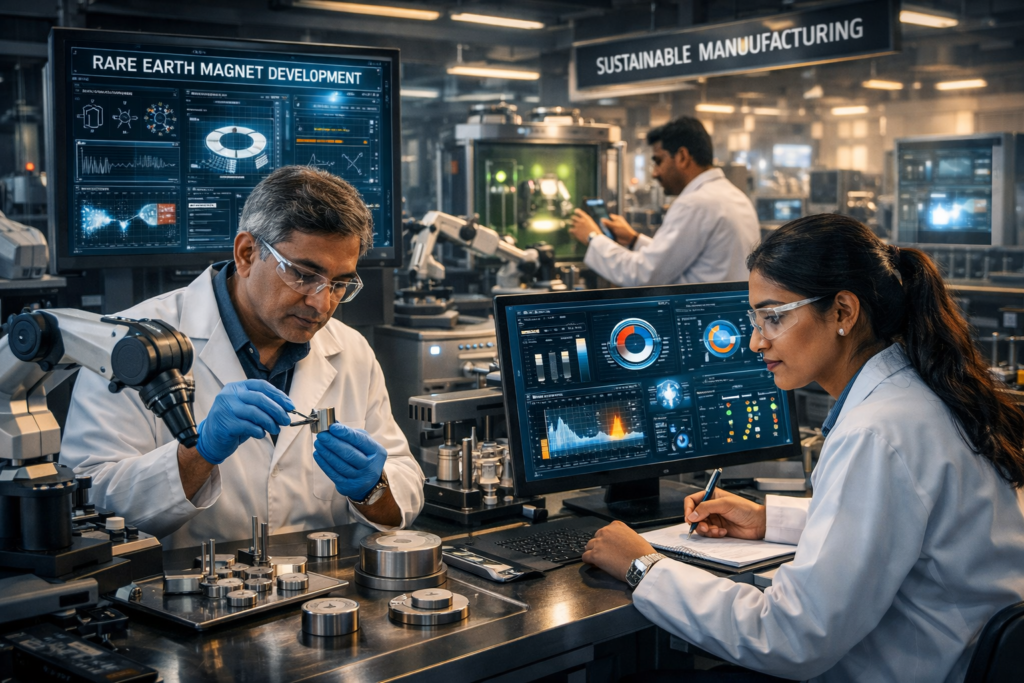
Innovation and Research Opportunities
Advanced magnet manufacturing encourages investment in research across several areas:
Materials Science
Developing stronger, lighter, and more efficient magnetic materials.
Recycling Technologies
Recovering rare earth elements from electronic waste to improve resource sustainability.
Artificial Intelligence
Optimizing production processes through predictive maintenance, quality control, and automation.
Advanced Manufacturing
Integrating robotics, digital twins, and Industry 4.0 technologies into production facilities.
Such innovation can enhance India’s competitiveness in high-value manufacturing sectors.
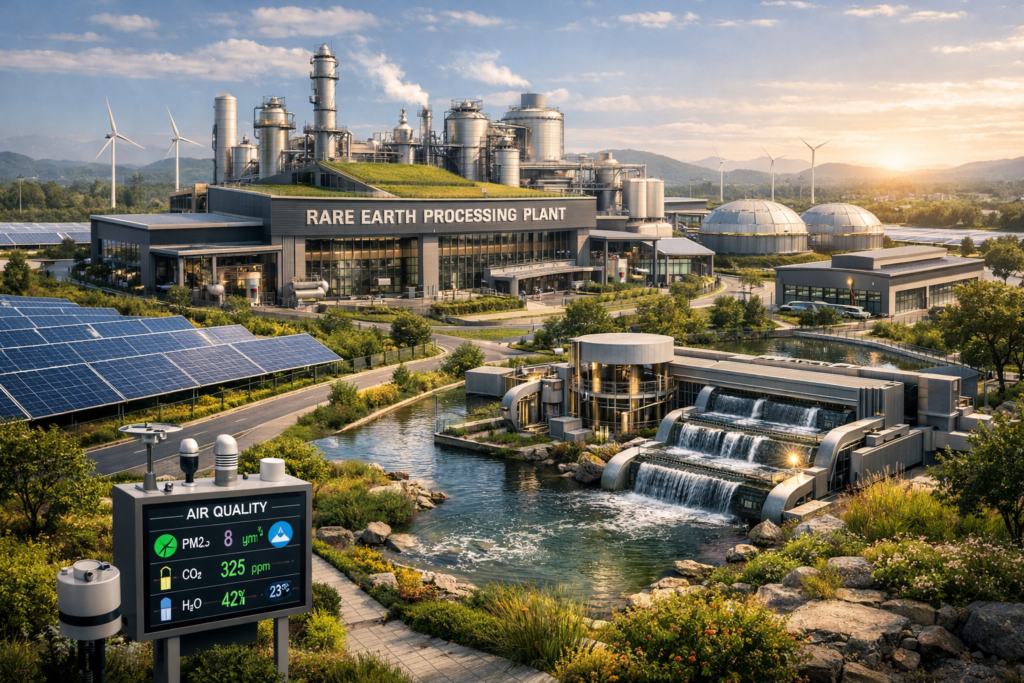
Environmental Considerations
Rare earth processing can have environmental impacts if not managed responsibly.
Key priorities include:
- Efficient water management
- Waste treatment systems
- Air pollution control
- Responsible tailings disposal
- Energy-efficient production
- Recycling of industrial materials
Modern facilities increasingly adopt cleaner technologies and stricter environmental standards to minimize ecological footprints.
Investment Opportunities Created by the Project
The HZL Powers ₹17,000 Cr Rare Earth Magnet Leap has the potential to stimulate investment across multiple sectors:
- Mining equipment
- Metallurgical technologies
- Industrial automation
- Robotics
- Specialty chemicals
- Advanced manufacturing
- Logistics infrastructure
- Engineering services
- Research institutions
- Skill development and technical training
This ecosystem approach can attract both domestic and international investors looking to participate in India’s expanding critical minerals sector.
Challenges Ahead for the HZL Powers ₹17,000 Cr Rare Earth Magnet Leap
While the HZL Powers ₹17,000 Cr Rare Earth Magnet Leap presents a transformative opportunity for India’s industrial future, executing a project of this scale will require overcoming several challenges. Building a globally competitive rare earth magnet ecosystem is capital-intensive, technologically demanding, and dependent on long-term policy support.
1. Securing Raw Material Supply
One of the primary challenges is ensuring a stable and sustainable supply of rare earth minerals. Mining alone is not sufficient; the entire value chain—from extraction and refining to alloy production and magnet manufacturing—must operate efficiently.
India possesses reserves of several critical minerals, but scaling production while maintaining environmental standards will be essential.
2. Advanced Processing Technology
Rare earth magnet manufacturing requires sophisticated metallurgical expertise, precision engineering, and specialized equipment.
To compete internationally, manufacturers must invest in:
- High-purity refining technologies
- Automated production lines
- Precision machining
- AI-driven quality control
- Advanced material testing laboratories
Continuous investment in research and innovation will be necessary to remain competitive.
3. Skilled Workforce Development
Large-scale advanced manufacturing demands a highly skilled workforce.
Future requirements include:
- Metallurgical engineers
- Chemical engineers
- Automation specialists
- Robotics experts
- Data scientists
- Materials researchers
- Quality assurance professionals
Collaboration between industry, universities, and technical institutes can help build the required talent pipeline.
4. Environmental Sustainability
Rare earth processing can generate waste streams that require responsible management.
The long-term success of the HZL Powers ₹17,000 Cr Rare Earth Magnet Leap will depend on adopting:
- Water recycling systems
- Energy-efficient production
- Waste minimization
- Emission control technologies
- Circular economy practices
- Responsible recycling of rare earth materials
Sustainability is increasingly becoming a competitive advantage in global manufacturing.
Government Support and Policy Alignment
The project aligns with several national priorities aimed at strengthening India’s manufacturing base and reducing dependence on imported critical materials.
Key policy objectives include:
Make in India
Promoting domestic manufacturing and encouraging value-added production.
Atmanirbhar Bharat
Enhancing self-reliance in strategic sectors, including critical minerals and advanced technologies.
Electric Mobility Mission
Supporting the rapid expansion of electric vehicle manufacturing through localized supply chains.
Renewable Energy Goals
Providing essential components for wind turbines and clean energy infrastructure.
Critical Minerals Strategy
Strengthening India’s position in strategically important mineral processing and advanced materials manufacturing.
Government support through infrastructure development, regulatory clarity, research funding, and skill development can accelerate the project’s success.
Global Market Outlook
Demand for permanent magnets is expected to grow significantly over the coming decade, driven by:
- Electric vehicles
- Wind energy
- Consumer electronics
- Robotics
- Artificial intelligence hardware
- Industrial automation
- Aerospace
- Defence modernization
As industries worldwide transition toward cleaner and smarter technologies, reliable access to rare earth magnets will become increasingly important.
The HZL Powers ₹17,000 Cr Rare Earth Magnet Leap positions India to participate in this expanding global market.
Opportunities for Indian Industry
The project could catalyze growth across multiple sectors.
Automotive Manufacturing
A reliable domestic supply of magnets can strengthen India’s automotive and EV industries.
Electronics
Local production can support manufacturers of smartphones, appliances, and industrial electronics.
Renewable Energy
Wind turbine manufacturers may benefit from reduced supply chain risks.
Defence Manufacturing
Domestic availability of strategic materials enhances national security and supports indigenous defence production.
Startups and Innovation
The ecosystem may encourage startups focused on recycling, advanced materials, battery technologies, and industrial automation.
Expert Perspective
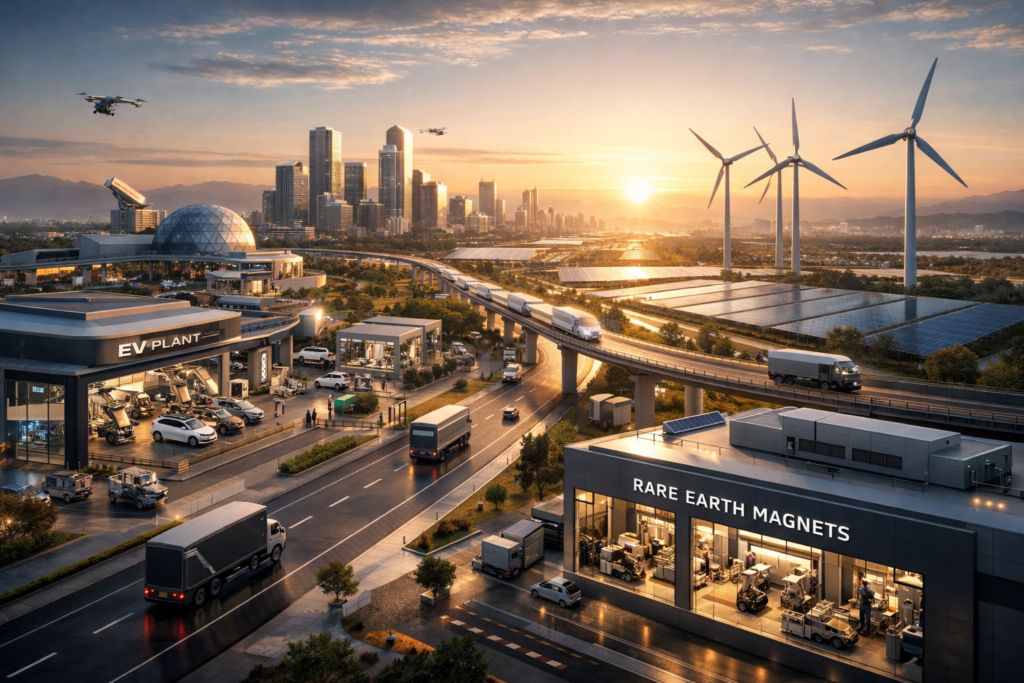
From an industrial and strategic standpoint, the HZL Powers ₹17,000 Cr Rare Earth Magnet Leap represents more than a corporate investment. It reflects a broader shift toward securing India’s role in the industries that will define the coming decades.
Success will depend not only on financial investment but also on:
- Technological excellence
- Efficient execution
- Environmental responsibility
- Skilled talent
- Global competitiveness
- Strong industry-government collaboration
If these elements come together, India could emerge as an important participant in the global critical minerals value chain.
Frequently Asked Questions (FAQs)
1. What is the HZL Powers ₹17,000 Cr Rare Earth Magnet Leap?
It refers to Hindustan Zinc Limited’s proposed ₹17,000 crore investment aimed at developing capabilities in the rare earth magnet ecosystem, supporting India’s ambitions in advanced manufacturing, electric mobility, renewable energy, and strategic industries.
2. Why are rare earth magnets important?
Rare earth magnets are essential components in electric vehicles, wind turbines, robotics, consumer electronics, defence systems, medical devices, and many industrial applications because they provide strong magnetic performance in compact sizes.
3. How can this investment benefit India?
Potential benefits include:
- Reduced dependence on imports
- Stronger manufacturing capabilities
- Job creation
- Increased exports
- Support for EV and renewable energy industries
- Enhanced strategic self-reliance
4. Which industries will benefit the most?
Major beneficiaries include:
- Electric vehicles
- Renewable energy
- Electronics manufacturing
- Aerospace
- Defence
- Industrial automation
- Robotics
- Healthcare technology
5. Can India become a global supplier of rare earth magnets?
If investments in mining, refining, manufacturing, research, recycling, and infrastructure continue, India has the potential to become a significant participant in the global rare earth magnet market over the long term.
6. What are the biggest challenges?
The main challenges include:
- Securing raw materials
- Building advanced processing capabilities
- Developing skilled manpower
- Managing environmental impacts
- Remaining globally cost-competitive
Conclusion
The HZL Powers ₹17,000 Cr Rare Earth Magnet Leap represents a bold step toward strengthening India’s position in one of the world’s most strategically important industries. As demand for rare earth magnets continues to rise across electric mobility, renewable energy, consumer electronics, defence, and advanced manufacturing, investments in domestic production can enhance supply chain resilience and support long-term industrial growth.
Beyond its commercial potential, the initiative aligns with national priorities such as self-reliance, clean energy, technological innovation, and value-added manufacturing. While challenges related to technology, raw material availability, sustainability, and skilled workforce development remain, the project provides an opportunity to build a robust ecosystem for critical minerals and advanced materials.
If implemented successfully, the HZL Powers ₹17,000 Cr Rare Earth Magnet Leap could contribute significantly to India’s ambition of becoming a competitive player in global manufacturing and an important hub for next-generation industrial technologies.
Great content! Keep up the good work!
Great content! Keep up the good work!