

India-Australia Uranium Deal: 5 Power Moves for Future
The India Australia uranium deal: 5 Power Moves for Future makes a defining moment in the rapidly changing strategic partnership between India and Australia. As both Nations has both Nations deepen Cooperation across trade, Clean Energy, defence and Critical minerals, this Landmark agreement has the potential to reshape India’s long term energy security while strengthening Australia’s position as one of the world’s most trusted suppliers of Uranium.
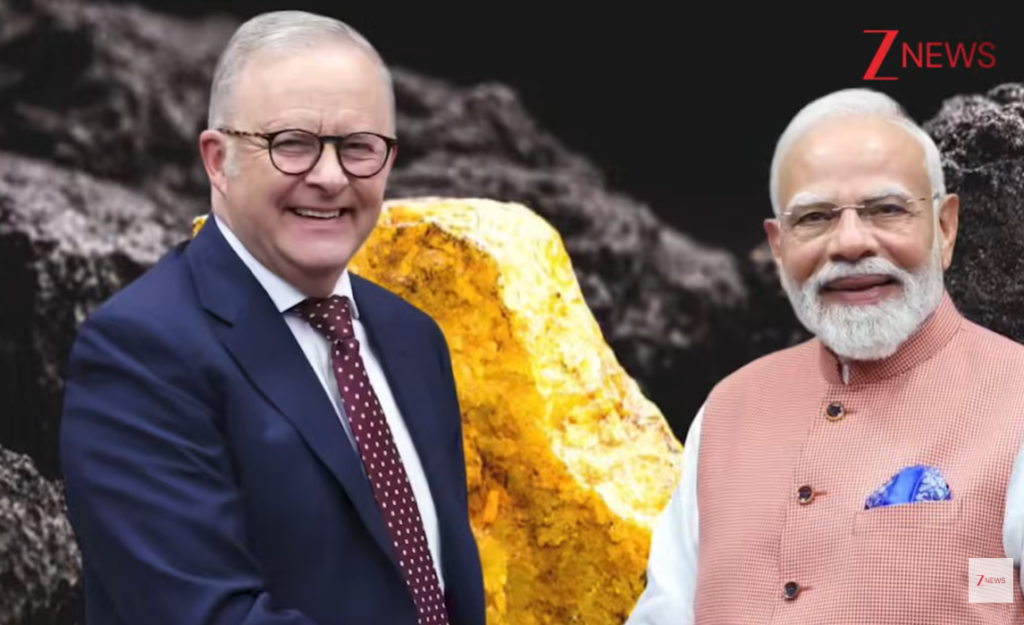
Prime Minister Narendra Modi’s proposed visit to Melbourne, Australia in July 2026 is expected to accelerate discussions on a long term uranium supply Framework that supports India’s ambitious nuclear energy expansion and security. At a time when countries worldwide are seeking cleaner alternatives to fossil fuels, nuclear energy is a emerging as a dependable source of low carbon electricity. The India Australia uranium deal: 5 Power Moves for Future, reflects this global shift by creating a reliable partnership between two countries benefits for both economies.
India’s electricity demand is projected to increase significantly for the next two decades due to the Rapid urbanisation, industrial growth, digital infrastructure, electric mobility and manufacturing expansions. while renewable energy sources such as solar and wind continue to grow rapidly, as they cannot always provided uninterrupted electricity. nuclear power feels his gap by supplying stable around the clock energy with minimum carbon emissions.
Australia almost possesses one third of the world uranium reserves, making it one of the most important Uranium suppliers globally. By securing a long-term fuel supply through The India-Australia uranium deal: 5 Power Moves for Future, India can reduce supply uncertainties while improving the operational efficiency of its expanding fleets of nuclear reactors.
The agreement goes beyond energy cooperation, It increases strategic trust between two leading Indo-Pacific democracies that shares common interests in regional security, resilient supply chains, maritime cooperation, and sustainable economic growth.
Quick highlights
- Long term uranium supplier security for India
- Boost to India’s nuclear energy expansion
- Stronger India Australia strategic partnership
- lower dependence on coal-based electricity
- increased Clean Energy generation
- New investment opportunity in critical minerals
- Greater energy independence for India.
Table of Contents
- Introduction
- Understanding the India-Australia Uranium Deal
- Why India Needs More Uranium
- Australia’s Strategic Role in Global Uranium Supply
- 5 Power Moves for Future
- Economic Benefits
- Clean Energy Impact
- Geopolitical Significance
- Challenges and Risks
- Future Outlook
- Frequently Asked Questions
- Conclusion
Understanding the India-Australia Uranium Deal
The proposed India and Australia Uranium Deal: 5 Power Moves for Future is much more than a commercial trade agreement. It represents the long-term strategic partnership between the two countries to ensure stable supply of uranium for India’s growing nuclear energy sector which also opens new opportunities for Australia.
India now consistently increasing its investments in nuclear power as part of its broader clean energy transition. The country aims to diversify its energy mix by reducing dependence on fossil fuels and ultimately reducing carbon footprint. The success of this will depend upon uninterrupted access to high-quality uranium fuel.
Australia has abundant uranium resources and strong mining industry, so ideally it gets positioned to meet this growing demand. A long term supply arrangement offers benefits to both countries, India gains reliable fuel for its reactors, while Australia secures a dependable export market.
The deal also expected to encourage collaboration in sectors such as critical minerals, advanced manufacturing, hydrogen technology, and research on next-generation nuclear systems. These areas of cooperation could significantly expand the scope of bilateral relations beyond traditional trade.

Why India Needs More Uranium Than Ever
India’s rising demand for energy is at one of the fastest growing in the world. Rapid industrialization, expanding cities, electric vehicle adoption, data centers, artificial intelligence infrastructure, and the government’s push for manufacturing are significantly increasing electricity consumption. To support this growing sectors India expanding its nuclear energy program and this also reducing carbon emissions.
The India-Australia Uranium Deal: 5 Power Moves for Future comes at a crucial time because nuclear reactors require a consistent and reliable supply of uranium fuel. Unlike coal or natural gas, nuclear fuel can generate enormous amounts of electricity with very low greenhouse gas emissions, making it an ideal complement to renewable energy sources.
Although India has domestic uranium reserves, they are not sufficient to meet the country’s long-term nuclear expansion plans. Importing uranium from trusted partners like Australia helps ensure uninterrupted reactor operations while reducing dependence on uncertain global markets.
India’s Growing Electricity Demand
According to government projections, India’s electricity consumption is expected to more than double over the next two decades. Several factors are driving this surge:
- Rapid urbanization
- Expansion of manufacturing under the Make in India initiative
- Growth of electric vehicles
- Rising household electricity consumption
- AI-powered data centers
- Smart cities and digital infrastructure
Meeting this demand solely through coal would increase emissions and environmental challenges. Nuclear power offers a cleaner, stable alternative that operates 24 hours a day, regardless of weather conditions.
India’s Nuclear Energy Mission
India has set ambitious goals to expand nuclear power generation as part of its clean energy strategy. The government is investing heavily in:
- New Pressurized Heavy Water Reactors (PHWRs)
- Indigenous reactor technology
- Small Modular Reactors (SMRs)
- Advanced fuel cycle research
- Nuclear safety and waste management
The India-Australia Uranium Deal: 5 Power Moves for Future directly supports these initiatives by ensuring adequate fuel supplies for both existing and upcoming nuclear facilities.
As more reactors become operational, the need for reliable uranium imports will continue to grow. Long-term agreements reduce uncertainty and improve planning for future investments.
Australia’s Uranium Advantage
Australia is one of the world’s largest uranium producers and possesses nearly one-third of global known uranium reserves. Its mining industry is recognized for high environmental standards, advanced technology, and reliable export infrastructure.
Some of Australia’s major uranium-producing regions include:
- Olympic Dam
- Ranger (historically significant)
- Four Mile
- Beverley
- Honeymoon Project
These world-class mining operations have made Australia a trusted supplier for countries operating civilian nuclear energy programs.
For India, sourcing uranium from Australia provides several strategic advantages:
- Stable democratic partner
- Transparent regulatory framework
- High-quality uranium ore
- Reliable shipping routes
- Long-term contractual certainty
Global Uranium Market Trends
The global uranium market is experiencing renewed momentum as countries seek cleaner energy solutions to combat climate change.
Several major economies are expanding or reviving nuclear power programs, including:
- India
- China
- France
- United Kingdom
- United States
- Japan
- South Korea
This growing demand is increasing competition for uranium supplies, making long-term agreements increasingly valuable.
The India-Australia Uranium Deal: 5 Power Moves for Future positions India ahead of potential supply constraints by securing access to one of the world’s most dependable uranium sources.
India-Australia Uranium Deal: 5 Power Moves for Future
Power Move 1: Strengthening India’s Energy Security
Perhaps the biggest benefit of the India-Australia Uranium Deal: 5 Power Moves for Future is enhanced energy security.
Energy security means having uninterrupted access to affordable and reliable fuel supplies regardless of global geopolitical uncertainties.
With a long-term uranium agreement, India can:
- Reduce fuel supply risks.
- Ensure continuous operation of nuclear reactors.
- Improve electricity reliability.
- Diversify its energy import portfolio.
- Reduce dependence on volatile global markets.
Reliable uranium supplies also help stabilize long-term electricity planning, benefiting industries, businesses, and consumers alike.
Power Move 2: Accelerating India’s Clean Energy Transition
India has pledged ambitious climate goals while continuing to support rapid economic growth. Achieving both objectives requires a balanced energy mix.
Solar and wind power are expanding rapidly, but they depend on weather conditions. Nuclear power provides uninterrupted electricity generation and complements renewable energy.
The India-Australia Uranium Deal: 5 Power Moves for Future enables India to:
- Increase clean electricity generation.
- Reduce dependence on coal-fired power plants.
- Lower carbon emissions.
- Improve air quality.
- Meet long-term climate commitments.
By integrating nuclear power with renewable energy, India can build a more resilient and sustainable electricity grid.

Power Move 3: Strengthening the India-Australia Strategic Partnership
The India-Australia Uranium Deal: 5 Power Moves for Future is not just about energy—it is also a significant geopolitical milestone. Over the past decade, India and Australia have transformed their relationship into a Comprehensive Strategic Partnership, cooperating across defence, trade, technology, education, and maritime security.
The proposed uranium deal further strengthens this partnership by building long-term trust in a highly sensitive sector. Nuclear fuel agreements require transparency, strong regulatory systems, and mutual confidence. Australia’s willingness to support India’s civilian nuclear program reflects the maturity of bilateral ties.
Strengthening the Indo-Pacific Vision
India and Australia share a common vision for a free, open, inclusive, and rules-based Indo-Pacific. Both countries work closely through platforms such as:
- The Quad (India, Australia, Japan, and the United States)
- East Asia Summit
- Indian Ocean Rim Association (IORA)
- G20
- Commonwealth
The India-Australia Uranium Deal: 5 Power Moves for Future complements these strategic partnerships by adding energy security to the broader cooperation agenda. A secure energy partnership enhances regional stability and reduces dependence on unstable supply chains.
Power Move 4: Boosting Economic Growth and Investments
The proposed uranium agreement is expected to generate substantial economic benefits for both India and Australia.
Benefits for India
A long-term uranium supply agreement offers several economic advantages:
- Stable fuel prices through long-term contracts.
- Lower operational risks for nuclear power plants.
- Increased investor confidence in India’s energy sector.
- Support for industrial expansion and manufacturing.
- Greater energy affordability over the long term.
Reliable electricity is essential for sectors such as steel, automobiles, semiconductors, artificial intelligence, pharmaceuticals, and digital infrastructure. By ensuring uninterrupted nuclear fuel supplies, the India-Australia Uranium Deal: 5 Power Moves for Future indirectly supports India’s broader economic ambitions.
Benefits for Australia
Australia also stands to gain significantly from the agreement:
- Higher uranium exports.
- Increased investment in mining projects.
- Job creation in mining and logistics.
- Strengthened trade relations with one of the world’s fastest-growing economies.
- Expanded cooperation in advanced technologies.
Long-term export contracts provide revenue certainty for Australia’s mining industry while encouraging further exploration and development.
Power Move 5: Driving Innovation in Future Energy Technologies
The India-Australia Uranium Deal: 5 Power Moves for Future could become the foundation for broader collaboration in emerging energy technologies.
Beyond uranium trade, both nations are well positioned to cooperate in:
Small Modular Reactors (SMRs)
SMRs are next-generation nuclear reactors that are smaller, safer, and more flexible than traditional plants. They can provide reliable electricity to remote areas, industrial clusters, and future smart cities.
Hydrogen Economy
India and Australia are investing heavily in green hydrogen production. Joint research and technology exchange could accelerate hydrogen adoption across industries.
Advanced Nuclear Research
Potential collaboration areas include:
- Nuclear safety systems.
- Waste management technologies.
- Advanced reactor designs.
- Fuel cycle optimization.
- Radiation technologies for healthcare and agriculture.
Such partnerships can help both countries remain at the forefront of clean energy innovation.
Expanding Cooperation Beyond Uranium
Although uranium is the centerpiece of the proposed agreement, bilateral cooperation is rapidly expanding into other strategic sectors.
Critical Minerals
Australia possesses abundant reserves of critical minerals essential for modern technologies, including:
- Lithium
- Cobalt
- Nickel
- Rare earth elements
- Graphite
These minerals are vital for:
- Electric vehicle batteries.
- Renewable energy storage.
- Semiconductors.
- Defence equipment.
- Consumer electronics.
India’s growing manufacturing sector can benefit greatly from secure access to these resources.
Clean Energy Collaboration
Both countries are also exploring partnerships in:
- Solar energy.
- Wind energy.
- Battery storage.
- Carbon capture technologies.
- Grid modernization.
- Energy-efficient infrastructure.
The India-Australia Uranium Deal: 5 Power Moves for Future could act as a catalyst for a much broader clean energy partnership.
Trade Relations on an Upward Trajectory
Trade between India and Australia has grown steadily in recent years, supported by the Economic Cooperation and Trade Agreement (ECTA). The uranium deal is expected to deepen this economic relationship further.
Key sectors with strong growth potential include:
- Mining
- Energy
- Education
- Agriculture
- Defence manufacturing
- Technology
- Space cooperation
- Artificial intelligence
As businesses gain confidence in the stability of bilateral relations, new investments and joint ventures are likely to emerge.

Environmental Benefits of the India-Australia Uranium Deal
One of the strongest arguments in favor of the India-Australia Uranium Deal: 5 Power Moves for Future is its potential to support India’s transition toward a cleaner and more sustainable energy system. As the world’s third-largest energy consumer, India faces the dual challenge of meeting rising electricity demand while reducing carbon emissions.
Nuclear power offers a practical solution because it generates large amounts of electricity with minimal greenhouse gas emissions during operation. Unlike coal-fired power plants, nuclear reactors do not release carbon dioxide while producing electricity, making them an important component of India’s long-term clean energy strategy.
Supporting India’s Net-Zero Ambitions
India has announced ambitious climate goals, including expanding non-fossil fuel energy capacity and reducing the carbon intensity of its economy. The India-Australia Uranium Deal: 5 Power Moves for Future aligns with these objectives by ensuring a stable supply of uranium for existing and future nuclear reactors.
Key environmental benefits include:
- Lower carbon emissions from electricity generation.
- Reduced dependence on coal-fired power plants.
- Improved air quality in urban and industrial regions.
- Reliable clean energy to complement solar and wind.
- Greater resilience of the national power grid.
Because nuclear power operates around the clock, it provides dependable “baseload” electricity, helping balance the intermittent nature of renewable energy sources such as solar and wind.
Challenges and Risks
While the proposed uranium deal offers numerous advantages, it is not without challenges. Policymakers in both countries will need to address several issues to ensure the partnership remains safe, transparent, and sustainable.
1. Global Uranium Price Volatility
International uranium prices can fluctuate due to changes in global demand, mining output, geopolitical events, and supply chain disruptions. Long-term contracts can help reduce this risk, but price management will remain an important consideration.
2. Environmental Concerns
Uranium mining requires careful environmental management to protect ecosystems, groundwater, and surrounding communities. Australia has established strict environmental regulations, but continued monitoring and responsible mining practices will be essential.
3. Transportation and Logistics
Transporting nuclear fuel involves highly specialized safety standards, secure logistics, and international regulatory compliance. Efficient coordination between both governments and industry partners will be necessary to ensure smooth and secure shipments.
4. Public Perception of Nuclear Energy
Despite significant advancements in reactor safety, public concerns about nuclear energy persist in many parts of the world. Governments will need to communicate transparently about safety measures, environmental benefits, and regulatory oversight to build public confidence.
Nuclear Safety and International Commitments
India has consistently emphasized that imported uranium is intended solely for peaceful civilian nuclear energy purposes. The country maintains safeguards in line with international agreements and works closely with global nuclear institutions to ensure responsible use of nuclear materials.
Australia also has one of the world’s most stringent export control systems for uranium. Its export policies are designed to ensure that uranium supplied to partner countries is used exclusively for peaceful purposes under appropriate safeguards.
The India-Australia Uranium Deal: 5 Power Moves for Future is therefore expected to operate within a robust framework of transparency, accountability, and international compliance.
Impact on India’s Energy Security
Energy security is a cornerstone of economic development. A diversified energy mix reduces the risk of supply disruptions and helps stabilize electricity generation during periods of global uncertainty.
The proposed uranium deal can strengthen India’s energy security by:
- Diversifying sources of nuclear fuel.
- Reducing dependence on a limited number of suppliers.
- Supporting uninterrupted reactor operations.
- Enhancing long-term energy planning.
- Improving resilience against geopolitical disruptions.
A secure energy supply is especially important as India continues to expand manufacturing, digital infrastructure, and electric mobility.
Expert Perspective: Why This Deal Matters
From an energy and geopolitical perspective, the India-Australia Uranium Deal: 5 Power Moves for Future represents more than a commercial agreement. It reflects a broader shift toward trusted partnerships in critical sectors.
As global supply chains become increasingly complex, countries are prioritizing reliable, like-minded partners for essential resources. Australia’s abundant uranium reserves and India’s growing clean energy needs create a complementary relationship with long-term strategic value.
If implemented successfully, the agreement could also encourage deeper collaboration in critical minerals, advanced manufacturing, research, and innovation—areas that are becoming increasingly important for economic competitiveness and national security.
Future Outlook
The proposed uranium deal has the potential to become a defining milestone in India-Australia relations. Beyond securing nuclear fuel, it can serve as a platform for broader cooperation in:
- Critical minerals and battery materials.
- Green hydrogen development.
- Advanced nuclear technologies.
- Artificial intelligence and digital infrastructure.
- Clean energy research and innovation.
- Supply chain resilience in the Indo-Pacific.
As both countries pursue sustainable growth and energy independence, the India-Australia Uranium Deal: 5 Power Moves for Future could play a central role in shaping a more secure, cleaner, and strategically connected future.

India-Australia Uranium Deal: 5 Power Moves for Future (Part 5 – Final)
Frequently Asked Questions (FAQ)
1. What is the India-Australia Uranium Deal?
The India-Australia Uranium Deal: 5 Power Moves for Future refers to the proposed long-term agreement under which Australia will supply uranium for India’s civilian nuclear power program. The objective is to strengthen India’s energy security while deepening strategic and economic ties between the two Indo-Pacific partners.
2. Why does India need uranium imports?
India’s domestic uranium reserves are limited compared to its rapidly growing energy requirements. Importing uranium ensures uninterrupted fuel supplies for existing and future nuclear reactors, enabling India to expand clean electricity generation while reducing dependence on fossil fuels.
3. Why is Australia an important uranium supplier?
Australia possesses nearly one-third of the world’s known uranium reserves and is recognized for its advanced mining technology, strong environmental regulations, and transparent export framework. These strengths make Australia a trusted long-term partner for countries operating civilian nuclear energy programs.
4. How will the deal benefit India’s economy?
The agreement is expected to:
- Improve long-term energy security.
- Support industrial growth through reliable electricity.
- Encourage investment in nuclear infrastructure.
- Reduce fuel supply risks.
- Complement India’s clean energy transition.
Reliable electricity also benefits manufacturing, digital infrastructure, electric vehicles, and emerging technologies.
5. Will the agreement help India achieve its climate goals?
Yes. Nuclear energy produces electricity with very low operational carbon emissions. By supporting nuclear power expansion, the India-Australia Uranium Deal: 5 Power Moves for Future can help India reduce coal dependence, improve air quality, and support its long-term climate commitments.
6. Is uranium imported under the deal intended for military use?
No. The proposed agreement is intended for India’s civilian nuclear energy program and is expected to operate under established international safeguards and bilateral commitments governing the peaceful use of nuclear material.
7. What industries could benefit from this partnership?
Beyond nuclear energy, the agreement could encourage cooperation in:
- Critical minerals.
- Battery manufacturing.
- Green hydrogen.
- Artificial intelligence.
- Advanced manufacturing.
- Semiconductor production.
- Clean energy technologies.
- Research and innovation.
Key Takeaways
- The India-Australia Uranium Deal: 5 Power Moves for Future is expected to strengthen India’s long-term energy security.
- Australia can become one of India’s most reliable uranium suppliers.
- The agreement supports India’s clean energy and nuclear power expansion.
- It reinforces strategic cooperation in the Indo-Pacific region.
- The partnership could expand into critical minerals, hydrogen, advanced technologies, and resilient supply chains.
- Reliable nuclear fuel will complement renewable energy and contribute to a more balanced electricity mix.
Conclusion
The India-Australia Uranium Deal: 5 Power Moves for Future has the potential to become one of the most significant milestones in the evolving relationship between India and Australia. By combining Australia’s vast uranium resources with India’s growing demand for clean, reliable electricity, the proposed agreement addresses both energy security and sustainable development.
Beyond the immediate benefits of securing nuclear fuel, the partnership reflects a broader convergence of strategic interests. Cooperation in clean energy, critical minerals, technology, defence, and resilient supply chains positions both nations to play an increasingly influential role in the Indo-Pacific region.
For India, a dependable uranium supply can support the expansion of nuclear power, reduce dependence on fossil fuels, and strengthen long-term energy planning. For Australia, the deal offers new opportunities for export growth, investment, and deeper engagement with one of the world’s fastest-growing major economies.
If finalized, the India-Australia Uranium Deal: 5 Power Moves for Future could become a cornerstone of bilateral cooperation—powering not only nuclear reactors but also a future built on clean energy, economic resilience, and strategic trust.
MY VIEW:
The India-Australia Uranium Deal: – 5 Power Moves for Future could be a major strategic win for India, strengthening long-term energy security while supporting nuclear power expansion and the clean energy transition. Beyond uranium supplies, the partnership reflects growing India-Australia cooperation in critical minerals, technology, and the Indo-Pacific. If implemented effectively with strong safety and environmental safeguards, the deal could become an important pillar of India’s future energy strategy.
The India-Australia Uranium Deal: – 5 Power Moves for Future could prove to be a landmark development in India’s long-term energy strategy. As electricity demand rises and the country works to balance rapid economic growth with climate commitments, nuclear energy can provide a stable, low-carbon source of power along with solar and wind power.
However, the success of the deal will depend on effective implementation, transparent safeguards, environmental responsibility, and public confidence in nuclear energy. Our view is that the agreement represents a positive strategic opportunity for both countries, with the potential to strengthen India’s clean-energy ambitions while taking India-Australia relations to a new level.