
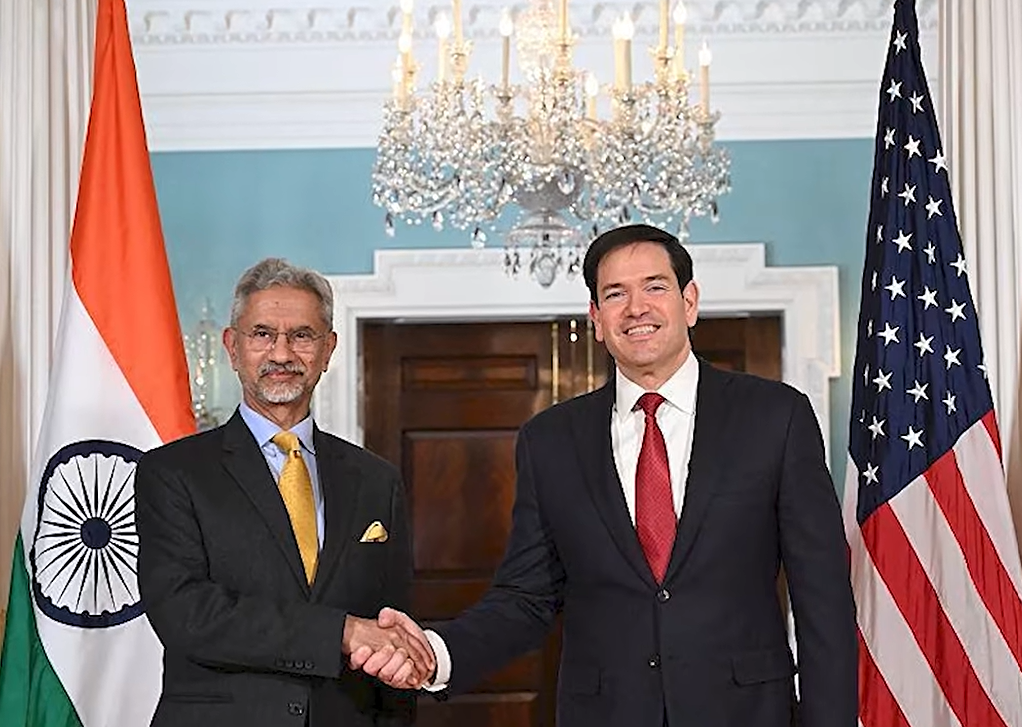
India Refining Superpower: Marco Rubio, Jamnagar & Venezuela Oil
Introduction
India’s growing importance in the global energy market has brought renewed attention to its oil-refining infrastructure, particularly the massive refining complex operated by Reliance Industries in Jamnagar, Gujarat. The topic India Refining Superpower: Marco Rubio, Jamnagar & Venezuela Oil highlights the connection between India’s industrial capabilities, international energy trade, and the changing strategic relationship between India and the United States.
U.S. Secretary of State Marco Rubio’s visit to India in October 2026 has drawn attention to energy cooperation, trade negotiations, and the potential role of Indian refineries in processing Venezuelan crude oil. Reports surrounding the visit have highlighted Jamnagar’s capacity to process different grades of crude and its importance to international petroleum markets. Reuters reporting has also identified energy and trade as important subjects in India–U.S. discussions.
But what makes India’s refining sector so important? How does Venezuela’s heavy crude oil fit into this picture? And how does infrastructure planning under PM GatiShakti support the broader logistics network required to move energy resources efficiently?
Understanding these questions helps explain why India’s refining capacity is more than an industrial achievement. It is also an important component of the country’s economic resilience, export potential, and strategic influence.
India Refining Superpower: Marco Rubio, Jamnagar & Venezuela Oil — Why It Matters
The phrase India Refining Superpower: Marco Rubio, Jamnagar & Venezuela Oil brings together three connected subjects: India’s refining infrastructure, U.S.–India energy cooperation, and Venezuela’s substantial petroleum resources.
Crude oil is not normally ready for direct use in vehicles, aircraft, or industrial machinery. Refineries process crude into products such as petrol, diesel, aviation fuel, liquefied petroleum gas, and feedstocks used by the petrochemical industry.
A country’s refining capacity therefore affects how effectively it can turn imported crude into commercially valuable products. India has developed a substantial refining industry serving both domestic demand and export markets.
According to India’s Petroleum Planning and Analysis Cell (PPAC), the country’s installed refinery capacity stood at approximately 267.1 million tonnes per year as of April 1, 2026. The official figures include the Jamnagar facilities operated by Reliance Industries. Source: PPAC
This industrial base helps India process imported crude, supply fuels to its economy, and export petroleum products when market conditions permit.

Marco Rubio’s Visit and India–U.S. Energy Cooperation
Marco Rubio’s October 2026 visit has placed energy cooperation among the subjects attracting attention in India–U.S. relations. The visit comes amid discussions involving trade, energy security, international supply chains, and geopolitical developments affecting petroleum markets.
Reuters reported that Rubio was expected to meet Indian government and business leaders, including External Affairs Minister S. Jaishankar and Reliance Industries chairman Mukesh Ambani. Energy cooperation and the broader trade relationship were important elements of the reported agenda.
The Jamnagar refinery is relevant to these discussions because its scale and technical capabilities allow it to process large quantities of crude oil and supply refined products to different markets.
The connection between India Refining Superpower: Marco Rubio, Jamnagar & Venezuela Oil is therefore not simply about one diplomatic visit. It concerns how industrial infrastructure can support international trade and help countries respond to changing energy requirements.
However, diplomatic discussions should not automatically be interpreted as confirmation of a new oil contract or a specific investment commitment. Any announcement concerning new agreements, quantities, or investment terms should be checked against official statements from the governments or companies involved.
For India, stronger energy cooperation can offer opportunities to secure crude supplies, support exports, and attract investment. For the United States, partnerships with established refiners could potentially expand the options available for processing and distributing petroleum products.
Why the Jamnagar Refinery Is So Important
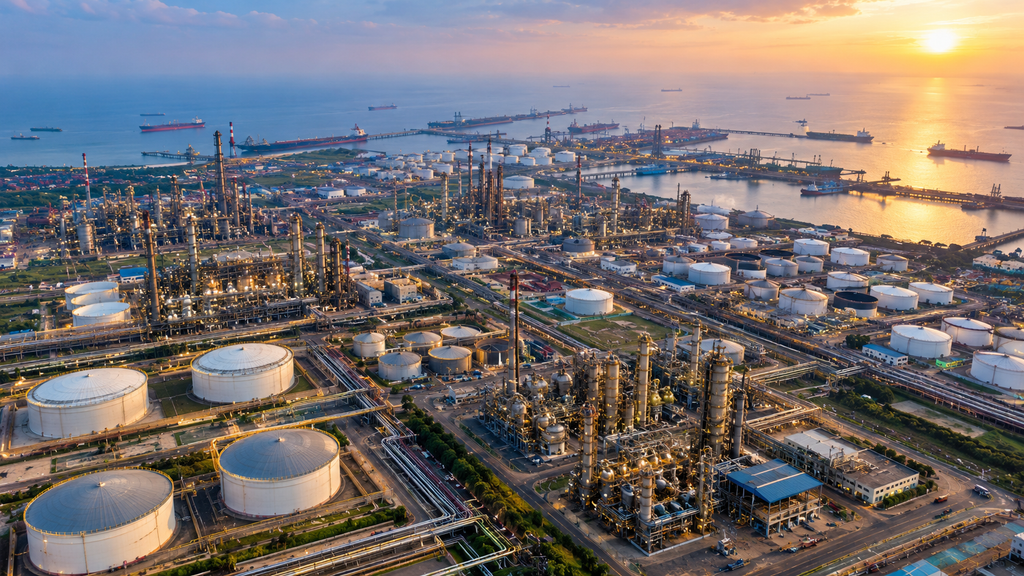
Reliance Industries operates the Jamnagar refining complex in Gujarat, one of the world’s largest and most sophisticated refining hubs.
According to Reliance Industries’ official website, the Jamnagar refinery has a crude-processing capacity of approximately 1.4 million barrels per day. The company also highlights its operational complexity, marine infrastructure, and ability to serve multiple international markets.
The facility’s significance comes from several advantages.
1. Large-scale crude processing
A refinery with substantial capacity can process significant quantities of crude oil and produce multiple petroleum products. Large-scale operations can also create opportunities to improve efficiency, provided the refinery has access to suitable crude supplies and reliable logistics.
2. Flexibility in processing crude oil
Different crude oils have different characteristics. Their density, sulphur content, and chemical composition influence the processing methods and equipment required.
A sophisticated refinery can be designed to handle a wider range of crude grades than a facility with more limited capabilities. The exact grades that can be processed depend on the refinery’s equipment, configuration, operating conditions, and commercial considerations.
3. Access to international shipping
Jamnagar’s marine infrastructure supports the movement of crude oil and refined petroleum products. This connection between industrial processing and shipping is crucial because energy trade depends on the reliable movement of raw materials and finished products.
4. Export opportunities
India’s refining industry serves domestic fuel demand while also supplying international markets. The ability to export petroleum products can create commercial opportunities and strengthen India’s role in global energy supply chains.
These advantages explain why Jamnagar features prominently in discussions about India’s refining strength and international energy partnerships.
Jamnagar refinery
Venezuela’s Heavy Crude Oil and the Refining Challenge
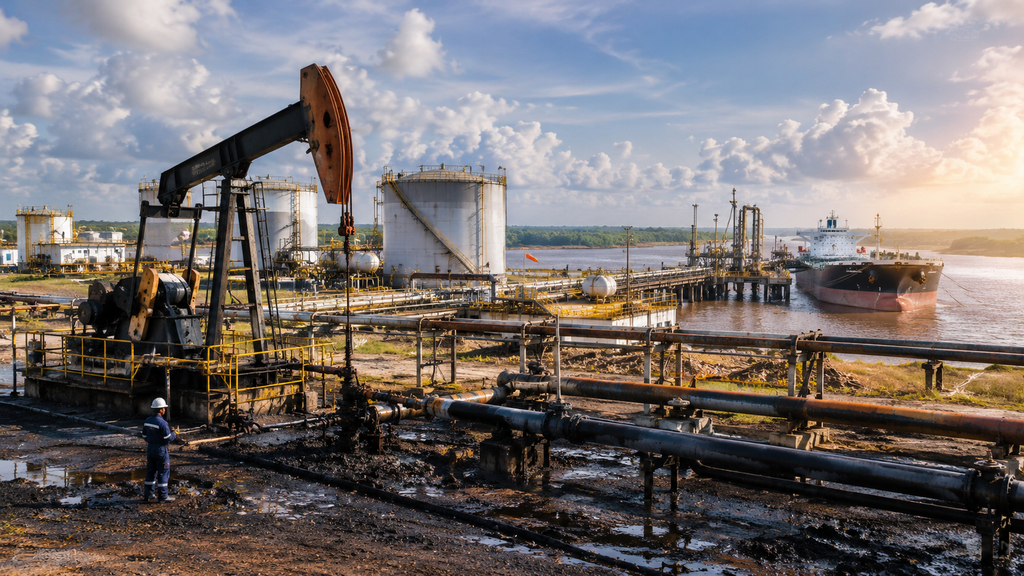
Venezuela possesses some of the world’s largest proven crude oil reserves. The U.S. Energy Information Administration (EIA) reported approximately 303 billion barrels of proven reserves in 2023, much of it in the form of extra-heavy crude oil associated with the Orinoco Belt.
However, large reserves do not automatically translate into high production or easy access to market. Extraction, transportation, investment, equipment availability, and refining requirements all affect the amount of oil that can be commercially produced and sold.
Extra-heavy crude can be more difficult to transport and process than lighter crude. It may require blending with lighter hydrocarbons or diluents, specialised production methods, and refining equipment suited to its characteristics.
This is where India’s refining capabilities become relevant to the discussion surrounding India Refining Superpower: Marco Rubio, Jamnagar & Venezuela Oil.
A refinery capable of processing suitable heavy crude grades can potentially provide a market for such oil. Nevertheless, a commercial arrangement would depend on crude quality, refinery configuration, shipping costs, sanctions and licensing requirements, payment arrangements, and the economics of the final products.
It is also important to distinguish technical capability from a confirmed commercial agreement. The fact that a refinery can process a particular grade does not establish that it has agreed to purchase a specified quantity of that crude.
For further background, readers can consult the U.S. Energy Information Administration’s Venezuela country analysis, which discusses the country’s petroleum reserves, production, infrastructure, and energy trade.
Venezuelan oil resources
India Refining Superpower: Marco Rubio, Jamnagar & Venezuela Oil and Global Energy Security
Energy security means having reliable access to the energy resources required by households, industries, transport networks, and essential services. It involves more than the availability of crude oil: transport routes, refinery operations, storage facilities, financial arrangements, and international relationships also matter.
India imports substantial quantities of crude oil, making the reliability and diversification of supply particularly important. A strong domestic refining industry allows imported crude to be converted into fuels and other products required by the economy.
The international significance of India Refining Superpower: Marco Rubio, Jamnagar & Venezuela Oil lies in the potential interaction between India’s processing capacity and the needs of international oil suppliers and buyers.
Several factors determine whether this potential can be realised:
- Supply diversification: Access to different suppliers can help reduce dependence on a limited number of sources.
- Refinery compatibility: Crude grades must be compatible with the refinery’s equipment and operating requirements.
- Shipping reliability: Disruptions to important maritime routes can increase costs and delay deliveries.
- Commercial viability: Crude prices, refining margins, insurance, freight, and product demand affect profitability.
- Regulatory compliance: Sanctions, licences, contracts, and payment restrictions can influence whether a transaction is possible.
The Strait of Hormuz is an important example of the connection between geography and energy markets. Disruptions around strategic maritime routes can affect shipping costs, delivery schedules, and market confidence.
India’s refining infrastructure can strengthen its ability to participate in international markets, but it cannot eliminate every risk associated with imported energy. A resilient strategy also requires diversified suppliers, reliable transport networks, adequate storage, and prudent commercial decisions.
What Could Greater Venezuelan Oil Trade Mean for India?
If commercial conditions support increased imports of Venezuelan crude, Indian refiners could assess whether additional volumes make operational and economic sense.
Potential benefits could include broader sourcing options, increased refinery utilisation where spare capacity exists, and opportunities to sell suitable refined products in international markets.
However, these benefits are not guaranteed. Venezuelan crude may involve additional transport, processing, blending, or compliance costs. Refiners must compare these costs with the expected value of the resulting products.
It is also important to recognise that crude oil trade and refined-product trade are different activities. Buying crude does not automatically mean that a country will export all the products made from it. Domestic demand, refinery economics, government policies, and market prices influence how the final output is allocated.
For India, the most practical approach is to evaluate each supply arrangement on its own commercial merits while maintaining compliance with applicable laws and international restrictions.
The discussion about India Refining Superpower: Marco Rubio, Jamnagar & Venezuela Oil illustrates how industrial capabilities can create strategic options. It does not mean that every proposed oil arrangement will necessarily be implemented.
Five Years of PM GatiShakti: Transforming India’s Infrastructure Planning
India’s refining strength also depends on the infrastructure that connects industrial facilities with ports, roads, railways, pipelines, warehouses, and consumer markets. This is where Five Years of PM GatiShakti: Transforming India’s Infrastructure Planning becomes relevant.
Launched on October 13, 2021, the PM GatiShakti National Master Plan was designed to support integrated, multimodal infrastructure planning across India. Rather than allowing departments to plan transport and infrastructure projects independently, the initiative uses a geographic information system (GIS)-based platform to improve coordination and visibility.
In an official backgrounder published on October 12, 2026, the Press Information Bureau (PIB) reported that the platform covered 58 Central Ministries and Departments and all 36 States and Union Territories. The framework supports integrated planning by bringing infrastructure information together. Source: PIB
How PM GatiShakti supports infrastructure development
The initiative can support India’s industrial and energy economy in several ways.
Multimodal connectivity: Coordinated planning across roads, railways, ports, airports, and waterways can help identify missing links between production centres and markets.
Better project coordination: Shared information can help departments identify overlapping projects, infrastructure gaps, and opportunities to coordinate construction.
Logistics efficiency: More effective connections between industrial facilities and transport networks can help businesses manage freight movement and delivery schedules.
Improved planning: GIS-based information allows decision-makers to examine infrastructure proposals alongside existing networks and other planned developments.
These functions are relevant to energy-intensive industries because refineries require dependable connections to crude-oil terminals, product storage, pipelines, transport networks, and export facilities.
Nevertheless, PM GatiShakti is a planning and coordination framework, not an oil-trading agreement. Its relevance to refining lies in the wider infrastructure ecosystem that supports India’s industrial competitiveness.
PM GatiShakti infrastructure

Connecting PM GatiShakti with India’s Energy and Export Potential
The relationship between energy refining and infrastructure planning is practical rather than merely theoretical.
A refinery needs crude oil to arrive on schedule, equipment and materials to reach the facility, and finished products to move efficiently to their destinations. Delays at ports or along transport corridors can affect costs and operational planning.
Integrated infrastructure planning can help identify weaknesses in these connections. Better coordination among transport agencies, industrial developers, and public authorities may also support more efficient movement of goods.
This is why Five Years of PM GatiShakti: Transforming India’s Infrastructure Planning complements the discussion of India’s refining sector.
A well-connected industrial economy can benefit from the combined effect of large-scale manufacturing, reliable logistics, efficient ports, and coordinated infrastructure investment. These factors can improve the conditions under which Indian companies compete in international markets.
However, improvements in logistics do not guarantee higher exports or lower fuel prices. Outcomes depend on investment, demand, international prices, operating costs, regulation, and the performance of individual projects.
For policymakers, the broader lesson is that industrial capacity and infrastructure connectivity need to develop together. Building a refinery is only one part of the process; connecting it to reliable supplies and markets is equally important.
Challenges Facing India’s Refining Industry
Despite its strengths, India’s refining industry faces important challenges.
Dependence on imported crude
India’s large refining sector relies significantly on crude oil sourced from overseas. Geopolitical tensions, shipping disruptions, changes in supplier policies, and price volatility can affect procurement costs.
Environmental considerations
Refining involves energy consumption and emissions, while some processes also generate waste and other environmental impacts. Operators must invest in pollution controls, operational efficiency, and compliance with environmental standards.
International competition
Refiners compete on processing efficiency, product quality, logistics, technology, and operating costs. A large facility must continue adapting to changes in fuel demand, petrochemical markets, and environmental requirements.
Geopolitical uncertainty
Oil transactions can be affected by sanctions, export restrictions, diplomatic disputes, and changing trade policies. Companies must verify the legal status of transactions and assess the commercial risks before entering new markets.
The transition in energy demand
Electric mobility, renewable energy, efficiency improvements, and changes in industrial consumption may reshape long-term demand for some petroleum products. Refiners must assess these trends when making long-term investment decisions.
Addressing these challenges requires a balanced approach combining energy security, economic competitiveness, environmental responsibility, and infrastructure development.
What India’s Refining Strength Means for the Future
India’s refining industry provides the country with a valuable industrial asset. It supports domestic fuel supply, creates opportunities for exports, and gives refiners the ability to process imported crude into higher-value products.
Jamnagar’s scale and technical complexity make it a prominent example of this capability. Meanwhile, the discussion around Marco Rubio’s visit shows how energy infrastructure can become part of wider conversations about trade, investment, and international cooperation.
The relationship between India Refining Superpower: Marco Rubio, Jamnagar & Venezuela Oil and India’s wider development strategy is also connected to infrastructure planning. Reliable ports, roads, railways, pipelines, and logistics systems help industrial facilities connect with global markets.
The discussions involving Marco Rubio, Reliance Industries and Venezuelan crude highlight India’s growing relevance to international energy markets.
The country’s large refining infrastructure offers commercial opportunities that go beyond domestic fuel production. By processing different crude grades and exporting refined products, Indian companies can connect international producers with markets that require reliable petroleum supplies.
However, long-term success will depend on disciplined investment, competitive procurement, regulatory compliance and operational efficiency.
India must also maintain a diversified energy strategy rather than relying too heavily on any one country or crude grade.
If Venezuelan production expands and the economics are favourable, Indian refiners could have additional opportunities to source crude and strengthen their international position. If the commercial or regulatory conditions deteriorate, those opportunities could remain limited.
The important point is that refining capacity gives India options, but commercial decisions determine which options deliver lasting value.
Still, potential opportunities should not be confused with confirmed outcomes. Any proposed increase in Venezuelan crude purchases, new investment commitment, or bilateral energy agreement needs to be evaluated using official announcements and credible reporting.
Frequently Asked Questions (FAQs)
1. What does India Refining Superpower: Marco Rubio, Jamnagar & Venezuela Oil mean?
India Refining Superpower: Marco Rubio, Jamnagar & Venezuela Oil refers to India’s growing role in global petroleum refining, highlighted by discussions involving US Secretary of State Marco Rubio, Reliance Industries’ Jamnagar refinery and the potential for increased Venezuelan crude oil supplies.
2. Why is Marco Rubio interested in India’s refining industry?
Marco Rubio’s discussions have highlighted the potential for Indian refiners to process more Venezuelan crude oil. India’s large refining capacity and ability to process different crude grades make it a potentially important commercial partner.
3. Where is the Jamnagar refinery located?
The Jamnagar refinery complex is located in Gujarat, India. Operated by Reliance Industries, it is one of the world’s largest refining complexes, with a reported crude-processing capacity of approximately 1.4 million barrels per day.
4. Why is Venezuelan crude oil important to India?
Venezuelan crude oil could provide Indian refiners with another potential source of petroleum supplies. Its commercial attractiveness depends on crude quality, purchase prices, shipping costs, refinery compatibility and applicable international restrictions.
5. Can India replace Russian oil with Venezuelan oil?
Venezuelan crude could contribute to India’s supplier diversification, but replacing Russian oil entirely is not guaranteed. The decision depends on availability, pricing, transportation costs, refinery requirements and geopolitical developments.
6. What are the benefits of India’s refining capacity?
India’s refining capacity enables the country to convert crude oil into petrol, diesel, aviation fuel and other petroleum products. It also supports industrial activity, employment, exports and India’s participation in international energy markets.
7. Could Reliance Industries invest in Venezuela’s oil sector?
Potential participation in Venezuela’s oil sector has been discussed, but readers should distinguish proposals from confirmed investments. Any project would depend on commercial feasibility, legal authorisations, investment terms and operating conditions.
8. What challenges could affect India’s imports of Venezuelan oil?
Key challenges include international sanctions, crude availability, shipping costs, insurance, refinery processing expenses, geopolitical uncertainty and fluctuations in global oil prices.
9. What is PM GatiShakti, and how is it related to India’s refining industry?
PM GatiShakti is India’s national master plan for integrated infrastructure planning, launched in October 2021. Although it is not specifically an oil-refining programme, improved coordination of transport and logistics infrastructure can support industrial supply chains.
10. How does India Refining Superpower: Marco Rubio, Jamnagar & Venezuela Oil affect India’s energy security?
The potential for additional Venezuelan crude supplies could give Indian refiners more procurement options. The impact on energy security will depend on actual supply volumes, competitive pricing, reliable transportation and compliance with applicable regulations.
11. What is the connection between Jamnagar and India’s global oil exports?
Jamnagar’s large-scale refining facilities and supporting marine infrastructure enable Reliance Industries to process crude oil and supply petroleum products to domestic and international markets. Export performance depends on global demand, operating costs and market conditions.
Conclusion
The story of India’s refining industry is about more than crude oil. It is about industrial capability, international trade, logistics, and the infrastructure needed to connect production with demand.
The Jamnagar refinery demonstrates the scale and sophistication of India’s refining sector. Its capacity to process substantial quantities of crude and serve international markets gives India an important role in global petroleum supply chains.
The discussions surrounding Marco Rubio’s October 2026 visit have brought renewed attention to potential cooperation involving Indian refining capabilities and Venezuelan crude. The commercial implications will depend on confirmed agreements, compatible crude supplies, regulatory conditions, and market economics.
At the same time, Five Years of PM GatiShakti: Transforming India’s Infrastructure Planning highlights the importance of coordinated infrastructure development. Efficient transport networks and logistics connections can strengthen industrial competitiveness and support the movement of energy resources.
India’s long-term opportunity lies in combining refining expertise, sound commercial decisions, reliable infrastructure, and diversified energy partnerships. These elements can help the country strengthen its position in international markets while managing the risks associated with dependence on imported energy.