
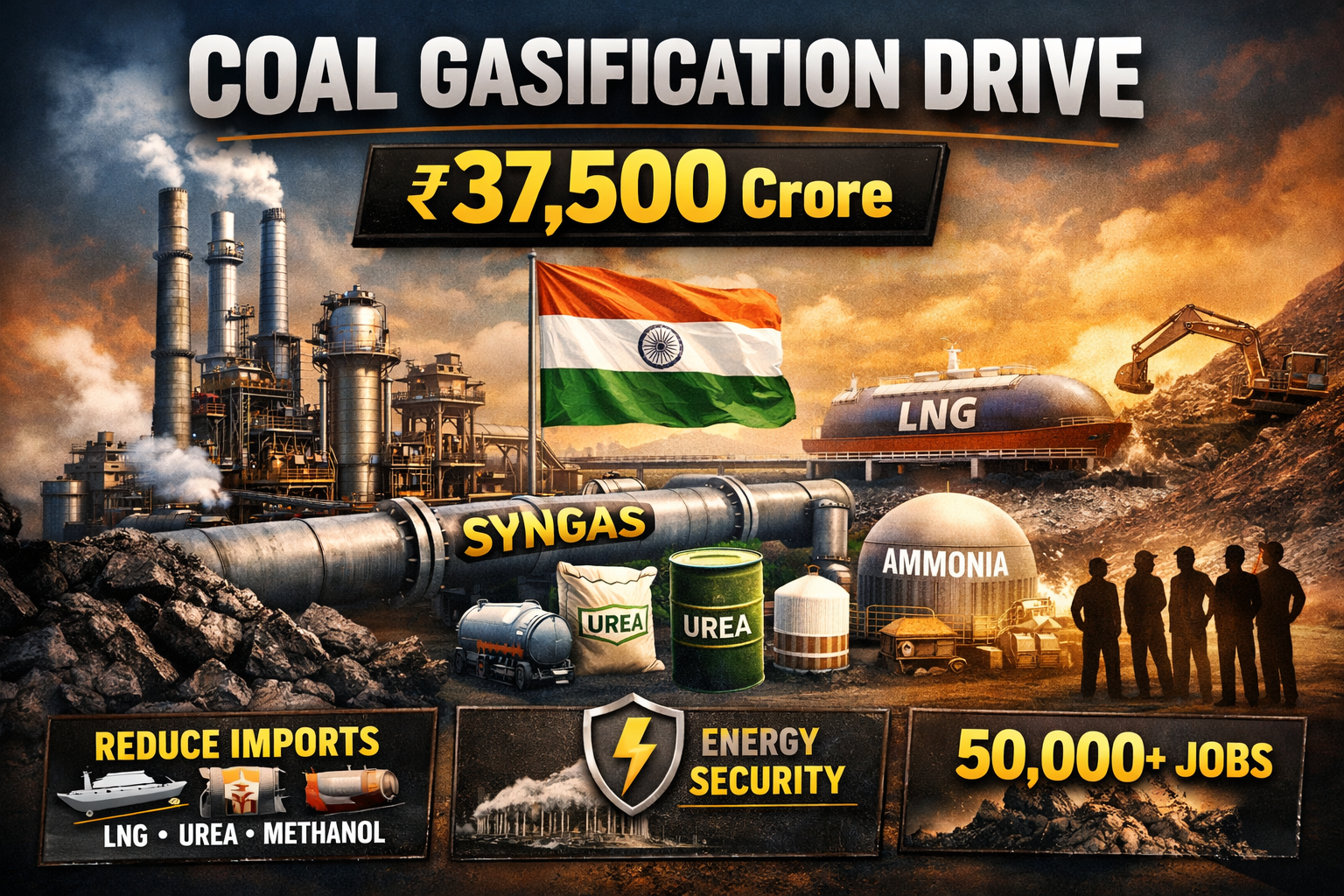
India’s ₹37,500 Cr Coal Gasification Drive Cuts Imports
India’s ₹37,500 Cr Coal Gasification Drive Cuts Imports and marks a major step toward strengthening the country’s energy security and industrial self-reliance. The Indian government has launched a massive incentive scheme aimed at converting coal into synthetic gas and industrial feedstock to reduce dependence on expensive imported fuels and chemicals.
The ambitious initiative is expected to transform India’s energy landscape by promoting cleaner coal utilization, boosting domestic manufacturing, and supporting long-term economic growth. With global fuel markets facing uncertainty due to geopolitical tensions and supply disruptions, India’s move reflects a strategic push to secure affordable and reliable energy sources.
What Is Coal Gasification?
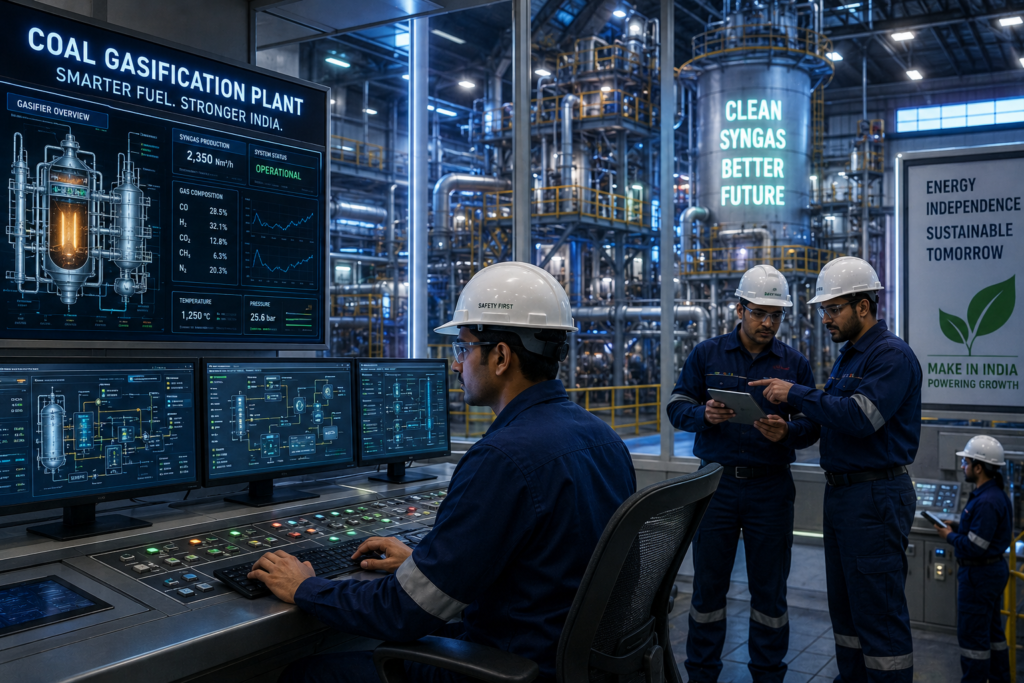
Coal gasification is a process that converts coal into synthetic gas, commonly called syngas. This gas can then be used to manufacture fertilizers, methanol, hydrogen, chemicals, and cleaner fuels.
Unlike traditional coal burning, gasification offers improved efficiency and can reduce harmful emissions when modern technologies are used. The government aims to gasify nearly 75 million tonnes of coal under the new programme while moving toward its larger 2030 target.

Why India’s ₹37,500 Cr Coal Gasification Drive Cuts Imports
One of the biggest reasons behind the initiative is India’s growing fuel import bill. The country spends billions of dollars annually importing LNG, ammonia, methanol, and chemical feedstocks.
By promoting domestic gasification projects, the government hopes to reduce reliance on global energy markets while improving India’s trade balance.
Key Objectives of the Scheme
- Reduce imported fuel dependence
- Strengthen energy security
- Boost domestic industrial output
- Promote cleaner coal utilization
- Generate employment opportunities
India possesses one of the world’s largest coal reserves, making coal gasification an important strategy for utilizing local resources more effectively.
India’s ₹37,500 Cr Coal Gasification Drive Cuts Imports and Boosts Industry
The India’s ₹37,500 Cr Coal Gasification Drive Cuts Imports programme is expected to create major opportunities for industries including petrochemicals, fertilizers, hydrogen production, and synthetic fuels.
The government will provide financial incentives covering a portion of project costs to encourage investment from both public and private sector companies. Large-scale infrastructure development is also expected in coal-rich regions across the country.
Major Industrial Benefits
- Expansion of chemical manufacturing
- Growth in fertilizer production
- Increased hydrogen production potential
- Development of synthetic fuel industries
- Reduced industrial import dependence
The initiative aligns with India’s broader “Make in India” and self-reliance goals aimed at strengthening domestic manufacturing capacity.
Boost for Employment and Regional Development
The coal gasification programme could create thousands of direct and indirect jobs in mining, engineering, manufacturing, and energy infrastructure sectors.
Coal-producing states may witness:
- New industrial projects
- Better transportation infrastructure
- Higher local investment
- Increased employment generation
- Stronger regional economies
Experts believe the initiative may attract long-term investments worth several lakh crore rupees over the next decade.
Environmental Impact and Cleaner Energy Goals
Although coal remains a fossil fuel, gasification is considered cleaner compared to direct coal combustion. Advanced coal gasification technologies can improve energy efficiency and lower emissions when combined with carbon capture systems.
The government sees gasification as a transitional energy solution that supports industrial growth while India continues expanding renewable energy and electric mobility sectors.
Environmental Advantages
- Cleaner coal utilization
- Reduced particulate emissions
- Better energy efficiency
- Potential hydrogen production
- Lower dependence on imported fossil fuels
Several countries including China and the United States are also investing in coal gasification technologies to strengthen energy security.
India’s ₹37,500 Cr Coal Gasification Drive Cuts Imports Amid Global Energy Risks
The global energy market has become increasingly volatile due to geopolitical conflicts, supply chain disruptions, and fluctuating oil and gas prices. India’s ₹37,500 Cr Coal Gasification Drive Cuts Imports by reducing exposure to these international risks.
By producing more industrial feedstocks domestically, India can protect critical sectors from sudden price spikes and supply shortages.
The initiative is particularly important for:
- Fertilizer production
- Petrochemical industries
- Industrial fuel supply
- Strategic energy reserves
- Long-term economic stability
The government believes this approach will improve resilience against future global energy crises.
Challenges Facing the Coal Gasification Programme
Despite the strong potential, several challenges remain for successful implementation.
Key Challenges
- High project costs
- Technology requirements
- Environmental concerns
- Infrastructure development needs
- Long gestation periods
Experts say policy consistency and advanced technology partnerships will be critical to ensuring the programme’s long-term success.
India will also need significant investment in transportation pipelines, storage systems, and industrial distribution networks.
Conclusion
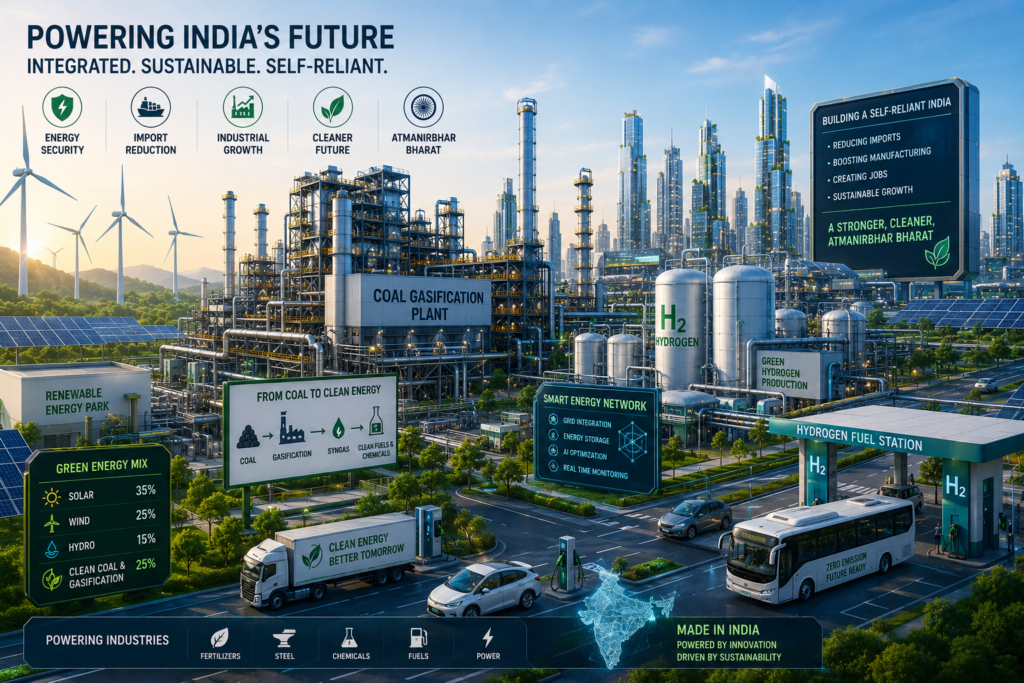
India’s ₹37,500 Cr Coal Gasification Drive Cuts Imports and represents a bold strategy to strengthen the nation’s energy independence, industrial growth, and economic resilience. By converting domestic coal into cleaner industrial fuels and chemicals, India hopes to reduce import dependence while creating jobs and boosting manufacturing.
The programme also highlights India’s broader approach toward balancing energy security with cleaner industrial technologies. If implemented successfully, the coal gasification initiative could become a major pillar of India’s long-term energy and industrial transformation.