

India’s Ethanol Push: 5 Big Gains Amid Oil Surge
As global crude oil prices continue to fluctuate and geopolitical tensions impact energy markets, India is accelerating its transition toward alternative fuels. India’s Ethanol Push: 5 Big Gains Amid Oil Surge has emerged as one of the country’s most strategic energy initiatives, aimed at reducing oil imports, supporting farmers, and improving environmental sustainability.
The Indian government’s ambitious ethanol blending program is reshaping the nation’s fuel ecosystem. With rising fuel demand and increasing pressure on foreign exchange reserves due to expensive crude imports, ethanol blending is no longer just an environmental policy — it is an economic necessity.
In this article, we explore how India’s Ethanol Push: 5 Big Gains Amid Oil Surge is delivering major benefits to the economy, agriculture sector, and clean energy transition.
What Is India’s Ethanol Blending Program?
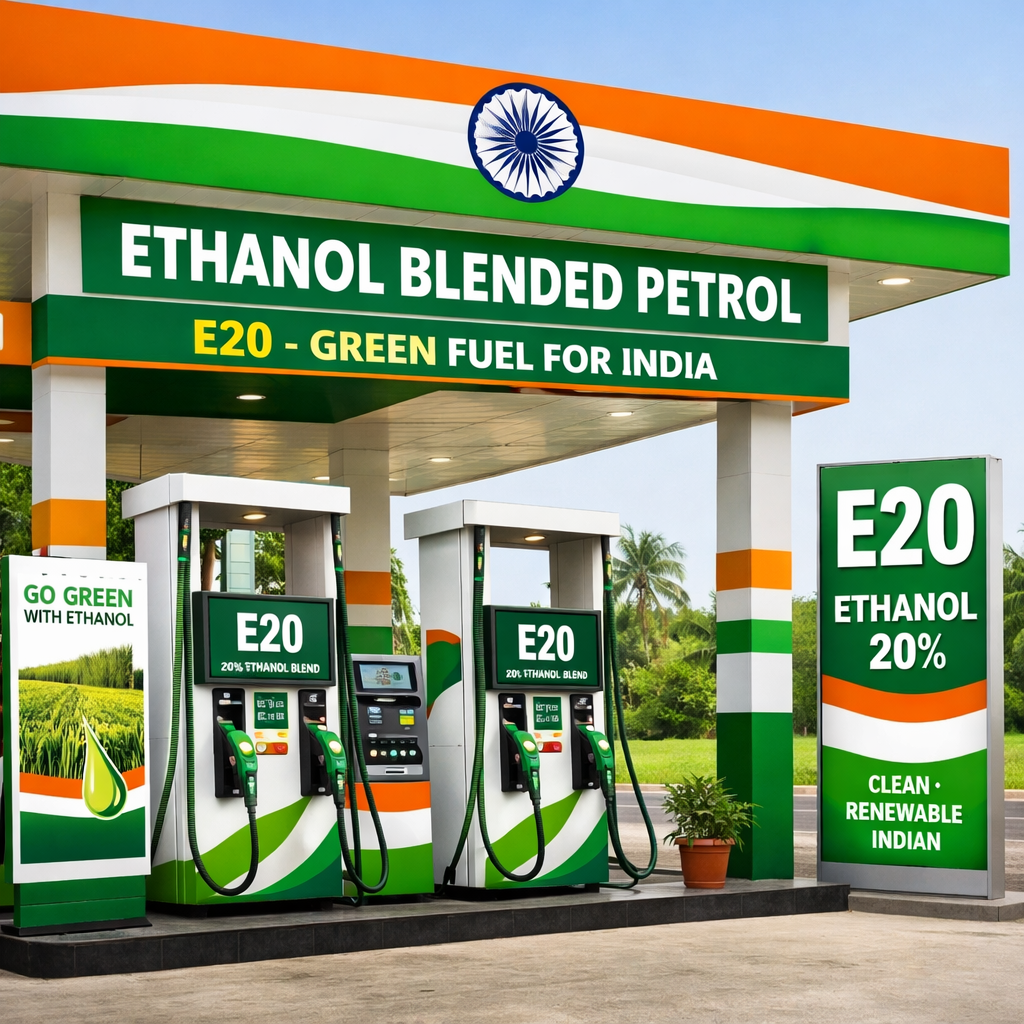
India’s ethanol blending program involves mixing ethanol with petrol to reduce dependence on fossil fuels. Ethanol is primarily produced from sugarcane, maize, and agricultural residues. The government has significantly accelerated blending targets over the past few years.
India achieved nearly 20% ethanol blending ahead of schedule in several regions, marking a major milestone in the country’s renewable fuel strategy. This move is helping India lower crude oil imports while simultaneously supporting domestic agriculture and biofuel industries.
India’s Ethanol Push: 5 Big Gains Amid Oil Surge for Energy Security
One of the biggest advantages of India’s ethanol mission is improved energy security.
India imports more than 85% of its crude oil requirements. When international oil prices rise sharply, the country faces inflationary pressure, higher transport costs, and currency challenges. Ethanol blending reduces this vulnerability by replacing a portion of imported fuel with domestically produced biofuel.
Key Energy Security Benefits:
- Lower dependence on imported crude oil
- Reduced exposure to global oil price shocks
- Better trade balance and forex savings
- Enhanced domestic fuel resilience
According to industry estimates, ethanol blending could save billions of dollars annually in oil imports if blending levels continue to rise nationwide.
India’s Ethanol Push: 5 Big Gains Amid Oil Surge for Farmers
Another major success story behind India’s Ethanol Push: 5 Big Gains Amid Oil Surge is the direct economic boost to Indian farmers.
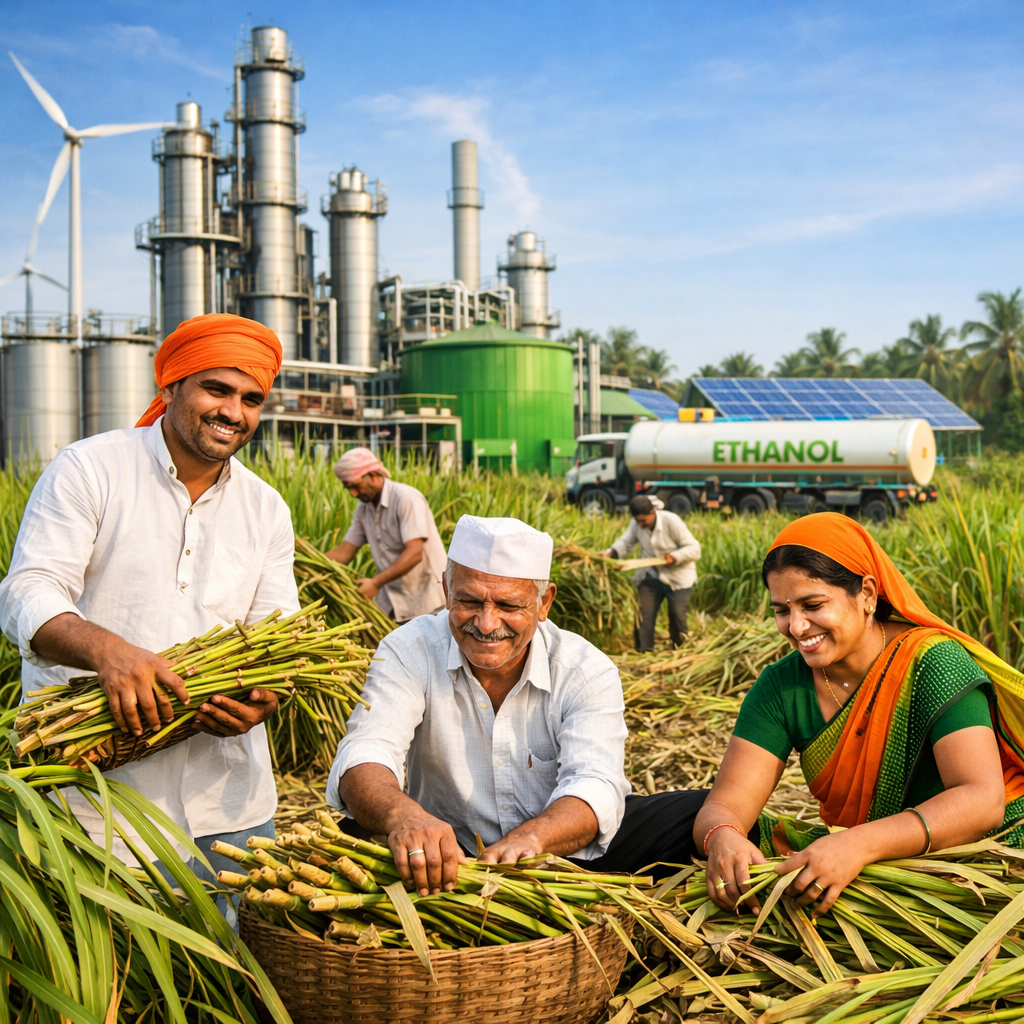
The ethanol industry creates additional demand for sugarcane, maize, and other feedstocks. This has opened new income opportunities for farmers, especially in rural regions dependent on agriculture.
How Farmers Benefit:
- Better crop demand stability
- Faster payments from sugar mills
- Diversification into biofuel crops
- Reduced agricultural surplus wastage
The ethanol ecosystem also helps sugar mills improve liquidity by converting excess sugar into ethanol production. This creates a more balanced agricultural economy and supports rural employment.
Environmental Benefits of India’s Ethanol Mission
India’s aggressive push toward ethanol blending is also contributing to cleaner air and lower carbon emissions.
Traditional fossil fuels release high levels of greenhouse gases. Ethanol, being a renewable biofuel, burns cleaner and reduces harmful pollutants in vehicles.
Environmental Gains Include:
- Lower carbon emissions
- Reduced air pollution in cities
- Improved sustainability in transportation
- Support for India’s climate commitments
As India expands electric mobility and renewable energy capacity, ethanol blending acts as a complementary strategy in the transition toward cleaner transportation systems.
India’s Ethanol Push: 5 Big Gains Amid Oil Surge and Economic Growth
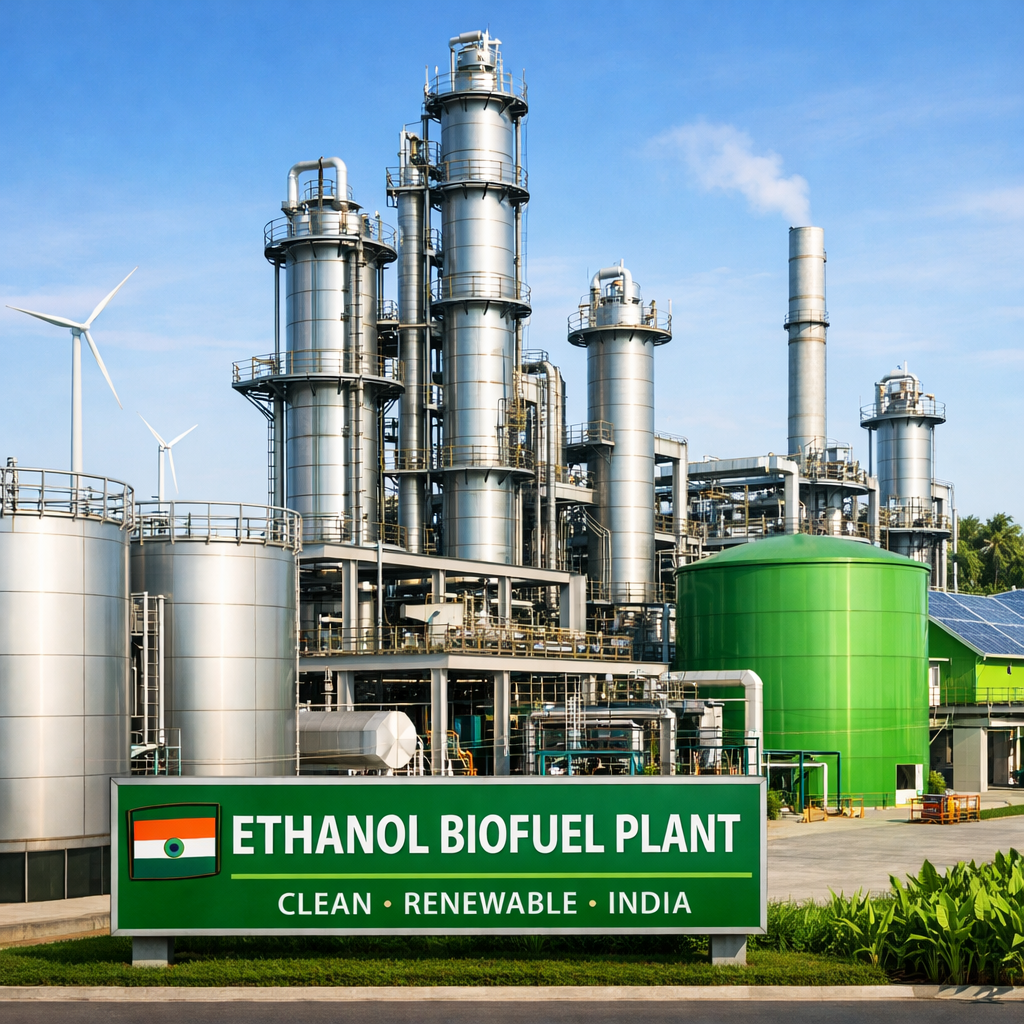
The biofuel revolution is creating fresh investment opportunities across multiple sectors. Ethanol plants, logistics infrastructure, storage facilities, and agricultural supply chains are witnessing rapid expansion.
Economic Growth Drivers:
- Increased private sector investments
- Growth in rural industrialization
- Expansion of bio-refineries
- Job creation across supply chains
India’s energy diversification strategy is attracting interest from domestic and international investors who see biofuels as a long-term growth sector.
The ethanol industry is also encouraging technological innovation in second-generation biofuels, which use agricultural waste and biomass instead of food crops.
Reduced Pressure on India’s Current Account Deficit
One often overlooked advantage of India’s Ethanol Push: 5 Big Gains Amid Oil Surge is its impact on India’s current account deficit (CAD).
Higher crude oil prices increase import bills and weaken the rupee. By reducing dependence on imported fuel, ethanol blending helps stabilize the economy during periods of global energy volatility.
Financial Benefits:
- Lower import expenditure
- Improved forex reserve management
- Better fiscal stability
- Reduced inflationary pressure
This becomes particularly important during periods of geopolitical uncertainty or supply disruptions in global oil markets.
Challenges Facing India’s Ethanol Expansion
Despite strong progress, India’s ethanol journey still faces several challenges.
Major Concerns:
- Water-intensive sugarcane cultivation
- Feedstock availability fluctuations
- Infrastructure bottlenecks
- Supply chain inefficiencies
Experts also warn against excessive dependence on sugarcane-based ethanol due to environmental concerns. As a result, India is increasingly focusing on maize-based ethanol and second-generation biofuels derived from agricultural waste.
Balancing food security, water management, and fuel production remains a critical policy challenge.
India’s Long-Term Biofuel Vision
India’s ethanol strategy is part of a broader clean energy roadmap aimed at reducing carbon emissions and improving energy independence.
The government is encouraging:
- Flexible fuel vehicles
- Advanced biofuel technologies
- Agricultural waste utilization
- Expansion of ethanol-compatible infrastructure
Future growth may also include sustainable aviation fuels and advanced renewable fuel technologies that further reduce fossil fuel dependence.
India’s success in ethanol blending could position the country as a global leader in biofuel innovation among emerging economies.
Global Perspective on Ethanol Adoption
Countries like Brazil and the United States have long used ethanol blending to strengthen energy independence. India is now emerging as one of the fastest-growing ethanol markets globally.
Brazil’s success with sugarcane ethanol provides an important model for India. However, India’s unique agricultural and population dynamics require a balanced approach to ensure food security and environmental sustainability.
The global transition toward cleaner fuels is expected to further accelerate investments in ethanol and biofuel technologies over the next decade.
Conclusion
India’s Ethanol Push: 5 Big Gains Amid Oil Surge represents far more than just an energy policy. It is a transformational strategy that connects agriculture, clean energy, economic resilience, and environmental sustainability.
From reducing oil imports and strengthening energy security to boosting farmer incomes and lowering emissions, ethanol blending is becoming a critical pillar of India’s future growth story.
While challenges remain, India’s commitment to renewable fuels demonstrates a long-term vision for a more self-reliant and sustainable economy. As oil prices continue to remain volatile globally, ethanol could play a defining role in shaping India’s energy future.