
RBI Slaps ₹33.6 Lakh Penalty on YES Bank, Hinduja
RBI Slaps ₹33.6 Lakh Penalty on YES Bank, Hinduja has become one of the biggest talking points in India’s banking and financial sector. The Reserve Bank of India (RBI), known for maintaining strict regulatory discipline, imposed a combined monetary penalty over alleged compliance lapses and regulatory violations linked to financial operations and governance standards.
The action once again highlights RBI’s aggressive stance on banking compliance, corporate governance, and financial transparency. As India’s banking ecosystem undergoes rapid modernization and tighter supervision, such penalties send a strong message to financial institutions and large corporate groups.
In this article, we examine why RBI imposed the penalty, what rules were allegedly violated, how YES Bank and the Hinduja Group are affected, and what this means for India’s banking sector moving forward.
RBI Slaps ₹33.6 Lakh Penalty on YES Bank, Hinduja: What Happened?
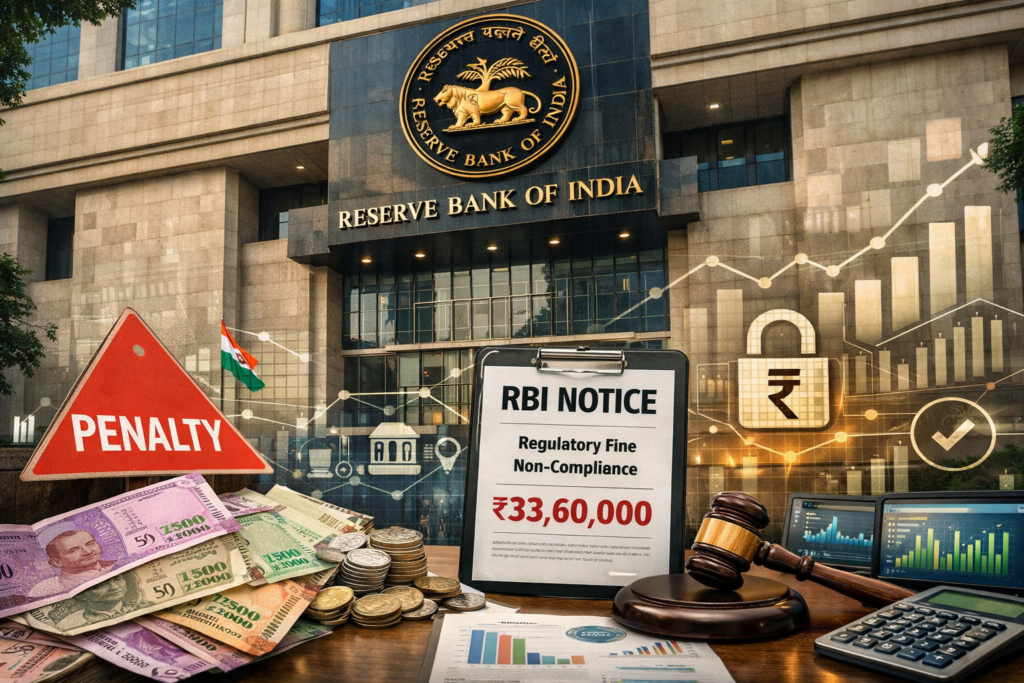
The Reserve Bank of India imposed a penalty totaling ₹33.6 lakh on entities associated with YES Bank and the Hinduja Group for non-compliance with certain regulatory norms.
According to regulatory disclosures, the penalty was linked to procedural and compliance-related shortcomings. RBI clarified that the action was based on deficiencies in regulatory adherence and not intended to question the validity of customer transactions or financial agreements.
India’s central bank has increasingly tightened oversight over banks and financial institutions in recent years. The move reflects RBI’s broader efforts to strengthen risk management systems, improve transparency, and ensure proper implementation of financial guidelines.
The announcement quickly attracted attention across India’s financial markets because both YES Bank and the Hinduja Group are major names in the country’s banking and corporate landscape.
Why RBI Slaps ₹33.6 Lakh Penalty on YES Bank, Hinduja Matters
The importance of this regulatory action extends beyond the monetary amount itself. While ₹33.6 lakh may not materially impact the financial strength of the institutions involved, the reputational implications are significant.
Key reasons why this development matters include:
- Increased RBI scrutiny on private banks
- Stronger enforcement of governance standards
- Emphasis on regulatory compliance
- Investor confidence concerns
- Greater accountability for corporate entities
The Indian banking sector has faced multiple governance-related challenges over the last decade. From bad loans to compliance failures, regulators are working to restore stronger operational discipline.
The RBI has repeatedly stated that adherence to banking norms is critical for financial stability. This latest action reinforces that message clearly.

RBI Slaps ₹33.6 Lakh Penalty on YES Bank, Hinduja and the Regulatory Background
To understand the significance of the penalty, it is important to understand RBI’s evolving regulatory framework.
The central bank regularly conducts inspections of banks and financial institutions under statutory powers. These inspections review:
- Loan sanctioning procedures
- Customer due diligence
- Corporate governance standards
- Risk management practices
- Financial reporting accuracy
- Regulatory compliance systems
When violations or deficiencies are identified, RBI can impose penalties under various provisions of the Banking Regulation Act.
In recent years, RBI has become more proactive in enforcement. Instead of merely issuing warnings, the regulator has increasingly used monetary penalties to ensure accountability.
This trend reflects India’s ambition to create a globally respected and transparent financial ecosystem.
Impact on YES Bank
YES Bank has undergone a dramatic transformation since its financial crisis in 2020. Following RBI-led restructuring efforts, the bank has focused heavily on rebuilding trust, improving governance, and strengthening operational systems.
The latest penalty may not significantly hurt the bank financially, but it could temporarily affect public perception.
However, analysts believe the impact is likely to remain limited because:
- The penalty amount is relatively small.
- RBI clarified the issue relates to compliance deficiencies.
- YES Bank continues improving operational standards.
- The bank remains under strong regulatory monitoring.
Investors generally interpret such penalties as warning signals rather than major financial threats unless repeated violations emerge.
The incident nevertheless serves as another reminder that Indian private banks remain under intense regulatory scrutiny.
Impact on the Hinduja Group
The Hinduja Group is one of India’s most diversified business conglomerates with interests across:
- Banking
- Automotive
- Energy
- Infrastructure
- Finance
- Media
Any regulatory action involving such a large corporate entity naturally attracts market attention.
Although the financial penalty itself is modest, compliance-related issues can influence investor sentiment and corporate reputation.
Large business groups increasingly face stricter governance expectations from regulators, shareholders, and international investors. Corporate transparency and compliance are now viewed as essential elements of long-term sustainability.
For conglomerates operating across multiple sectors, even minor regulatory observations can create broader discussions about governance systems and risk management frameworks.
RBI Slaps ₹33.6 Lakh Penalty on YES Bank, Hinduja: Broader Banking Sector Implications
This development reflects broader structural changes happening within India’s financial sector.
1. Stronger Regulatory Enforcement
RBI is increasingly using penalties as a tool to ensure discipline. Financial institutions are expected to maintain robust compliance systems at all times.
2. Focus on Governance
Corporate governance has become a central theme in Indian banking reforms. Institutions are expected to strengthen internal audits, compliance teams, and risk oversight mechanisms.
3. Digital Banking Risks
As banking operations become more digital, compliance complexities are growing rapidly. Regulators are demanding higher standards for monitoring and reporting systems.
4. Investor Expectations
Global investors increasingly favor companies with strong governance frameworks. Regulatory penalties can impact market sentiment even when the financial impact is limited.
5. Financial Stability Priorities
RBI’s aggressive monitoring demonstrates its commitment to protecting India’s financial system from operational and governance-related risks.
Market Reaction and Investor Sentiment
Financial markets generally react quickly to regulatory announcements involving major banks or business groups.
In this case, experts suggest the penalty is unlikely to create long-term instability because the amount involved is relatively minor. However, investors often monitor such actions carefully to identify patterns of governance or compliance concerns.
Key investor concerns include:
- Whether violations are isolated incidents
- Future regulatory actions
- Impact on management credibility
- Internal control effectiveness
- Governance quality
For listed companies and banks, maintaining regulatory trust is essential for preserving market confidence.
RBI’s Expanding Role in Banking Supervision
The Reserve Bank of India has transformed significantly in recent years. Beyond monetary policy, RBI now plays a more aggressive supervisory role.
Its priorities include:
- Reducing systemic financial risks
- Preventing fraud
- Improving transparency
- Strengthening banking governance
- Protecting depositors
- Enhancing operational accountability
This stricter approach is widely viewed as necessary to ensure long-term stability in one of the world’s fastest-growing financial markets.
As India aims to become a global financial powerhouse, regulatory discipline is expected to remain a major focus area.

Conclusion
RBI Slaps ₹33.6 Lakh Penalty on YES Bank, Hinduja highlights the central bank’s continued emphasis on compliance, governance, and financial discipline within India’s banking ecosystem.
While the monetary penalty itself may not significantly affect the institutions involved, the regulatory message is powerful. RBI is signaling clearly that even procedural lapses and compliance deficiencies will face scrutiny.
For YES Bank, the incident underscores the importance of maintaining strong governance after its restructuring journey. For the Hinduja Group, it reinforces the growing importance of corporate compliance in today’s highly regulated financial environment.
More broadly, the development reflects India’s push toward a stronger, more transparent, and globally credible banking system. As regulatory oversight intensifies, financial institutions and corporate groups will need to prioritize compliance and governance more than ever before.
In the coming years, stricter supervision by RBI is likely to become a defining feature of India’s evolving financial landscape.