
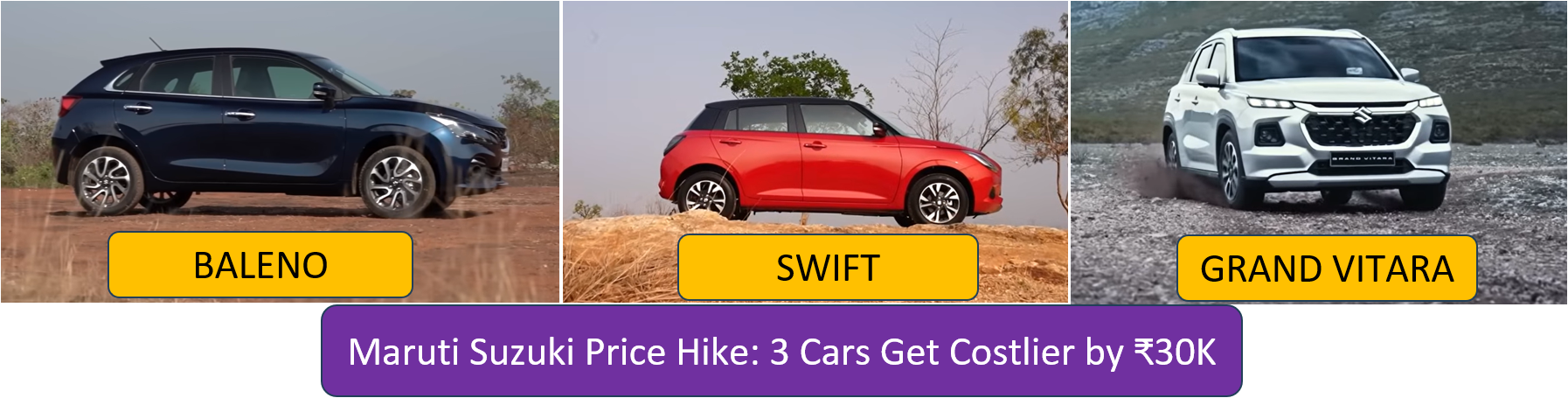
Maruti Suzuki Price Hike: 3 Cars Get Costlier by ₹30K
The Maruti Suzuki Price Hike: 3 Cars Get Costlier by ₹30K story has become an important development for Indian car buyers as the country’s largest passenger-vehicle manufacturer has revised prices across several models in August 2026. The latest increase varies by model and variant, with the maximum revision reaching ₹30,000. The Baleno has received the biggest increase, while the Swift and Grand Vitara have also become more expensive.
The latest revision is particularly significant because Maruti Suzuki has already implemented another broad price increase earlier in 2026. The company has cited an adverse cost environment, inflationary pressures and higher input costs as key reasons behind its pricing decisions.
For buyers planning to purchase a Maruti Suzuki car during the crucial festive season, the latest price revision means that comparing variants, dealer offers, exchange benefits and final on-road prices has become more important than ever.
Quick Highlights
- Maximum price hike: Up to ₹30,000
- Model with the biggest hike: Maruti Suzuki Baleno
- Baleno maximum increase: Up to ₹30,000
- Swift maximum increase: Up to ₹5,000
- Grand Vitara maximum increase: Up to ₹5,000
- e Vitara maximum increase: Up to ₹20,000
- Jimny maximum increase: Up to ₹15,000
- Reason: Rising input costs and an adverse cost environment
- Timing: August 2026
- Impact: Varies by model and variant
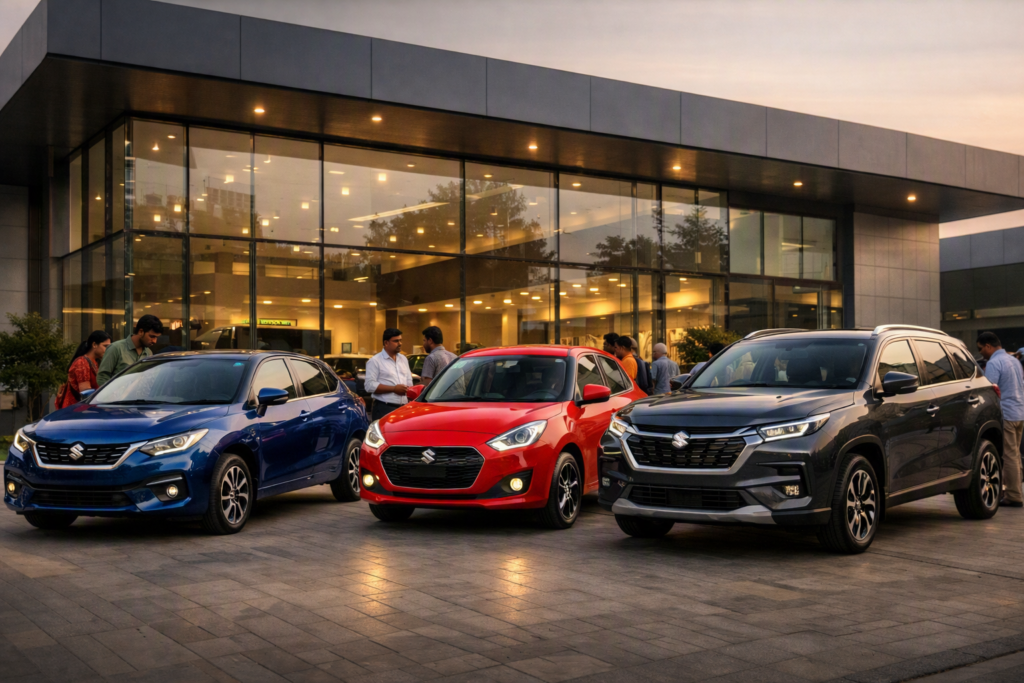
Maruti Suzuki Price Hike Explained: Why Are Cars Getting Costlier?
The latest Maruti Suzuki Price Hike: 3 Cars Get Costlier by ₹30K revision is part of a wider cost-management challenge facing automobile manufacturers.
Car companies have to manage expenses related to steel, aluminium, electronic components, batteries, logistics, manufacturing, labour and other raw materials. When these expenses increase for a sustained period, manufacturers can either absorb the additional cost, reduce expenses elsewhere or pass part of the increase to customers.
Maruti Suzuki has indicated that it has been taking cost-reduction measures to minimise the impact of inflation and rising input costs. However, the company has also decided that a portion of the additional cost needs to be passed on to buyers.
The August increase is noteworthy because it comes relatively soon after the previous price revision. That means some customers could face a higher overall purchase price than they would have encountered earlier in the year.
The exact impact, however, depends on the specific model, powertrain and variant.
Baleno Faces the Biggest ₹30,000 Price Increase
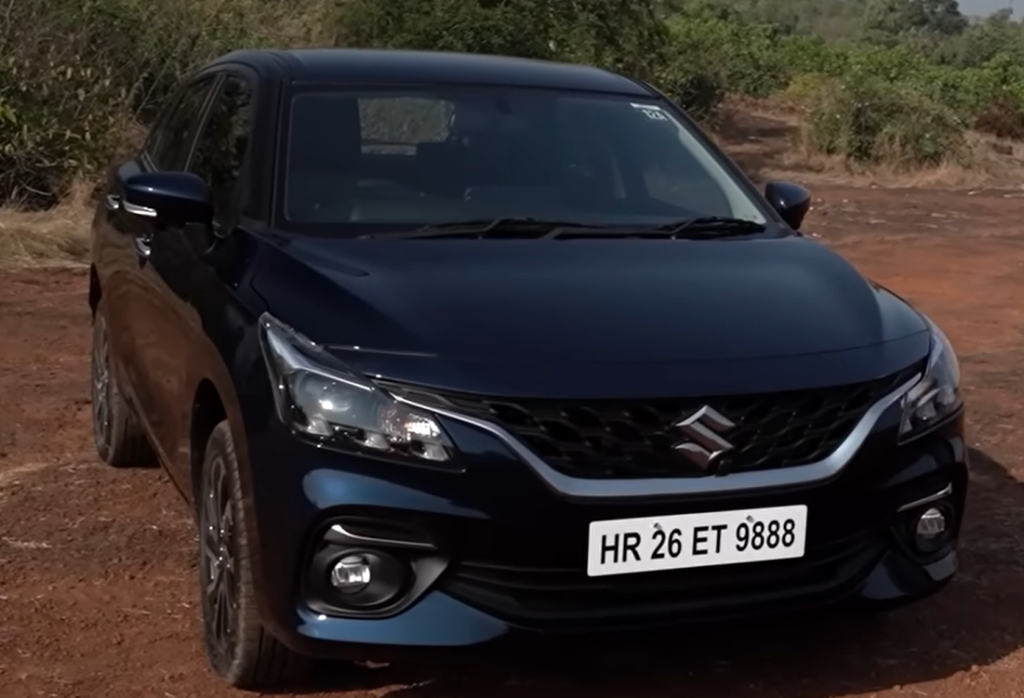
The Maruti Suzuki Baleno is at the centre of the latest price revision.
According to the latest model-wise price information, selected Baleno variants have received an increase of up to ₹30,000, making it the model with the steepest hike in the current revision. The Alpha variants have reportedly received the largest increase.
The Baleno is one of Maruti Suzuki’s important premium hatchbacks and is sold through the company’s Nexa retail network. It competes with established models such as the Hyundai i20 and Tata Altroz.
The ₹30,000 increase is significant because the Baleno operates in a highly competitive segment where customers are often price-sensitive.
For example, a buyer comparing two similarly priced hatchbacks may now need to consider the revised Baleno price alongside equipment, fuel efficiency, automatic transmission availability, safety features and after-sales support.
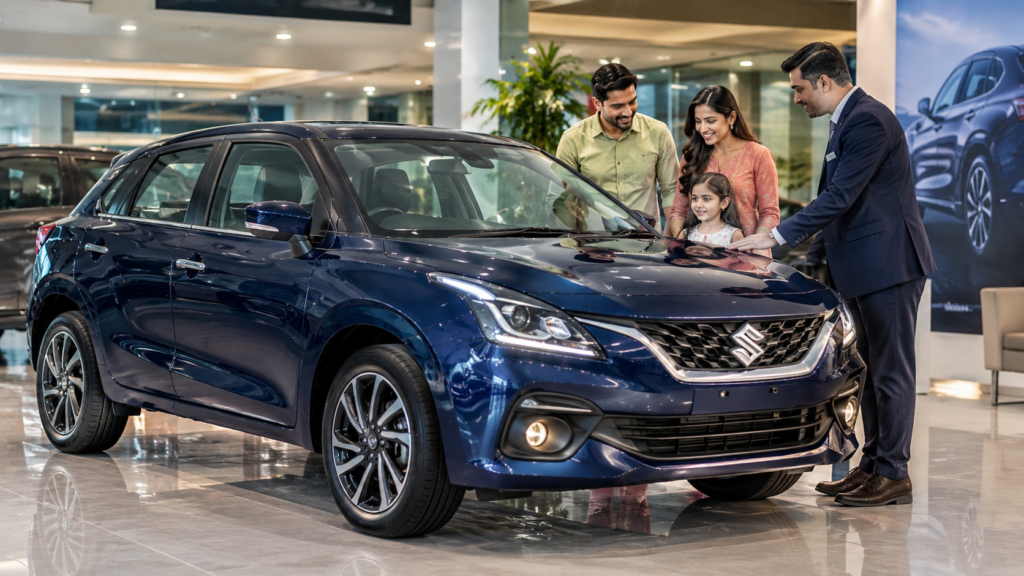
Why the Baleno Hike Matters
A ₹30,000 increase does not necessarily make the Baleno unaffordable, but it can influence the final purchase decision.
Buyers financing their cars through a loan may also see a small increase in their monthly EMI. The actual EMI impact will depend on the loan amount, interest rate and tenure.
More importantly, the increase demonstrates how even popular mass-market models are becoming exposed to higher manufacturing and operating costs.
Swift Price Hike Reaches ₹5,000
The Maruti Suzuki Swift has also become costlier under the August 2026 revision.
The latest data indicates that Swift prices have increased by up to ₹5,000, depending on the variant.
Compared with the Baleno’s maximum ₹30,000 increase, the Swift’s revision is relatively modest. Nevertheless, the Swift is one of Maruti Suzuki’s high-volume models, so even a smaller price increase can affect a large number of potential buyers.
The Swift continues to occupy an important position in India’s hatchback market because of its combination of compact dimensions, fuel efficiency, features and widespread service availability.
The latest increase could therefore be watched closely by buyers who are shopping in the ₹7 lakh-to-₹10 lakh price range, although actual pricing depends on the chosen variant and location.
Grand Vitara Gets a ₹5,000 Increase
The Maruti Suzuki Grand Vitara has also been affected by the latest Maruti Suzuki Price Hike: 3 Cars Get Costlier by ₹30K development.
The Grand Vitara has received a maximum price increase of ₹5,000, according to the latest model-wise information. However, the increase does not apply identically to every variant. Some CNG and selected petrol variants have reportedly remained unaffected.
The Grand Vitara is sold through the Nexa network and competes in India’s highly competitive midsize SUV segment.
Its rivals include the Hyundai Creta, Kia Seltos, Toyota Urban Cruiser Hyryder and Honda Elevate.
The ₹5,000 increase is comparatively small for an SUV in this category, but buyers should still compare the revised ex-showroom price with dealer-level benefits before booking.
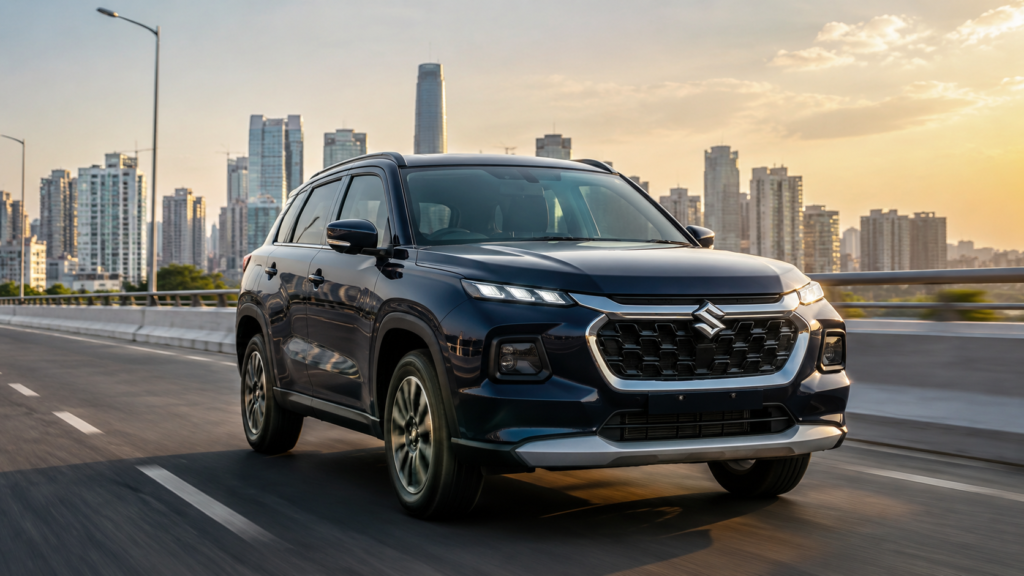
Maruti Suzuki Price Hike: Model-Wise Increase at a Glance
The August 2026 revision covers a broader range of Maruti Suzuki vehicles beyond the three models highlighted in the headline.
| Maruti Suzuki Model | Maximum August 2026 Hike |
|---|---|
| Baleno | Up to ₹30,000 |
| e Vitara | Up to ₹20,000 |
| Jimny | Up to ₹15,000 |
| Victoris | Up to ₹10,000 |
| Invicto | Up to ₹10,000 |
| Ertiga | Up to ₹7,500 |
| Fronx | Up to ₹7,500 |
| XL6 | Up to ₹7,500 |
| Swift | Up to ₹5,000 |
| Brezza | Up to ₹5,000 |
| Grand Vitara | Up to ₹5,000 |
| Alto K10 | Up to ₹2,500 |
| S-Presso | Up to ₹2,500 |
| Celerio | Up to ₹2,500 |
| WagonR | Up to ₹2,500 |
The increase varies by model and variant, so the maximum amount shown above should not be interpreted as a uniform increase across the entire range.
e Vitara, Jimny and Victoris Also Become Costlier
The latest revision extends beyond conventional petrol, CNG and hybrid vehicles.
Maruti Suzuki’s electric SUV, the e Vitara, has received an increase of up to ₹20,000. The Jimny has become costlier by up to ₹15,000, while the Victoris and Invicto have seen increases of up to ₹10,000.
This is important because Maruti Suzuki is expanding its product portfolio across multiple segments.
The e Vitara, in particular, represents the company’s push into India’s electric passenger-vehicle market. The price adjustment means prospective EV buyers will need to compare its revised pricing with competing electric SUVs.
Meanwhile, the Jimny continues to occupy a distinctive niche as a compact lifestyle SUV with four-wheel-drive capability.
Why the Latest Price Hike Is Important Before the Festive Season
The timing of the Maruti Suzuki Price Hike: 3 Cars Get Costlier by ₹30K announcement is particularly important.
India’s automobile market traditionally experiences stronger demand around festivals such as Ganesh Chaturthi, Navratri, Dussehra and Diwali. Automakers and dealers generally prepare inventory ahead of this period.
Recent July dispatch data also showed strong wholesale momentum for Maruti Suzuki. The company reportedly dispatched 1,96,203 vehicles in July 2026, representing 42% year-on-year growth, with models such as Dzire, WagonR, Ertiga and Swift contributing significantly to volumes.
That creates an interesting situation.
On one side, demand and dealer inventory preparation appear strong. On the other, higher vehicle prices could increase the financial burden on customers.
The eventual impact will depend on how much of the price increase is offset through discounts, exchange bonuses and financing schemes.
How Much Will the Price Hike Affect Monthly EMI?
For customers purchasing their cars through financing, the impact of a ₹5,000 or ₹30,000 increase may appear relatively small when spread across several years.
For example, if a buyer finances an additional ₹30,000 over five years, the increase in EMI will generally be much smaller than ₹30,000 divided by 60 because interest is also calculated on the financed amount.
However, the buyer’s total acquisition cost still rises.
There are also other expenses that should be considered:
- Ex-showroom price
- Registration charges
- Insurance
- Extended warranty
- Accessories
- Financing charges
- Exchange value
- Dealer discounts
Consequently, buyers should not evaluate the Maruti Suzuki Price Hike: 3 Cars Get Costlier by ₹30K headline solely on the basis of the ₹30,000 figure.
The final on-road price is what matters.
Should You Buy a Maruti Suzuki Car Before the Festive Season?
There is no universal answer.
If a customer has already finalised a vehicle and the dealer has an attractive offer on available stock, buying sooner could make financial sense. But buyers should not rush solely because of a price-hike headline.
A better approach is to compare:
- Revised ex-showroom price.
- Current dealer discount.
- Exchange bonus.
- Scrappage benefits, if applicable.
- Insurance discount.
- Financing interest rate.
- Waiting period.
- Manufacturing month.
- Variant-specific equipment.
- Final on-road price.
A ₹20,000 discount on an older vehicle, for example, may offset a substantial part of a price increase, while a dealer offering no discount could make the revised price more meaningful.
What Existing Maruti Suzuki Bookings Should Know
Customers who have already booked a Maruti Suzuki vehicle should contact their dealer and confirm the price applicable at invoicing.
The booking price and final invoice price can be subject to the manufacturer’s pricing policy and the terms of the booking. Therefore, buyers should not automatically assume that an earlier booking guarantees the old price.
Customers should ask the dealer for a written breakup covering:
- Vehicle ex-showroom price
- Applicable price revision
- Insurance
- Registration
- Accessories
- Discounts
- Exchange benefits
- Final on-road price
This can help prevent confusion at the time of delivery.
Maruti Suzuki Price Hike and the Indian Auto Market
The latest revision also highlights a broader trend in India’s automobile industry.
Manufacturers are increasingly balancing affordability with higher costs associated with technology, safety equipment, emissions compliance, electrification, logistics and raw materials.
Modern cars include more electronics, advanced infotainment systems, connected-car technology and safety equipment than previous generations. Electric and hybrid vehicles also require expensive battery and power-electronics components.
At the same time, customers remain highly price-sensitive.
That makes pricing strategy increasingly important for manufacturers.
Maruti Suzuki has historically built its market position around affordability, fuel efficiency and a broad product range. Maintaining this value proposition while absorbing higher costs is therefore a significant challenge.
Impact on Baleno Buyers
Among the three headline models, Baleno buyers face the biggest direct impact.
A maximum increase of ₹30,000 can make a noticeable difference when comparing multiple hatchback variants.
However, customers should also evaluate whether the selected Baleno variant offers the features they actually need.
A lower variant with a smaller price increase could potentially deliver better value than a higher variant simply because it has more features.
The right choice depends on the buyer’s budget, driving requirements and expected ownership period.
Impact on Swift Buyers
The Swift’s maximum ₹5,000 increase is much smaller.
For most buyers, the change is unlikely to be a decisive factor by itself. However, when combined with insurance, registration and accessories, every additional cost matters.
The Swift’s continued strong market performance also means that buyers may want to compare its waiting period and dealer offers before making a final decision.
Impact on Grand Vitara Buyers
The Grand Vitara’s maximum ₹5,000 increase is comparatively limited.
For customers interested in a hybrid or SUV, factors such as fuel economy, powertrain, space, features, warranty and long-term ownership costs could be more important than the ₹5,000 revision itself.
The availability of variant-specific benefits is another factor worth checking.
Maruti Suzuki Price Hike: Is the ₹30K Increase a Big Deal?
The answer depends on the model.
For a ₹30,000 increase on selected Baleno variants, the revision is meaningful because hatchback buyers tend to be highly price conscious.
For a ₹5,000 increase on the Swift or Grand Vitara, the impact is much smaller relative to the overall vehicle price.
The headline Maruti Suzuki Price Hike: 3 Cars Get Costlier by ₹30K therefore needs to be understood carefully.
It does not mean that all three cars have become ₹30,000 more expensive.
Instead, the ₹30,000 figure represents the maximum increase in the current revision, with Baleno variants receiving the steepest hike. Swift and Grand Vitara have maximum increases of up to ₹5,000.
This distinction is important for accurate reporting and for consumers comparing prices.
What Buyers Should Do Now
Potential Maruti Suzuki buyers should take five practical steps before booking:
1. Check the Latest Variant Price
Do not rely on an older online price. Ask the dealership for the latest official price applicable to your specific variant.
2. Compare On-Road Prices
The ex-showroom increase is only one part of the final cost. Registration, insurance and accessories can significantly affect the total.
3. Negotiate Dealer Benefits
Ask about exchange bonuses, cash benefits, corporate offers and accessories.
4. Compare Competing Cars
Baleno buyers can compare the Hyundai i20 and Tata Altroz, while Grand Vitara shoppers can consider models such as the Hyundai Creta, Kia Seltos, Toyota Urban Cruiser Hyryder and Honda Elevate.
5. Consider Your Purchase Timeline
If the vehicle is needed immediately, waiting solely for a potential future price reduction may not be worthwhile. Conversely, buyers without an urgent requirement can monitor festive offers.
Future Outlook for Maruti Suzuki Prices
The future direction of vehicle prices will depend on several factors.
Input-cost inflation remains one of the biggest variables. Commodity prices, logistics expenses, currency movements and component costs can all influence manufacturing economics.
Demand will also play an important role.
If festive-season demand remains strong despite higher prices, manufacturers may have greater flexibility to maintain current pricing. If demand weakens, manufacturers could respond through discounts and promotional campaigns rather than direct price reductions.
For customers, this means the headline ex-showroom price is only part of the story.
Dealer incentives can sometimes make the effective transaction price substantially different from the official list price.
Is the Maruti Suzuki Price Hike Bad for Buyers?
The latest Maruti Suzuki Price Hike: 3 Cars Get Costlier by ₹30K revision is clearly negative for customers because it increases the upfront cost of selected vehicles.
However, the impact is not uniform.
The Baleno’s maximum ₹30,000 increase is the most significant, while the Swift and Grand Vitara face much smaller increases of up to ₹5,000.
For a buyer already planning to purchase a car, the price increase should encourage more careful comparison rather than panic buying.
The strongest strategy is to negotiate the complete on-road package and compare the revised price with competing models.
Maruti Suzuki continues to have major advantages in terms of product reach, service network and model diversity. Its strong July 2026 dispatch performance also suggests that demand remains healthy.
Nevertheless, repeated price revisions could gradually increase the cost barrier for first-time buyers, particularly in the entry and mid-level segments.
Frequently Asked Questions
1. What is the latest Maruti Suzuki price hike?
The latest August 2026 revision increases prices across several Maruti Suzuki models, with the maximum increase reaching ₹30,000. The exact amount varies by model and variant.
2. Which Maruti Suzuki car gets the biggest price hike?
The Baleno receives the biggest increase, with selected variants becoming costlier by up to ₹30,000.
3. How much has the Maruti Swift price increased?
The Swift has received a maximum price increase of up to ₹5,000 in the August 2026 revision.
4. How much has the Grand Vitara price increased?
The Grand Vitara has received a maximum increase of up to ₹5,000, although the revision varies by variant and some versions have reportedly remained unaffected.
5. Why has Maruti Suzuki increased car prices?
Maruti Suzuki has cited an adverse cost environment, inflationary pressures and higher input costs. The company has also said it has undertaken cost-reduction measures to limit the impact.
6. Is every Maruti Suzuki car ₹30,000 more expensive?
No. ₹30,000 is the maximum increase. Different models and variants have received different price revisions, ranging from around ₹2,500 to ₹30,000 in the latest revision.
7. Should I buy a Maruti Suzuki car before the festive season?
It depends on the specific model, dealer discount and purchase requirement. Buyers should compare the revised price with available discounts and the final on-road cost before booking.
8. Does the price hike apply to the Grand Vitara CNG?
The latest model-wise information indicates that all CNG variants of the Grand Vitara, along with certain petrol variants, remained unaffected by the August revision. Buyers should confirm the current price with an authorised dealer.
9. Which other Maruti Suzuki models have become costlier?
Apart from the Baleno, Swift and Grand Vitara, models including the e Vitara, Jimny, Victoris, Invicto, Fronx, Ertiga, XL6, Brezza and others have also received price revisions of varying amounts.
10. Will Maruti Suzuki reduce prices again?
There is currently no basis to assume a future price reduction. Prices can change depending on input costs, market conditions, demand and the company’s pricing strategy.
Conclusion
The Maruti Suzuki Price Hike: 3 Cars Get Costlier by ₹30K development is significant for Indian car buyers because it arrives ahead of the important festive sales period.
The Baleno is the biggest headline-maker, with selected variants receiving a maximum ₹30,000 increase. The Swift and Grand Vitara have received comparatively smaller increases of up to ₹5,000.
The broader portfolio has also been affected, with the e Vitara, Jimny, Victoris, Invicto, Fronx, Ertiga and other models receiving varying price revisions.
For buyers, the most important takeaway is simple: do not judge the purchase decision only by the headline price hike. Check the exact variant, current dealer offers, exchange benefits, financing terms and final on-road price.
As Maruti Suzuki enters the festive season with strong recent dispatch momentum, the company will be hoping that the latest price revision does not weaken consumer demand. For customers, however, the new prices make careful comparison and negotiation more important than ever.
My View – Maruti Suzuki Price Hike: 3 Cars Get Costlier by ₹30K.
Maruti Suzuki’s latest price hike highlights rising cost pressures across India’s auto sector. With the Maruti Suzuki price hike reaching up to ₹30,000, buyers may face higher ownership costs, particularly for popular models such as Baleno and Swift. While the price hike could slightly affect demand, it also reflects Maruti Suzuki‘s effort to protect margins against increasing input and production costs. For consumers, the Maruti Suzuki Price hike is another reminder that even India’s leading carmaker is navigating inflation and changing market conditions.