
The RBI Set to Hold Rates Amid West Asia Conflict Shock is the central theme dominating India’s financial landscape this April. With geopolitical tensions escalating in West Asia, the Reserve Bank of India (RBI) is expected to maintain its cautious stance in the upcoming Monetary Policy Committee (MPC) meeting.
RBI Set to Hold Rates Amid West Asia Conflict Shock — this emerging narrative is shaping India’s monetary policy outlook as geopolitical tensions in West Asia ripple through global markets. With crude oil prices turning volatile and inflation risks resurfacing, the Reserve Bank of India (RBI) appears poised to maintain a cautious stance on interest rates in its upcoming policy review.
As an experienced observer of central banking trends, it is evident that the RBI is balancing domestic growth priorities with external uncertainties. The West Asia conflict has introduced fresh complexities, particularly for an economy like India that is heavily dependent on energy imports.
RBI Set to Hold Rates Amid West Asia Conflict Shock: Policy Outlook
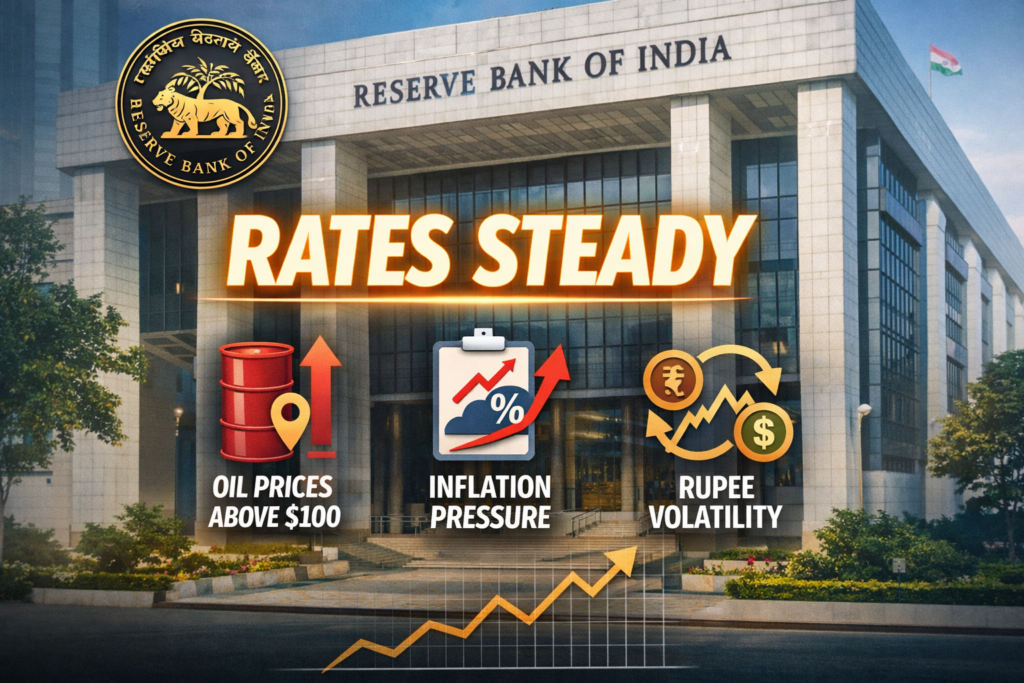
- Repo Rate Stability: Analysts, including SBI Research, forecast that the RBI will keep the repo rate unchanged at 5.25%.
- Neutral Stance: The central bank is likely to continue with a neutral policy stance, balancing inflationary pressures with growth imperatives.
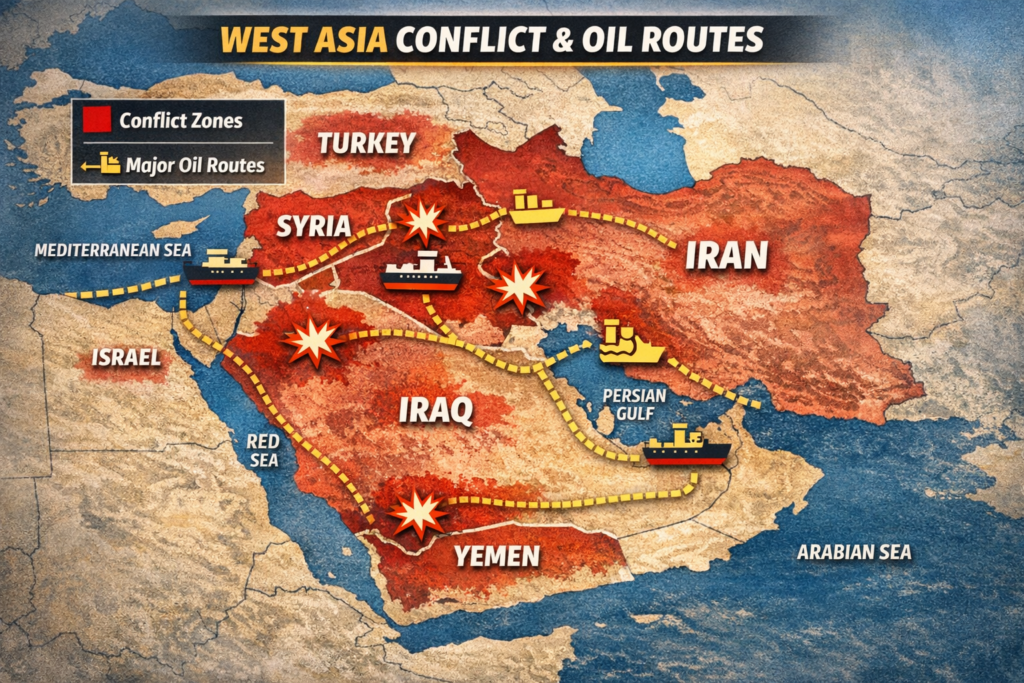
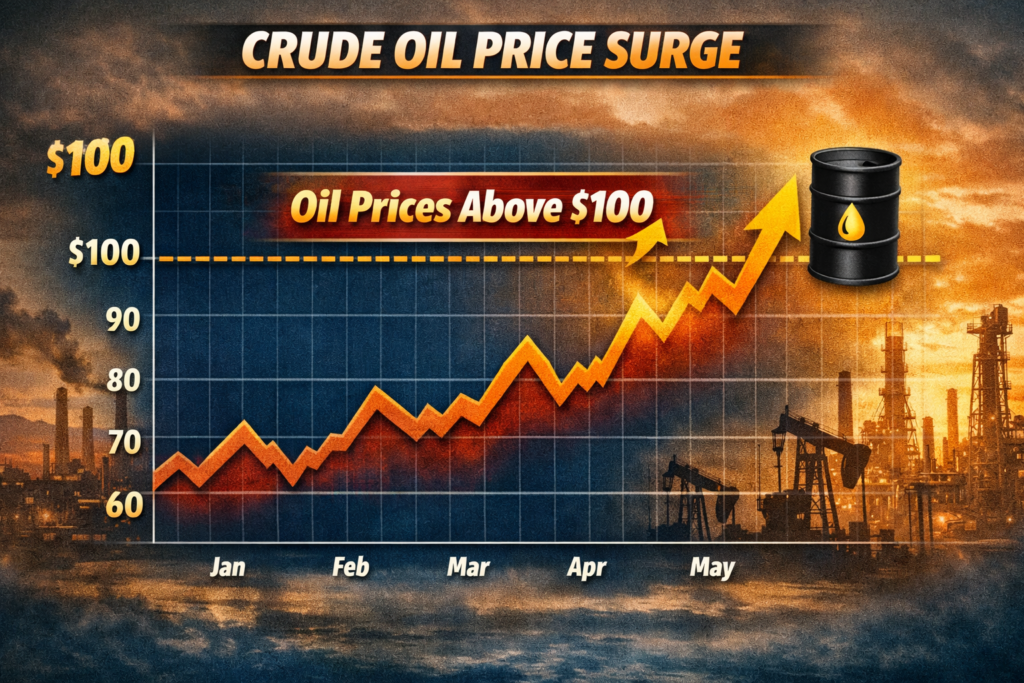
- Global Uncertainty: The West Asia conflict has disrupted energy markets, pushing crude oil prices above $100 per barrel, directly impacting India’s import bill and inflation trajectory.
RBI Set to Hold Rates Amid West Asia Conflict Shock: Inflation Concerns
- Imported Inflation: Rising oil prices have already lifted imported inflation to 5.4%, with further risks ahead.
- Food Inflation: Domestic food prices remain volatile, adding to household stress.
- Currency Volatility: The rupee faces pressure against the dollar, making imports costlier and widening the current account deficit.
| Challenge | Impact on India |
|---|---|
| Oil Prices > $100/barrel | Higher import bill, inflationary pressures |
| West Asia Conflict | Global trade disruptions, energy market volatility |
| Weak Rupee | Costlier imports, pressure on forex reserves |
| Bond Yields Rising | Markets pricing in risk of future hikes (>100 bps) |
| Inflation Risks | Imported inflation at 5.4%, food inflation rising |
RBI Set to Hold Rates Amid West Asia Conflict Shock: SBI Research Insights
According to SBI Research, the RBI’s priority will be stability over aggressive rate action. The report highlights:
- Liquidity Management: Ensuring adequate liquidity in the banking system to support credit growth.
- Bond Market Signals: Yields are rising, with markets pricing in potential hikes of over 100 basis points if global shocks intensify.
- Calibrated Approach: RBI is expected to adopt a wait‑and‑watch strategy, closely monitoring oil prices, rupee movement, and geopolitical developments.
RBI Set to Hold Rates Amid West Asia Conflict Shock: Impact on Stakeholders

- Borrowers: Relief as lending rates are unlikely to rise immediately, supporting retail and corporate borrowers.
- Investors: Bond markets may remain volatile, but stability in policy rates offers short‑term confidence.
- Consumers: Inflationary pressures, especially in fuel and food, will continue to pinch household budgets.
- Government: Fiscal measures may be needed to cushion the inflationary impact and protect vulnerable sections.
RBI Set to Hold Rates Amid West Asia Conflict Shock: Strategic Implications
The RBI’s decision reflects a delicate balancing act:
- Preserving growth momentum while containing inflation.
- Avoiding premature tightening that could hurt recovery.
- Maintaining credibility as a cautious, stability‑focused central bank amid global turmoil.
Conclusion
The RBI Set to Hold Rates Amid West Asia Conflict Shock underscores India’s cautious approach in navigating global volatility. With oil prices surging, inflation risks rising, and geopolitical uncertainty clouding the outlook, the RBI’s decision to hold rates steady reflects its commitment to stability. For borrowers, investors, and policymakers alike, this pause offers breathing space, but challenges remain as global turmoil continues to shape India’s economic trajectory.