
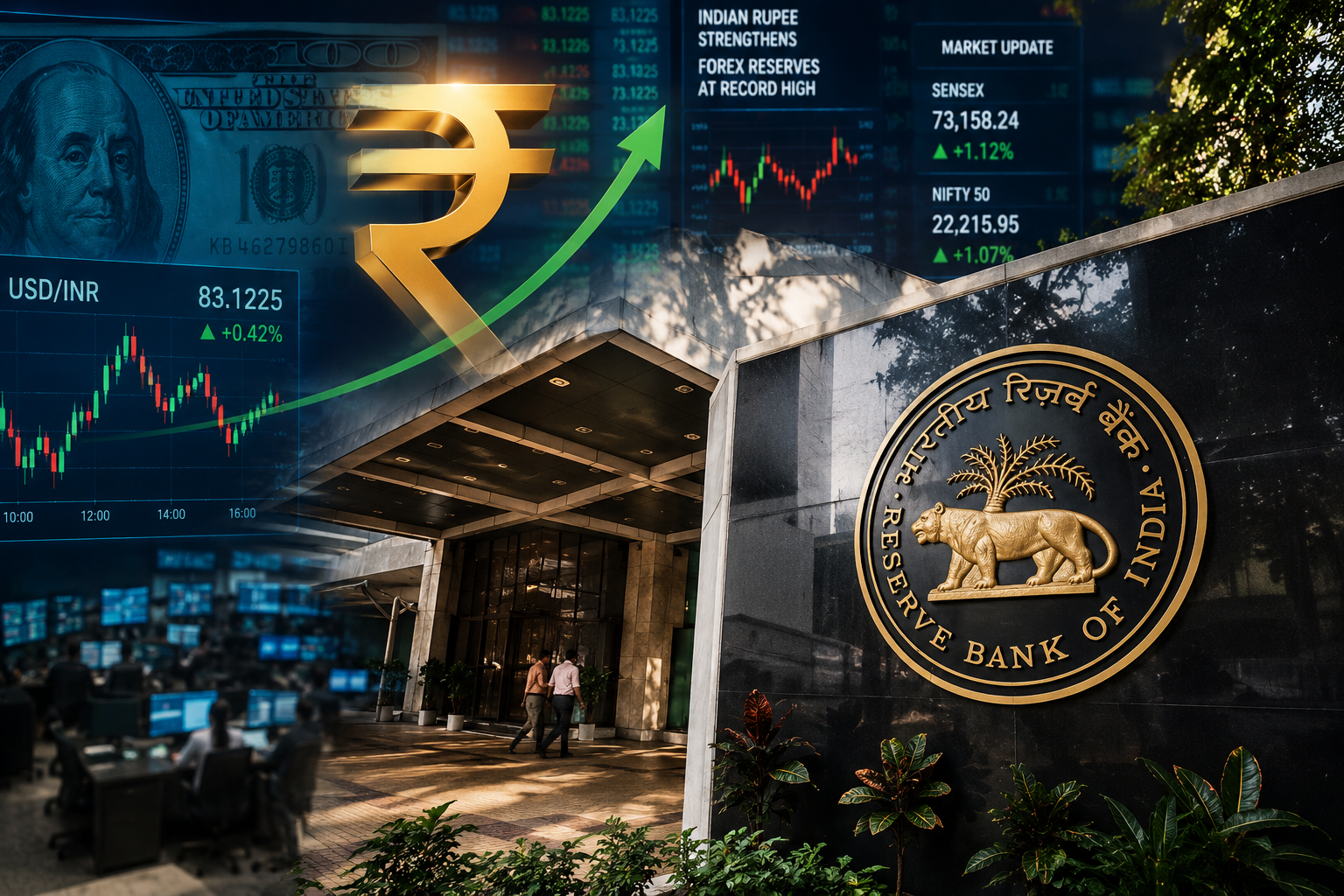
RBI’s Five Point Dollar Plan: Rupee Gets a Lifeline
RBI’s Five Point Dollar Plan: Rupee Gets a Lifeline at a crucial time for India’s financial markets. With global uncertainties, fluctuating oil prices, geopolitical tensions, and a strengthening U.S. dollar creating pressure on emerging market currencies, the Reserve Bank of India (RBI) has unveiled a strategic set of measures aimed at supporting the Indian rupee and ensuring adequate dollar liquidity in the financial system.
As someone who has closely followed India’s monetary policy and currency markets for years, I believe this initiative could become one of the most important interventions of the year. The plan is designed not only to stabilize the rupee but also to reassure investors, improve liquidity, and protect India’s macroeconomic stability.
In this article, we examine how RBI’s Five Point Dollar Plan: Rupee Gets a Lifeline, what the five measures involve, their potential impact on the economy, and why they matter for businesses, investors, and ordinary citizens.
Why the Rupee Needed Support
The Indian rupee has faced several challenges in recent months:
- Higher global interest rates
- Strong demand for U.S. dollars
- Rising crude oil import bills
- Foreign portfolio outflows
- Global geopolitical uncertainty
Since India imports a significant portion of its energy requirements, a weaker rupee increases import costs and can contribute to inflation. This makes currency stability a key objective for policymakers.
That is precisely why RBI’s Five Point Dollar Plan: Rupee Gets a Lifeline has attracted significant attention across financial markets.
Understanding RBI’s Five Point Dollar Plan
The central bank’s strategy focuses on increasing dollar availability, improving liquidity conditions, encouraging foreign capital inflows, and reducing volatility in the foreign exchange market.
The Five Key Measures Include:
- Enhanced Dollar Liquidity Operations
- Forex Swap Interventions
- Encouraging Foreign Currency Deposits
- Support for External Commercial Borrowings
- Improved Market Stability Measures
Together, these initiatives form the foundation of RBI’s Five Point Dollar Plan: Rupee Gets a Lifeline.
1. Enhanced Dollar Liquidity Operations
The first component involves ensuring that banks and financial institutions have sufficient access to dollar funding.
When dollar liquidity tightens globally, banks can struggle to meet demand from importers, exporters, and corporate borrowers.
The RBI can inject dollars into the banking system through targeted operations, helping:
- Reduce market stress
- Maintain smooth currency transactions
- Prevent sudden spikes in dollar demand
- Stabilize exchange rates
This step is a core pillar of RBI’s Five Point Dollar Plan: Rupee Gets a Lifeline because liquidity shortages often amplify currency volatility.
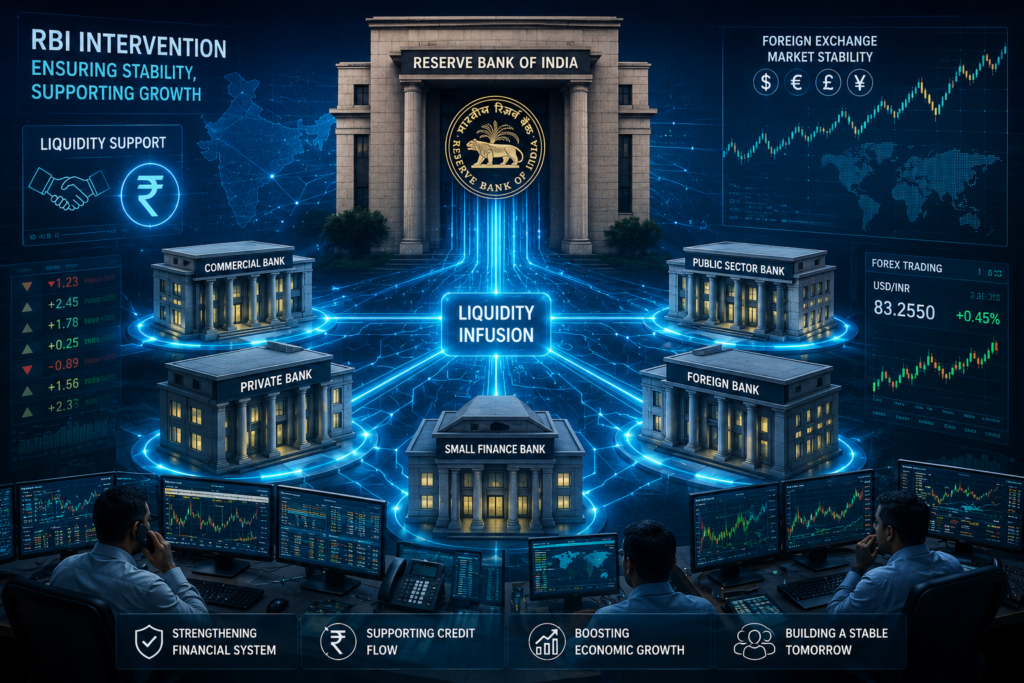
2. Forex Swap Operations
One of the most effective tools available to central banks is the foreign exchange swap.
Under this mechanism:
- RBI buys dollars from banks.
- RBI simultaneously agrees to sell them back later.
- Banks receive rupee liquidity immediately.
Forex swaps help:
- Improve banking liquidity
- Manage currency volatility
- Optimize foreign exchange reserves
- Reduce pressure on domestic funding markets
Historically, RBI swap operations have proven highly effective in calming market concerns.
Analysts believe this measure could become one of the strongest components of RBI’s Five Point Dollar Plan: Rupee Gets a Lifeline.
3. Encouraging Foreign Currency Deposits
The third measure focuses on attracting foreign currency deposits from Non-Resident Indians (NRIs) and overseas investors.
India has previously used special deposit schemes successfully during periods of external stress.
Benefits include:
- Increased foreign exchange reserves
- Additional dollar inflows
- Improved investor confidence
- Greater currency stability
NRI deposits have historically served as an important buffer during periods of global financial turbulence.
By encouraging such inflows, RBI’s Five Point Dollar Plan: Rupee Gets a Lifeline strengthens India’s external financial position.
4. Facilitating External Commercial Borrowings (ECBs)
Indian companies often borrow from overseas lenders through External Commercial Borrowings.
The RBI may ease certain rules or create incentives to:
- Increase overseas funding access
- Bring more dollars into India
- Lower financing costs
- Support business expansion
When corporations can access foreign funding efficiently, overall dollar availability in the economy improves.
This aspect of RBI’s Five Point Dollar Plan: Rupee Gets a Lifeline can support both economic growth and currency stability.

5. Market Stability and Volatility Management
The final element focuses on reducing excessive currency market fluctuations.
Central banks often intervene when:
- Currency movements become disorderly
- Speculation intensifies
- Investor confidence weakens
The RBI can:
- Sell dollars from reserves
- Conduct targeted interventions
- Manage liquidity conditions
- Guide market expectations
This stabilizing role remains essential to RBI’s Five Point Dollar Plan: Rupee Gets a Lifeline.
A predictable currency environment helps businesses plan investments and manage foreign exchange risks more effectively.
How the Plan Supports the Rupee
Increased Dollar Supply
A larger supply of dollars naturally reduces pressure on the rupee.
Better Investor Confidence
Financial markets generally respond positively when a central bank demonstrates readiness to act.
Reduced Speculation
Clear policy signals discourage excessive speculative trading.
Stronger Forex Reserves
Additional inflows improve India’s ability to withstand external shocks.
Improved Liquidity
Banks gain access to funding needed to support economic activity.
These combined benefits explain why RBI’s Five Point Dollar Plan: Rupee Gets a Lifeline has been welcomed by many economists.
Impact on Businesses
Businesses are among the biggest beneficiaries of a stable currency.
Importers Benefit
Companies importing:
- Crude oil
- Electronics
- Machinery
- Industrial raw materials
can better manage costs when the rupee remains stable.
Exporters Gain Predictability
While exporters sometimes benefit from a weaker currency, excessive volatility creates planning challenges.
Stable exchange rates improve:
- Pricing strategies
- Contract negotiations
- Profit forecasting
This makes RBI’s Five Point Dollar Plan: Rupee Gets a Lifeline significant for India’s corporate sector.
Impact on Consumers
The effects extend beyond financial markets.
A stable rupee can help contain:
- Fuel prices
- Imported inflation
- Electronics costs
- Travel expenses
Consumers ultimately benefit when currency-related inflation remains under control.
This broader economic impact reinforces why RBI’s Five Point Dollar Plan: Rupee Gets a Lifeline matters for households as well.

What Investors Should Watch
Investors should monitor several indicators in the coming months:
Foreign Exchange Reserves
Higher reserves indicate stronger external resilience.
Dollar-Rupee Exchange Rate
Stability will signal successful policy implementation.
Foreign Institutional Investment Flows
Increased inflows would reflect growing confidence.
Crude Oil Prices
Oil remains one of the biggest influences on India’s currency.
Global Federal Reserve Decisions
U.S. monetary policy continues to affect global dollar demand.
These factors will determine the long-term effectiveness of RBI’s Five Point Dollar Plan: Rupee Gets a Lifeline.
Challenges That Remain
Despite the positive outlook, several risks remain.
Global Economic Slowdown
Weak global growth could reduce capital flows.
Geopolitical Tensions
Unexpected geopolitical events can trigger safe-haven demand for dollars.
Oil Price Spikes
India remains vulnerable to energy price shocks.
U.S. Dollar Strength
A persistently strong dollar can pressure emerging market currencies.
Therefore, while RBI’s Five Point Dollar Plan: Rupee Gets a Lifeline is a strong step forward, it is not a complete shield against global risks.
Expert Perspective
Having observed multiple RBI interventions over the years, I see this strategy as proactive rather than reactive.
The central bank is not waiting for severe market stress to emerge. Instead, it is strengthening the system before pressures intensify.
This approach offers three major advantages:
- Preserves investor confidence.
- Prevents panic-driven currency moves.
- Supports sustainable economic growth.
The success of RBI’s Five Point Dollar Plan: Rupee Gets a Lifeline will ultimately depend on global conditions, but the framework demonstrates the RBI’s commitment to maintaining financial stability.
Long-Term Implications for India
If implemented effectively, the plan could deliver benefits beyond short-term currency stabilization.
Stronger Financial Markets
Improved liquidity encourages market participation.
Better Global Confidence
International investors value policy credibility.
Enhanced Economic Resilience
Higher reserves and stable funding reduce vulnerability.
Support for Growth
Businesses can invest more confidently when financial conditions remain stable.
These structural benefits make RBI’s Five Point Dollar Plan: Rupee Gets a Lifeline a potentially transformative policy initiative.
Conclusion
RBI’s Five Point Dollar Plan: Rupee Gets a Lifeline represents a comprehensive strategy to strengthen India’s financial defenses during a period of global uncertainty. By boosting dollar liquidity, supporting foreign exchange markets, encouraging capital inflows, facilitating overseas borrowing, and managing volatility, the RBI is taking decisive action to support the rupee.
For businesses, investors, and consumers alike, the plan offers reassurance that India’s central bank remains prepared to respond proactively to evolving economic challenges. While external risks remain, the measures provide a strong foundation for currency stability and sustained economic growth.
As global markets continue to navigate uncertainty, RBI’s Five Point Dollar Plan: Rupee Gets a Lifeline could prove to be a crucial turning point in preserving confidence in the Indian economy and strengthening the rupee’s position in the months ahead.
Frequently Asked Questions (FAQs)
What is RBI’s Five Point Dollar Plan?
RBI’s Five Point Dollar Plan is a set of measures aimed at increasing dollar liquidity, stabilizing the rupee, encouraging capital inflows, and reducing currency market volatility.
Why does the RBI support the rupee?
A stable rupee helps control inflation, reduce import costs, improve investor confidence, and maintain financial stability.
How do forex swaps help the economy?
Forex swaps provide liquidity to banks, stabilize funding markets, and help manage exchange rate volatility.
Will the plan strengthen the rupee immediately?
The impact depends on global market conditions, but the measures are designed to reduce pressure on the currency and improve stability.
How does the plan affect ordinary citizens?
A stable rupee can help control fuel prices, imported inflation, travel costs, and prices of imported goods.
Why are foreign currency deposits important?
They increase foreign exchange reserves, improve dollar availability, and strengthen India’s ability to manage external economic shocks.