

UP Hydrogen-Powered Buses: 5 Amazing Features Revealed
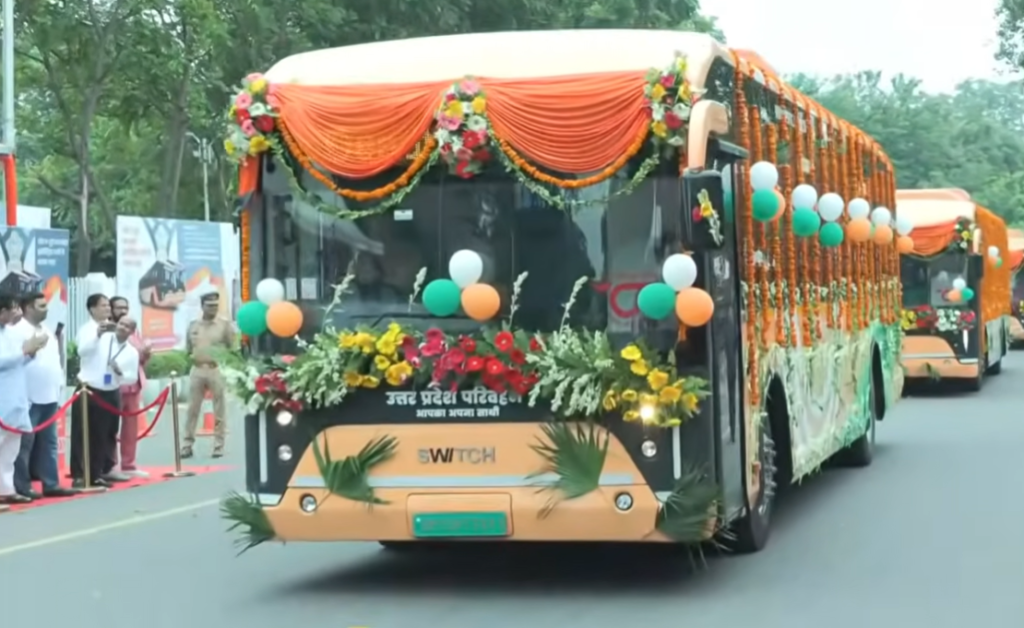
The launch of UP Hydrogen-Powered Buses: 5 Amazing Features Revealed has become one of the most talked-about developments in India’s public transportation sector. Uttar Pradesh Chief Minister Yogi Adityanath recently unveiled hydrogen-powered buses as part of the state’s ambitious vision to promote sustainable mobility and reduce carbon emissions.
As India moves toward cleaner energy solutions, hydrogen-powered public transport is emerging as a revolutionary technology. The introduction of these buses in Uttar Pradesh not only strengthens green transportation infrastructure but also places the state among the frontrunners in adopting future-ready mobility solutions.
Hydrogen-Powered Buses: Key Highlights
- Launch Period: June 12–13, 2026
- Deployment Region: YEIDA City, Noida, Greater Noida, and Noida International Airport (Jewar) connectivity corridor
- Project Partner: NTPC Dadri under India’s Green Hydrogen-Based Mobility Initiative
- Initial Fleet Rollout: 45 electric buses and 3 hydrogen-powered buses introduced in the first phase
- Future Expansion Plan: Fleet expected to grow to nearly 500 clean-energy buses in the coming years
- Primary Objective: Promote sustainable public transport and strengthen eco-friendly connectivity to Noida International Airport
- Technology Focus: Zero-emission hydrogen fuel cell mobility combined with advanced electric transportation solutions
- Environmental Impact: Significant reduction in carbon emissions, air pollution, and fossil fuel dependence
- Strategic Importance: Positions Uttar Pradesh among India’s leading states in adopting next-generation green mobility infrastructure
In this detailed article, we will explore everything about UP Hydrogen-Powered Buses: 5 Amazing Features Revealed, including their technology, passenger capacity, environmental benefits, future prospects, and what this development means for India’s clean energy ambitions.
Why Hydrogen-Powered Buses Matter
The transportation sector is one of the largest contributors to greenhouse gas emissions globally. Traditional diesel-powered buses release significant amounts of carbon dioxide, particulate matter, and harmful pollutants.
Hydrogen-powered buses offer a cleaner alternative.
Unlike conventional buses, these vehicles use hydrogen fuel cells to generate electricity. The process produces only water vapor as a byproduct, making them virtually emission-free.
The launch highlighted in UP Hydrogen-Powered Buses: 5 Amazing Features Revealed demonstrates how state governments are actively investing in technologies that align with India’s net-zero and sustainability goals.
Hydrogen mobility is expected to play a critical role in reducing urban pollution while ensuring efficient public transportation.
How Hydrogen Fuel Cell Technology Works
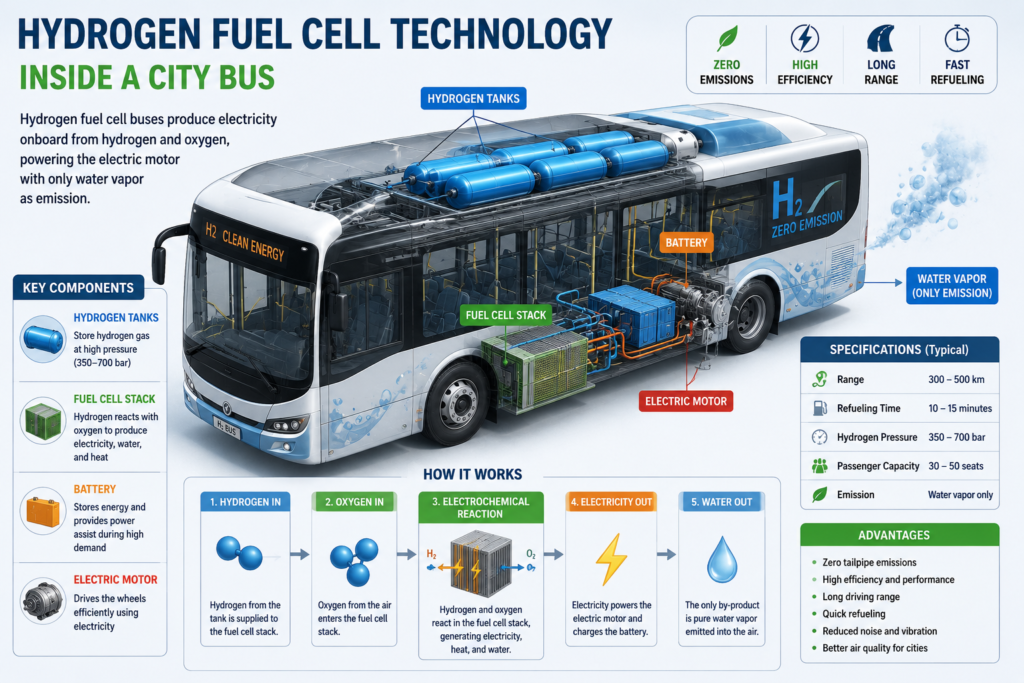
To understand the significance of UP Hydrogen-Powered Buses: 5 Amazing Features Revealed, it is important to understand the technology behind these vehicles.
Hydrogen fuel cells operate through an electrochemical reaction.
The process includes:
- Hydrogen gas is stored in high-pressure tanks.
- Hydrogen enters the fuel cell.
- Oxygen from the atmosphere combines with hydrogen.
- Electricity is generated.
- Water vapor is released as the only emission.
This electricity powers the electric motor of the bus.
Unlike battery-electric vehicles that require long charging times, hydrogen buses can be refueled quickly, making them ideal for commercial public transportation.
UP Hydrogen-Powered Buses: 5 Amazing Features Revealed
Let’s examine the most exciting aspects of these newly introduced buses.
1. Zero-Emission Transportation
The biggest advantage highlighted in UP Hydrogen-Powered Buses: 5 Amazing Features Revealed is their zero-emission capability.
Traditional diesel buses emit:
- Carbon dioxide
- Nitrogen oxides
- Sulfur compounds
- Fine particulate matter
Hydrogen buses eliminate these emissions completely.
Their only exhaust output is water vapor.
This makes them highly effective in combating air pollution in rapidly growing urban regions such as Noida and Greater Noida.
Key Benefits
- Cleaner air
- Reduced carbon footprint
- Improved public health
- Sustainable transportation
2. Long Driving Range
One challenge faced by electric buses is limited driving range.
Hydrogen buses address this concern effectively.
Most hydrogen fuel-cell buses can travel between 300 and 500 kilometers on a single refueling cycle, depending on operating conditions.
This feature makes them ideal for:
- Airport connectivity
- Inter-city routes
- Urban transportation networks
- High-frequency passenger corridors
The long-range capability is one reason why experts view hydrogen technology as a practical complement to battery-electric mobility.
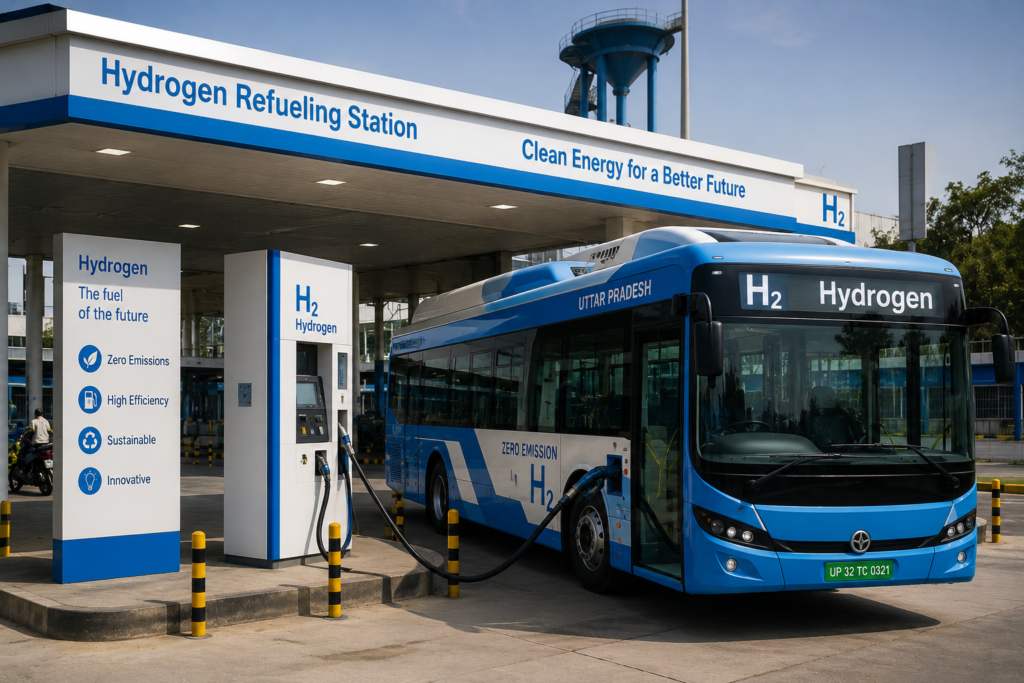
3. Faster Refueling Time
Another highlight of UP Hydrogen-Powered Buses: 5 Amazing Features Revealed is rapid refueling.
Battery-electric buses may require several hours to recharge fully.
Hydrogen-powered buses can typically be refueled within minutes.
Benefits include:
- Reduced downtime
- Improved fleet utilization
- Greater operational efficiency
- Better route management
For public transport authorities, this means more buses on the road and fewer service interruptions.
4. Modern Passenger Comfort Features
The newly introduced buses are expected to include advanced passenger amenities.
These modern features improve the commuting experience and align with smart-city transportation standards.
Potential onboard facilities include:
Air Conditioning
Comfortable travel even during extreme summer temperatures.
Digital Information Systems
Real-time route updates and passenger information displays.
CCTV Surveillance
Enhanced passenger safety and monitoring.
Low-Floor Accessibility
Convenient boarding for:
- Senior citizens
- Children
- Differently-abled passengers
Comfortable Seating
Improved ergonomics for long-distance journeys.
The inclusion of such amenities makes UP Hydrogen-Powered Buses: 5 Amazing Features Revealed an important milestone in modern public transportation.
5. Quiet and Smooth Operations
Noise pollution is a growing concern in urban centers.
Hydrogen-powered buses operate much more quietly than diesel vehicles.
Advantages include:
- Reduced traffic noise
- Better passenger comfort
- Improved urban environment
- Lower stress levels for drivers and commuters
The smooth acceleration and vibration-free performance further enhance passenger satisfaction.
Passenger Capacity of the Hydrogen-Powered Buses
A common question surrounding UP Hydrogen-Powered Buses: 5 Amazing Features Revealed concerns passenger capacity.
Although exact specifications may vary depending on the bus model, hydrogen-powered city buses typically accommodate:
Seating Capacity
35 to 50 passengers
Total Capacity
60 to 80 passengers including standing commuters
Such capacity makes them suitable for:
- Airport transit services
- Urban commuter routes
- Smart city transportation systems
The buses are expected to efficiently handle increasing passenger demand in the Noida-Greater Noida region.
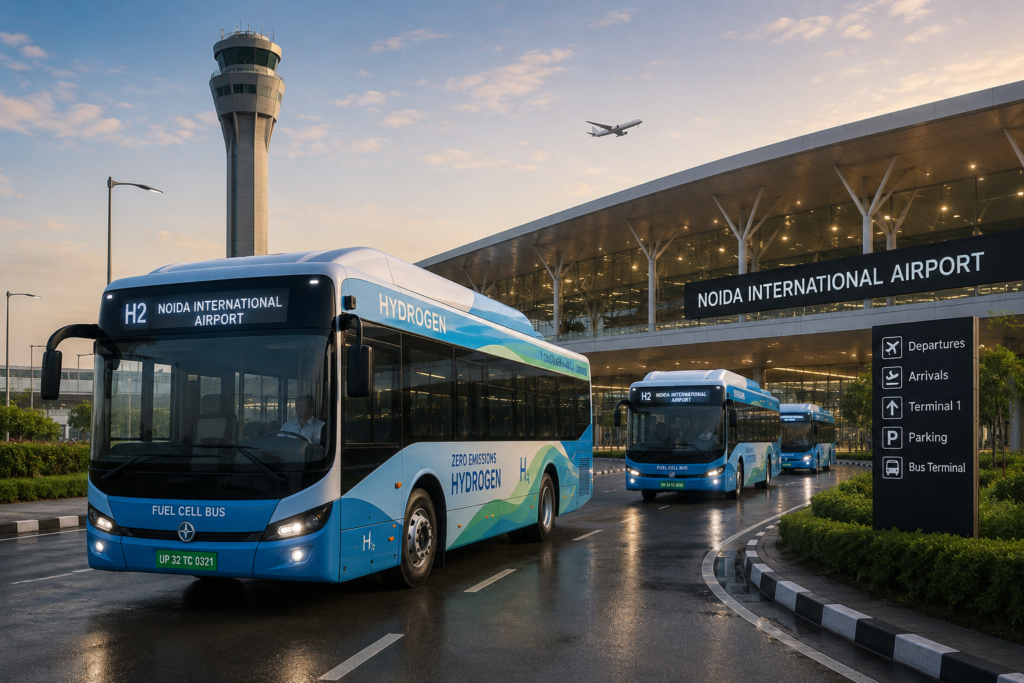
Role in Noida International Airport Connectivity
The launch comes at a strategic time as preparations accelerate for Noida International Airport operations.
Reliable public transportation will be essential for ensuring seamless movement of passengers.
Hydrogen-powered buses can help by:
- Connecting airport terminals with city centers
- Reducing private vehicle dependency
- Lowering traffic congestion
- Supporting eco-friendly airport operations
This initiative reflects broader efforts to develop a sustainable transportation ecosystem around major infrastructure projects.
Environmental Benefits of Hydrogen Buses
The environmental advantages highlighted in UP Hydrogen-Powered Buses: 5 Amazing Features Revealed extend far beyond local air quality improvements.
Reduced Greenhouse Gas Emissions
Hydrogen fuel cells generate electricity without combustion.
This dramatically reduces carbon emissions.
Cleaner Urban Air
Eliminating diesel exhaust helps reduce:
- Smog
- Respiratory illnesses
- Airborne pollutants
Lower Noise Pollution
Quiet operation improves city living conditions.
Sustainable Energy Integration
Hydrogen can be produced using renewable energy sources, creating a fully green transportation ecosystem.
How Hydrogen Mobility Supports India’s Energy Goals
India has launched several initiatives to strengthen clean-energy adoption.
Hydrogen transportation aligns closely with national priorities.
Key objectives include:
Energy Security
Reducing dependence on imported fossil fuels.
Net-Zero Commitments
Supporting long-term climate goals.
Green Hydrogen Mission
Encouraging domestic hydrogen production and innovation.
Industrial Development
Creating opportunities for manufacturing and technology sectors.
The success of UP Hydrogen-Powered Buses: 5 Amazing Features Revealed could encourage wider adoption across Indian cities.
Challenges Ahead
While hydrogen mobility offers tremendous promise, some challenges remain.
Infrastructure Requirements
Hydrogen refueling stations require significant investment.
Production Costs
Green hydrogen production remains relatively expensive.
Technology Scaling
Large-scale deployment will require continued technological advancements.
Public Awareness
Passengers and operators must become familiar with hydrogen-based transportation systems.
Despite these challenges, industry experts believe costs will decline as adoption increases.
Future of Hydrogen-Powered Public Transport in India
The future looks promising.
Several Indian states and transport authorities are exploring hydrogen fuel-cell technology.
Experts predict increasing deployment across:
- Metropolitan cities
- Smart city projects
- Airport transportation corridors
- Inter-city bus networks
The success of UP Hydrogen-Powered Buses: 5 Amazing Features Revealed could serve as a model for other states seeking sustainable transportation solutions.
As hydrogen infrastructure expands, these buses may become a common sight across India’s urban landscapes.
Economic Impact of Hydrogen Bus Adoption
Beyond environmental benefits, hydrogen mobility can contribute significantly to economic growth.
Potential impacts include:
- New manufacturing investments
- Job creation
- Technology development
- Reduced fuel import bills
- Enhanced industrial competitiveness
The hydrogen ecosystem could emerge as a major contributor to India’s future economy.
Conclusion
The launch of UP Hydrogen-Powered Buses: 5 Amazing Features Revealed marks a major step forward in India’s transition toward sustainable transportation. Featuring zero-emission technology, longer driving range, rapid refueling, modern passenger amenities, and quiet operation, these buses represent the future of public mobility.
As Uttar Pradesh continues investing in innovative transport solutions, hydrogen-powered buses could transform urban commuting while helping India achieve its environmental and energy security objectives. The initiative demonstrates how advanced technology and sustainable development can work together to build cleaner, smarter, and more efficient cities for future generations.
Frequently Asked Questions (FAQs)
What are hydrogen-powered buses?
Hydrogen-powered buses use fuel cells that convert hydrogen into electricity to power the vehicle. Their only emission is water vapor.
What is the biggest advantage of hydrogen buses?
The primary advantage is zero-emission transportation combined with long driving range and fast refueling.
How many passengers can hydrogen buses carry?
Most hydrogen-powered city buses accommodate 35–50 seated passengers and up to 80 passengers in total.
Are hydrogen buses better than diesel buses?
Yes. Hydrogen buses produce no harmful exhaust emissions, operate more quietly, and help reduce urban pollution.
Why did Uttar Pradesh launch hydrogen-powered buses?
The initiative supports sustainable mobility, cleaner transportation, and improved connectivity around the Noida International Airport region.
Will more Indian cities adopt hydrogen buses?
Industry experts expect wider adoption as hydrogen infrastructure expands and production costs decline.